
City break inMadrid
Madrid, the capital of Spain, sits at the geographic center of the Iberian Peninsula and serves as the country's political, cultural, and economic hub. The city blends historic grandeur with modern energy, offering visitors grand boulevards, expansive parks, and a wealth of world class museums. The Golden Triangle of Art, comprising the Prado, Reina Sofia, and Thyssen-Bornemisza museums, houses masterpieces from Spanish and European art history, including works by Velázquez, Goya, and Picasso. Beyond its cultural institutions, Madrid features the Royal Palace, the lively Plaza Mayor, and the sprawling Retiro Park, a favorite spot for locals to relax and stroll.
The city's neighborhoods each carry their own character, from the trendy and artistic Malasaña to the upscale Salamanca district known for shopping. Madrid is also famous for its food scene, ranging from traditional tapas bars to Michelin starred restaurants, and its nightlife is among the most vibrant in Europe, with the city rarely sleeping before dawn. Efficient public transport makes it easy to explore both central attractions and outlying areas.
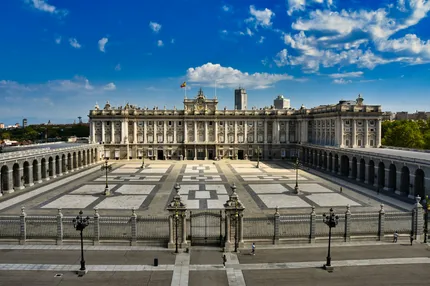
Royal Palace of Madrid
The Royal Palace of Madrid is the official residence of the Spanish Royal Family, though used today for state ceremonies. It is the largest royal palace in Western Europe, with over 3,000 rooms. Visitors can explore lavishly decorated state apartments, the Royal Armory, and the Pharmacy. The palace overlooks the Sabatini Gardens and offers sweeping views toward the Casa de Campo.
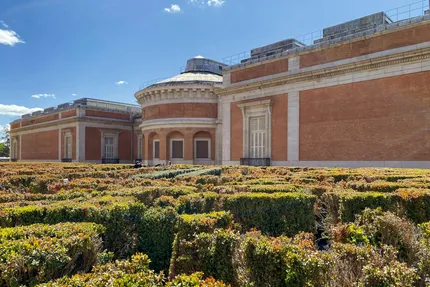
Prado Museum
The Prado Museum is Madrid’s premier art museum, showcasing European masterpieces from the 12th to early 20th centuries. Highlights include Velázquez’s Las Meninas, Goya’s The Third of May 1808, and Bosch’s The Garden of Earthly Delights. Expect rich collections of Titian, Rubens, and El Greco. Located on the Paseo del Prado, it anchors Madrid’s Golden Triangle of Art.
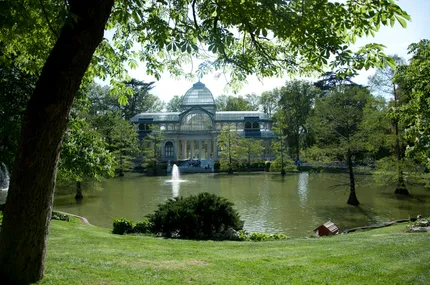
Retiro Park
Parque del Buen Retiro, Madrid’s landmark urban park, offers tree-lined promenades, the Estanque Grande with rowboat rentals, and iconic sights like the Crystal Palace and Monument to Alfonso XII. Expect temporary art exhibitions at the Palacio de Velázquez, formal gardens, sculptures, and weekend buskers. It’s part of the UNESCO-listed Landscape of Light and easily reached from Puerta de Alcalá.
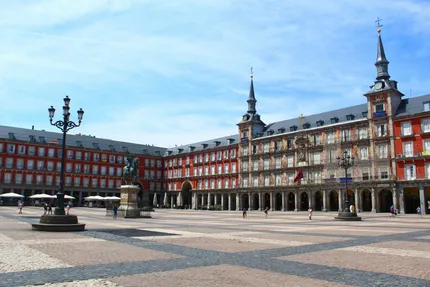
Plaza Mayor
Plaza Mayor is a grand 17th-century square in the heart of Madrid, designed by Juan Gómez de Mora. Surrounded by uniform red-brick buildings with 237 balconies, it has served as a marketplace, bullfighting arena, and site of public events throughout history. Today it hosts cafes, restaurants, and a popular Christmas market in December, and remains one of Spain's most iconic public spaces.
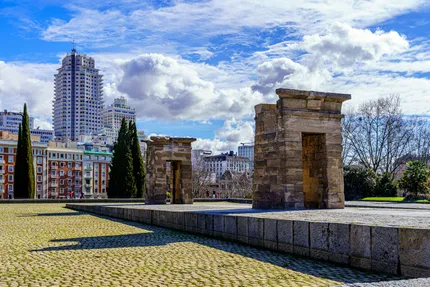
Temple of Debod
The Temple of Debod is an ancient Egyptian temple donated to Spain by Egypt in 1968, as a gesture of gratitude for Spanish help in saving monuments threatened by the Aswan Dam. Rebuilt stone by stone in Parque del Oeste, the temple dates back to the 2nd century BC. Visitors can explore the interior and enjoy panoramic views of the Casa de Campo and the Royal Palace.
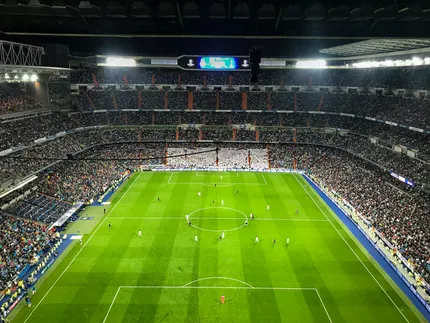
Santiago Bernabéu Stadium
The Santiago Bernabéu is Real Madrid’s home ground in Madrid’s Chamartín district. Recently renovated with a retractable roof, modern facade, and 360-degree video screen, it hosts matches and major events year-round. The Bernabéu Tour includes the club museum, trophy displays, pitchside views, and VIP areas. Metro: Santiago Bernabéu (Line 10); book tickets in advance.
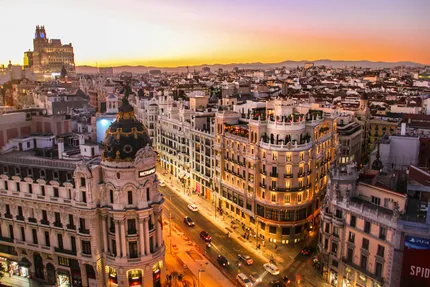
Gran Vía
Gran Vía is Madrid's most iconic boulevard, stretching over a kilometre through the city centre. Built in stages between 1910 and 1931, it features grand early 20th-century architecture, including the Telefónica Building and the Metropolis Building. Today it is a busy commercial street lined with shops, theatres, cinemas, and hotels, making it a focal point for both shopping and entertainment in the Spanish capital.
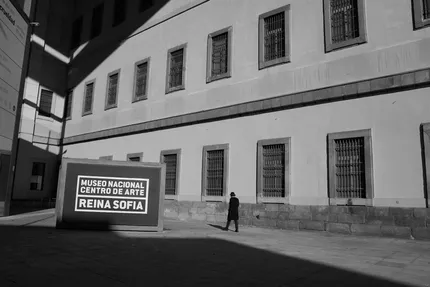
Reina Sofia Museum
The Reina Sofía is Spain’s national museum of 20th‑century art, famed for Picasso’s Guernica. Housed in a converted 18th‑century hospital with a Jean Nouvel extension, it showcases Dalí, Miró, and Spanish avant‑garde movements. Located near Atocha on Madrid’s Art Walk. Expect large permanent collections, rotating exhibitions, and free entry on select evenings.
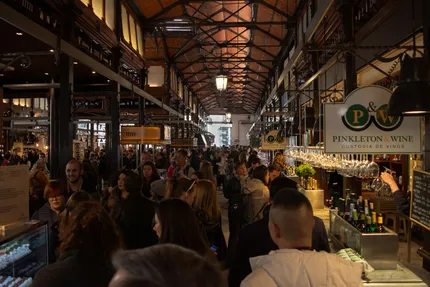
Mercado San Miguel
Mercado San Miguel is a historic iron-and-glass market near Plaza Mayor, built in 1916. It operates as a gourmet food market where visitors can sample tapas, fresh seafood, cured meats, cheeses, pastries, and wines from numerous stalls. Popular with both locals and tourists, it offers a lively atmosphere throughout the day and into the evening, making it an ideal spot for casual eating and browsing quality Spanish produce.
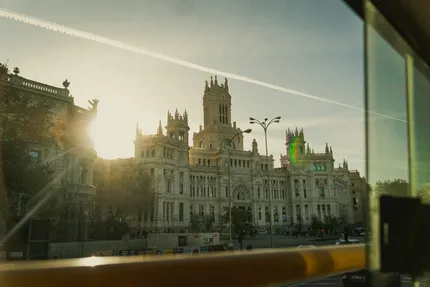
Cibeles Fountain
Cibeles Fountain is one of Madrid's most iconic landmarks, located at Plaza de Cibeles. Built in the late 18th century, it depicts the goddess Cybele riding a chariot pulled by lions. The fountain sits in front of the Cibeles Palace, Madrid's city hall. It serves as a traditional gathering point for Real Madrid fans celebrating championship victories, making it a significant symbol of the city's identity and sporting culture.
Who should visit Madrid
Madrid suits a wide range of travelers, though it particularly appeals to culture enthusiasts, food lovers, and those seeking an energetic urban experience. Art and history lovers will find endless satisfaction in the city's museums, palaces, and historic squares, with enough content to fill several days without repetition. Food travelers will appreciate the chance to explore diverse culinary traditions, from classic Spanish tapas to innovative modern cuisine, often paired with the social ritual of tapeo, hopping between bars for small plates and drinks. Nightlife seekers and younger travelers will enjoy Madrid's reputation as a city that stays active late into the night, with countless bars, clubs, and live music venues. Couples looking for a romantic city break will find charm in the city's parks, rooftop bars, and elegant architecture.
Madrid is also a solid choice for solo travelers, given its walkable center and welcoming social atmosphere. Families with children can enjoy attractions such as Retiro Park, the Warner Bros theme park nearby, and interactive science museums, though Madrid is generally more suited to adults seeking cultural and social experiences than to those looking for family-focused entertainment. Business travelers benefit from Madrid's status as a major economic center with excellent transport connections. Overall, Madrid works best as a short vacation destination for travelers wanting a mix of culture, gastronomy, and lively city life within a compact and accessible urban setting.

Best time to visit Madrid
The best time to visit Madrid is during spring, from April to June, or autumn, from September to October. During these months, temperatures are mild, generally ranging between 15 and 25 degrees Celsius, making outdoor exploration comfortable. Summer months, particularly July and August, bring intense heat often exceeding 35 degrees Celsius, which can make sightseeing uncomfortable during midday hours. Winters are relatively mild but can be chilly, with occasional cold snaps. Spring offers blooming parks and pleasant evenings, while autumn provides comfortable temperatures and fewer tourists than peak summer season, making both excellent choices for a balanced travel experience.
Three top reasons for a city trip to Madrid
- Experience Madrid's unparalleled art and culture: the Prado, Reina Sofía, and Thyssen-Bornemisza, Picasso's Guernica, Royal Palace and Teatro Real, flamenco at Corral de la Morería, and Retiro's Palacio de Cristal.
- Feast on Madrid's gastronomy and nightlife: tapas in La Latina, San Miguel, cocido madrileño, Plaza Mayor calamari sandwiches, Gran Vía rooftops, Malasaña and Chueca, late-night churros at Chocolatería San Ginés.
- Discover Madrid's iconic street life: Plaza Mayor, Puerta del Sol, Gran Vía, sunset at Templo de Debod, El Rastro Sundays, San Isidro festival, plus day trips to Toledo and Segovia.
Madrid is a city with excellent public transportation options, making it easy to get around without a car. The Madrid Metro is one of the most comprehensive and reliable in the world, with numerous lines connecting all major areas of the city. Buses complement the metro system, reaching areas the metro doesn't cover. The city is also bike-friendly, with several bike lanes and rental services available, like BiciMad. Walking is a viable option, especially in central neighborhoods like Sol, La Latina, and Malasaña, where the streets are narrow and filled with historic sights. Taxis and ride-sharing services such as Uber and Cabify are widely available and offer a convenient door-to-door option. Overall, Madrid's transportation system is efficient, affordable, and easy to navigate, making car rental unnecessary for most visitors.
This content was created with AI assistance and may contain inaccuracies.