
3 days in Madrid
SpainDay #1
Historic Madrid stroll, royal quarter, sunset, tapas evening.
15:30
Puerta del Sol stroll and Kilómetro Cero
Stroll through Puerta del Sol, Madrid’s bustling central square, to see the Casa de Correos clock, famous for New Year’s Eve chimes, the Tío Pepe sign, and the Bear and Strawberry Tree statue. Step onto the Kilómetro Cero plaque, marking Spain’s radial road network start. Expect buskers, shops, and crowds; visit early or at dusk to avoid heat and congestion.
16:15
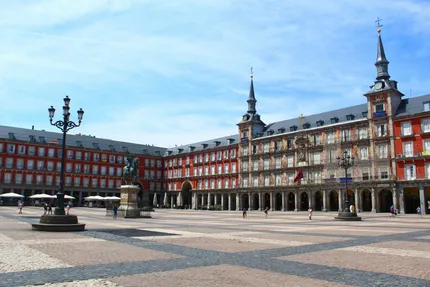
Plaza Mayor and calamari sandwich snack
Plaza Mayor is Madrid's grand 17th-century square, encircled by arcades and dominated by Philip III's statue. It's a classic stop for a bocadillo de calamares: crispy fried squid rings in a crusty roll, sold by nearby bars, especially along Calle Botoneras. Expect quick, affordable bites; side streets often offer better value than venues on the square.
17:00
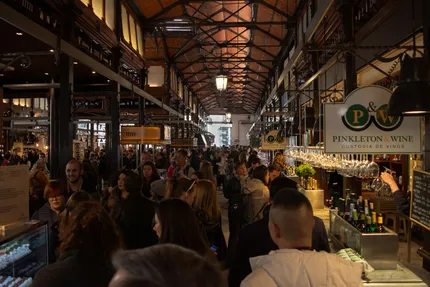
Mercado de San Miguel tasting stop
Sample classic Spanish tapas in Madrid’s iconic 1916 iron-and-glass market by Plaza Mayor. Move between stalls for jamón ibérico, croquetas, olives, cheeses, pintxos, oysters, and pastries, paired with cava, sherry, or vermouth. Expect crowds and standing tables; arrive off-peak and budget for higher-than-average prices.
17:45
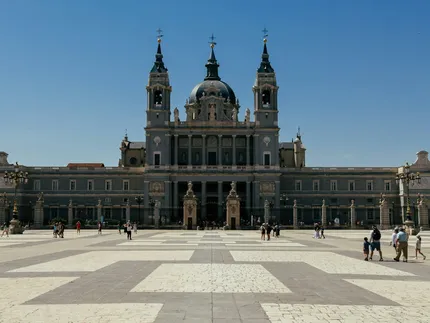
Almudena Cathedral exterior and plaza
Almudena Cathedral’s neoclassical exterior, crowned by a dome and twin towers, faces the Royal Palace across Plaza de la Armería. The broad plaza is a popular photo spot and staging ground for processions, offering sweeping views toward the palace and western Madrid. Statues and sculpted bronze doors add detail to the restrained façade.
18:30
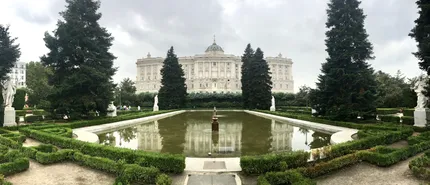
Sabatini Gardens and Plaza de Oriente promenade
Stroll through Madrid’s Sabatini Gardens, formal neoclassical parterres on the Royal Palace’s north side, with hedges, pools, and statues of Spanish monarchs, and panoramic palace views. Continue to Plaza de Oriente, the elegant square between the palace and Teatro Real, centered on the equestrian statue of Philip IV and lined with sculptures of Spanish kings, with café terraces.
19:45
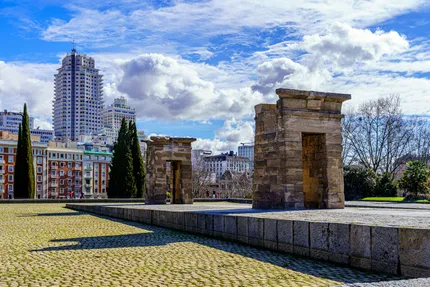
Sunset at Temple of Debod
Temple of Debod is an ancient Egyptian temple relocated to Parque del Oeste, near Plaza de España. At sunset, crowds gather on the hill for wide views over Casa de Campo and the Royal Palace. It’s free to visit; arrive early for a good vantage point. The small interior has limited hours; most enjoy the view outside.
22:30
Churros and chocolate at Chocolatería San Ginés
Day #2
Art museums, Retiro Park, Gran Vía, rooftop, flamenco night.
08:30
Breakfast at a local café
09:15
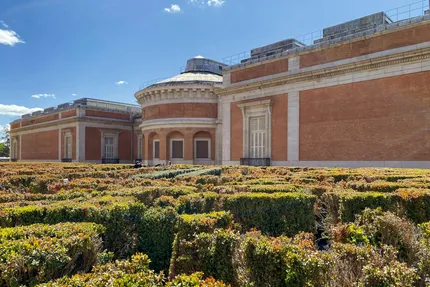
Prado Museum highlights visit
Focus on the Prado’s masterpieces: Velázquez’s Las Meninas, Goya’s The Third of May 1808 and Black Paintings, Bosch’s The Garden of Earthly Delights, El Greco portraits, and works by Titian and Rubens. Allow 1.5–2 hours for a highlights route. Book a timed ticket or guided tour, and start early to avoid peak crowds.
11:30
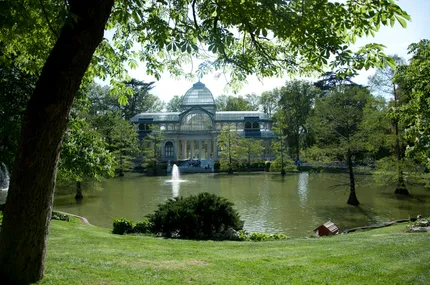
Retiro Park: Crystal Palace and Rose Garden
Explore El Retiro’s highlights: the Crystal Palace (Palacio de Cristal), an 1887 iron-and-glass pavilion beside a lake, hosting temporary installations by the Museo Reina Sofía (free entry when open), and the Rose Garden (La Rosaleda), at its best in May–June with abundant blooms and fragrances—ideal for quiet walks and photos.
12:30
Rowboat on Retiro Lake
13:30
Lunch in Barrio de Las Letras
In Madrid’s Barrio de las Letras (Literary Quarter), lunch centers on tapas bars, traditional taverns, and contemporary bistros along Calle de las Huertas and around Plaza de Santa Ana. Expect menu del día deals (about €12–20) with classics like tortilla and croquetas. Lunch runs roughly 13:30–16:00; terraces fill quickly—arrive early or reserve.
14:45
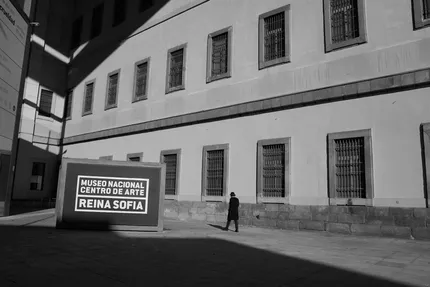
Reina Sofía Museum: Guernica and modern art
Madrid’s Museo Reina Sofía is Spain’s national museum of 20th-century art, best known for Picasso’s Guernica, shown alongside preparatory studies that contextualize the painting and the Spanish Civil War. The collection spans surrealism, cubism, and contemporary movements, with major works by Dalí and Miró, rotating temporary exhibitions, and a blend of historic and modern exhibition spaces.
16:15
Coffee on Calle Huertas
17:00
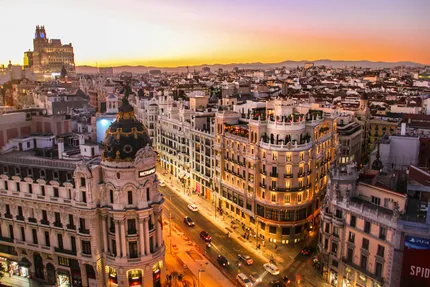
Gran Vía and Plaza de España walk
Stroll Madrid’s Gran Vía from the Metrópolis Building to Plaza de España, passing flagship shops, classic cinemas, and landmark facades like the Telefónica and Capitol (Schweppes sign) at Callao. Finish at the revamped Plaza de España, framed by Torre de Madrid and Edificio España, with broad pedestrian areas and links toward the Royal Palace and Temple of Debod.
18:30
Rooftop sunset at Círculo de Bellas Artes
Head to the Azotea del Círculo atop the Círculo de Bellas Artes for one of Madrid’s best sunset views. An entry ticket and elevator ride bring you to a panoramic terrace overlooking Gran Vía, the Metrópolis dome, and Cibeles. A rooftop bar serves drinks and snacks. Arrive early; queues and seasonal hours apply.
21:00
Dinner in Chueca or Malasaña
22:30
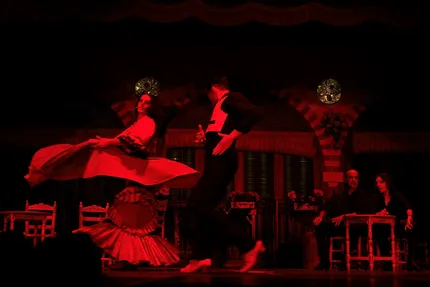
Flamenco show at Corral de la Morería
Experience an authentic flamenco performance at Corral de la Morería, Madrid’s renowned tablao founded in 1956 near the Royal Palace. The intimate venue hosts leading dancers, singers, and guitarists in nightly shows. You can pair the performance with dinner; its restaurant holds a Michelin star. Seating is limited—advance reservations are strongly recommended.
Day #3
Sunday market, old town wander, quick lunch, departure.
08:30
Breakfast in La Latina
09:30
El Rastro flea market browse
El Rastro is Madrid's largest open-air flea market, held on Sundays and public holidays in the La Latina area, centered on Ribera de Curtidores. Browse hundreds of stalls selling antiques, vintage clothing, records, art, and curios. Go early to avoid crowds; watch for pickpockets. Nearest Metro: La Latina, Puerta de Toledo, Embajadores.
11:00
Coffee at Plaza de la Paja
11:30
San Francisco el Grande Basilica exterior
Admire the 18th-century Neoclassical exterior of Madrid’s Basílica de San Francisco el Grande in La Latina. Its circular plan and vast dome—among Spain’s largest—dominate the skyline. The curved, symmetrical façade and monumental portico are best appreciated from Plaza de San Francisco and nearby Las Vistillas Gardens. Viewable from surrounding streets throughout the day; evening light is especially flattering.
12:30
Early lunch: bocadillo de calamares near Plaza Mayor
A bocadillo de calamares is a classic Madrid sandwich featuring fried squid rings stuffed into a crusty baguette roll, often with just a squeeze of lemon or drizzle of alioli. Near Plaza Mayor, small bars and takeaway counters serve this affordable, iconic snack, a local tradition dating back decades. It is a quick, casual meal, best enjoyed standing at a bar or eaten while strolling through the historic city center.