
City break inValencia
Valencia, Spain's third-largest city, sits on the southeastern Mediterranean coast and offers a compelling mix of ancient heritage and futuristic architecture. Founded by the Romans in 138 BC, the city has layers of history visible in its Gothic cathedral, the sprawling Central Market, and the old Silk Exchange, a UNESCO World Heritage Site. Yet Valencia is equally famous for its bold leap into modernity, most strikingly embodied by the City of Arts and Sciences, a spectacular complex of titanium and concrete designed by Santiago Calatrava.
The city is also the birthplace of paella, and its food culture is deeply tied to the surrounding rice-growing region of La Albufera. Valencia's beaches, particularly Malvarrosa, are easily reached by tram and offer a relaxed Mediterranean atmosphere without the intense crowds of Barcelona or Ibiza. The city moves at a pace that feels genuinely Valencian, with long lunches, vibrant local markets, and a nightlife scene centered around the Ruzafa neighborhood that keeps going well into the early hours.
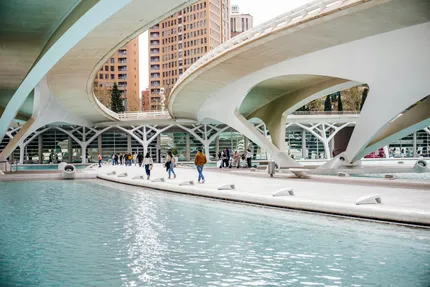
City of Arts and Sciences
The City of Arts and Sciences is a futuristic cultural complex designed by architect Santiago Calatrava. It stretches along the former Turia riverbed and includes the Oceanogràfic, Europe's largest aquarium, the interactive science museum Príncipe Felipe, the Hemisfèric IMAX cinema, and the opera house Palau de les Arts. The striking white architecture alone makes it worth a visit, even without entering the individual attractions.
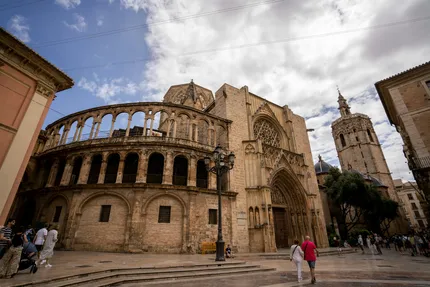
Valencia Cathedral and El Micalet
Valencia Cathedral, built between the 13th and 15th centuries, blends Gothic, Baroque, and Romanesque architectural styles. It reportedly houses the Holy Grail in its chapel. Adjacent to the cathedral stands El Micalet, the iconic octagonal bell tower completed in 1429. Climbing its 207 steps rewards visitors with panoramic views across Valencia's rooftops and the old city. Both landmarks sit at the heart of the historic center.
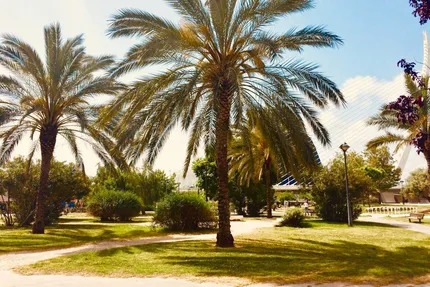
Turia Gardens
The Turia Gardens is a 9km green park built in the former riverbed of the Turia River, which was diverted after severe flooding in 1957. Stretching through the heart of Valencia, it features walking and cycling paths, sports facilities, playgrounds, and open lawns. The park connects several major landmarks, including the City of Arts and Sciences at its southern end.
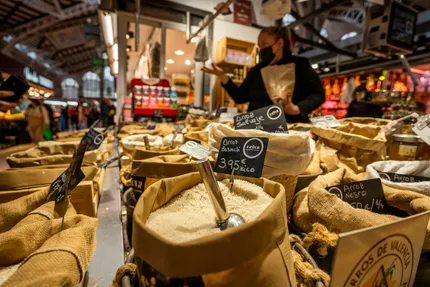
Central Market
The Central Market (Mercado Central) is one of Europe's largest and most beautiful covered markets, housed in a stunning Modernista building completed in 1928. Located in the heart of Valencia's old town, it sells fresh local produce including vegetables, fish, meat, and the famous local oranges. The market is a genuine hub of daily life and a great place to experience authentic Valencian food culture.
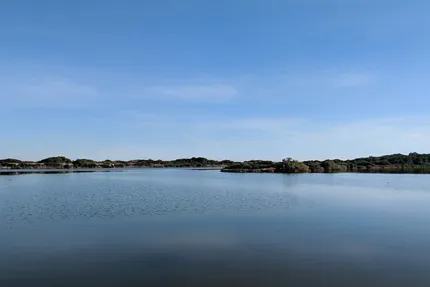
Albufera Natural Park
Albufera Natural Park is a protected wetland area located just south of Valencia, centered around a large freshwater lagoon. It is home to diverse bird species, rice paddies, and traditional fishing communities. Visitors can take boat rides across the lake, explore walking trails, and observe wildlife. The park's rice fields are also historically linked to the origin of paella, which was first cooked in this region.
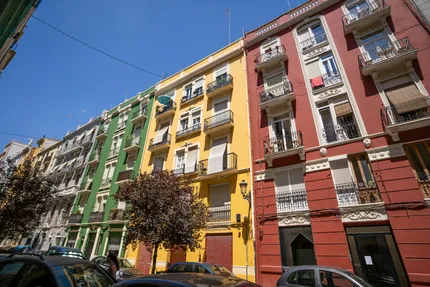
Ruzafa District
Ruzafa is a vibrant neighborhood in Valencia known for its bohemian atmosphere, diverse dining scene, and creative culture. Once a working-class district, it has transformed into one of the city's trendiest areas, filled with independent cafes, restaurants, vintage shops, and art galleries. The streets buzz with locals and visitors alike, particularly in the evenings. Its multicultural character gives Ruzafa a distinct energy that sets it apart from other Valencia neighborhoods.
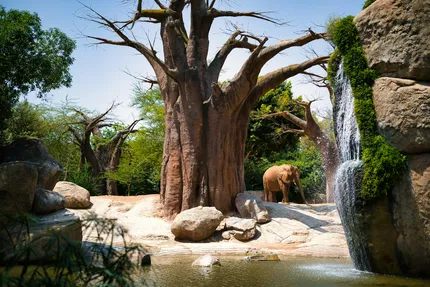
Bioparc Valencia
Bioparc Valencia is an immersive zoo located in the Cabecera Park area, designed around the concept of zoo-immersion, where barriers between animals and visitors are virtually invisible. It focuses on African ecosystems, housing gorillas, lions, elephants, meerkats, and hundreds of other species. The park prioritizes animal welfare and conservation education. It is suitable for all ages and is considered one of the best zoos in Europe.
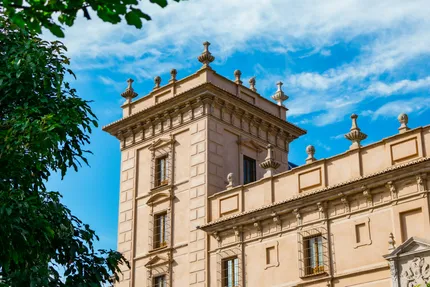
Museo de Bellas Artes
The Museo de Bellas Artes de Valencia is one of Spain's finest art museums, housed in a former seminary near the Turia gardens. Its collection spans from medieval altarpieces to 20th-century works, with particular strength in Valencian painters. Highlights include works by Velázquez, El Greco, Goya, and Joaquín Sorolla, whose luminous Mediterranean scenes are especially well represented. Admission is free.
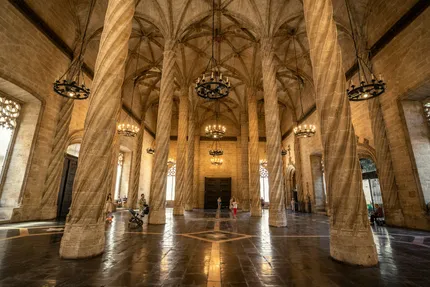
La Lonja de la Seda
La Lonja de la Seda, or Silk Exchange, is a UNESCO World Heritage Site built in the late 15th century. This Gothic masterpiece served as Valencia's commercial trading hub during the city's prosperous silk trade era. Its most impressive space is the Sala de Contratacion, featuring towering helical columns. The building stands as one of the finest examples of secular Gothic architecture in Europe.
Who should visit Valencia
Valencia is an excellent destination for food-focused travelers who want to go beyond tourist-facing restaurants and explore authentic Spanish cuisine at its source. The city's Central Market, its many neighborhood tapas bars, and the surrounding rice fields of La Albufera make it a genuinely rewarding destination for anyone serious about eating well. Cyclists will find Valencia particularly accommodating, as the city has one of the most developed urban cycling networks in Spain, with flat terrain and a dedicated path running along the old Turia riverbed all the way to the sea. Architecture enthusiasts have plenty to explore, from the medieval city center to the striking modernist buildings of the City of Arts and Sciences complex.
Budget-conscious travelers will appreciate that Valencia is noticeably more affordable than Madrid or Barcelona, with good-value accommodation, meals, and transport throughout the city. The Fallas festival in mid-March draws visitors who want to experience a loud, pyrotechnic, and deeply local celebration unlike anything else in Europe. Beach lovers who also want a real city experience rather than a pure resort holiday will find that Valencia strikes a balance few Mediterranean cities can match.

Best time to visit Valencia
The best time to visit Valencia is from March to May or September to November. Spring brings mild temperatures, blooming orange trees, and the spectacular Las Fallas festival in March, one of Spain's most dramatic celebrations. Autumn offers warm weather ideal for beach visits and cycling without summer's intense heat. July and August can be very hot and humid, with temperatures regularly exceeding 33 degrees Celsius, though the city remains lively. Winter is mild and rarely cold, making it a pleasant off-season option for those who prefer quieter streets and lower prices.
Three top reasons for a city trip to Valencia
- See Valencia’s City of Arts and Sciences, Calatrava’s futuristic complex with Oceanogràfic, Hemisfèric, and Museu de les Ciències. Adjacent Turia Gardens offer paths for cycling, jogging, playgrounds, concerts, and picnics.
- Taste Valencian cuisine where paella originated: try wood-fired paella Valenciana in El Palmar by Albufera, shop at Mercado Central, sip horchata with fartons in Alboraya, and enjoy tapas around Ruzafa.
- Experience Las Fallas in March: mascletà explosions at Plaza del Ayuntamiento, ninots parading neighborhoods, spectacular Nit del Foc fireworks, streetlight displays in Ruzafa, and dramatic Cremà burnings illuminating Valencia’s night.
Valencia is a very walkable and cyclable city with an extensive free bike-sharing system called Valenbisi, making cycling one of the best ways to explore. The city has a well-developed public transport network including metro, tram, and bus lines that connect most neighborhoods efficiently. The historic center and beach area are easily reached by bike or on foot. The metro is useful for reaching the airport and outer districts. Taxis and ride-sharing apps are widely available. Driving a car in the central areas is not recommended due to traffic restrictions, limited parking, and the ease of getting around without one. Most major attractions, restaurants, and neighborhoods are accessible without a car, making Valencia one of the more convenient Spanish cities to navigate without private transport.
This content was created with AI assistance and may contain inaccuracies.