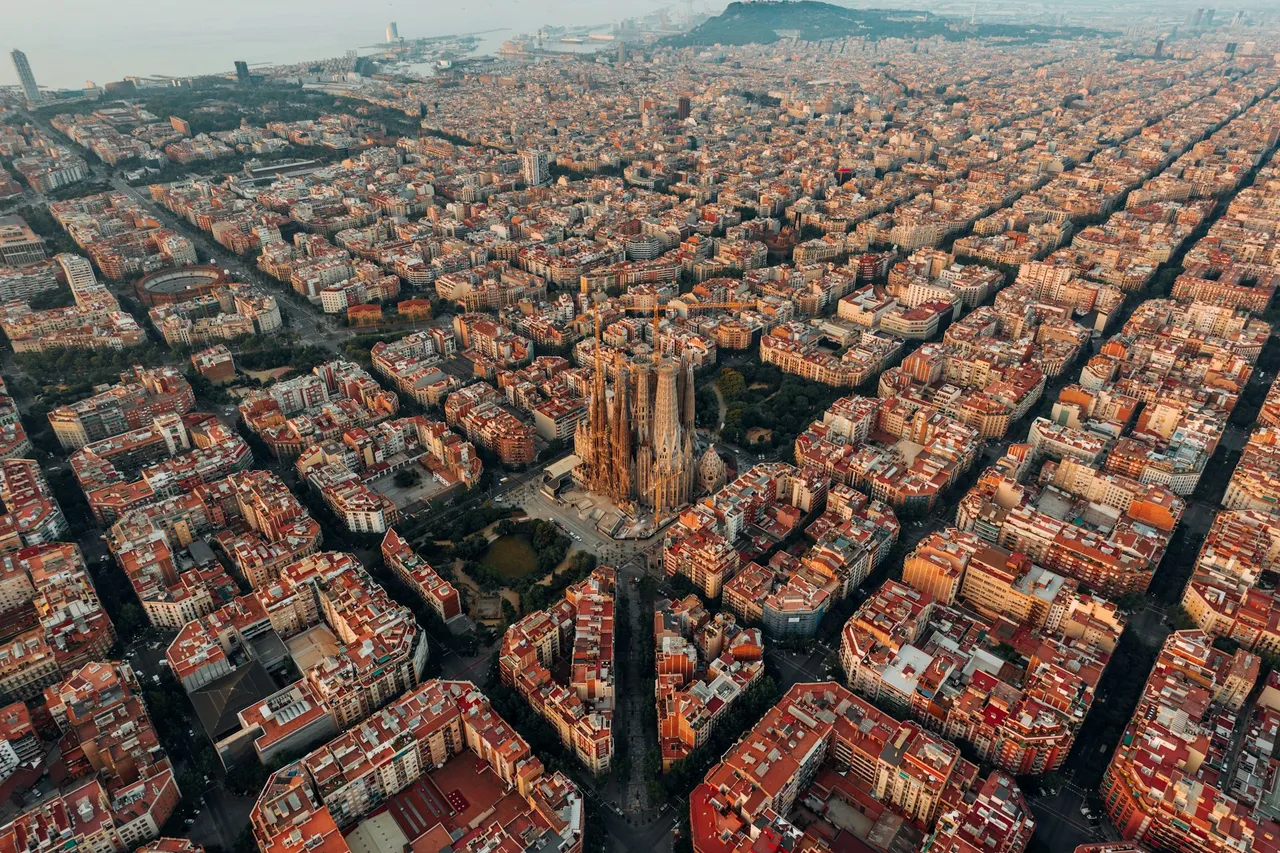
City break inBarcelona
Barcelona, the capital of Catalonia, is one of Europe's most vibrant and visually distinctive cities. Sitting along the Mediterranean coast in northeastern Spain, it combines a rich cultural heritage with a dynamic contemporary scene. The city is perhaps best known for the extraordinary architecture of Antoni Gaudí, whose works, including the still-unfinished Sagrada Família basilica and the whimsical Park Güell, are unlike anything else in the world. Beyond Gaudí, the Gothic Quarter offers a dense labyrinth of narrow medieval streets, Roman ruins, and centuries-old churches.
The wide boulevard of La Rambla connects the city center to the bustling port, lined with cafes, markets, and street performers. Barcelona's food culture is exceptional, from traditional Catalan cuisine in local restaurants to the world-famous Boqueria market. The city's beaches, lively nightlife, and thriving arts scene add further layers to its appeal. With an efficient metro system and a compact, walkable layout, getting around and exploring its diverse neighborhoods is straightforward and rewarding.
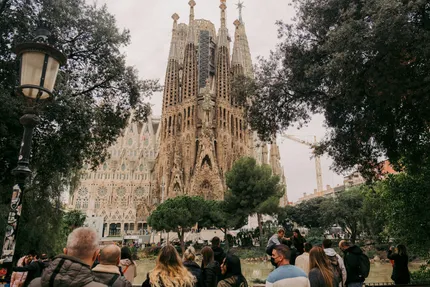
Sagrada Familia
Sagrada Família is Antoni Gaudí’s still-unfinished basilica, under construction since 1882. Its Nativity and Passion façades and forest-like interior columns are famed, with vivid stained-glass light. Part of a UNESCO World Heritage listing, it’s Barcelona’s top attraction—reserve timed tickets in advance. Audioguides and tower access are available; dress modestly for entry.
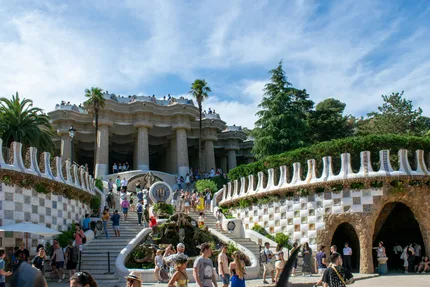
Park Güell
Park Güell is Antoni Gaudí’s hillside park, part of Barcelona’s UNESCO-listed Modernisme. Highlights include the mosaic serpentine bench, the dragon (El Drac) at the staircase, and the Hypostyle Room. The Monumental Zone requires a timed ticket; surrounding park areas are free. Expect slopes and steps. Panoramic city views reward an early visit.
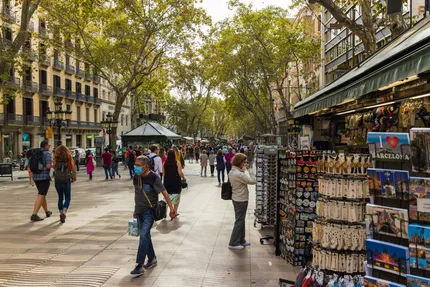
La Rambla
La Rambla is Barcelona’s central pedestrian boulevard, running from Plaça de Catalunya to the Columbus Monument at Port Vell. Lined with cafes, kiosks, and street performers, it provides access to La Boqueria market, the Gothic Quarter, and El Raval. Look for Miró’s pavement mosaic and the Liceu opera house. Crowded; watch for pickpockets.
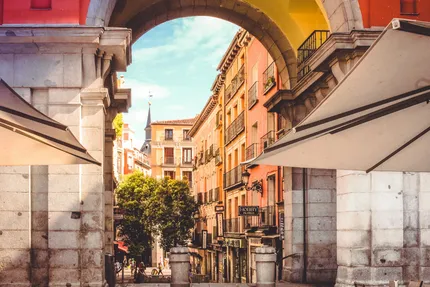
Gothic Quarter
The Gothic Quarter (Barri Gòtic) is Barcelona’s medieval heart, a maze of narrow lanes, hidden squares, and remnants of Roman walls. Highlights include the Gothic Barcelona Cathedral, Plaça Sant Jaume’s civic buildings, Plaça del Rei, and El Call. Expect cafés, boutiques, and tapas bars, lively evenings, and pickpocket-prone crowds. Best explored on foot. Guided walking tours reveal layered history.
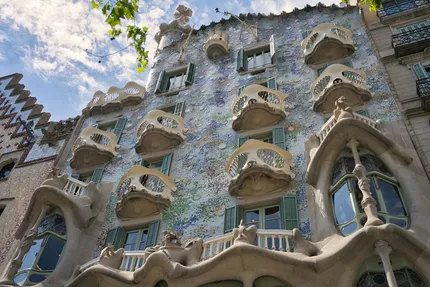
Casa Batlló
Casa Batlló is Antoni Gaudí's remodel of a 19th-century building on Barcelona's Passeig de Gràcia, a standout of Catalan Modernisme. Its wave-like façade, trencadís mosaics, skeletal balconies, and dragon-backed roof are iconic. Inside, flowing woodwork, a skylit lightwell, and rooftop chimneys reward a ticketed visit. It's part of a UNESCO World Heritage ensemble.
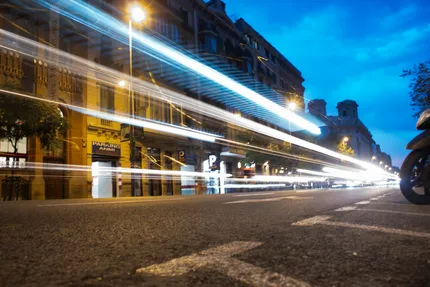
Nightlife
Barcelona's nightlife spans tapas bars and cocktail spots in El Born and the Gothic Quarter, live music at Sala Apolo and Razzmatazz, and beachfront clubs like Pacha and Opium in Port Olimpic. Evenings start late - bars fill around 11 pm, clubs after 1 am. Weekend metro runs late; taxis are plentiful. Dress codes vary by venue.
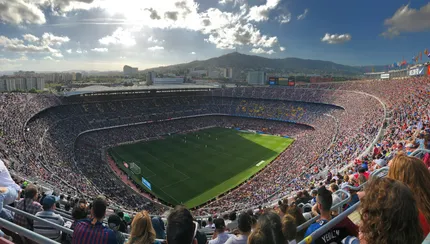
Camp Nou
Camp Nou, home of FC Barcelona and Europe’s largest football stadium, offers behind-the-scenes tours and a museum showcasing club history, trophies, and multimedia exhibits. Visitors typically access the players’ tunnel, pitchside, press areas, and changing rooms. Matchdays are loud and energetic. Note: ongoing renovation may affect tour routes and museum access—check current availability.
Picasso Museum
The Museu Picasso in Barcelona, set across five medieval palaces in El Born, holds over 4,000 works tracing Picasso’s formative years and deep ties to the city. Highlights include the Las Meninas series and early academic pieces. Expect crowds; timed tickets and advance booking are recommended. Temporary exhibitions and audio guides available.
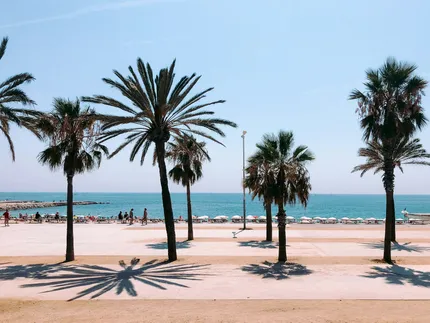
Beaches
Barcelona’s 4.5 km urban shoreline includes Barceloneta, Nova Icària, Bogatell, and Mar Bella (with a naturist/LGBT-friendly zone). Beaches are free, sandy, and well serviced with showers, lifeguards in season, accessible ramps, sports courts, and chiringuitos. Reachable via Metro L4. Expect summer crowds; visit early or off-peak. Watch flags and belongings.
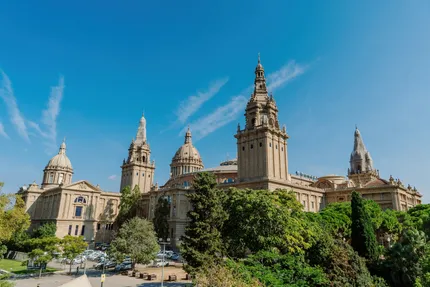
Montjuïc
Montjuïc is Barcelona’s broad hill overlooking the port, known for panoramic views and major cultural sites. Highlights include Montjuïc Castle, the MNAC in the Palau Nacional, Fundació Joan Miró, the Olympic Stadium complex, and the Magic Fountain evening shows. Reach it by funicular or cable car, then explore gardens, museums, and historic fortifications.
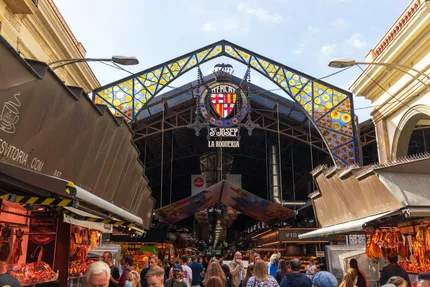
Boqueria Market
Boqueria Market (Mercat de la Boqueria) is Barcelona’s iconic food market on La Rambla. Under its iron-and-glass roof, vendors sell fresh produce, seafood, cured meats, cheeses, and sweets. Tapas bars serve quick bites and juices. Arrive early to avoid crowds and watch chefs and locals shop. Note pickpockets and mind stall etiquette.
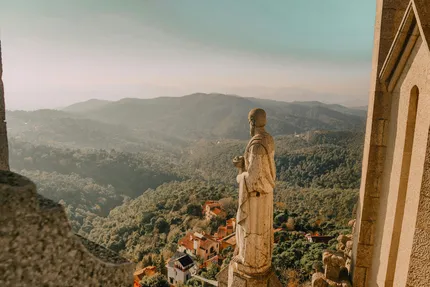
Tibidabo
Tibidabo is Barcelona’s highest peak, offering sweeping views over the city and sea. It hosts the historic Tibidabo Amusement Park (rides and vintage attractions) and the hilltop Temple of the Sacred Heart church. Reach it via funicular and buses. Trails in Collserola Natural Park start nearby, making it a popular outing for families and hikers.
Who should visit Barcelona
Barcelona is an excellent destination for architecture enthusiasts, particularly those with an interest in Modernisme, the Catalan variant of Art Nouveau. The concentration of Gaudí landmarks alone justifies a trip, but works by architects like Lluís Domènech i Montaner and Josep Puig i Cadafalch add significant depth to any architectural tour. Food lovers will find the city equally rewarding. Catalan cuisine, with dishes like pa amb tomàquet, fideuà, and escalivada, offers a distinct regional identity, and the city supports a strong restaurant culture ranging from market-fresh tapas bars to Michelin-starred establishments. Beach travelers who also want an urban experience will appreciate the combination of city sightseeing with easy access to the Mediterranean coastline.
Art lovers are well served by museums dedicated to Picasso and Joan Miró, both of whom had strong connections to the city. Barcelona also suits travelers interested in contemporary urban culture, given its thriving design, fashion, and music scenes. It is less ideal for those seeking a quiet, off-the-beaten-path experience, as most major attractions draw large crowds year-round. Visitors who enjoy exploring distinct urban neighborhoods on foot will find the city particularly satisfying, with areas like Eixample, El Born, and Gràcia each offering a different character.

Best time to visit Barcelona
The best time to visit Barcelona is during spring, from April to June, or early autumn in September and October. Temperatures are warm but manageable, typically ranging from 18 to 26 degrees Celsius, and the summer crowds have either not yet arrived or have thinned out. July and August are the peak tourist months and can be extremely hot and congested. Winter is mild by northern European standards and generally quiet, making it a reasonable choice for those who prefer fewer tourists and lower prices.
Three top reasons for a city trip to Barcelona
- Gaudí and Modernisme masterpieces: the evolving Sagrada Família basilica, Park Güell mosaics, Casa Batlló and La Pedrera sculpted facades, Eixample grid, rooftop chimneys, and museums revealing Barcelona's distinctive, creativity-driven identity.
- Vibrant Catalan food culture: graze on tapas and pintxos along Carrer de Blai, savor seafood paella in Barceloneta, explore La Boqueria, sip vermouth, and toast cava from nearby Penedès vineyards.
- Seaside energy and history: sun on Barceloneta and Bogatell beaches, wander Gothic Quarter and El Born alleys, ride Montjuïc cable car, watch Magic Fountain, and celebrate La Mercè with castellers.
Barcelona is an excellent city for walking and cycling, with a well-maintained bike-sharing system called Bicing and numerous dedicated cycling lanes. The public transport network is comprehensive, covering metro, buses, trams, and commuter trains. The metro has eight lines and operates until late on weekends. The city is divided into neighborhoods that are each easily walkable, and many major attractions are within walking distance of each other. Taxis and ride-sharing apps are widely available. Driving a private car is not recommended in the city center due to heavy traffic, limited parking, and the Superblocks scheme that restricts vehicle access in certain areas. A T-Casual metro card offers good value for multiple journeys.
This content was created with AI assistance and may contain inaccuracies.