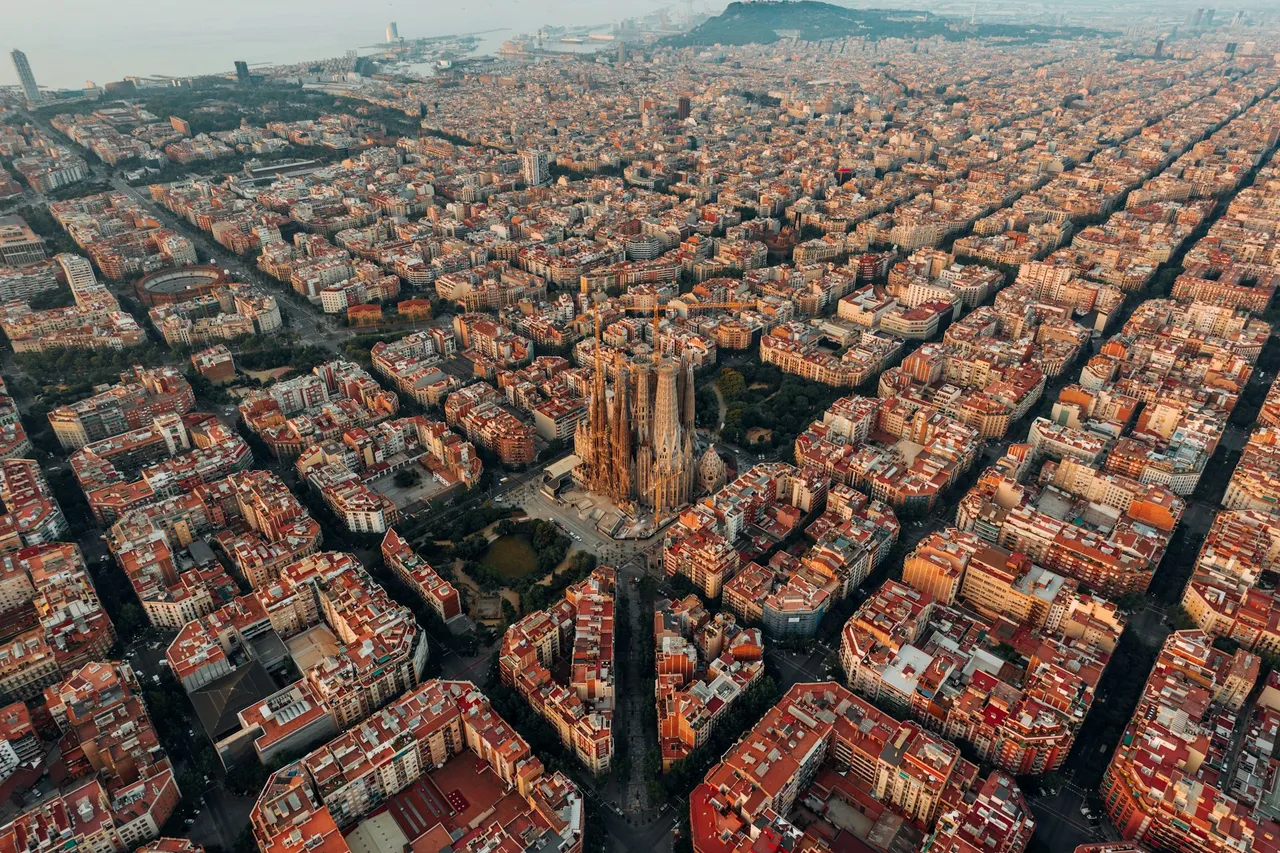
2 days in Barcelona
SpainDay #1
Gothic Quarter, El Born, beach, and Montjuïc views.
08:00
Breakfast at Granja Viader
09:00
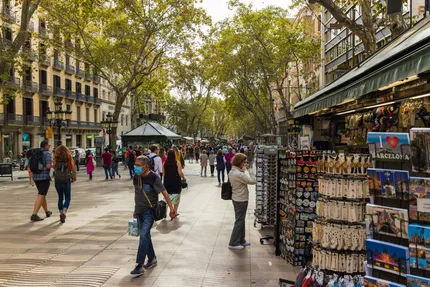
La Rambla stroll and La Boqueria market tasting
Stroll La Rambla from Plaça de Catalunya toward the Columbus Monument, passing plane trees, kiosks, street performers, and Joan Miró’s pavement mosaic. Duck into La Boqueria (Mercat de Sant Josep) for market tastings: jamón ibérico, seafood tapas, fresh juices, fruit, and Catalan specialties at bar counters. Go early to avoid crowds; watch for pickpockets.
10:30
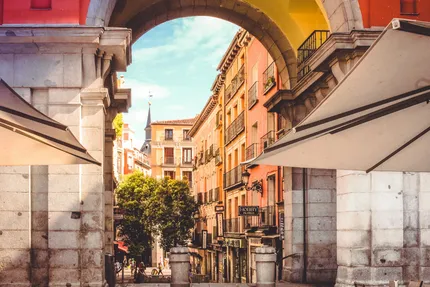
Gothic Quarter walk and Barcelona Cathedral rooftop
Explore the Gothic Quarter’s maze of medieval lanes, Roman remnants, and plazas such as Plaça del Rei and Sant Jaume. Continue to the Cathedral of the Holy Cross and Saint Eulalia; visit the cloister, then take the elevator to the rooftop for close views of spires, gargoyles, and sweeping city panoramas. Modest attire required.
12:00
Picasso Museum in El Born
Barcelona’s Museu Picasso, in El Born’s Carrer de Montcada, spans five Gothic palaces and showcases one of the most significant Picasso collections. It emphasizes his formative Barcelona years and includes the complete Las Meninas series, early paintings, drawings, prints, and ceramics. Opened in 1963, it offers insight into Picasso’s development and deep ties to the city.
13:30
Tapas lunch at El Xampanyet
15:00
Parc de la Ciutadella and Arc de Triomf
Parc de la Ciutadella is Barcelona’s central park, home to the Cascada Monumental, a boating lake, the Catalan Parliament, and leafy promenades. Nearby, the red-brick Arc de Triomf, built as the gateway to the 1888 Universal Exposition, anchors Passeig de Lluís Companys and leads to the park, a lively area for walking, picnics, and street life.
16:30
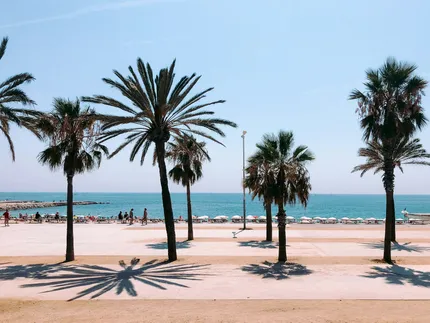
Barceloneta beach promenade and coffee
Stroll or cycle the Barceloneta beach promenade (Passeig Marítim) for sea views, the sail-shaped W Barcelona, and public art like L’Estel Ferit. Pause at beachfront cafés or chiringuitos for a café con leche or cortado. Mornings and sunset are quieter. Reachable via Barceloneta (L4). Expect crowds on weekends; keep belongings secure.
18:00
Cable car to Montjuïc
The Montjuïc Cable Car (Telefèric de Montjuïc) glides up Montjuïc Hill to the castle, offering wide views over Barcelona, the port, and the skyline. Board after the Paral·lel–Montjuïc funicular at Parc de Montjuïc station; ride to Mirador and Castell stops. Cabins are enclosed and accessible. Tickets are one-way or return; hours vary seasonally. Rides take about 10 minutes each way.
18:30
Montjuïc Castle and panoramic viewpoints
Montjuïc Castle is an 18th‑century hilltop fortress overlooking Barcelona’s port, with sweeping views of the skyline and sea. Reach it via the Montjuïc Cable Car, funicular plus bus, or on foot. Explore ramparts, exhibits on the site’s military past, and nearby viewpoints like Mirador de l’Alcalde, Miramar Gardens, and the MNAC terraces—especially at sunset.
20:00
Seafood dinner in Barceloneta
In Barceloneta, a seafood dinner means beachside restaurants and chiringuitos along Passeig de Joan de Borbó and the seafront serving grilled fish, paella, fideuà, shellfish, and octopus. Reservations are advisable at peak times. Beachfront spots cost more but offer sea views, especially at sunset. Mercado de la Barceloneta nearby supplies much of the fresh catch.
21:30
Gelato and seaside sunset stroll
Day #2
Gaudí icons, Passeig de Gràcia, Park Güell, and sunset.
08:00
Breakfast near Sagrada Família
09:00
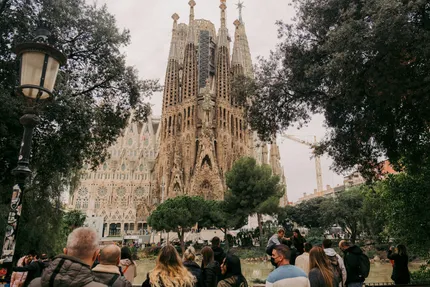
Sagrada Família interior visit
Step inside Gaudí’s Basilica of the Sagrada Família to see a soaring, forest-like nave, branching columns, and vivid stained glass that bathes the interior in shifting color. Timed entry, security checks, and audio guides are available. Visit mid-morning or late afternoon for light. Tower access is a separate ticket; modest dress is required.
10:30
Coffee break on Avinguda Gaudí
11:00
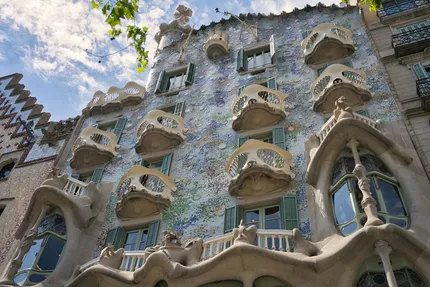
Casa Batlló immersive tour
Experience Casa Batlló with an immersive 10D tour combining audiovisual installations, interactive rooms (Gaudí Dome and Gaudí Cube), and a multilingual audio guide. Walk through the Noble Floor, catenary-arch loft, and dragon-backed rooftop while learning about Gaudí’s techniques and the house’s history. Timed entry controls crowds; the façade and interiors are UNESCO-listed modernisme landmarks.
12:30
Passeig de Gràcia modernist facades stroll
Stroll Barcelona’s Passeig de Gràcia to see outstanding Catalan modernism. Highlights include Gaudí’s Casa Batlló and La Pedrera (UNESCO), plus Casa Amatller and Casa Lleó Morera on the Block of Discord. Look for Gaudí’s hexagonal pavement tiles and Pere Falqués’s wrought-iron lamppost benches. The boulevard’s shopfronts, lobbies, and courtyards reveal rich façades and craftsmanship.
13:00
Lunch at El Nacional food hall
14:30
La Pedrera (Casa Milà) rooftop and apartments
Explore Gaudí’s Casa Milà (La Pedrera) from its rooftop terrace, where sculptural chimneys and ventilation towers crown panoramic views over Passeig de Gràcia. Inside, the attic’s Espai Gaudí exhibits models and design insights, while a restored early 20th‑century apartment recreates bourgeois life. Part of a UNESCO World Heritage ensemble, it’s a signature Modernisme landmark.
16:00
Gràcia neighborhood plazas and coffee
Explore Gràcia’s pedestrian plazas—Plaça del Sol, Plaça de la Vila de Gràcia (with its clock tower), Plaça de la Virreina, and Plaça del Diamant—where locals linger on terraces. Sip a cortado or Catalan vermut at independent cafés, people-watch, and sample pastries. Best in late afternoon. Metro: Fontana or Joanic. Weekends are lively and family-friendly.
17:30
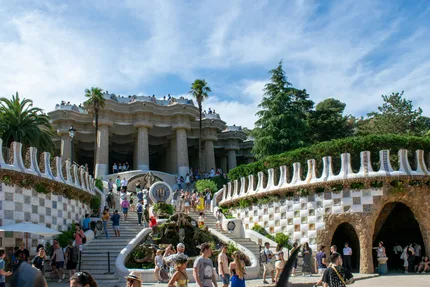
Park Güell monumental zone visit
Park Güell’s Monumental Zone is the paid, capacity-controlled core of Gaudí’s park, a UNESCO site. Highlights include the mosaic dragon on the Dragon Stairway, the Hypostyle Room’s forest of columns, and Nature Square with its serpentine bench and city views. Timed tickets are required; book in advance. Best visited early or late to avoid crowds.
19:30
Sunset at Bunkers del Carmel viewpoint
Set on Turó de la Rovira, the Bunkers del Carmel offer sweeping 360° views over Barcelona—Sagrada Família, Eixample grid, and the Mediterranean—especially striking at sunset. Remnants of Civil War anti-aircraft defenses, the site is free, with no facilities. Reachable by bus and a short uphill walk. It gets crowded; arrive early and bring water.