
2 days in Madrid
SpainDay #1
Explore historic center, royal sites, and lively plazas
08:00
Breakfast with churros and chocolate at Chocolatería San Ginés
Chocolatería San Ginés is a historic Madrid institution open since 1894, famous for serving churros with thick hot chocolate. Located near Puerta del Sol, it operates 24 hours, making it popular for breakfast, late night snacks, or after a night out. The classic order is crispy churros dipped in rich, thick Spanish chocolate. Its traditional decor and long-standing reputation make it a must visit spot for experiencing this iconic Madrid treat.
09:00
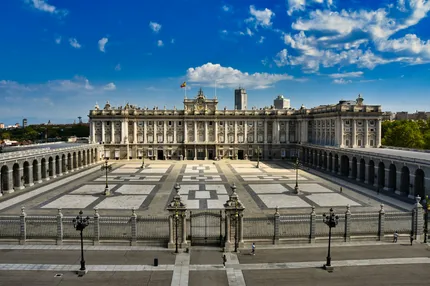
Visit the Royal Palace of Madrid
The Royal Palace of Madrid is the official residence of the Spanish Royal Family, though it is used only for state ceremonies. With over 3,400 rooms, it is one of the largest palaces in Europe. Visitors can explore lavish rooms, including the Throne Room, Royal Armoury, and Royal Pharmacy, featuring artwork, tapestries, and antique furnishings. The palace showcases centuries of Spanish history and architecture.
11:00
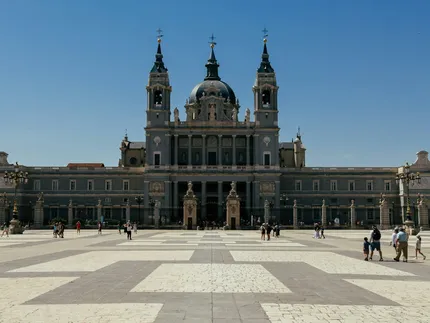
Explore Almudena Cathedral
Almudena Cathedral, completed in 1993, stands next to the Royal Palace and serves as Madrid's main Catholic cathedral. Its exterior blends Neo-Gothic and Neo-Classical styles, while the interior features a striking, colorful ceiling with contemporary designs. Visitors can explore the crypt, one of the largest in Spain, and climb the dome for panoramic views. The cathedral also houses a museum showcasing religious art and artifacts.
12:00
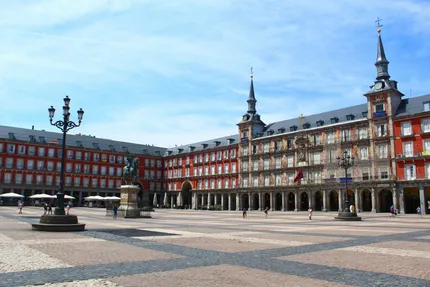
Stroll through Plaza Mayor
Plaza Mayor is Madrid's historic central square, built in the 17th century under King Philip III, whose bronze statue stands at its center. Surrounded by red facades with 237 balconies, the plaza has hosted markets, bullfights, and public events throughout history. Today it features cafes, shops, and street performers, making it a popular spot for visitors to relax, people watch, and admire the architecture.
13:00
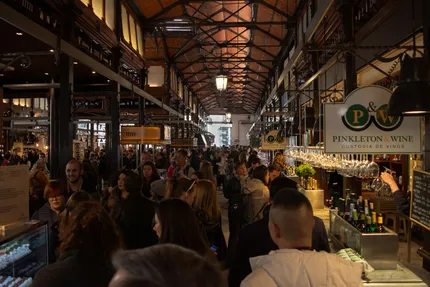
Lunch at Mercado de San Miguel
Mercado de San Miguel is a historic glass-enclosed market near Plaza Mayor, built in 1916. It offers an array of food stalls serving tapas, jamon iberico, seafood, cheeses, pastries, and wine. Rather than sit down meals, visitors graze between stands sampling small plates. It gets crowded, especially at peak hours, and prices run higher than typical tapas bars, but it provides a convenient introduction to Spanish culinary variety in one central location.
15:00
Wander Puerta del Sol and Gran Vía
Puerta del Sol is Madrid's bustling central square, home to the Kilometer Zero marker and the iconic bear and strawberry tree statue. From here, Gran Via stretches out as the city's main commercial artery, lined with early 20th century architecture, theaters, shops, and cafes. Walking this route offers a mix of history, street performers, and vibrant urban energy, ideal for people watching and photography.
17:00
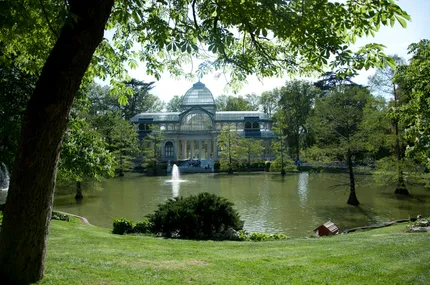
Visit Retiro Park and rent a rowboat
Retiro Park is one of Madrid's largest and most beautiful green spaces, once a royal retreat now open to the public. At its center lies an artificial lake where visitors can rent rowboats for a leisurely paddle. The park also features the Crystal Palace, monuments, gardens, and rose beds. It's a popular spot for locals to relax, jog, or enjoy weekend leisure activities.
19:00
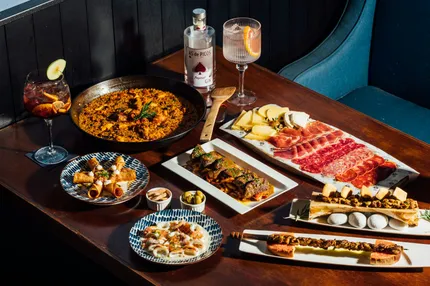
Tapas crawl in La Latina neighborhood
La Latina is Madrid's classic tapas neighborhood, known for its narrow streets lined with bars, especially around Calle Cava Baja. A tapas crawl here involves moving between multiple bars, sampling small dishes like patatas bravas, croquetas, and jamon alongside wine or beer. Sunday afternoons are particularly lively due to the nearby El Rastro flea market, making it a popular time for locals and visitors to socialize over food.
21:30
Dinner at a traditional Spanish restaurant
Enjoy an authentic Spanish dining experience at one of Madrid's traditional restaurants, many dating back generations. Sample classic dishes like cocido madrileno, roasted meats, or fresh seafood paired with regional wines. These establishments often feature historic decor, tiled interiors, and family recipes passed down through decades. Popular areas include La Latina and the city center, where tavernas serve hearty, authentic fare in a warm, unpretentious atmosphere reflecting Madrid's culinary heritage.
Day #2
Museums, art, and Madrid's vibrant neighborhoods
08:30
Breakfast at a local café
Start your day in Madrid with a traditional breakfast at a local café. Enjoy classics like toast with tomato and olive oil, churros con chocolate, or a simple coffee with a croissant. Madrid cafés offer a relaxed atmosphere to observe daily life, read a newspaper, or plan your day. Many neighborhoods have long standing cafés serving affordable, straightforward breakfasts favored by locals and workers alike.
09:30
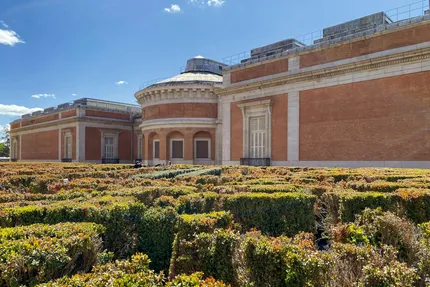
Visit the Prado Museum
The Prado Museum is Spain's premier art museum, housing one of the world's finest collections of European paintings from the 12th to early 20th century. It features masterpieces by Velazquez, including Las Meninas, Goya's works spanning his entire career, and paintings by El Greco, Titian, Rubens, and Bosch. The collection reflects centuries of Spanish royal patronage and remains essential for understanding Western art history.
12:00
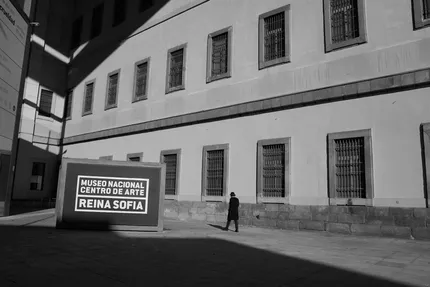
Explore Reina Sofía Museum to see Guernica
The Museo Reina Sofía is Madrid's national museum of modern and contemporary art, best known for housing Pablo Picasso's Guernica. This monumental 1937 painting depicts the horrors of the Spanish Civil War bombing of the Basque town Guernica. The museum also features works by Dalí, Miró, and other 20th century Spanish artists, spread across a former hospital building with modern extensions.
14:00
Lunch in the Salamanca district
Salamanca is one of Madrid's most upscale neighborhoods, known for luxury shopping and elegant streets. For lunch, visitors find a range of options from traditional Spanish tapas bars to refined restaurants serving Madrid classics like cocido madrileño. The area also offers gourmet markets and stylish cafes, making it a good spot to pause and refuel while exploring nearby boutiques, galleries, and the Retiro Park area.
15:30
Shopping and sightseeing in Salamanca
Salamanca is one of Madrid's most upscale neighborhoods, known for its grid layout, elegant architecture, and high end shopping along Calle Serrano and Calle Jose Ortega y Gasset. Here you'll find international luxury brands alongside Spanish designers. The area also offers pleasant streets for strolling, cafes for people watching, and a refined atmosphere that contrasts with the busier tourist zones in central Madrid.
17:00
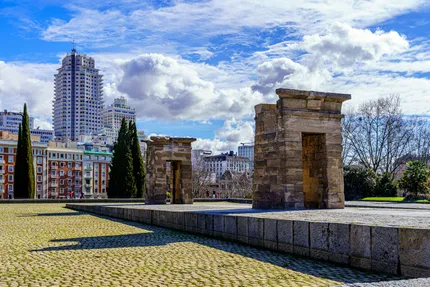
Visit Templo de Debod for city views
Templo de Debod is an ancient Egyptian temple gifted to Spain in 1968, relocated stone by stone to Madrid. Set in a park near Plaza de España, it sits beside reflecting pools that mirror the structure. The elevated location offers panoramic views over the city skyline, making it especially popular at sunset. Visitors can explore the temple's interior, which houses exhibits on its history and relocation.
19:00
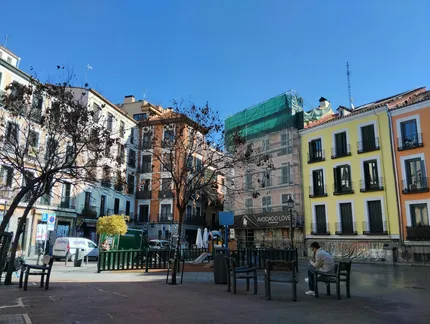
Relax at Malasaña neighborhood cafes and shops
Malasaña is Madrid's hipster hub, filled with independent cafes, vintage shops, and quirky boutiques. Spend a relaxed afternoon wandering its narrow streets, stopping at specialty coffee shops for brunch or pastries. The neighborhood retains a bohemian, countercultural spirit from Spain's 1980s Movida Madrileña movement, with colorful facades, street art, and a laid-back atmosphere perfect for browsing record stores and unique fashion finds.
20:30
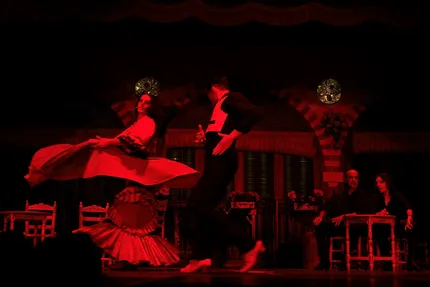
Dinner and flamenco show in Madrid
Enjoy a traditional Spanish dinner paired with a live flamenco performance in Madrid. Watch skilled dancers, guitarists, and singers showcase this passionate Andalusian art form, characterized by rhythmic clapping, intricate footwork, and emotional expression. Many venues, called tablaos, are located in the historic city center. This combination offers a cultural evening, allowing visitors to sample Spanish cuisine while experiencing an authentic performance rooted in centuries of tradition.