
City break inWashington D.C.
Washington D.C. is one of the most visited cities in the United States, serving as the nation's capital and a living monument to American history and democracy. The city is home to iconic landmarks such as the Lincoln Memorial, the Washington Monument, and the U.S. Capitol, all set along the National Mall. What makes D.C. particularly appealing is that most of its world-class attractions are free, including the Smithsonian Institution's 19 museums and galleries, which cover everything from natural history to aerospace.
Beyond the monuments, D.C. has evolved into a vibrant city with distinct neighborhoods like Georgetown, Dupont Circle, and the U Street Corridor, each offering a unique character, dining scene, and local culture. The city's Metro system makes getting around straightforward, and its compact layout means many attractions are within walking distance of each other. D.C. also has a strong food scene, influenced by its diverse population, with standout options ranging from Ethiopian cuisine along 9th Street to high-end restaurants run by nationally recognized chefs.
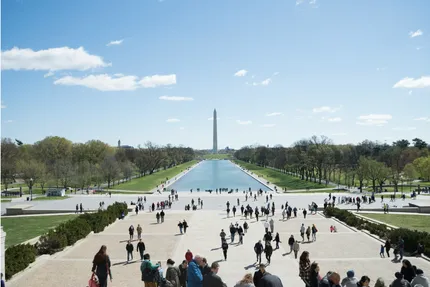
National Mall & Monuments
The National Mall is a central open park in Washington, D.C., stretching from the U.S. Capitol to the Lincoln Memorial. It connects major monuments and memorials, including the Washington Monument, World War II Memorial, Vietnam Veterans Memorial, and Martin Luther King, Jr. Memorial. Many Smithsonian museums line the Mall, offering free admission and easy walking access.
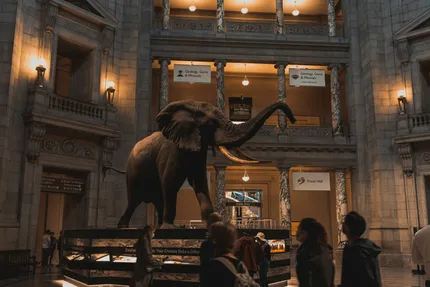
Smithsonian Museums (Air and Space, Natural History, American History)
Explore world-class, free museums along the Mall. The National Air and Space Museum features aviation and spaceflight milestones; Natural History is known for gems, fossils, and wildlife halls; American History covers culture, inventions, and national symbols. Reserve timed-entry passes when required and plan breaks—these museums are large and immersive.
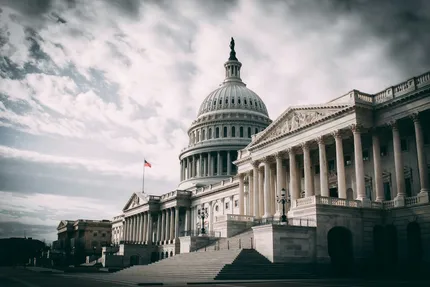
U.S. Capitol & Library of Congress
The U.S. Capitol is the seat of Congress and a major landmark on Capitol Hill. Visitors can take guided tours (often requiring advance booking) to see historic spaces and learn about the legislative process. Nearby, the Library of Congress- especially the Thomas Jefferson Building—features ornate architecture, exhibitions, and a public viewing gallery.
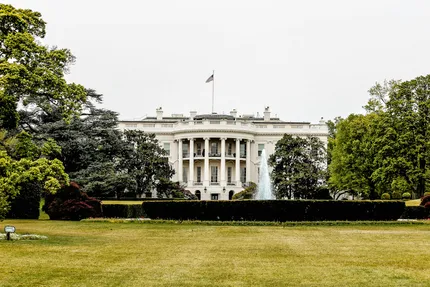
The White House & Lafayette Square (exterior views)
See the White House from designated viewpoints near Lafayette Square and the Ellipse for classic photos and context on U.S. executive power. While public tours require advance arrangements, the surrounding area offers interpretive signs, nearby monuments, and good people-watching. Combine with a stroll down Pennsylvania Avenue toward the National Mall.

Georgetown Waterfront & Historic Neighborhood
Georgetown combines a Potomac River waterfront with one of Washington’s oldest neighborhoods. Walk the Georgetown Waterfront Park and the Capital Crescent Trail, watch boats at Washington Harbour, or cross the Key Bridge for views. Inland, explore cobblestone streets, Federal-style rowhouses, and shops and restaurants along M Street and Wisconsin Avenue.
Arlington National Cemetery
Arlington National Cemetery, across the Potomac from Washington, D.C., is a U.S. military cemetery and national memorial. Visitors can walk among notable gravesites, including President John F. Kennedy’s, and attend the Changing of the Guard at the Tomb of the Unknown Soldier. The grounds include memorials and Arlington House, with views toward the National Mall.
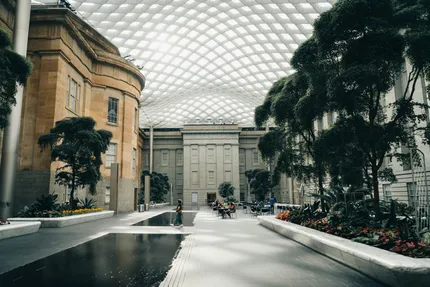
National Gallery of Art (West & East Buildings)
Visit the National Gallery of Art for an excellent, free art collection spanning Renaissance masters to modern works. The West Building is strong on European painting and sculpture; the East Building focuses on modern and contemporary art. Don’t miss the underground concourse and sculpture garden, especially pleasant in good weather.
U Street & Shaw: Music, Food, and Nightlife
Explore U Street and Shaw for a lively evening centered on music history and modern dining. The area is tied to Duke Ellington and D.C.’s jazz legacy, with venues and theaters nearby. You’ll find diverse restaurants, cocktail bars, and casual spots. It’s a good choice for nightlife beyond the Mall’s quiet atmosphere.
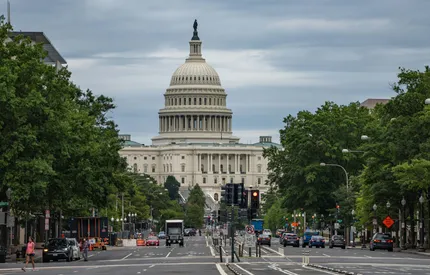
Eastern Market & Capitol Hill Stroll
Go to Eastern Market for local food, crafts, and weekend stalls, then wander Capitol Hill’s residential streets for classic D.C. architecture. The neighborhood offers a calmer, lived-in feel close to major institutions. Grab a snack, browse vendors, and continue toward Barracks Row for more restaurants. It’s ideal for a relaxed morning.
Who should visit Washington D.C.
Washington D.C. is an exceptional destination for history enthusiasts and those with a strong interest in politics and civics. The ability to visit the U.S. Capitol, the Supreme Court, the Library of Congress, and numerous presidential memorials makes it uniquely appealing to anyone wanting to understand American governance and history up close. Museum lovers will find D.C. hard to beat, with the Smithsonian's vast network of free institutions covering art, science, culture, African American history, and more, all concentrated in a walkable area. Families with school-age children benefit enormously from the educational depth of the city's attractions, many of which are interactive and engaging for younger visitors.
Architecture and photography enthusiasts will also find plenty to appreciate, from the neoclassical grandeur of the federal buildings to the modernist design of the National Gallery of Art's East Building. Solo travelers and couples looking for a culturally rich city break will feel at home navigating D.C.'s well-organized layout and safe central neighborhoods. Budget-conscious travelers particularly benefit from the city's unusually high concentration of free, high-quality attractions, making it possible to have a full and rewarding trip without significant entrance fees.

Best time to visit Washington D.C.
The best time to visit Washington D.C. is spring, particularly late March to mid-April, when the famous cherry blossoms bloom around the Tidal Basin. This period draws large crowds, so booking accommodations well in advance is essential. Fall, from September to November, is another excellent window, offering mild temperatures, fewer tourists than spring, and attractive foliage throughout the city's parks and green spaces. Summer is busy and can be very humid, while winter is quieter and more affordable, though cold temperatures can make outdoor sightseeing less comfortable.
Three top reasons for a city trip to Washington D.C.
- Explore the National Mall’s iconic monuments and memorials—Lincoln, Jefferson, MLK, Vietnam Veterans, and WWII—plus the U.S. Capitol and White House views, especially at sunrise or illuminated at night.
- Visit world-class, mostly free Smithsonian museums: Air and Space, National Museum of American History, Natural History, African American History and Culture, and the National Gallery of Art’s masterpieces.
- Experience distinct neighborhoods and local culture: Georgetown’s waterfront and cobblestones, Dupont Circle’s cafes, U Street jazz history, Eastern Market on Capitol Hill, and spring cherry blossoms around the Tidal Basin.
Washington D.C. is one of the more walkable and transit-friendly cities in the United States. The Metro system is clean, reliable, and connects most major attractions, neighborhoods, and suburbs across six color-coded lines. The city also has an extensive bus network operated by WMATA. For shorter distances, Capital Bikeshare offers a well-developed bike-sharing network, and many central streets have dedicated bike lanes. Rideshares like Uber and Lyft are widely available. Owning or renting a car is generally not recommended for visitors, as parking is expensive and limited throughout the city. Most of the major monuments, museums, and neighborhoods are accessible on foot or by Metro. The compact layout of the National Mall makes it especially easy to explore without any transportation at all. Overall, D.C. rewards visitors who rely on public transit and their own feet rather than a private vehicle.
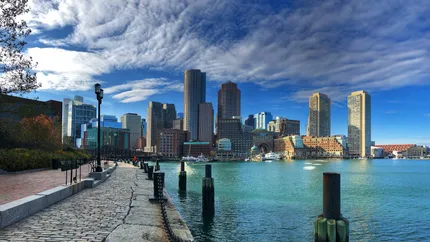
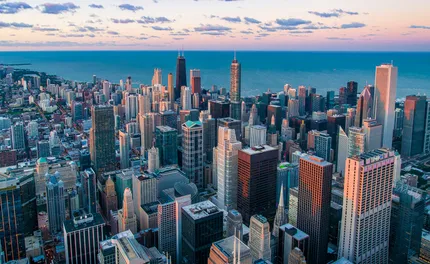
Also check out these cities
This content was created with AI assistance and may contain inaccuracies.