
City break inNew York City
New York City is one of the most iconic urban destinations in the world, spread across five boroughs and home to over eight million people. Manhattan alone offers an almost overwhelming concentration of landmarks, from the Empire State Building and Central Park to the High Line and the bustling streets of Times Square. The city's neighborhoods each carry a distinct character: the galleries and boutiques of Chelsea, the brownstones of Brooklyn Heights, the food markets of the Lower East Side, and the vibrant energy of Harlem.
World-class museums like the Metropolitan Museum of Art, MoMA, and the American Museum of Natural History sit alongside Broadway theaters and legendary jazz clubs. The food scene is exceptionally diverse, reflecting the city's long history as a destination for immigrants from every corner of the globe. Getting around is straightforward thanks to the subway system, which runs around the clock. New York rewards curious visitors who are willing to explore beyond the obvious tourist trail and simply walk through its endlessly varied streets.
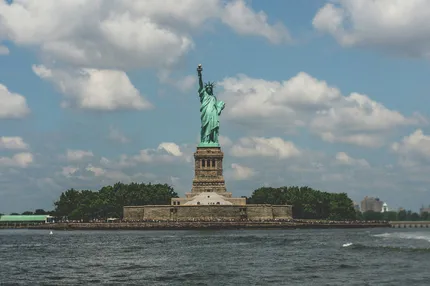
Statue of Liberty & Ellis Island
Take the ferry from Battery Park to visit the Statue of Liberty and the Ellis Island National Museum of Immigration. Reserve tickets early, especially for pedestal or crown access. The museums provide strong historical context, and the harbor views of Lower Manhattan are excellent. Plan 3–5 hours including security lines and exhibits.
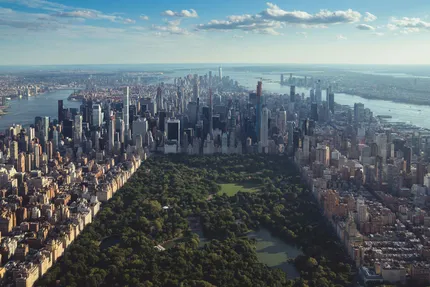
Central Park
Central Park is a large public park in Manhattan, stretching from 59th to 110th Street. It offers walking and cycling paths, lawns, wooded areas, and several lakes. Popular spots include Bethesda Terrace, Strawberry Fields, the Central Park Zoo, and the Great Lawn. The park hosts seasonal events and provides multiple entrances near subway lines.
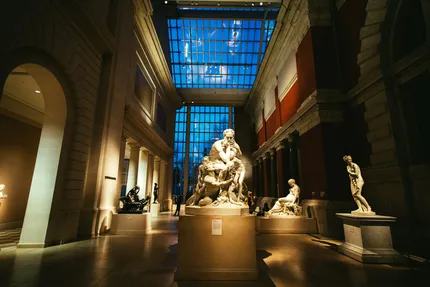
Metropolitan Museum of Art (The Met)
Visit The Met for one of the world’s broadest art collections, from ancient Egypt and classical sculpture to European masters and modern works. Don’t miss the Temple of Dendur and the rooftop garden (seasonal) for skyline views. Arrive early or late to avoid peak crowds. Allow at least 2–4 hours.
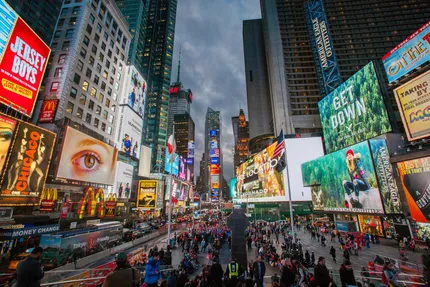
Times Square & Broadway Theater District
Walk through Times Square for its iconic billboards and constant energy, then explore the surrounding Theater District. Consider a Broadway or Off-Broadway show; same-day tickets are often available via TKTS. Go after dark for the best atmosphere, but expect crowds. Nearby, you’ll find restaurants, shops, and late-night options.
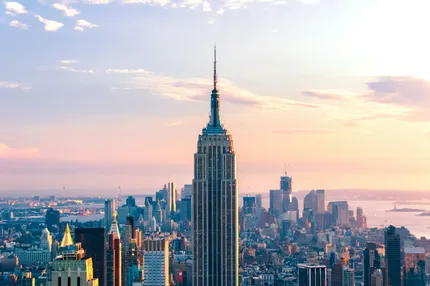
Empire State Building Observatory
Head to the Empire State Building for classic skyline views from the 86th-floor observatory, with an optional higher deck. Sunset slots sell out, so book ahead. The exhibits cover the building’s history and construction. On clear days you can see far into New Jersey and beyond. Expect security lines and timed entry.
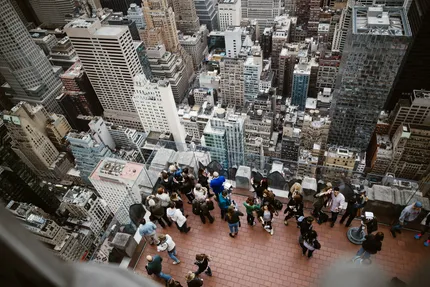
Top of the Rock (Rockefeller Center)
Visit Top of the Rock for panoramic views that include Central Park and a direct look at the Empire State Building. Timed tickets help manage crowds, and the multi-level terraces make photography easier than many observatories. Combine it with Rockefeller Center sights like Radio City Music Hall and seasonal attractions such as the ice rink.

9/11 Memorial & Museum
Spend time at the 9/11 Memorial pools and the museum beneath them, which documents the events and personal stories with powerful artifacts and multimedia. Reserve museum tickets in advance for your preferred time. The site is reflective and can be emotionally intense. Nearby, you can also see the Oculus and Lower Manhattan landmarks.
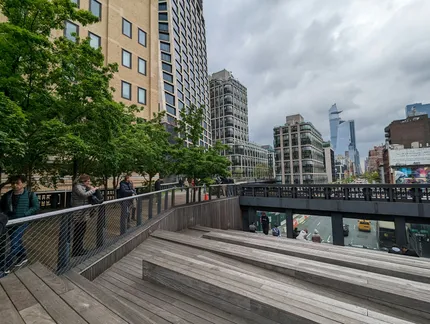
High Line & Hudson Yards
Stroll the High Line, an elevated park built on a former rail line, featuring gardens, public art, and city views. Start around Gansevoort Street in the Meatpacking District and walk north toward Hudson Yards. Stop for food at Chelsea Market nearby. At Hudson Yards, see the Vessel area and modern architecture.
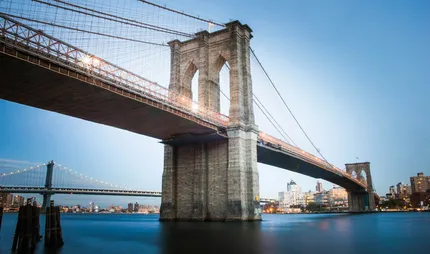
Brooklyn Bridge Walk & DUMBO
Walk the Brooklyn Bridge for sweeping views of the skyline, East River, and harbor. Go early morning for fewer crowds and better photos. After crossing, explore DUMBO for cobblestone streets, waterfront parks, and the classic Manhattan Bridge view on Washington Street. Nearby Brooklyn Bridge Park offers great picnic spots and sunset views.

The Museum of Modern Art (MoMA)
MoMA is a top stop for modern and contemporary art, with major works by artists like Van Gogh, Picasso, Warhol, and Monet. The galleries are well organized, and the design and photography collections are strong. Buy timed tickets to reduce waiting. Pair it with Midtown sights, as it’s close to Fifth Avenue and Rockefeller Center.
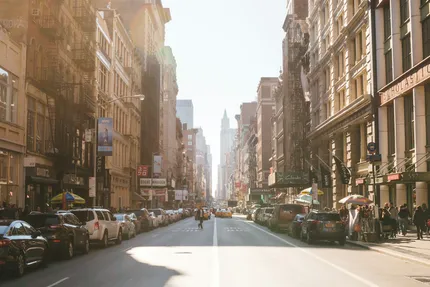
Greenwich Village & SoHo Neighborhood Walk
Explore Greenwich Village and SoHo on foot for historic streets, brownstones, small music venues, and a strong café and dining scene. Washington Square Park is a natural starting point. In SoHo, look for cast-iron architecture and galleries alongside shopping. This area is best enjoyed without a strict plan—wander, stop for food, and people-watch.
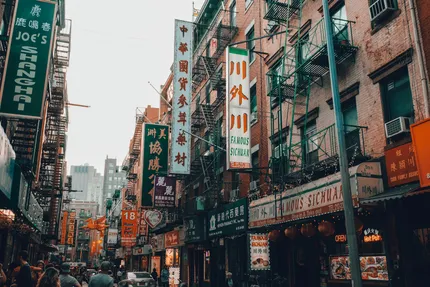
Chinatown & Little Italy Food Crawl
Do a self-guided food crawl through Chinatown and nearby Little Italy to sample dumplings, noodles, roast meats, bakeries, and classic Italian-American treats. Visit markets on Canal Street and side streets for snacks and ingredients. Go hungry and share dishes to try more. Weekends are lively and crowded; weekdays are easier for seating.
Who should visit New York City
New York City suits a wide range of travelers, but it particularly excels for certain types. Art and culture enthusiasts will find themselves overwhelmed in the best possible way, with the Met, MoMA, the Guggenheim, the Whitney, and dozens of smaller galleries all within reach. Theater lovers can catch Broadway and off-Broadway productions ranging from major musicals to experimental drama. Food-focused travelers will thrive here, with authentic cuisines from virtually every country available across the boroughs, from hand-pulled noodles in Flushing to old-school delis in Midtown and inventive tasting menus in the West Village. History buffs can explore Ellis Island, the Tenement Museum, the 9/11 Memorial, and Federal Hall. Shoppers will find everything from high-end department stores on Fifth Avenue to independent vintage shops in Williamsburg.
Architecture enthusiasts can spend days studying the city's skyline and its mix of Beaux-Arts, Art Deco, and contemporary buildings. Solo travelers generally do very well here, as the city is easy to navigate independently and there is always something happening at any hour. Families with older children can also have a strong trip, though the pace and cost require realistic planning.

Best time to visit New York City
Spring (April to early June) and fall (September to November) are the most comfortable times to visit New York City. Temperatures are mild, the parks are at their best, and the city's cultural calendar is particularly active. Summers are hot and humid, though Central Park and the waterfronts provide some relief. July and August also bring large crowds and higher hotel prices. Winters can be cold and occasionally harsh, but the holiday season in December offers festive atmosphere and iconic decorations that many visitors find worthwhile despite the chill.
Three top reasons for a city trip to New York City
- See world-famous landmarks up close: Statue of Liberty and Ellis Island ferries, Central Park’s Bethesda Terrace, Times Square at night, and the Empire State Building observatory for sweeping skyline views.
- Experience unmatched arts and culture: the Metropolitan Museum of Art, MoMA, and the American Museum of Natural History, plus Broadway shows in the Theater District and live jazz in Harlem.
- Eat through diverse neighborhoods: classic New York pizza in Manhattan, bagels and lox, Chinatown dim sum, Little Italy pastries, Queens’ global food scene, and Brooklyn’s waterfront markets and cafés.
New York City has one of the most comprehensive public transit systems in the world. The subway runs 24 hours a day, seven days a week, covering all five boroughs with 472 stations. The MTA bus network fills gaps where the subway does not reach. For shorter distances, Manhattan is highly walkable, and Citi Bike bike-sharing is a practical option in many neighborhoods. Taxis and rideshares like Uber and Lyft are widely available but can be expensive during peak hours due to traffic congestion. Driving and owning a car in the city is generally not recommended, as parking is costly and scarce, and traffic can be severe. Ferries connect parts of Brooklyn, Queens, and the Bronx to Manhattan. Overall, most visitors and residents get around comfortably without a car, relying on the subway and walking as their primary modes of transportation.
Also check out these cities

This content was created with AI assistance and may contain inaccuracies.