
City break inBoston
Boston is one of America's oldest and most historically significant cities, founded in 1630 on a peninsula in Massachusetts Bay. As the birthplace of the American Revolution, it offers an unmatched concentration of colonial-era landmarks, world-class universities, and a proud sports culture. The compact, walkable downtown makes it easy to move between neighborhoods, each with its own distinct character. Beacon Hill's gaslit cobblestone streets and Federal-style rowhouses sit just minutes from the lively waterfront and the open spaces of Boston Common.
The city blends its deep historical roots with a vibrant food scene driven largely by its student population and New England seafood traditions. Neighborhoods like the North End deliver an authentic Italian-American atmosphere with excellent restaurants and bakeries. Boston's museum landscape is formidable, anchored by the Museum of Fine Arts and the Isabella Stewart Gardner Museum. The city is also a gateway to day trips along the historic North Shore, Cape Cod, and the broader New England region, adding considerable range to any visit.
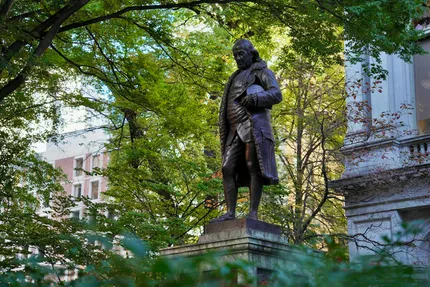
Freedom Trail
Follow the 2.5-mile red-brick Freedom Trail to connect 16 key sites from the American Revolution. It links Boston Common, the Massachusetts State House, Old South Meeting House, Old State House, and ends at the USS Constitution area. It’s the best way to orient yourself, with guided tours or self-guided stops.
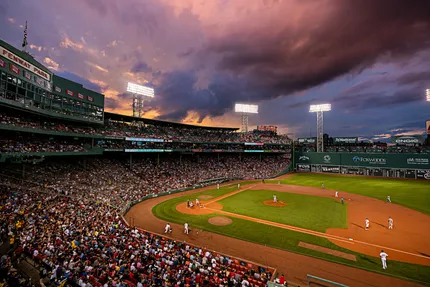
Fenway Park
Visit Fenway Park, home of the Boston Red Sox and one of baseball’s most historic stadiums. Even outside game days, tours take you through the Green Monster seats, press box, and field views while explaining the park’s quirks and traditions. The surrounding Fenway/Kenmore area also has lively bars and food.
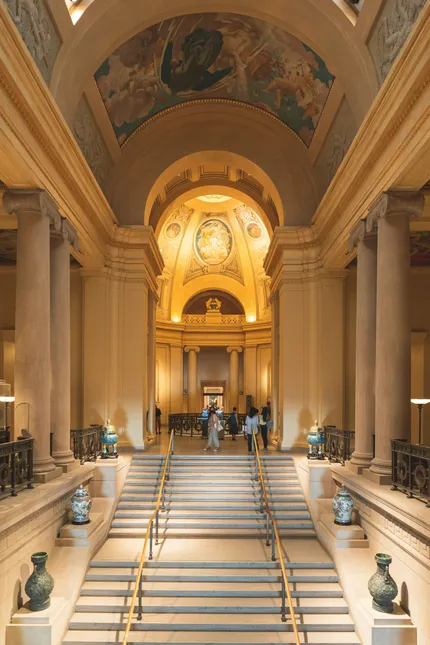
Museum of Fine Arts (MFA) Boston
Spend a few hours at the Museum of Fine Arts, one of the largest art museums in the US. The collection ranges from ancient Egypt and Asian art to Impressionists and modern works, with strong American holdings. It’s well-curated and easy to tailor to your interests, with frequent special exhibitions.
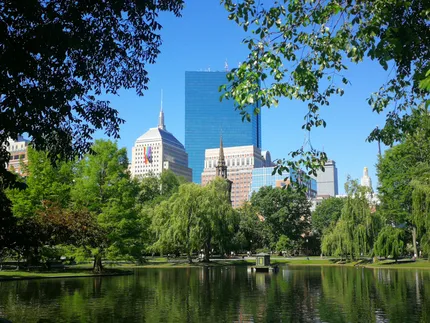
Boston Common & Public Garden
Boston Common is the oldest public park in the US, established in 1634, and sits at the heart of the city. Adjacent to it, the Public Garden became America's first botanical garden in 1837. Together they offer 74 acres of green space featuring the famous Swan Boats, the Make Way for Ducklings statue, seasonal gardens, and a winter skating rink on Frog Pond.
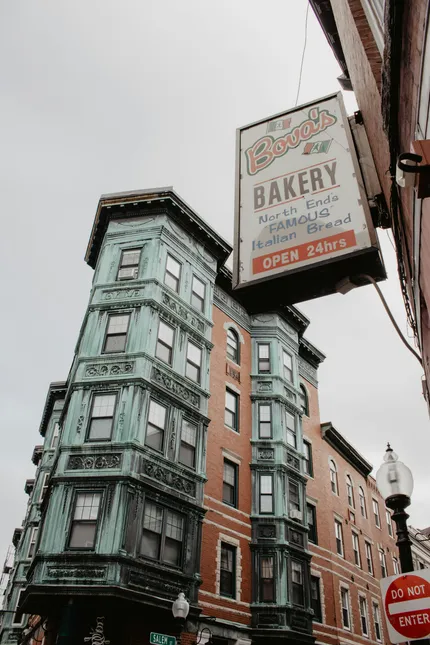
North End (Little Italy)
Boston's North End is the city's oldest residential neighborhood and its historic Italian quarter. Narrow cobblestone streets are lined with family-run trattorias, bakeries, and cafes. Mike's Pastry and Modern Pastry draw crowds for cannoli. The neighborhood is also home to Paul Revere's House and Old North Church, making it a destination that combines authentic Italian-American culture with significant Revolutionary War history.
New England Aquarium & Harborwalk
The New England Aquarium, located on Central Wharf, houses thousands of marine animals including sea turtles, penguins, and sharks in its giant ocean tank. Adjacent to it, the Harborwalk is a scenic waterfront path stretching miles along Boston Harbor, offering views of the water, public art, and access to historic sites. Together they make for a rewarding waterfront outing.
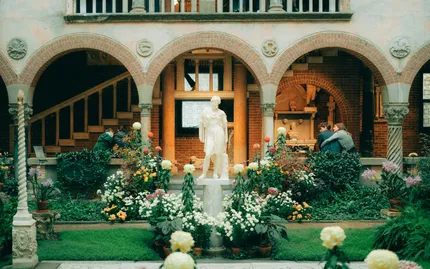
Isabella Stewart Gardner Museum
See the Isabella Stewart Gardner Museum for a distinctive experience: a Venetian-style courtyard, eclectic collections, and rooms arranged as the founder intended. It’s intimate compared with larger museums and rewards slow looking. The museum is also known for the unresolved 1990 art heist, with empty frames still displayed.
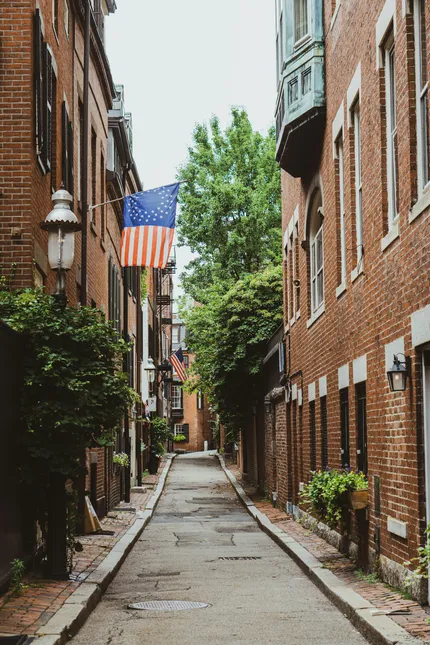
Beacon Hill & Acorn Street
Stroll Beacon Hill for classic Boston architecture, gas lamps, and brick sidewalks. Acorn Street is the most photographed spot, but the neighborhood is best enjoyed by wandering its small lanes and spotting historic row houses. Nearby Charles Street has boutiques and cafés, making it an easy, low-effort addition to a day downtown.
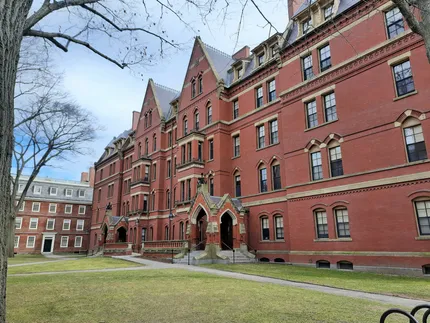
Cambridge: Harvard Square & MIT
Cross the Charles River to Cambridge for a different vibe. Harvard Square offers bookstores, cafés, and access to Harvard Yard and museums, while MIT’s campus has modern architecture and science-focused exhibits. The riverside paths provide great skyline views back toward Boston, especially around sunset or on clear days.
Who should visit Boston
Boston is an excellent destination for history enthusiasts. The Freedom Trail alone connects 16 significant Revolutionary and colonial-era sites, and the breadth of related museums, archives, and landmarks means dedicated history travelers can stay occupied for several days without repeating themselves. The city is equally well suited to food-focused travelers, particularly those with an interest in New England cuisine. Clam chowder, lobster rolls, and fresh oysters are widely available at a high standard, and the North End provides a dense concentration of Italian bakeries and restaurants within a short walk.
College towns generate lively bar and live music scenes, and Boston delivers on both, with areas like Jamaica Plain and Allston offering smaller, independent venues. Architecture and urban design enthusiasts will find Beacon Hill and the Back Bay, with its Victorian brownstones laid out along a grid of wide boulevards, particularly rewarding to explore on foot. Families with older children or teenagers who have an interest in American history will also find Boston a stimulating and educational destination. The city is less ideal for travelers primarily seeking nightlife, beach access, or outdoor adventure, as those experiences require leaving the city proper.

Best time to visit Boston
The best time to visit Boston is late spring, from May to June, or fall, from September to October. Both seasons offer mild temperatures, manageable crowds, and attractive scenery. Fall is particularly rewarding, as New England's foliage transforms the parks and surrounding countryside into vivid shades of red and orange. Summer is lively but can be humid and crowded, especially near tourist sites. Winters are cold and sometimes harsh, though the city remains fully operational and hotel rates drop considerably during this period.
Three top reasons for a city trip to Boston
- Walk the Freedom Trail through Boston’s oldest neighborhoods—Boston Common, Faneuil Hall, Paul Revere House, and Old North Church—where Revolutionary history is marked by preserved sites, plaques, and guided tours.
- Experience Boston’s waterfront and neighborhoods: stroll the Harborwalk, visit the New England Aquarium, take a whale-watching cruise from Long Wharf, and explore the North End’s Italian bakeries.
- Enjoy Boston’s world-class culture and campuses: tour the Museum of Fine Arts and Isabella Stewart Gardner Museum, catch a Symphony Hall performance, and walk Harvard Square and MIT along the Charles.
Boston is one of the most walkable cities in the United States, with a compact downtown area that is easy to navigate on foot. The Massachusetts Bay Transportation Authority (MBTA), known locally as the T, operates an extensive subway, bus, and commuter rail network that covers most of the city and surrounding suburbs. The subway has five lines that connect major neighborhoods, universities, and attractions. Cycling is also a viable option, with a growing network of bike lanes and a Bluebikes bike-share program available throughout the city. Taxis and rideshare services like Uber and Lyft are widely available. Driving in Boston can be challenging due to the complex street layout, heavy traffic, and expensive parking, so it is generally better to rely on public transit or walking whenever possible.
Also check out these cities

This content was created with AI assistance and may contain inaccuracies.