
City break inSan Francisco
San Francisco is one of the most distinctive cities in the United States, built across a series of steep hills overlooking the Pacific Ocean and San Francisco Bay. The city is compact enough to explore on foot or by cable car, with neighborhoods that each carry their own strong identity. The Mission District offers vibrant street art and some of the best Mexican food in the country. Chinatown is the oldest in North America, dense with history and activity. The Haight-Ashbury neighborhood carries the legacy of 1960s counterculture, while the Castro is known for its LGBTQ+ history and community.
The waterfront at Fisherman's Wharf draws visitors, but the quieter piers and the Ferry Building, with its excellent farmers market and food vendors, are worth prioritizing. Alcatraz Island, visible from the city, offers a fascinating tour. The Golden Gate Bridge is iconic for a reason and best experienced by walking or cycling across it. The city is also a gateway to nearby wine regions and redwood forests.
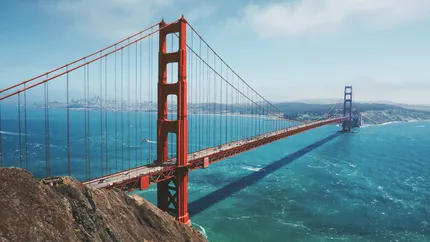
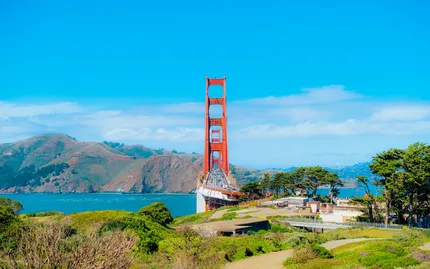
Golden Gate Bridge
The Golden Gate Bridge is a suspension bridge spanning the Golden Gate strait, connecting San Francisco to Marin County. Opened in 1937, it is a major landmark and transportation route. Visitors can walk or bike on designated paths, stop at viewpoints like Battery Spencer or Crissy Field, and learn about its history at nearby exhibits.
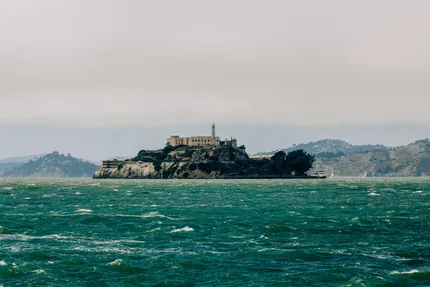
Alcatraz Island
Alcatraz Island, located in San Francisco Bay, is a former federal penitentiary that once held notorious criminals including Al Capone and Robert Stroud. Today it operates as a museum managed by the National Park Service. Visitors reach the island by ferry from Pier 33 and explore the cellhouse via a self-guided audio tour. The island also offers striking views of the San Francisco skyline and bay.
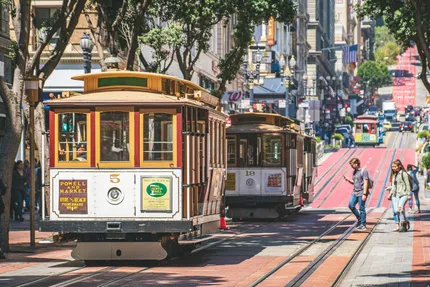
Cable Cars & Historic Streetcars
San Francisco’s cable cars are manually operated vehicles that climb steep hills using an underground moving cable. The main lines run from downtown to Nob Hill, Russian Hill, and Fisherman’s Wharf. Historic streetcars (F Market & Wharves) use restored vintage vehicles from around the world along Market Street to the Embarcadero and waterfront.
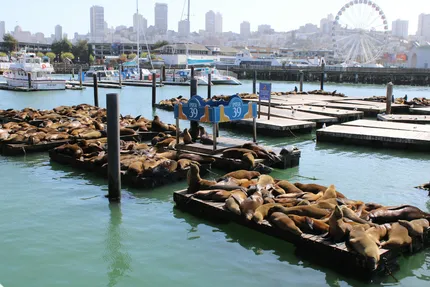
Fisherman’s Wharf & Pier 39
Fisherman’s Wharf is a busy waterfront area on San Francisco’s north shore known for seafood stands, bay cruises, and views toward Alcatraz and the Golden Gate Bridge. Nearby Pier 39 is a shopping and dining pier with attractions and frequent sea lion sightings on the docks. Both are walkable and close to cable car lines.
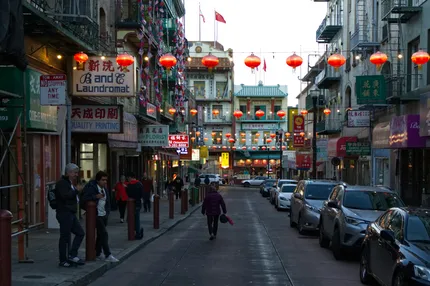
Chinatown
One of North America’s oldest Chinatowns, packed with markets, bakeries, temples, and hidden alleys. Walk Grant Avenue for lantern-lined streets, then explore Stockton Street for everyday food shopping and dim sum. Visit the Golden Gate Fortune Cookie Factory for a quick stop, and consider a guided food tour for context.
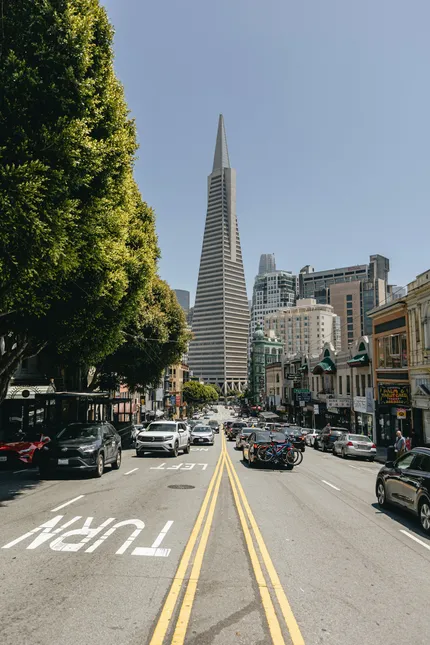
North Beach (Little Italy)
North Beach, often called San Francisco’s Little Italy, is a compact neighborhood known for Italian cafes, bakeries, and classic restaurants along Columbus Avenue and Grant Avenue. It’s also a historic center of Beat-era culture, with City Lights Booksellers and nearby literary landmarks. From Washington Square, you can walk to Coit Tower and Telegraph Hill viewpoints.
Golden Gate Park
Golden Gate Park is a large urban park in San Francisco stretching from the Haight to the Pacific Ocean. It includes museums like the de Young and California Academy of Sciences, the Japanese Tea Garden, Conservatory of Flowers, lakes, trails, and sports fields. Visitors can walk, bike, picnic, and explore gardens and cultural sites.
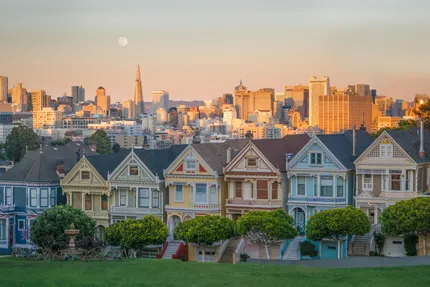
Painted Ladies & Alamo Square
Alamo Square is a small hilltop park in San Francisco known for its view of the “Painted Ladies,” a row of Victorian houses on Steiner Street. From the park, you can photograph the colorful facades with the downtown skyline behind them. The area is popular for picnics and short walks; nearby streets feature more historic homes.
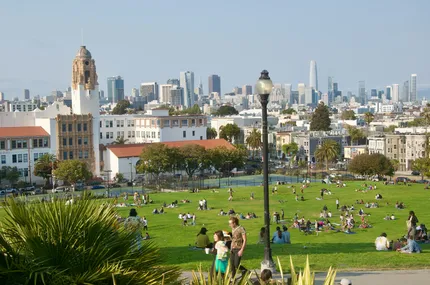
The Mission District (Murals & Food)
The Mission District is a vibrant neighborhood known for its colorful murals and Latin American culture. Clarion Alley and Balmy Alley showcase constantly evolving street art covering social and political themes. The area is equally celebrated for its food scene, offering some of San Francisco's best taquerias, pupuserias, and bakeries. Dolores Park provides a lively gathering spot at the neighborhood's heart.
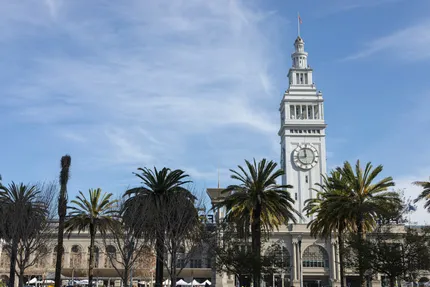
Ferry Building Marketplace
The Ferry Building Marketplace is a renovated 1898 terminal on San Francisco's Embarcadero waterfront. It houses a curated selection of local food vendors, artisan producers, restaurants, and specialty shops. The building hosts a popular farmers market on Tuesdays, Thursdays, and Saturdays, drawing locals and visitors alike. Its grand nave and bay views make it a landmark destination for food lovers exploring the city.
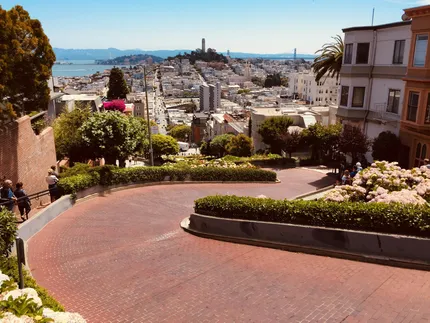
Lombard Street & Russian Hill
Lombard Street, often called the world's crookiest street, winds down Russian Hill in a series of eight sharp hairpin turns lined with colorful hydrangeas. The surrounding Russian Hill neighborhood offers panoramic views of the bay and city skyline. Visitors can walk or drive down the one-way brick-paved section, while the broader area features charming residential streets, steps, and hidden gardens worth exploring.
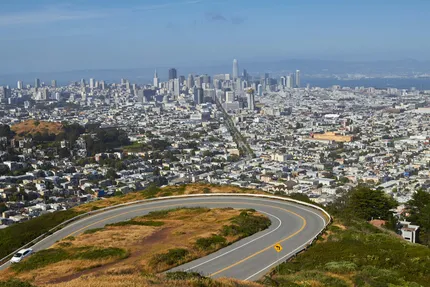
Twin Peaks Viewpoint
Twin Peaks offers one of San Francisco's most panoramic viewpoints, sitting at roughly 925 feet above sea level near the city's geographic center. Two rounded hills provide sweeping 360-degree views of the Bay Area, including the Golden Gate Bridge, Bay Bridge, downtown skyline, and surrounding neighborhoods. The site is accessible by car or on foot, and conditions can be windy and foggy, so bringing a warm layer is advisable.
Who should visit San Francisco
San Francisco suits a wide range of travelers, but it is particularly well matched for certain groups. Food lovers will find the city exceptional, with a dining scene that ranges from world-class restaurants in neighborhoods like Hayes Valley and the Richmond District to outstanding taquerias in the Mission and fresh seafood at the waterfront. The city has long been a hub for innovation in cuisine, and farmers markets and specialty food shops add to the appeal for anyone seriously interested in eating well. History and culture enthusiasts will find plenty to engage with, from the Beat Generation legacy in North Beach to the Gold Rush history at the Cable Car Museum and the Wells Fargo History Museum. LGBTQ+ travelers have historically found San Francisco, and the Castro in particular, to be one of the most welcoming destinations in the world.
Outdoor-oriented visitors who enjoy urban hiking will appreciate the city's trails through the Presidio, along the Marin Headlands, and up to Bernal Heights or Twin Peaks for panoramic views. Cyclists are well catered to as well. Solo travelers and couples tend to get the most from the city's walkable, neighborhood-by-neighborhood structure. Families with older children can manage the terrain and enjoy Alcatraz and the California Academy of Sciences.

Best time to visit San Francisco
The best time to visit San Francisco is from September to November. The famous summer fog often keeps temperatures cool and overcast from June through August, which surprises many visitors. Early autumn brings the warmest and sunniest days the city sees, with temperatures regularly reaching the mid-60s to low 70s Fahrenheit. Spring, particularly April and May, is also pleasant with mild temperatures and relatively little rain, making it another solid option before the summer fog settles in.
Three top reasons for a city trip to San Francisco
- Walk or bike across the Golden Gate Bridge from Crissy Field to the Marin Headlands, then ride a historic cable car from Powell Street to Fisherman’s Wharf for classic bay views.
- Explore distinct neighborhoods in one day: murals and taquerias in the Mission (Valencia Street), Chinatown’s Grant Avenue markets, and North Beach’s Italian cafes near Washington Square and Coit Tower.
- Take a ferry from Pier 33 to Alcatraz Island for the audio tour, then visit the Ferry Building Marketplace for local food, and finish with sunset at Lands End’s coastal trail.
San Francisco is a compact city that rewards walking, especially in neighborhoods like the Mission, Castro, and North Beach. The city's famous cable cars, while slow, offer a scenic way to tackle the steep hills. Muni operates buses, light rail, and metro lines that connect most neighborhoods reliably. BART provides rapid transit across the city and links to the East Bay and other suburbs. Cycling is feasible but challenging given the hills, though e-bikes have made it more popular. Rideshare services like Uber and Lyft are widely available and often the most practical option for reaching areas with limited transit. Driving and parking in San Francisco can be stressful and expensive, so owning a car is generally not recommended for city residents. The city is also very walkable, consistently ranking among the most pedestrian-friendly cities in the United States.
Also check out these cities
This content was created with AI assistance and may contain inaccuracies.