
City break inChicago
Chicago is one of America's most architecturally striking cities, rising dramatically from the southwestern shore of Lake Michigan. Known as the birthplace of the modern skyscraper, its downtown Loop district is an open-air museum of architectural history, from Louis Sullivan's pioneering buildings to Mies van der Rohe's glass towers and beyond. The city's cultural credentials are equally impressive, with world-class institutions like the Art Institute, the Field Museum, and the Chicago Symphony Orchestra. Beyond the museums, Chicago has a gritty, authentic energy shaped by its blues and jazz heritage, its diverse immigrant neighborhoods, and its legendary food scene.
Deep-dish pizza and Chicago-style hot dogs are just the starting point. Neighborhoods like Pilsen, Wicker Park, and Andersonville each offer distinct characters, cuisines, and communities worth exploring on foot. The city's extensive lakefront, with its parks, beaches, and cycling paths, provides a surprisingly accessible natural escape right at the urban core.
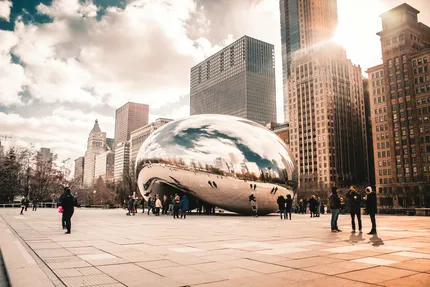
Millennium Park & Cloud Gate (The Bean)
Millennium Park is a major public park in downtown Chicago, known for architecture, art, and events. Its best-known feature is Cloud Gate (“The Bean”), a large stainless-steel sculpture by artist Anish Kapoor that reflects the skyline and visitors. The park also includes the Jay Pritzker Pavilion, Crown Fountain, and seasonal ice skating nearby.
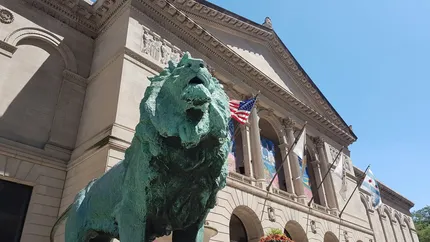
Art Institute of Chicago
The Art Institute of Chicago is a major museum in Grant Park with extensive collections spanning ancient to contemporary art. It is especially known for Impressionist and Post-Impressionist paintings, including works by Monet, Seurat, and Van Gogh, and for American art such as Grant Wood’s “American Gothic.” Highlights also include modern art, photography, and decorative arts.
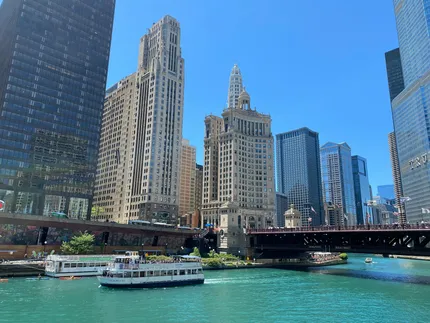
Chicago Architecture River Cruise
A river cruise is the best way to understand Chicago’s world-famous architecture, from early skyscrapers to modern icons. Guides explain the city’s rebuilding after the Great Fire, engineering innovations, and signature styles along the Chicago River. Choose daytime for details or evening for lights; book ahead in peak season.
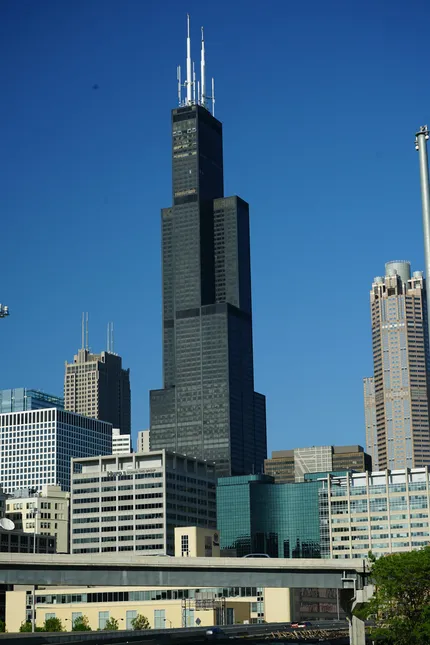
Willis Tower Skydeck & The Ledge
Willis Tower’s Skydeck is an observation deck on the 103rd floor, offering panoramic views of Chicago and Lake Michigan on clear days. The Ledge features glass boxes that extend from the building’s facade, letting visitors look straight down from high above the street. Timed entry is common, and security screening is required.
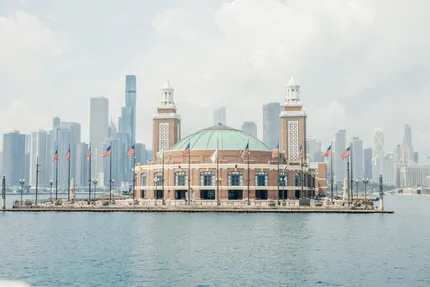
Navy Pier
Navy Pier is a 3,300-foot-long pier on Lake Michigan, one of Chicago's most visited attractions. It features a Ferris wheel, carousel, gardens, restaurants, shops, and regular fireworks displays in summer. The Chicago Children's Museum and Chicago Shakespeare Theater are also located here. Originally built in 1916, the pier underwent major renovations and serves as a hub for lakefront entertainment and boat tours.
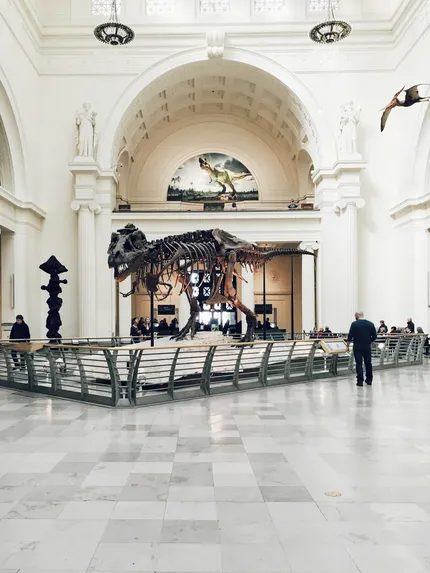
Museum Campus (Field Museum, Shedd Aquarium, Adler Planetarium)
Chicago’s Museum Campus is a lakefront park area that clusters three major institutions: the Field Museum (natural history and anthropology), Shedd Aquarium (aquatic animals and exhibits), and Adler Planetarium (astronomy exhibits and sky shows). It sits just south of Grant Park with paths, skyline views, and easy access via public transit and parking.
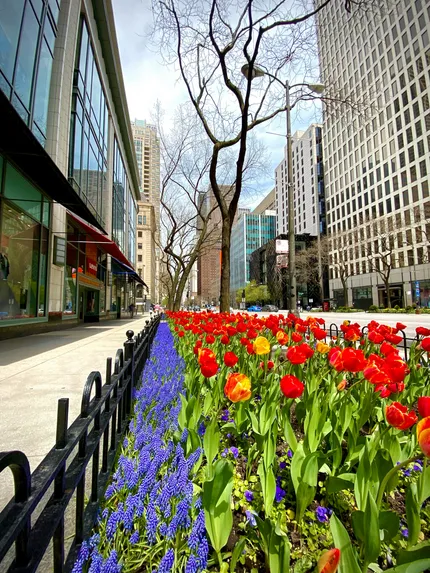
The Magnificent Mile & Michigan Avenue
Stroll Michigan Avenue for classic Chicago city energy: flagship stores, historic buildings, and easy access to landmarks like the Tribune Tower and Wrigley Building. It’s ideal for shopping, people-watching, and architecture spotting. Detour to nearby Riverwalk entrances and side streets for cafés and less crowded photo angles.
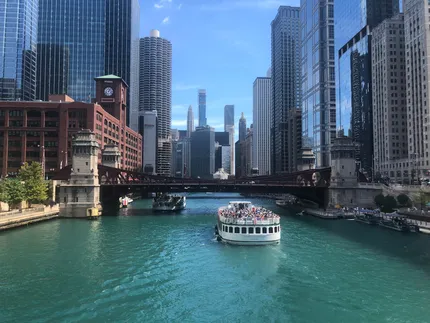
Chicago Riverwalk
The Chicago Riverwalk is a pedestrian path stretching along the south bank of the Chicago River through downtown. It features restaurants, bars, kayak rentals, and open-air seating across several distinct zones. Visitors can walk the full length from Lake Shore Drive to Lake Street, enjoying views of the city's iconic architecture. The path is especially lively in warmer months and connects to architecture boat tours.
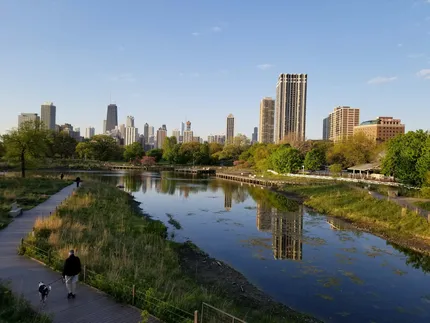
Lincoln Park & Lincoln Park Zoo
Lincoln Park is Chicago's largest public park, stretching along the lakefront on the North Side. Within it sits Lincoln Park Zoo, one of the few remaining free admission zoos in the United States. The zoo houses over 200 species and is open year-round. The surrounding park offers walking paths, the North Avenue Beach, a conservatory, and open green spaces popular with locals.
Who should visit Chicago
Chicago is an excellent destination for architecture enthusiasts above all others. The city offers more concentrated architectural significance than almost anywhere in the world, and dedicated boat and walking tours make it easy to engage seriously with that heritage. Design-minded travelers will find the built environment endlessly rewarding. Food lovers will also feel at home, as Chicago punches well above its weight with a dining scene that spans Michelin-starred tasting menus in the West Loop to exceptional Mexican food in Pilsen and Bridgeport, Vietnamese in Uptown, and Polish in Avondale. The city genuinely rewards neighborhood exploration. Blues and jazz fans should make time for the South Side, where the Chicago blues tradition is still very much alive in dedicated clubs and bars.
Sports fans will find Chicago a natural fit, with the Cubs at Wrigley Field providing one of the most atmospheric ballpark experiences in American baseball. Museum-goers will find several days easily filled between the Art Institute, the Field Museum, the Museum of Science and Industry, and the Shedd Aquarium. Chicago is less suited to travelers seeking beach relaxation or outdoor wilderness, but for urban culture, food, and history it consistently delivers at the highest level.

Best time to visit Chicago
The best time to visit Chicago is late spring through early fall, roughly May to September. Summers are lively, with festivals nearly every weekend, outdoor dining, and active lakefront beaches. June and September offer pleasant temperatures without the peak July and August heat and humidity. Chicago winters are genuinely brutal, with bitter wind chills and heavy snowfall, making outdoor exploration uncomfortable. Spring and fall are transitional but can bring unpredictable weather, so layering is essential.
Three top reasons for a city trip to Chicago
- See iconic architecture up close: take the Chicago Architecture Center River Cruise past Willis Tower, Wrigley Building, and Marina City, then explore Millennium Park’s Cloud Gate and the Pritzker Pavilion.
- Experience world-class museums and culture: spend a day at the Art Institute of Chicago, visit the Museum of Science and Industry in Hyde Park, and catch blues or jazz in clubs.
- Enjoy lakefront neighborhoods and food: bike the Lakefront Trail from Navy Pier to Lincoln Park, relax on Oak Street Beach, and try deep-dish pizza plus Chicago-style hot dogs.
Chicago is a well-connected city with a strong public transit network. The Chicago Transit Authority (CTA) operates the iconic 'L' elevated train system, which covers most major neighborhoods and runs 24 hours a day on some lines. Buses complement the rail network effectively. The city is also reasonably walkable, especially in neighborhoods like the Loop, Lincoln Park, and Wicker Park. Cycling is a solid option, with an extensive network of bike lanes and the Divvy bike-share program available across the city. Taxis and rideshares like Uber and Lyft are widely available. A car is not necessary for most visitors, though it can be useful for exploring areas farther from the city center. Parking can be expensive and difficult in downtown areas.
Also check out these cities

This content was created with AI assistance and may contain inaccuracies.