
3 days in Chicago
United StatesDay #1
Downtown highlights, architecture, and riverfront evening
08:00
Breakfast at Wildberry Pancakes & Cafe (Millennium Park)
09:00
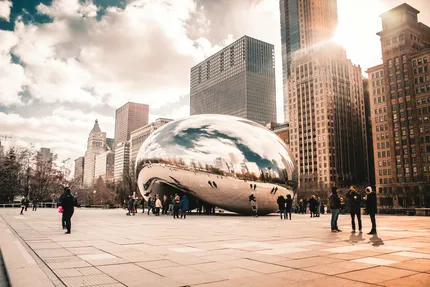
Stroll Millennium Park: Cloud Gate, Crown Fountain, Lurie Garden
Millennium Park is a central Chicago park known for major public art and landscape design. Cloud Gate (“The Bean”) is Anish Kapoor’s reflective sculpture that draws crowds for photos and skyline reflections. Crown Fountain features two glass towers with rotating video portraits and seasonal water displays. Lurie Garden is a landscaped garden with native plantings and walking paths.
10:30
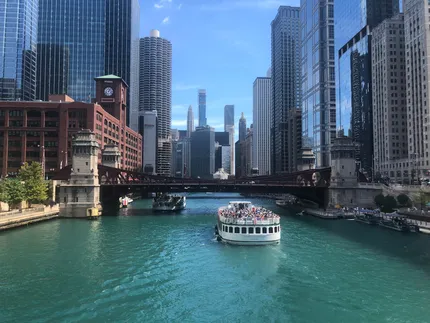
Walk the Chicago Riverwalk (coffee stop along the way)
The Chicago Riverwalk is a pedestrian path along the south bank of the Chicago River in downtown, running from Lake Shore Drive to Lake Street. It passes major architecture and bridges and connects to parks, docks, and seating areas. For a coffee stop, you’ll find cafés and seasonal vendors along the Riverwalk and nearby streets.
12:00
Lunch at Revival Food Hall (quick local bites)
13:30
Chicago Architecture Center + River Architecture Cruise
The Chicago Architecture Center offers exhibits and city models that explain Chicago’s architectural history and major styles. Pair it with the Chicago River Architecture Cruise, a docent-led boat tour highlighting notable buildings along the river and how engineering, planning, and design shaped the skyline. Cruises are seasonal and weather-dependent; advance tickets are recommended.
16:00
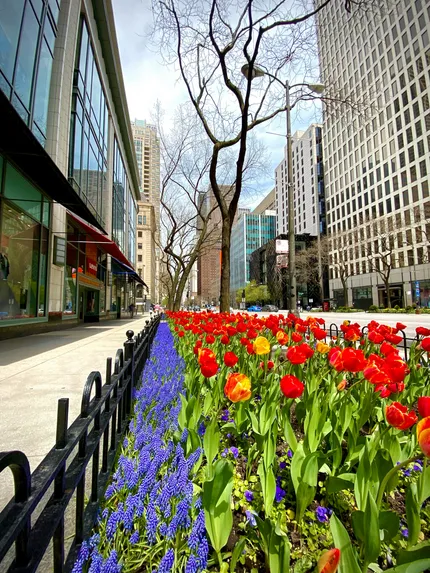
Explore the Magnificent Mile and pop into the Tribune Tower area
Chicago’s Magnificent Mile is a stretch of North Michigan Avenue known for major retailers, hotels, and landmarks, running from the Chicago River to Oak Street. Near its southern end, the Tribune Tower area sits by the river and Wrigley Building, close to the Chicago Riverwalk. It’s a convenient spot for architecture viewing, shopping, and walking.
18:00
Deep-dish dinner at Lou Malnati’s (River North)
Lou Malnati’s in River North is a well-known Chicago pizzeria for deep-dish pizza, featuring a buttery crust, chunky tomato sauce, and generous cheese. The River North location is convenient for downtown dining and typically offers dine-in and takeout. Expect a filling meal and potential waits at peak hours; reservations may be limited.
20:00
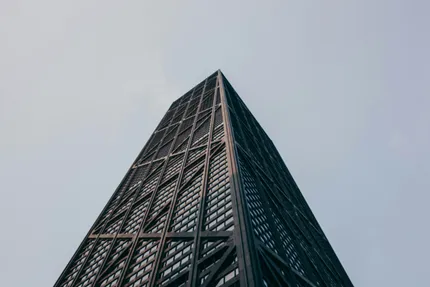
Sunset views from 360 CHICAGO (John Hancock Center)
360 CHICAGO is an observation deck on the 94th floor of the former John Hancock Center (875 N Michigan Ave). At sunset, it offers wide views over Lake Michigan, the Magnificent Mile, and the city skyline through floor-to-ceiling windows. Timed-entry tickets are recommended for peak hours; arrive early to secure a good viewing spot.
21:30
Evening cocktail or dessert in River North
Day #2
Museum Campus, lakefront, and classic Chicago nightlife
08:30
Breakfast at Yolk (South Loop)
09:30
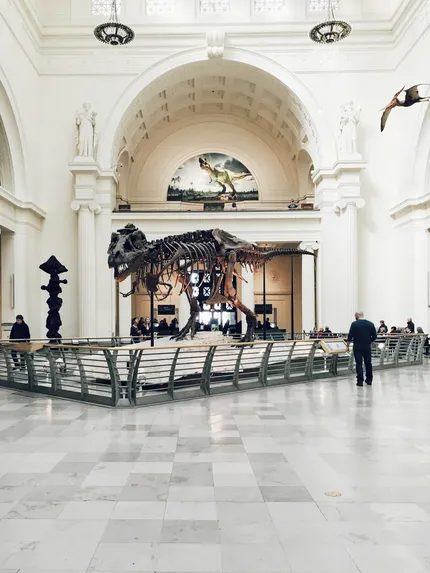
Field Museum highlights (Sue the T. rex, Ancient Egypt)
Chicago’s Field Museum is known for “SUE,” one of the largest and most complete Tyrannosaurus rex fossils, displayed with extensive dinosaur exhibits. The Ancient Egypt galleries feature mummies, coffins, and artifacts that explain daily life, religion, and burial practices. Allow a few hours; timed tickets may apply for special exhibitions.
12:30
Lunch at Cafecito (Cuban sandwiches) or museum cafe
13:30
Shedd Aquarium (main galleries + aquatic shows if available)
Shedd Aquarium on Chicago’s Museum Campus features major galleries such as Waters of the World, Amazon Rising, Wild Reef, and the Abbott Oceanarium, showcasing freshwater and marine habitats. Daily schedules often include animal presentations and aquatic shows (availability varies by season and staffing). Timed entry and add-on experiences may be required; check the official schedule before visiting.
15:30
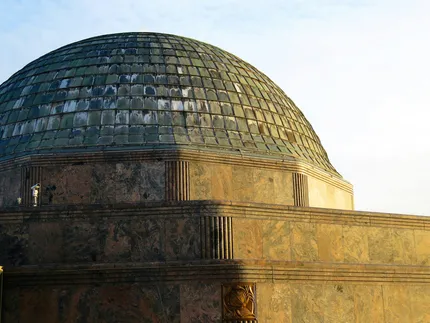
Walk the Lakefront Trail to Adler Planetarium viewpoint
Walk Chicago’s Lakefront Trail south from downtown toward Museum Campus to reach the Adler Planetarium peninsula. The paved, multi-use path runs along Lake Michigan with skyline views and passes parks and beaches. The viewpoint near Adler is a popular spot for photos of the city across the water, especially at sunrise or sunset.
17:00
Relax at Grant Park or Buckingham Fountain
Grant Park is a large lakefront park in downtown Chicago, often called the city’s “front yard.” It offers open lawns, walking paths, gardens, and views of Lake Michigan and the skyline. Buckingham Fountain, located in the park, is a major landmark known for its large central jet and seasonal water displays.
18:30
Dinner in the West Loop (Randolph Street Restaurant Row)
Chicago’s West Loop, especially Randolph Street’s “Restaurant Row,” is a major dining area known for chef-driven restaurants, cocktail bars, and lively evening crowds. You’ll find a range of cuisines from upscale tasting menus to casual spots, often with reservations recommended on weekends. The area is walkable and close to public transit and rideshares.
20:30
Live comedy at The Second City or a jazz set at Green Mill
In Chicago, The Second City is a long-running comedy theater known for sketch and improv shows, with multiple stages and frequent performances. The Green Mill Cocktail Lounge in Uptown is a historic jazz club that hosts live jazz sets in an intimate setting. Check schedules and ticketing in advance, as popular shows can sell out.
22:30
Late-night stroll and snacks back downtown
Day #3
Neighborhoods, parks, and skyline finale
08:30
Breakfast at Kasama (Filipino-inspired cafe, Wicker Park area)
10:00
Explore Wicker Park & Bucktown: shops, murals, and coffee
Wicker Park and Bucktown are adjacent Chicago neighborhoods known for independent boutiques, vintage stores, record shops, and a strong café scene. Walk Milwaukee Avenue and nearby side streets to spot street art and murals, then stop at local coffee roasters and bakeries. The area is easy to reach via the CTA Blue Line (Damen stop).
11:30
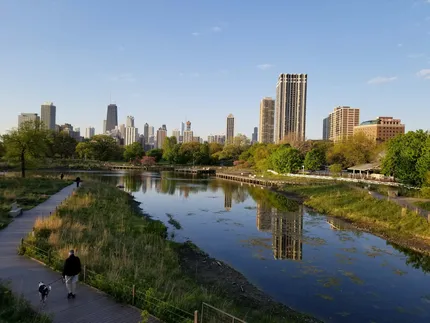
Head to Lincoln Park; visit the Lincoln Park Conservatory
Lincoln Park is Chicago’s large lakefront park with walking paths, gardens, and views of Lake Michigan. The Lincoln Park Conservatory, near the park’s south end, is a historic glass greenhouse featuring indoor plant displays, including tropical and desert rooms, plus seasonal flower shows. Admission is typically free, though hours vary by season.
12:30
Lunch at Chicago Pizza and Oven Grinder (Lincoln Park)
14:00
Lincoln Park Zoo (free) + walk around the lagoons
Lincoln Park Zoo is a free, year-round zoo in Chicago’s Lincoln Park, featuring a range of animal exhibits and gardens. After visiting, walk the nearby Lincoln Park lagoons and paths for skyline views, birdwatching, and a quieter break from the city. The area is easy to explore on foot and connects to the lakefront.
16:00
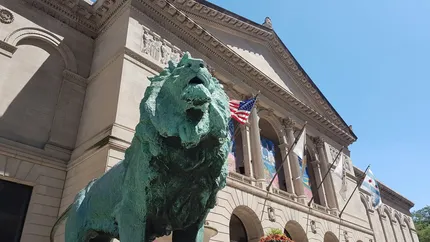
Optional: Art Institute of Chicago (2–3 hour highlights visit)
The Art Institute of Chicago is a major museum near Millennium Park. A 2–3 hour highlights visit typically focuses on key collections: Impressionist and Post‑Impressionist paintings (including works by Monet, Renoir, and Seurat), American art, and modern galleries. Don’t miss the iconic lions at the entrance and the museum’s central atrium.
19:00
Dinner in Chinatown (dim sum or hot pot)
Chicago’s Chinatown, centered around Wentworth Avenue and the Chinatown Square area, is a popular place for dinner. Many restaurants serve dim sum (often as daytime service, with some offering it at dinner) and Cantonese-style seafood, while others focus on hot pot with customizable broths and ingredients. Expect busy weekends; reservations can help for larger groups.
21:00
Night skyline views from Ping Tom Memorial Park or the Riverwalk
Ping Tom Memorial Park in Chinatown offers skyline views across the South Branch of the Chicago River, with paths and a riverfront promenade that can be especially striking after dark. The Chicago Riverwalk downtown provides close-up views of illuminated towers along the main river, with multiple access points and seating areas for nighttime viewing.