
3 days in Boston
United StatesDay #1
Freedom Trail highlights and classic Boston neighborhoods
08:00
Breakfast in Beacon Hill (café + coffee)
09:00
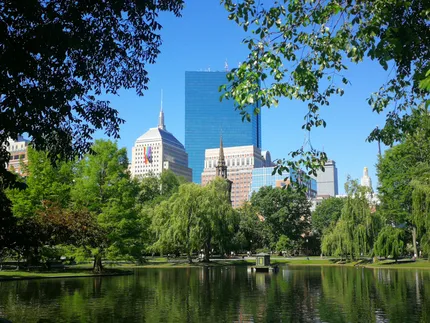
Boston Common & Public Garden stroll
A stroll through Boston Common and the adjacent Public Garden offers an easy introduction to the city’s historic core and green spaces. Boston Common is the oldest public park in the U.S., while the Public Garden is known for its formal plantings, lagoon, and Swan Boats (seasonal). Paths connect to Beacon Hill and downtown sights.
10:00
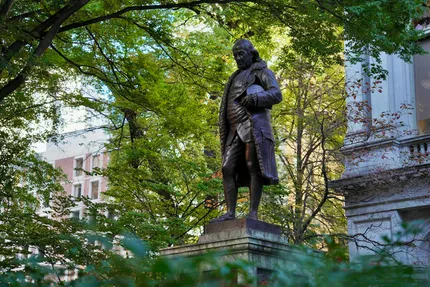
Start the Freedom Trail at the Massachusetts State House
Begin the Freedom Trail at the Massachusetts State House on Beacon Hill, marked by its gold dome. From the adjacent Boston Common, follow the red-brick line that guides you to key Revolutionary-era sites across downtown. The State House itself offers limited public access and occasional tours; check hours and security requirements before entering.
11:00
Granary Burying Ground & King’s Chapel
Granary Burying Ground is a historic cemetery on Boston’s Freedom Trail, known for graves of notable Revolutionary-era figures such as Samuel Adams, Paul Revere, and John Hancock. Nearby, King’s Chapel is an 18th-century Anglican church with a distinctive stone exterior and an adjacent burial ground. Both sites offer concise context on colonial Boston.
12:30
Lunch at Faneuil Hall/Quincy Market
Faneuil Hall and the adjacent Quincy Market are a central Boston stop for casual lunch. Quincy Market’s food hall features many quick-service counters, including New England staples like clam chowder and lobster rolls, plus international options. Seating is mostly communal and can be crowded at peak times. It’s walkable from the Freedom Trail and nearby waterfront areas.
13:30
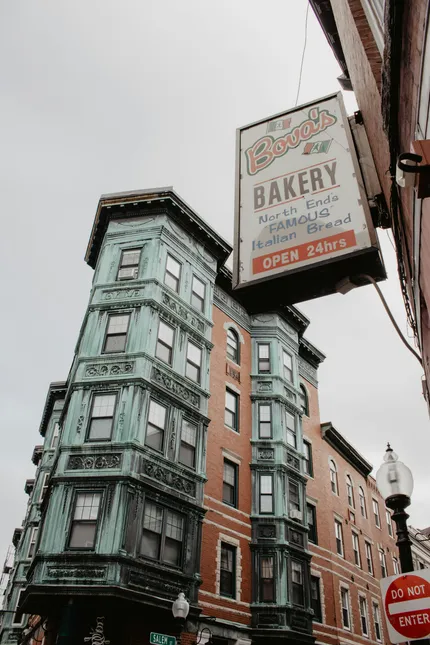
Explore the North End (Paul Revere House area)
Boston’s North End is a compact historic neighborhood known for its Italian-American heritage and Revolutionary-era sites. Around the Paul Revere House (built c. 1680), you can walk narrow streets, see nearby Old North Church, and follow the Freedom Trail. The area is also popular for bakeries, cafés, and traditional Italian restaurants.
14:30
Old North Church visit
Visit Boston’s Old North Church (Christ Church in the City of Boston), a landmark of the Freedom Trail in the North End. Built in 1723, it is known for the “one if by land, two if by sea” signal associated with Paul Revere’s 1775 ride. Tours typically cover the sanctuary, crypt, and surrounding historic neighborhood.
15:30
Walk the Charlestown Navy Yard
Walking the Charlestown Navy Yard in Boston explores a historic U.S. naval shipbuilding site within Boston National Historical Park. Paths run along the waterfront past former dry docks, ropewalk-era buildings, and interpretive exhibits. Highlights include views of the harbor and access to the USS Constitution area and museum, with ranger programs offered seasonally.
16:00
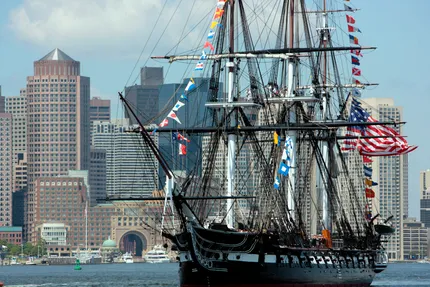
Tour the USS Constitution (if open)
Tour the USS Constitution at the Charlestown Navy Yard in Boston, a historic U.S. Navy frigate launched in 1797 and known as “Old Ironsides.” When open, visitors can explore parts of the ship and learn about early American naval history. Check current hours and access rules in advance, as entry procedures and availability can vary.
17:30
Return via harbor/river walk and relax
19:00
Dinner in the North End (Italian)
Boston’s North End is the city’s historic Italian-American neighborhood, known for compact streets lined with trattorias, pizzerias, and pastry shops. A typical dinner features red-sauce classics, fresh pasta, seafood, and espresso, often in small, busy dining rooms. Reservations help on weekends. Afterward, many visitors stop for cannoli or gelato on Hanover Street.
20:30
Dessert stop (cannoli/gelato) and evening walk
Day #2
Museums, Back Bay, and Charles River views
08:00
Breakfast in Back Bay (Newbury Street café)
09:00
Walk Newbury Street & Copley Square
Newbury Street is a well-known Back Bay shopping and dining corridor, lined with historic brownstones and a mix of boutiques, galleries, and cafes. Nearby Copley Square is a central public space anchored by the Boston Public Library and Trinity Church, and it connects to the Prudential Center and the Back Bay’s main pedestrian routes.
09:30
Visit Boston Public Library (courtyard + murals)
Visit the Boston Public Library’s McKim Building in Copley Square to see its Italian Renaissance–style courtyard and notable interior art. The open-air courtyard is a quiet spot framed by arched walkways and a central fountain. Inside, look for John Singer Sargent’s mural cycle “The Triumph of Religion” and Edwin Austin Abbey’s “Holy Grail” murals.
10:30
Trinity Church exterior and square exploration
Explore the exterior of Trinity Church in Boston’s Copley Square, a major example of Richardsonian Romanesque architecture. Walk around the building to view its stonework, arches, and tower, then spend time in Copley Square, a central public space bordered by the Boston Public Library and nearby shops. The area is easy to reach by transit.
11:30
Head to the Museum of Fine Arts (MFA)
12:00
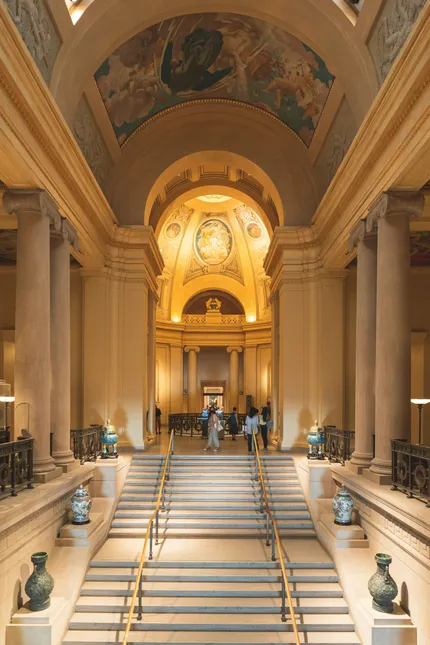
MFA galleries (highlights + special exhibits)
Boston’s Museum of Fine Arts (MFA) spans major collections including Art of the Americas, European painting, ancient Egypt and Nubia, Asian art, and contemporary works. Highlights include the Art of the Americas Wing and rotating installations in the Linde Family Wing for Contemporary Art. Special exhibitions change regularly; check the MFA calendar for current ticketed shows and gallery updates.
13:30
Lunch near Fenway/Kenmore
Fenway/Kenmore offers many lunch options near Fenway Park and Kenmore Square. You’ll find casual pubs, sandwich and salad spots, and quick counter-service restaurants along Brookline Avenue, Boylston Street, and Commonwealth Avenue. The area is walkable from the Green Line (Kenmore, Fenway) and is busiest on Red Sox game days.
14:30
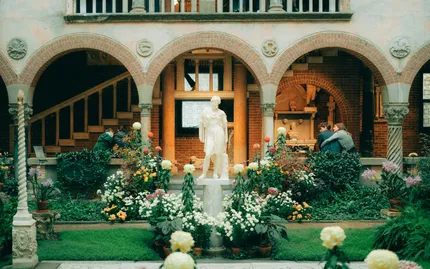
Isabella Stewart Gardner Museum visit
The Isabella Stewart Gardner Museum in Boston is an art museum designed around a Venetian-style courtyard, created by collector Isabella Stewart Gardner. It features European, Asian, and American works, decorative arts, and period rooms. Visitors can explore the historic building and special exhibitions. The museum is also known for the unresolved 1990 art theft.
16:00
Stroll the Emerald Necklace (Fens area)
Strolling the Emerald Necklace in Boston’s Fens area follows a connected chain of parks designed by Frederick Law Olmsted. The Back Bay Fens features paths around wetlands, bridges, and views of the Muddy River, linking toward the Riverway and Jamaica Pond. It’s popular for walking, jogging, birdwatching, and seasonal foliage near nearby museums and universities.
17:00
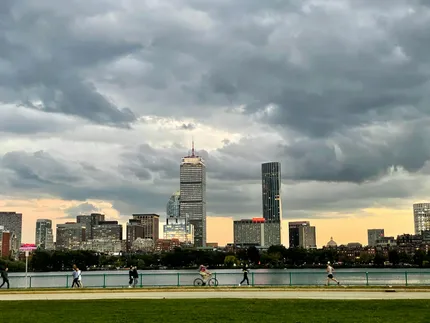
Charles River Esplanade walk (sunset timing)
The Charles River Esplanade is a riverside park along the Boston side of the Charles, popular for walking and skyline views. For sunset, arrive 30–45 minutes before the posted sunset time to catch golden light and stay 15–30 minutes after for dusk. Good access points include the Hatch Shell and the Longfellow Bridge area.
18:30
Dinner in Back Bay or Fenway
Back Bay and Fenway are convenient Boston neighborhoods for dinner, with options ranging from casual pubs and pizza to seafood, steakhouses, and contemporary American spots. Back Bay clusters around Newbury Street and Boylston Street, while Fenway dining is near Kenmore Square and the ballpark. Reservations are recommended on weekends and game nights.
20:00
Evening option: Fenway Park tour/game or live music
Day #3
Harbor, tea history, and Cambridge classics
08:00
Breakfast in the Seaport (bakery + coffee)
09:00
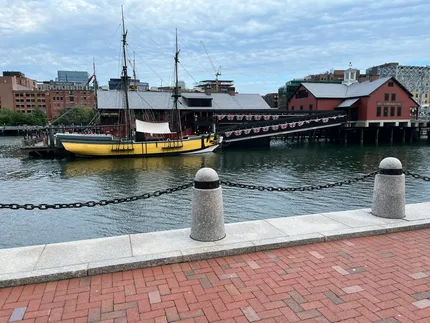
Boston Tea Party Ships & Museum experience
The Boston Tea Party Ships & Museum is an interactive history attraction on Boston’s Fort Point Channel. Visitors explore exhibits about the 1773 protest, board replica ships, and see reenactments and multimedia presentations. The museum includes a tea room and a collection of related artifacts, including a restored tea chest, with guided and self-paced elements.
10:30
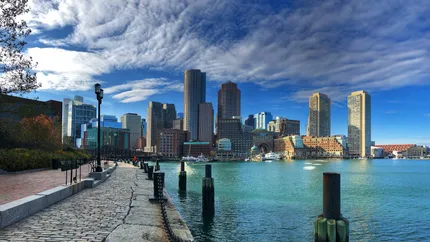
Seaport Harborwalk stroll (views + photo stops)
Boston’s Seaport Harborwalk is a public waterfront path along Boston Harbor, connecting parks, piers, and viewpoints. A stroll here offers skyline and harbor views, passing spots like Fan Pier, the Institute of Contemporary Art’s waterfront area, and Harbor Way. It’s well suited for photo stops, especially around sunset and near the bridges and docks.
11:30
New England Aquarium visit
The New England Aquarium on Boston’s Central Wharf features a large ocean tank with a spiral walkway, penguin exhibits, and galleries focused on marine life and conservation. It’s walkable from the Harborwalk and close to Faneuil Hall. Timed tickets are often used, and the IMAX theater may offer additional films depending on schedule.
13:00
Lunch on the waterfront (seafood)
14:00
Cross to Cambridge (MBTA or walk) and explore Harvard Square
From Boston, reach Cambridge via the MBTA Red Line to Harvard station or by walking across the Charles River (e.g., via the Harvard or Longfellow bridges). Harvard Square is a busy area around Harvard University with bookstores, cafes, street performers, and access to Harvard Yard. It’s a convenient base for campus walks and nearby museums.
15:00
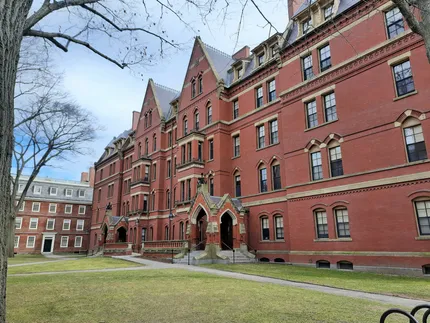
Harvard Yard walk + campus highlights
A Harvard Yard walk in nearby Cambridge offers a self-guided look at Harvard University’s historic core. Stroll through the central green, view landmark buildings like University Hall and Massachusetts Hall, and stop by Memorial Church. Nearby campus highlights include Harvard Square, the Harvard Art Museums, and the Harvard Museum of Natural History, all accessible on foot.
16:00
Harvard Museums or bookshop browsing (choose one)
Browse Harvard Book Store in Cambridge, just across the Charles River from Boston. It’s an independent bookstore known for a deep selection of academic titles, literature, and local-interest books, plus a used-book annex nearby. Check the events calendar for author talks and readings. It’s easy to pair with a walk around Harvard Square and nearby cafés.
17:30
Walk along the Charles River in Cambridge
Walking along the Charles River in Cambridge offers paved paths with views of the Boston skyline, bridges, and rowing activity. Popular stretches include the Charles River Esplanade across the river and the Cambridge-side paths near Harvard and MIT. It’s an easy, scenic route for walking or jogging, especially around sunset.
19:00
Dinner in Cambridge (Harvard Square/Central Square)
20:30
Evening option: comedy, jazz, or a cozy pub
In Boston, evening options include stand-up comedy at venues like Laugh Boston in the Seaport or the Comedy Studio (often in the Cambridge area). For jazz, clubs such as Wally’s Cafe Jazz Club and Scullers Jazz Club host live sets. For a cozy pub atmosphere, neighborhoods like Beacon Hill and Back Bay have classic, low-key bars.