
3 days in Washington D.C.
United StatesDay #1
National Mall monuments and Smithsonian highlights
08:00
Breakfast near the National Mall (Penn Quarter)
09:00
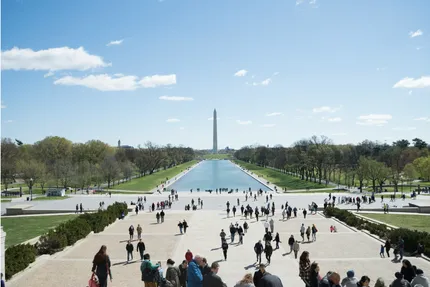
Walk the National Mall: Washington Monument grounds
Walking the National Mall around the Washington Monument grounds offers a central, open-air route between major D.C. landmarks. The monument sits on a large lawn with paved paths, flag displays, and views toward the Lincoln Memorial and U.S. Capitol. It’s easy to combine with nearby museums and memorials, and the area is popular for photos and picnics.
10:00
Visit the WWII Memorial and Reflecting Pool
In Washington, D.C., the World War II Memorial sits on the National Mall between the Lincoln Memorial and the Washington Monument. It honors Americans who served in WWII, with a central fountain, 56 pillars representing states and territories, and Atlantic and Pacific arches. The nearby Reflecting Pool stretches toward the Lincoln Memorial and is a popular walking route.
10:45
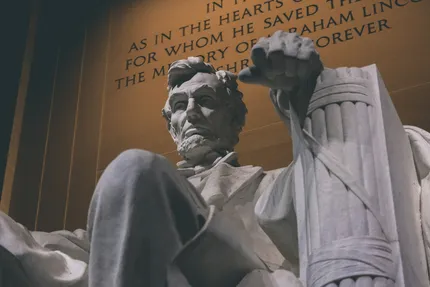
Lincoln Memorial and steps viewpoint
The Lincoln Memorial in Washington, D.C. is a major monument on the National Mall honoring President Abraham Lincoln. Visitors can see the large seated Lincoln statue and inscriptions of the Gettysburg Address and Second Inaugural Address. From the memorial’s steps, there is a well-known viewpoint over the Reflecting Pool toward the Washington Monument.
11:30
Walk to the Vietnam Veterans Memorial and Korean War Memorial
In Washington, D.C., the Vietnam Veterans Memorial and the Korean War Veterans Memorial are on the National Mall near the Lincoln Memorial. The Vietnam memorial features a polished black granite wall inscribed with names of U.S. service members who died or went missing. Nearby, the Korean War memorial includes stainless steel soldier statues and a reflecting pool.
12:30
Lunch at a food hall in Penn Quarter
14:00
Smithsonian National Museum of American History
The Smithsonian National Museum of American History on the National Mall explores U.S. history through artifacts, exhibitions, and interactive displays. Highlights include the Star-Spangled Banner, presidential and political history collections, and exhibits on innovation, culture, and everyday life. Admission is free. Timed-entry passes may be required during busy periods; check hours and policies online.
16:00
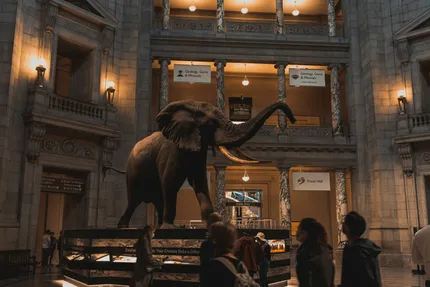
Smithsonian National Museum of Natural History (highlights)
The Smithsonian National Museum of Natural History on the National Mall features major collections in geology, biology, and anthropology. Highlights include the Hope Diamond in the Gems and Minerals Hall, the Sant Ocean Hall, the Hall of Human Origins, and the Butterfly Pavilion (timed tickets may be required). Admission is free; expect security screening and crowds.
18:00
Dinner in Penn Quarter/Chinatown
19:30
Evening monument walk: MLK Jr. Memorial and Tidal Basin (seasonal)
An evening walk around the Tidal Basin offers views of major monuments with fewer crowds and cooler temperatures. The Martin Luther King, Jr. Memorial sits along the basin’s southwest shore, near the FDR and Jefferson Memorials. In spring, the route is popular for cherry blossoms. Expect a mostly flat loop with paved paths and reflective water views.
21:00
Night views and photos at the Lincoln Memorial
The Lincoln Memorial is open 24 hours, and visiting at night offers quieter conditions and dramatic lighting on the statue and columns. From the steps, you can photograph the Reflecting Pool and Washington Monument, often with fewer crowds than daytime. Bring a tripod or use night mode; security is present and access is generally straightforward.
Day #2
Capitol Hill, Library of Congress, and Georgetown
08:00
Breakfast on Capitol Hill (Eastern Market area)
09:00
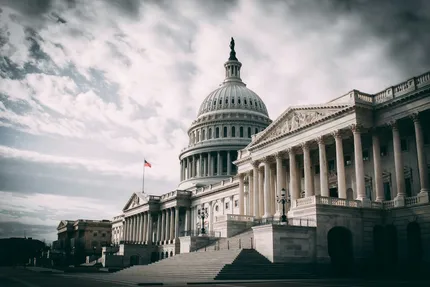
U.S. Capitol tour (book ahead if possible)
A U.S. Capitol tour in Washington, D.C. typically includes a guided visit to the Capitol Visitor Center and public areas of the building, focusing on Congress, history, and architecture. Tours are free but require advance reservations when available, especially during busy seasons. Security screening is required, and entry times are scheduled.
10:30
Explore the Capitol Grounds and Supreme Court exterior
In Washington, D.C., you can walk the U.S. Capitol Grounds—landscaped lawns, paths, and viewpoints around the Capitol building—open to the public. Nearby, view the exterior of the Supreme Court of the United States on First Street NE, including its marble façade and steps. Both sites are in the Capitol Hill area, close to the National Mall.
11:15
Library of Congress (Thomas Jefferson Building)
The Library of Congress’s Thomas Jefferson Building on Capitol Hill is the system’s historic main building, known for its Beaux-Arts architecture and ornate interiors. Visitors can view the Great Hall, murals, and exhibitions, and often see the Main Reading Room from an overlook (access may vary). Timed entry and security screening are typical.
12:30
Lunch at Eastern Market
14:00
Stroll Pennsylvania Avenue and visit the U.S. Botanic Garden
Stroll along Pennsylvania Avenue NW, the ceremonial route linking the U.S. Capitol and the White House, with views of major federal buildings and monuments. Nearby, the U.S. Botanic Garden on the National Mall features indoor conservatories and outdoor gardens showcasing diverse plant collections and seasonal displays. Admission is free; check hours and security rules before visiting.
15:30
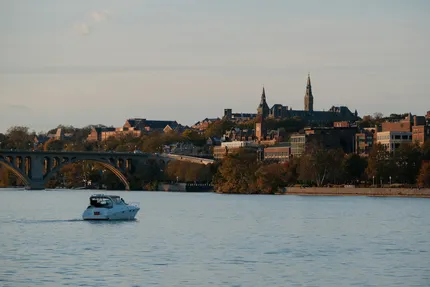
Head to Georgetown: M Street and C&O Canal walk
Georgetown’s M Street is a main commercial corridor with shops, restaurants, and historic streetscapes. Nearby, the Chesapeake & Ohio Canal National Historical Park offers a flat towpath walk along the Potomac River, passing canal locks and old stone structures. Access points are close to M Street, making it easy to combine shopping with a scenic walk.
17:00
Georgetown Waterfront Park and Potomac views
Georgetown Waterfront Park is a riverside green space along the Potomac in Washington, D.C., with paved paths, lawns, and views of the river and Key Bridge. It connects to the Capital Crescent Trail and is popular for walking, jogging, and picnics. Nearby you’ll find the Washington Harbour area and access to waterfront dining in Georgetown.
18:30
Dinner in Georgetown
20:00
Optional evening: Kennedy Center Millennium Stage or waterfront stroll
In Washington, D.C., the Kennedy Center’s Millennium Stage offers free evening performances (often music, dance, or theater) in the Grand Foyer, typically scheduled daily; check the Kennedy Center calendar for times and entry details. Alternatively, take an evening waterfront stroll along Georgetown or The Wharf for river views, public piers, and nearby dining.
Day #3
White House area, museums, and neighborhood evening
08:00
Breakfast near Lafayette Square
09:00
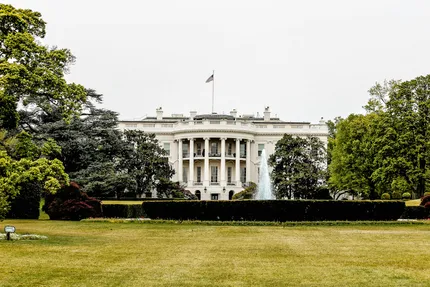
White House photo stop and walk around Lafayette Square
Stop outside the White House on Pennsylvania Avenue NW for photos from the public viewing area, then walk around nearby Lafayette Square, a small historic park across the street. You’ll see monuments and statues, views of St. John’s Church, and frequent demonstrations. Security is tight; expect barriers and screening nearby. The area is walkable from Metro stations like McPherson Square.
10:00
National Archives (Declaration of Independence, Constitution)
The National Archives Museum in Washington, D.C. displays key founding documents in the Rotunda for the Charters of Freedom, including the Declaration of Independence, the U.S. Constitution, and the Bill of Rights. Visitors can also explore exhibits on American history and records. Timed entry passes are often required; security screening applies.
12:00
Lunch in Penn Quarter
13:30
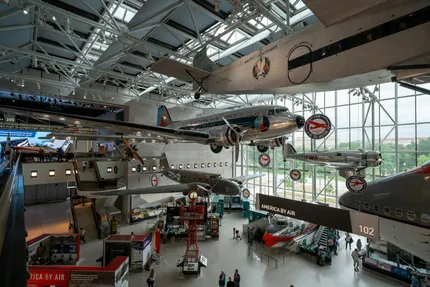
Smithsonian National Air and Space Museum (timed entry if required)
The Smithsonian National Air and Space Museum on the National Mall showcases historic aircraft and spacecraft, including the Wright Flyer, Apollo-era artifacts, and interactive exhibits on flight and space exploration. Entry is free, but timed-entry passes are sometimes required due to capacity limits; check the museum’s official website for current reservation requirements and hours.
15:30
Smithsonian National Museum of African American History and Culture (highlights)
The Smithsonian National Museum of African American History and Culture on the National Mall explores African American history, culture, and contributions. Highlights include the Slavery and Freedom exhibition, galleries on segregation and the Civil Rights Movement, and displays on music, sports, and the arts. Timed-entry passes are often required; allow several hours to visit.
17:30
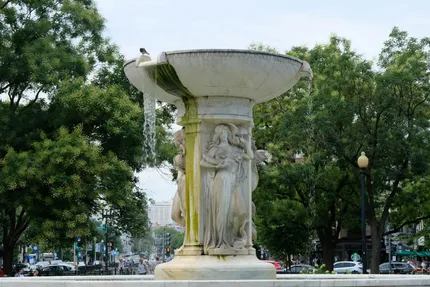
Downtown to Dupont Circle walk and neighborhood browsing
Walking from Downtown Washington to Dupont Circle is an easy way to see changing neighborhoods and architecture. Common routes pass near the White House area and continue along Connecticut Avenue or 17th Street. In Dupont Circle, browse independent bookstores, cafes, and small shops, and explore nearby Embassy Row and historic rowhouses.
19:00
Dinner in Dupont Circle or U Street Corridor
Dupont Circle and the U Street Corridor are popular Washington, D.C. neighborhoods for dinner, offering a wide range of cuisines and price points. Dupont Circle is known for bistros, international restaurants, and easy access via the Red Line. U Street has a strong nightlife scene, with many casual spots, bars, and restaurants near the U Street Metro station.
20:30
Evening option: live music on U Street or a cocktail bar in Shaw
U Street NW is one of Washington, D.C.’s main nightlife corridors, with multiple venues offering live music, including jazz and contemporary acts, plus nearby bars and late-night food. Shaw, just west of U Street, has a dense cluster of cocktail bars and restaurants around 7th Street NW and the Convention Center area.