
City break inHamburg
Set on the Elbe, Germany’s second city blends maritime grit with polished design. Start in UNESCO-listed Speicherstadt’s red-brick warehouses and nearby HafenCity, crowned by the glassy Elbphilharmonie. From the Landungsbrücken piers, hop on public ferry 62 for a bargain harbor cruise past shipyards and the Elbe beaches of Övelgönne. St. Pauli’s Reeperbahn and Sternschanze buzz with indie bars and live venues, while serene Inner and Outer Alster lakes offer waterside walks and cafes. Culture fans can tour the International Maritime Museum, Hamburger Kunsthalle, or contemporary Deichtorhallen, and families flock to Miniatur Wunderland’s vast model worlds.
On Sundays, the historic Fish Market pairs live music with fresh North Sea catches and the city’s beloved fischbrötchen. Between park time in Planten un Blomen—don’t miss its seasonal water-light shows—and a sunset stroll in Blankenese’s hillside lanes, Hamburg reveals many moods. Refuel with Franzbrötchen pastries, Portuguese Quarter seafood, and third-wave coffee, then end the day on the Elbphilharmonie Plaza for sweeping harbor views. For a quirky detour, walk or cycle through the early-20th-century Old Elbe Tunnel to the viewpoint at Steinwerder.
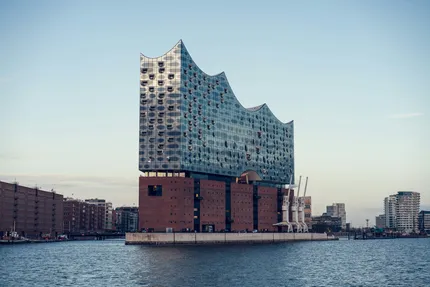
Elbphilharmonie
The Elbphilharmonie is Hamburg's iconic concert hall, opened in 2017 atop a historic warehouse in the HafenCity district. Designed by architects Herzog and de Meuron, its wave-shaped glass facade is instantly recognizable. It houses three concert venues and offers world-class classical music performances. The free public plaza on the 37th meter provides panoramic views over the Elbe river and city skyline.
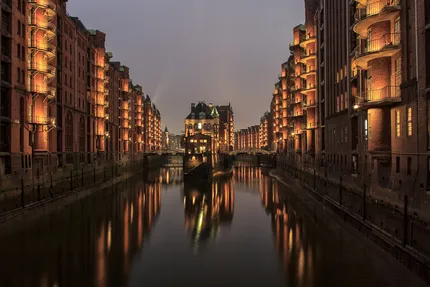
Speicherstadt and HafenCity
Explore Hamburg’s adjacent districts: Speicherstadt, the late-19th-century red-brick warehouse quarter threaded by canals and bridges, designated a UNESCO World Heritage site, and HafenCity, a modern waterfront redevelopment anchored by the Elbphilharmonie. Stroll quayside promenades, tour attractions like Miniatur Wunderland, and compare historic trading architecture with contemporary urban design, eateries, and public plazas.
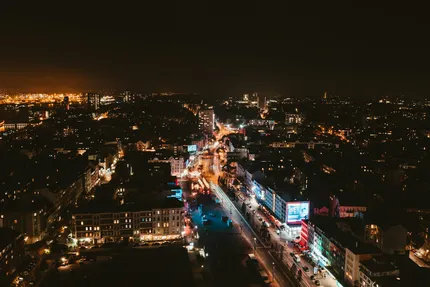
Reeperbahn
Reeperbahn is Hamburg’s St. Pauli nightlife strip, mixing clubs, bars, theaters, and a red-light zone. The Beatles played formative gigs nearby (Indra, Kaiserkeller). Annual Reeperbahn Festival showcases new music each September. Easy access via S Reeperbahn or U3 St. Pauli. Expect crowds; watch valuables. Note Herbertstraße’s adult-only, men-only restriction after dark.

Miniatur Wunderland
Miniatur Wunderland in Hamburg’s Speicherstadt is the world’s largest model railway. Vast, detailed landscapes depict Germany, Switzerland, Italy, Scandinavia, and the USA, with thousands of trains, cars, and figures. Highlights include the Knuffingen Airport with realistic takeoffs and landings and day-night lighting cycles. Interactive buttons animate scenes. Popular—advance online tickets are recommended.
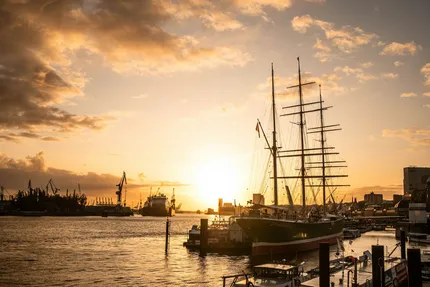
Port of Hamburg
Germany's largest seaport, the Port of Hamburg, lines the Elbe with container terminals, shipyards, and historic quays. Visit the Landungsbrücken for harbor cruises, see museum ships like Rickmer Rickmers and Cap San Diego, and explore the UNESCO-listed Speicherstadt and modern HafenCity nearby. Best views come from Elbe promenades; activity peaks during annual Hamburg Port Anniversary.
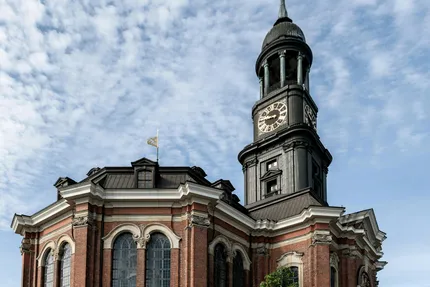
St. Michael's Church
St. Michael's Church, known locally as 'Michel', is Hamburg's most famous landmark and one of Germany's finest Baroque churches. Built in the 18th century, its distinctive copper tower offers panoramic views over the city and the Elbe River. The interior features an impressive white and gold design. The crypt contains an exhibition on Hamburg's history, and the church remains an active place of worship.
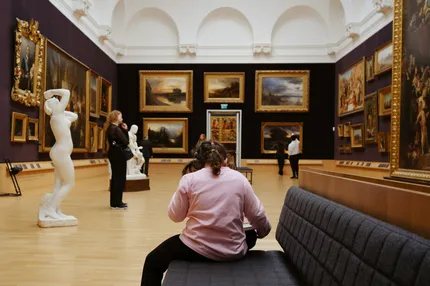
Kunsthalle Hamburg
One of Germany’s largest art museums, the Hamburger Kunsthalle showcases art from the Middle Ages to the present. Highlights include German Romanticism with works by Caspar David Friedrich, Old Masters, and contemporary pieces. Spread across three interconnected buildings near the Hauptbahnhof and Alster, it features rotating exhibitions, a strong permanent collection, and educational programs.
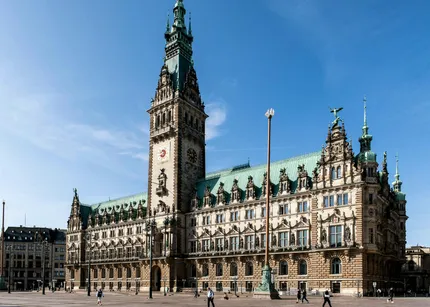
Rathaus (City Hall)
Hamburg's Rathaus is one of the most impressive city halls in Germany, built in Neo-Renaissance style and completed in 1897. Located at Rathausmarkt in the city center, it serves as the seat of both the Hamburg Senate and Parliament. Its grand facade features 647 rooms and a prominent tower rising 112 meters. Guided tours offer visitors a glimpse into its richly decorated state rooms and historic interiors.
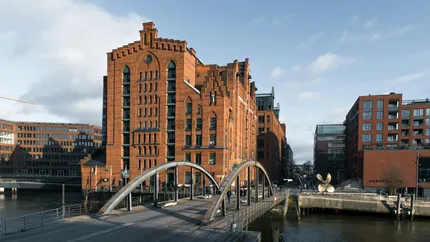
International Maritime Museum
Located in HafenCity’s historic Kaispeicher B warehouse, the International Maritime Museum explores 3,000 years of seafaring across nine themed decks. Exhibits span thousands of ship models, nautical instruments, charts, uniforms, and maritime art, largely from the Peter Tamm collection. The museum offers rotating special exhibitions and a research archive, illuminating Hamburg’s deep connections to global shipping.
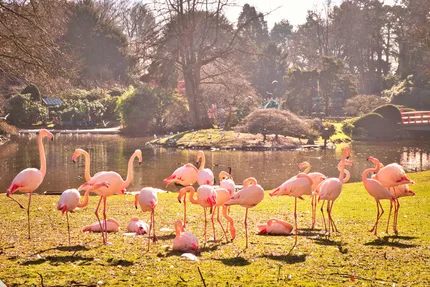
Tierpark Hagenbeck (Zoo)
Tierpark Hagenbeck is Hamburg’s historic zoo, founded in 1907 and known for pioneering open, moated enclosures and panoramic habitats. Highlights include the Eismeer polar exhibit and extensive savannah and Asian landscapes. An adjacent Tropen-Aquarium (separate admission) adds reptiles and marine life. The spacious grounds are easily reached via U-Bahn (Hagenbecks Tierpark).
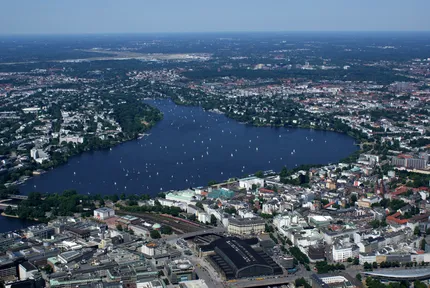
Alster lakes
The Alster lakes—Binnenalster and Außenalster—form Hamburg’s scenic heart. Stroll the Jungfernstieg promenade, circle the Outer Alster on popular jogging and cycling paths, or explore by boat, kayak, or pedal boat. Parks and waterfront cafés line the shores, with city-skyline views and a seasonal fountain on the Inner Alster. Sailing and rowing are popular; sightseeing cruises depart from the Inner Lake.
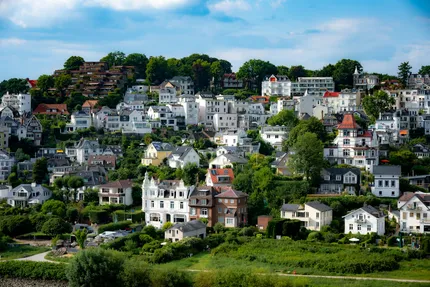
Blankenese
Blankenese is a charming residential district in Hamburg's western suburbs, situated along the Elbe river. Known for its steep hillside terrain, it features a distinctive labyrinth of narrow staircases and lanes connecting its hillside homes. The area offers scenic views over the Elbe, a pleasant waterfront promenade, and a village-like atmosphere that contrasts with Hamburg's urban core. It is easily reached by S-Bahn from the city center.
Who should visit Hamburg
Hamburg suits travelers who like their city breaks anchored in the water. Urban explorers and architecture fans get a clear payoff in one weekend: stroll the brick canyons of Speicherstadt, compare them with glass-and-wood HafenCity, and ride up to the Elbphilharmonie’s public plaza for harbor panoramas. Music lovers can pair a symphony or jazz set there with club nights on the Reeperbahn or at venues like Mojo Club and Knust. Food-focused visitors will be busy: grab fischbrötchen at Brücke 10, sample Franzbrötchen from a neighborhood bakery, browse the long Isemarkt (Tue/Fri), and book seafood in the Portuguese Quarter. Families find easy wins at Miniatur Wunderland, the playgrounds and water-light shows of Planten un Blomen, and Tierpark Hagenbeck’s zoo and aquarium.
Active travelers can run the 7.5 km loop around the Outer Alster, rent bikes for the Elbe riverside path to Övelgönne, or picnic in Stadtpark. Shoppers split time between Neuer Wall’s flagships and indie boutiques in the Karolinenviertel and Sternschanze. Football fans often time trips for FC St. Pauli at Millerntor or HSV at Volksparkstadion. Photographers are spoiled by blue-hour bridges in Speicherstadt and sunset from the Altona balcony. With reliable U/S‑Bahn, frequent ferries, and compact sightseeing,
Hamburg works especially well for a two- to three-night stay, whether you prioritize concerts and galleries, nightlife, or kid-friendly attractions. Budget travelers can stretch euros with HVV day tickets and ferries doubling as tours.

Best time to visit Hamburg
Hamburg’s maritime climate brings mild summers, changeable skies, and breezes year-round. The most pleasant months are May through September, when highs sit around 20–24°C, outdoor terraces hum, and the city’s parks and waterfront shine. Early May’s Hafengeburtstag turns the port into a floating festival; June’s Elbjazz animates the docks; late summer is ideal for Alster runs and ferry rides. If you prefer fewer crowds, aim for late April, early June, or September. Winter is atmospheric with Christmas markets and cozy cafes, but daylight is short and rain and wind are frequent; pack layers and waterproofs.
Three top reasons for a city trip to Hamburg
- Explore Hamburg’s maritime heart: cruise the Elbe from Landungsbrücken, wander UNESCO-listed Speicherstadt canals, marvel at Elbphilharmonie’s skyline, and feel Europe’s second-busiest port energize HafenCity’s waterfront with history, innovation, and views.
- Experience St. Pauli’s electric nights: bar-hop along the Reeperbahn, catch live music at Molotow, visit Beatles-Platz, sample late-night currywurst, discover street art, indie boutiques, cozy cafes across Sternschanze and Karolinenviertel.
- Discover uniquely Hamburg highlights: Miniatur Wunderland’s worlds, masterpieces at Hamburger Kunsthalle, International Maritime Museum, Planten un Blomen’s gardens and water-light shows, paddle the Alster, and enjoy Franzbrötchen at Sunday Fischmarkt.
Hamburg is well-known for its efficient public transportation system, operated by HVV, which includes buses, U-Bahn (subway), and S-Bahn (city trains). These options make it easy to navigate the city without a car. The city is also bicycle-friendly, with numerous bike lanes and rental services like StadtRAD, making cycling a viable option. Additionally, Hamburg offers a pedestrian-friendly environment in many areas, especially in districts such as St. Pauli and the historic Speicherstadt. While driving is possible, it might be less convenient due to narrow streets and limited parking in the city center. For those interested in exploring nearby areas, regional trains and buses offer seamless connections to the surrounding regions and attractions outside the city.
This content was created with AI assistance and may contain inaccuracies.