
3 days in Hamburg
GermanyDay #1
Explore the historic Speicherstadt and harbour area
08:00
Breakfast at a local café in the Altstadt
Hamburg's Altstadt, the historic old town, offers several cafés where you can start your day with fresh bread rolls, cold cuts, cheese, and strong coffee, a classic German breakfast. The area sits near the Rathaus and the Alster canals, so you can enjoy your meal before exploring nearby landmarks. Many cafés also serve eggs and pastries for those wanting something more substantial.
09:30
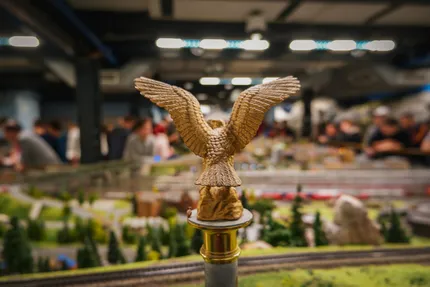
Visit the Miniatur Wunderland
Miniatur Wunderland is the world's largest model railway exhibition, located in Hamburg's historic Speicherstadt warehouse district. It features over 15 kilometers of track and meticulously detailed miniature landscapes depicting regions including Scandinavia, the USA, and Hamburg itself. Interactive elements let visitors trigger events across the scenes. With more than a million visitors annually, it appeals to both children and adults and requires several hours to explore fully.
11:30
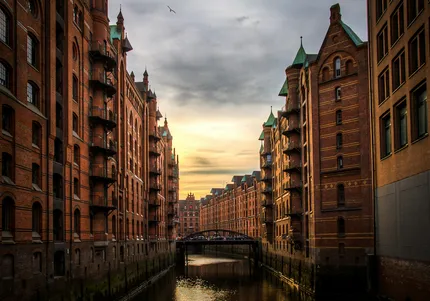
Stroll through the historic Speicherstadt warehouse district
Speicherstadt is the world's largest warehouse district, built in the late 19th century on a series of islands in Hamburg's port. Its striking red-brick Gothic architecture spans several kilometers along narrow canals. Today the district is a UNESCO World Heritage Site and home to museums, design studios, and creative agencies. Visitors can walk along the waterways and explore spaces dedicated to carpets, spices, miniatures, and contemporary art.
13:00
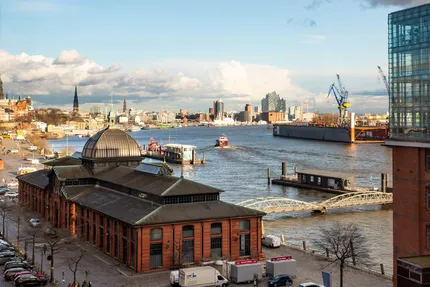
Lunch at a fish restaurant at the Fischmarkt
The Fischmarkt in Hamburg's Altona district is a historic landmark, famous for its Sunday fish market dating back to 1703. The surrounding area offers several seafood restaurants where you can enjoy fresh local catches, including herring, smoked fish, and North Sea specialties. Dining here provides views of the Elbe River and a taste of Hamburg's deep maritime culture and trading heritage.
14:30
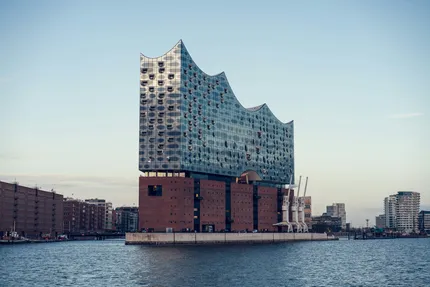
Elbphilharmonie Plaza visit and guided tour
The Elbphilharmonie is Hamburg's iconic concert hall, completed in 2017 and built atop a historic warehouse in the HafenCity district. Its wave-shaped glass facade is an architectural landmark. The public Plaza, located 37 meters above ground, offers panoramic views of the harbor and city skyline. Guided tours explore the building's design, acoustics, and construction history, providing insight into one of Europe's most celebrated contemporary buildings.
16:30
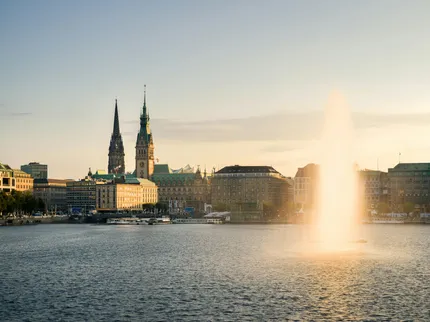
Harbour boat tour on the Alster
The Alster lakes, located in the heart of Hamburg, offer scenic boat tours through the city's waterways. Gliding across the Binnenalster and Aussenalster, you pass elegant waterfront villas, parks, and landmarks like the city hall and Jungfernstieg promenade. Tours run regularly from spring through autumn, with commentary provided in multiple languages. A relaxing way to appreciate Hamburg's unique relationship with its urban waterscape.
18:30
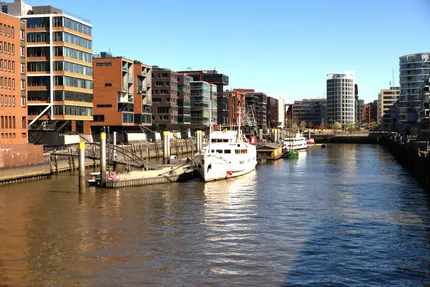
Walk along the HafenCity waterfront promenade
HafenCity is one of Europe's largest inner-city urban development projects, built on Hamburg's former port land along the Elbe. The waterfront promenade offers scenic views of the river, modern architecture, and converted historic warehouses. Strolling along the quays, visitors pass cafes, cultural venues, and the striking Elbphilharmonie concert hall. The area blends industrial heritage with contemporary design, making it a compelling destination for a leisurely walk.
20:00
Dinner at a restaurant in HafenCity
HafenCity, Hamburg's modern harbour district, offers a range of restaurants with waterfront views. Dining here means eating alongside striking contemporary architecture and converted warehouse buildings. Options range from casual bistros to upscale restaurants, with menus featuring fresh seafood and international cuisine. The area is especially atmospheric in the evening when the lights reflect off the water, making it a popular spot for both locals and visitors.
22:00
Evening drinks at a bar in the Speicherstadt
The Speicherstadt, Hamburg's historic warehouse district, is a UNESCO World Heritage Site built on timber-pile foundations over canals. Its striking red-brick buildings now house museums, design studios, and atmospheric bars. Enjoying evening drinks here offers a unique setting, with illuminated facades reflecting on the waterways. The area connects to the modern HafenCity district, making it a natural starting point for further evening exploration.
Day #2
Discover Reeperbahn, parks and city landmarks
08:00
Breakfast at Café Paris in the Altstadt
09:30
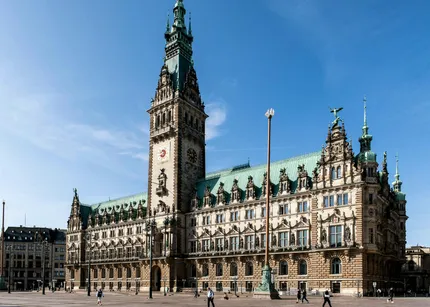
Visit the Hamburg Rathaus (City Hall)
The Hamburg Rathaus is one of the most impressive city halls in Germany, completed in 1897. Its neo-Renaissance facade features a 112-meter tower and elaborately decorated interior rooms. Located on Rathausmarkt square, the building serves as the seat of Hamburg's city and state government. Guided tours allow visitors to explore the grand assembly halls and learn about the city's history and political traditions.
10:30
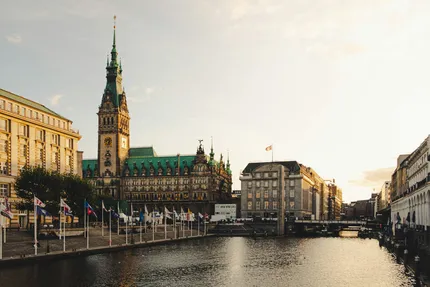
Explore the Alster Arcades and Binnenalster lake
The Alster Arcades are elegant 19th-century arched walkways lining the Binnenalster, Hamburg's inner lake. The colonnaded promenade offers boutique shops, cafes, and scenic water views. The Binnenalster itself sits at the heart of the city, surrounded by grand architecture. Locals and visitors enjoy strolling the lakeside paths, and in summer the area buzzes with outdoor dining and small boats on the water.
12:00
Lunch at the Alsterhaus food hall
The Alsterhaus is a prestigious department store on Jungfernstieg, overlooking the Inner Alster lake. Its gourmet food hall offers an impressive selection of fresh produce, regional specialties, international delicacies, and prepared dishes. It is an excellent spot for a relaxed lunch, whether you pick up charcuterie, seafood, or hot food from one of the counters. The elegant surroundings make it a memorable midday stop in central Hamburg.
13:30
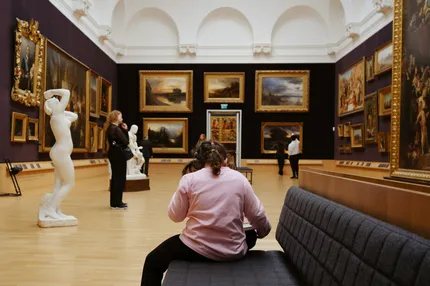
Visit the Kunsthalle Hamburg art museum
The Kunsthalle Hamburg is one of Germany's largest and most significant art museums, with a collection spanning seven centuries. Located near the central train station, it houses works ranging from medieval paintings to contemporary art. Highlights include pieces by Caspar David Friedrich, Philipp Otto Runge, and an impressive collection of 19th and 20th century European art across its interconnected historic and modern buildings.
15:30
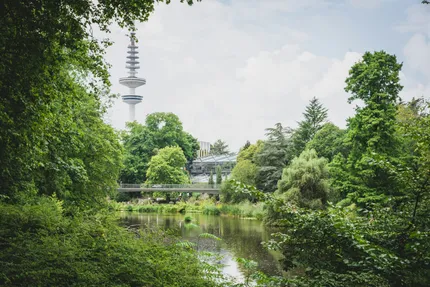
Stroll through Planten un Blomen park
Planten un Blomen is a large urban park in central Hamburg covering around 47 hectares. The name means 'plants and flowers' in Low German. It features beautifully maintained botanical gardens, a Japanese garden, playgrounds, and a lake. During summer evenings, free water-light concerts take place on the lake. The park offers a peaceful retreat from the busy city center and is popular with locals and visitors alike.
17:00
Visit St. Michael's Church and climb the tower
St. Michael's Church, known as 'Michel', is Hamburg's most famous landmark and a symbol of the city. The baroque Protestant church dates to the 18th century and features a distinctive copper tower. Visitors can take an elevator or climb the stairs to the observation deck at 82 meters, offering panoramic views over Hamburg's rooftops, the Elbe River, and the port.
18:30
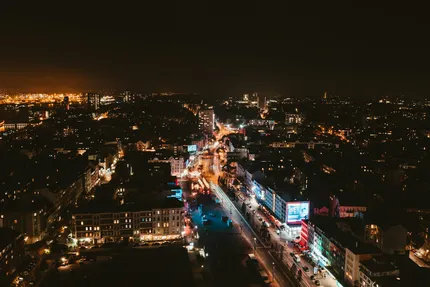
Explore the Reeperbahn and St. Pauli neighbourhood
The Reeperbahn is Hamburg's famous entertainment strip in the St. Pauli neighbourhood, known for its bars, clubs, theatres and music venues. Once a notorious red-light district, it has evolved into a vibrant cultural hub. The Beatles famously honed their craft here in the early 1960s. Today it draws visitors for its nightlife, the Davidwache police station landmark, and the colourful street life around Grosse Freiheit.
20:00
Dinner at a restaurant on the Reeperbahn
The Reeperbahn is Hamburg's famous entertainment district in the St. Pauli neighborhood, known for its lively nightlife, bars, clubs, and restaurants. Dining here puts you at the heart of the action. Restaurants range from casual to more established spots, offering German classics and international cuisine. The area has a gritty, energetic atmosphere and is best experienced in the evening when the district truly comes alive.
22:00
Experience the nightlife on the Reeperbahn
The Reeperbahn is Hamburg's famous entertainment district, located in the St. Pauli neighborhood. Known as one of Europe's most vibrant nightlife strips, it offers a dense concentration of bars, clubs, music venues, and theaters. The street has a storied history, including its association with the early Beatles performances. Today it attracts locals and tourists seeking live music, dancing, and a lively atmosphere that runs through the night.
Day #3
Markets, museums and farewell to Hamburg
07:30
Early morning visit to the famous Hamburg Fischmarkt
The Hamburg Fischmarkt has operated since 1703 and takes place every Sunday morning from 5am to 9:30am in the St. Pauli district. Vendors sell fresh fish, fruit, vegetables, flowers, and assorted goods in a lively, bustling atmosphere. The adjacent Fischauktionshalle hosts live music. It attracts both early risers and locals finishing a night out, making it one of Hamburg's most authentic and entertaining weekly traditions.
09:30
Breakfast at a café in the Schanzenviertel district
The Schanzenviertel is one of Hamburg's most vibrant and eclectic neighborhoods, known for its independent cafés, creative atmosphere and diverse crowd. Breakfast here is a leisurely affair, with many cafés serving generous spreads well into the afternoon. Expect fresh bread, eggs, local cheeses and good coffee. The streets are lined with independent shops and street art, making a morning stroll after breakfast equally enjoyable.
10:30
Explore the vibrant Schanzenviertel neighbourhood
The Schanzenviertel is one of Hamburg's most eclectic and lively neighbourhoods, known for its alternative culture, independent cafes, bars, and boutiques. Centred around Schulterblatt street, it buzzes with activity day and night. The area has a colourful history of political activism and counterculture, and today attracts students, artists, and locals alike. It is ideal for casual strolling, people-watching, and discovering Hamburg's creative side.
12:00
Lunch at a local eatery in Eppendorf
Eppendorf is one of Hamburg's most charming residential neighborhoods, known for its independent cafes, bistros, and restaurants lining Eppendorfer Baum and surrounding streets. The area offers a relaxed, local atmosphere away from tourist crowds. You'll find a good mix of cuisines alongside traditional German options. It's a popular lunch spot for locals, making it an ideal place to experience everyday Hamburg life while enjoying a casual, unhurried meal.
13:30
Visit the Hamburg History Museum (Museum für Hamburgische Geschichte)
The Museum für Hamburgische Geschichte traces Hamburg's development from its medieval origins to the present day. Located in the Neustadt district, it houses extensive collections covering the city's port history, Jewish heritage, model ships, and urban development. Highlights include a large model of the historic city and a reconstructed 19th-century street scene. It is one of the largest regional history museums in Germany.
15:30
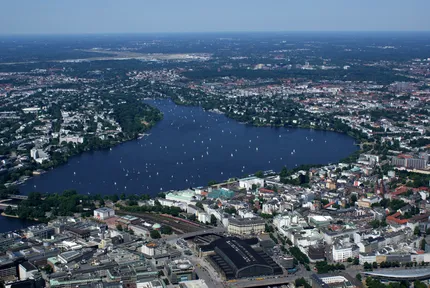
Walk along the Außenalster lake promenade
The Außenalster is a large artificial lake in the heart of Hamburg, created by damming the Alster river. A scenic promenade encircles the lake, stretching roughly 7.5 kilometres, ideal for walking, jogging, or cycling. The route offers views of elegant waterfront villas, sailing boats, and the city skyline. Benches along the way provide spots to rest and watch swans glide across the water.
17:00
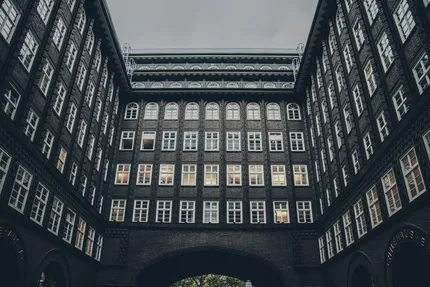
Visit the Chilehaus and the Kontorhaus district
The Chilehaus is a striking 1920s expressionist office building in Hamburg's Kontorhaus district, a UNESCO World Heritage Site. Shaped like a ship's bow, it was designed by architect Fritz Höger and completed in 1924. The surrounding Kontorhaus district contains several other impressive red-brick office buildings from the same era, reflecting Hamburg's prosperous trading history. Visitors can walk the area and admire the architecture from the outside.
18:30
Souvenir shopping in the city centre
20:00
Farewell dinner at a traditional Hamburg restaurant
End your Hamburg visit with a farewell dinner at one of the city's traditional restaurants. Classic establishments like Old Commercial Room or Fischerhaus near the Speicherstadt serve authentic Hamburg cuisine, including Labskaus, Finkenwerder Scholle, and fresh North Sea fish. These venues combine hearty local food with genuine maritime atmosphere, offering a fitting conclusion to your time in this historic Hanseatic city.
22:00
Final evening stroll along the Jungfernstieg
The Jungfernstieg is Hamburg's most famous boulevard, running along the southern shore of the Binnenalster lake. An evening stroll here offers views across the illuminated water, lined with elegant shops, cafes and historic buildings. The promenade has been a central meeting point since the 18th century and provides a relaxed way to soak up the city's atmosphere before departing. Nearby Alsterpavilion is a good spot for a farewell drink.