
2 days in Hamburg
GermanyDay #1
Explore the historic Speicherstadt and vibrant harbour
08:00
Breakfast at a traditional bakery in the Altstadt
Hamburg's Altstadt is home to several traditional bakeries where you can enjoy a classic German breakfast. Expect fresh bread rolls, pretzels, and pastries alongside coffee or tea. Many bakeries in this historic district have been operating for generations, offering a genuine local experience. It is a simple and affordable way to start your day while exploring Hamburg's oldest neighbourhood.
09:30
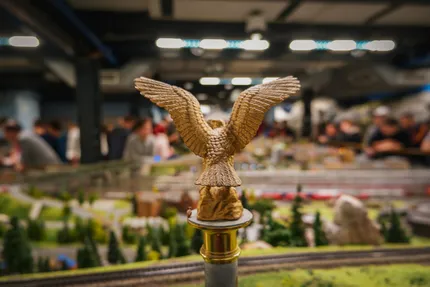
Visit the Miniatur Wunderland
Miniatur Wunderland is the world's largest model railway exhibition, located in Hamburg's historic Speicherstadt warehouse district. It features incredibly detailed miniature landscapes representing regions including Scandinavia, the USA, and Switzerland, with over 1,000 trains running across 16 kilometers of track. Interactive elements let visitors trigger events across the scenes. The attraction draws over one million visitors annually and appeals to adults and children alike.
11:30
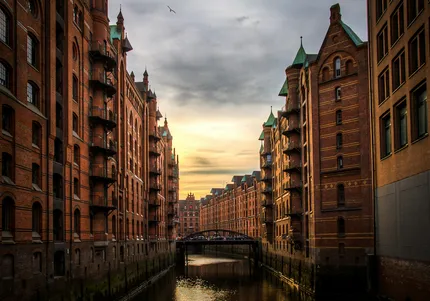
Explore the historic Speicherstadt warehouse district
Speicherstadt is the world's largest warehouse district, built in the late 19th century on a series of canal islands in Hamburg's port. Its striking red-brick Gothic Revival buildings now house museums, design agencies, and creative businesses. Visitors can explore attractions like the Miniatur Wunderland, the Spice Museum, and the Hamburg Dungeon, while enjoying scenic walks along the waterways connecting the district.
13:00
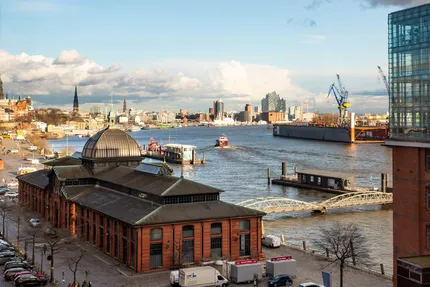
Lunch at a fish restaurant at the Fischmarkt area
The Fischmarkt area in Hamburg, along the Elbe riverbank, is home to several fish restaurants offering fresh, locally sourced seafood. Dining here gives visitors a taste of Hamburg's deep maritime heritage. Expect classic dishes like Fischbrötchen (fish sandwiches), smoked eel, and hearty fish soups. The waterfront setting provides views of the busy port, making it a relaxed and authentic Hamburg lunch experience.
14:30
Tour the Elbphilharmonie and enjoy panoramic views from the Plaza
16:30
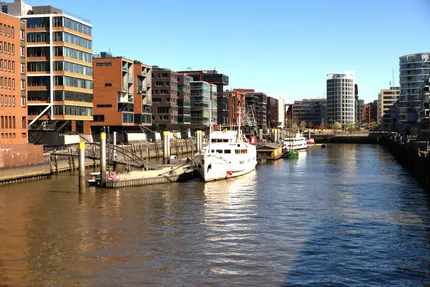
Stroll along the HafenCity waterfront promenade
HafenCity is Europe's largest inner-city urban development project, built on Hamburg's former warehouse and port district. The waterfront promenade offers scenic views of the Elbe River, modern architecture, and historic red-brick warehouses. Visitors can walk along the quays, explore public plazas, and observe the ongoing development. The area also houses the Elbphilharmonie concert hall, cafes, and restaurants, making it a pleasant destination at any time of day.
18:00
Visit the Hamburg Dungeon for a fun evening experience
The Hamburg Dungeon offers an entertaining journey through the city's darkest historical moments. Actors, special effects, and rides bring stories of plague, pirates, and the Great Fire of 1842 to life. Located near the waterfront, the attraction combines theater, humor, and mild scares, making it suitable for groups and older children. Sessions last around 75 minutes and are conducted in both German and English.
19:30
Dinner at a restaurant on the Reeperbahn
The Reeperbahn is Hamburg's famous entertainment district in St. Pauli, known for its lively nightlife. Several restaurants line this strip, offering a range of cuisines from German classics to international options. Dining here places you at the heart of the action, surrounded by theaters, bars, and clubs. It is a convenient choice before exploring the area's nightlife, though the atmosphere is busy and loud.
21:30
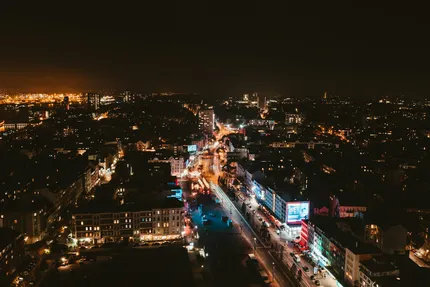
Explore the nightlife on the Reeperbahn and Grosse Freiheit
The Reeperbahn in Hamburg's St. Pauli district is one of Europe's most famous nightlife strips, lined with bars, clubs, theaters, and music venues. Grosse Freiheit, a side street off the Reeperbahn, gained legendary status as the street where the Beatles performed early in their career. Today it remains a hub for live music. The area is lively every night of the week.
Day #2
Culture, parks and classic Hamburg neighbourhoods
08:00
Breakfast at the famous Fischmarkt Sunday fish market
The Altona Fischmarkt, held every Sunday from 5am (7am in winter), is one of Hamburg's most iconic traditions. Vendors sell fresh fish, fruits, vegetables, flowers and more along the Elbe riverfront. The atmosphere is lively, with many visitors heading there after a Saturday night out. The market has operated since 1703, making it one of Germany's oldest. Arrive early for the best experience.
09:30
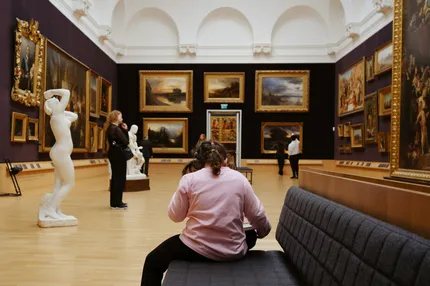
Visit the Kunsthalle Hamburg art museum
The Kunsthalle Hamburg is one of Germany's largest and most significant art museums, housing an impressive collection spanning seven centuries. Located near the main railway station, it features works ranging from medieval altarpieces to contemporary art. Highlights include paintings by Caspar David Friedrich, Philipp Otto Runge, and a strong collection of 19th and 20th century European art. The modern Galerie der Gegenwart annex focuses on contemporary works.
11:30
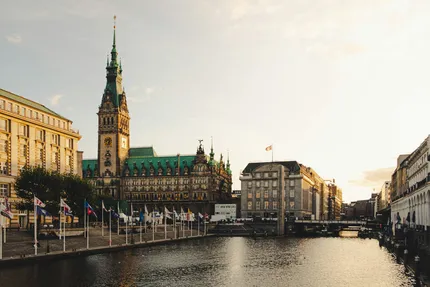
Stroll through the Alster Arcades and along the Binnenalster lake
The Alster Arcades are elegant 19th-century colonnaded walkways lining the Alsterfleet canal in central Hamburg. A stroll here leads naturally to the Binnenalster, the smaller of Hamburg's two artificial lakes, surrounded by historic buildings, hotels, and busy streets. The area offers pleasant waterfront views, outdoor cafes, and a central gathering point for locals and visitors alike, especially in warmer months.
13:00
Lunch at a café in the Rotherbaum neighbourhood
Rotherbaum is an upscale neighbourhood near the Alster lake, home to the University of Hamburg and several embassies. Its cafés and bistros line tree-shaded streets, offering a relaxed atmosphere popular with students and professionals. Lunch here typically features European and international cuisine, with many spots serving fresh seasonal dishes. The area is pleasant for a stroll before or after eating, with Dammtor station nearby for easy access.
14:30
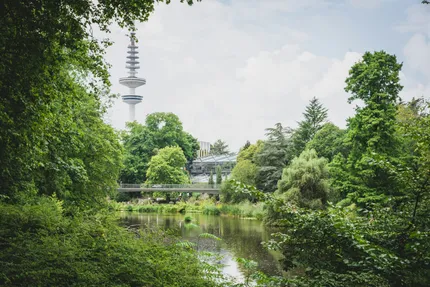
Explore the lush Planten un Blomen park
Planten un Blomen is a large urban park in central Hamburg covering around 47 hectares. Its name means 'plants and flowers' in Low German. The park features beautifully maintained botanical gardens, Japanese gardens, a rose garden, and one of Europe's largest outdoor illuminated water concert facilities. During summer evenings, visitors gather to watch the popular water light concerts. The park also offers playgrounds, ice skating, and minigolf.
16:00
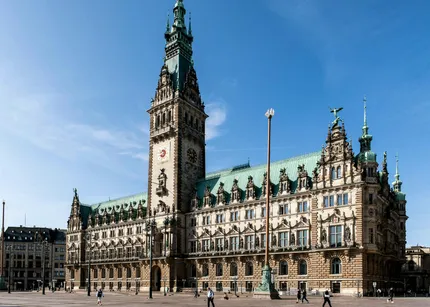
Visit the Hamburg Rathaus (City Hall) and its grand hall
The Hamburg Rathaus, completed in 1897, is one of Europe's most impressive neo-Renaissance city halls. Located at Rathausmarkt in the city center, its ornate facade features 20 bronze statues of German emperors. Inside, the grand hall impresses with its elaborate decor, coffered ceilings, and chandeliers. Guided tours are available, taking visitors through lavishly decorated rooms still used for official state functions today.
17:30
Wander through the trendy Schanzenviertel neighbourhood
The Schanzenviertel, or 'Schanze', is one of Hamburg's most vibrant neighbourhoods, known for its alternative, bohemian character. Tree-lined streets are filled with independent cafes, vintage shops, bars, and restaurants. The area around Schulterblatt street buzzes with locals at all hours. Once a working-class district, it has evolved into a creative hub popular with students and young professionals, while retaining a rebellious, left-leaning spirit.
19:00
Dinner at a restaurant in the Eppendorf district
Eppendorf is one of Hamburg's most charming residential districts, known for its independent restaurants, relaxed atmosphere, and tree-lined streets. The dining scene here ranges from cozy bistros to modern European cuisine, with many spots catering to the neighborhood's cultured, local crowd. Dining in Eppendorf offers a more authentic Hamburg experience away from the tourist-heavy waterfront, with quality food and a genuine neighborhood feel.