
City break inAtlanta
Atlanta, the capital of Georgia, is a sprawling metropolis that blends Southern tradition with a forward-thinking urban energy. As the headquarters of major corporations like Coca-Cola and CNN, and the birthplace of Martin Luther King Jr., the city carries significant cultural and historical weight. Atlanta's neighborhoods each have a distinct personality: the trendy beltline corridor connects areas like Inman Park and Ponce City Market, while Midtown is home to the majority of the city's arts institutions.
The food scene is one of the best in the American South, with a strong tradition of soul food alongside a growing roster of innovative restaurants. The city also has a well-documented hip-hop heritage that continues to shape music globally. Despite its reputation as a car-dependent city, walkable pockets are expanding, and the Atlanta BeltLine project has transformed former railway corridors into accessible green spaces and trails connecting dozens of neighborhoods. It is a city that rewards curious visitors willing to explore beyond the downtown core.
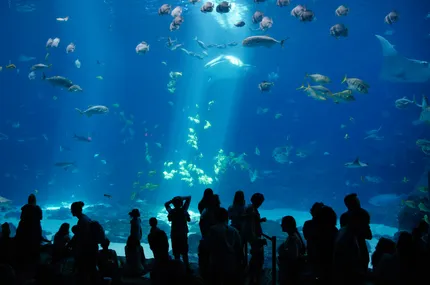
Georgia Aquarium
The Georgia Aquarium in downtown Atlanta is one of the largest aquariums in the world, home to more than 10 million gallons of water and tens of thousands of animals. Highlights include whale sharks, beluga whales, manta rays, and dolphin presentations. Interactive exhibits allow visitors to touch stingrays and explore diverse aquatic habitats. It is a major attraction suitable for families and marine life enthusiasts.
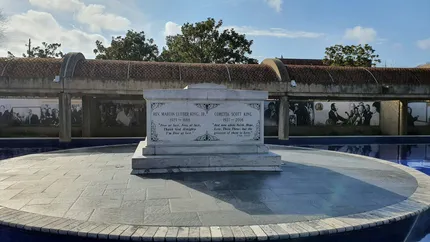
Martin Luther King Jr. National Historical Park
Martin Luther King Jr. National Historical Park in Atlanta preserves the birthplace and legacy of the civil rights leader. The site includes his childhood home on Auburn Avenue, Ebenezer Baptist Church where he preached alongside his father, and his burial tomb. The visitor center offers exhibits on his life and the broader civil rights movement. The park sits in the Sweet Auburn neighborhood, a historic center of Black culture and commerce.
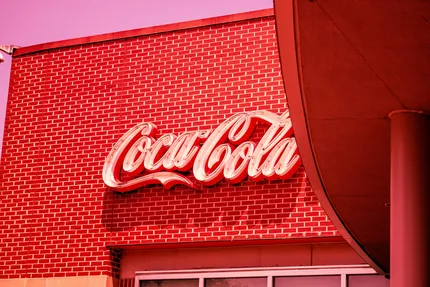
World of Coca-Cola
The World of Coca-Cola is a museum in downtown Atlanta dedicated to the history of the Coca-Cola Company, which was founded in the city in 1886. Visitors can explore exhibits on the brand's global history, watch a bottling demonstration, sample over 100 beverages from around the world, and see the original secret formula vault. The attraction draws over one million visitors annually.
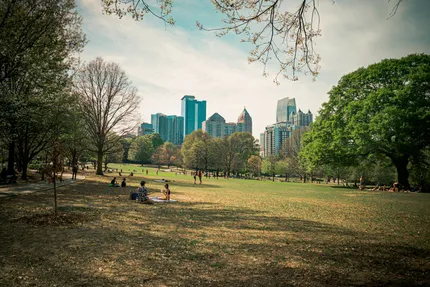
Piedmont Park
Piedmont Park is Atlanta's premier green space, spanning over 200 acres in the Midtown neighborhood. The park offers walking and cycling trails, open lawns, tennis courts, a pool, and a dog park. It borders the Atlanta Botanical Garden and hosts major events including Music Midtown and the Atlanta Film Festival. The park provides skyline views and serves as a central gathering place for locals year-round.
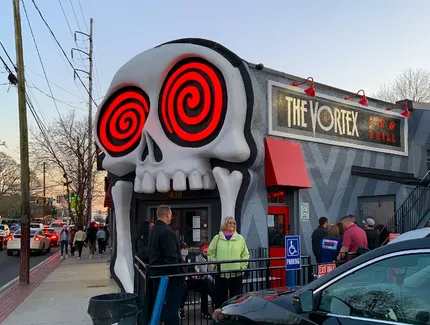
Little Five Points
Little Five Points is a bohemian neighborhood in Atlanta known for its eclectic mix of independent shops, vintage clothing stores, record shops, and live music venues. The area has a counterculture character and is popular with a diverse crowd. Highlights include the Variety Playhouse concert venue, local bars, and restaurants. The neighborhood sits adjacent to the historic Inman Park and is easily walkable.

Atlanta Botanical Garden
Adjacent to Piedmont Park, this 30-acre garden features stunning plant collections from around the world. Highlights include a tropical greenhouse, a Japanese garden, and seasonal outdoor art installations. The canopy walk offers a unique perspective through the treetops. Evening events and seasonal light shows make it worth visiting at different times of year.
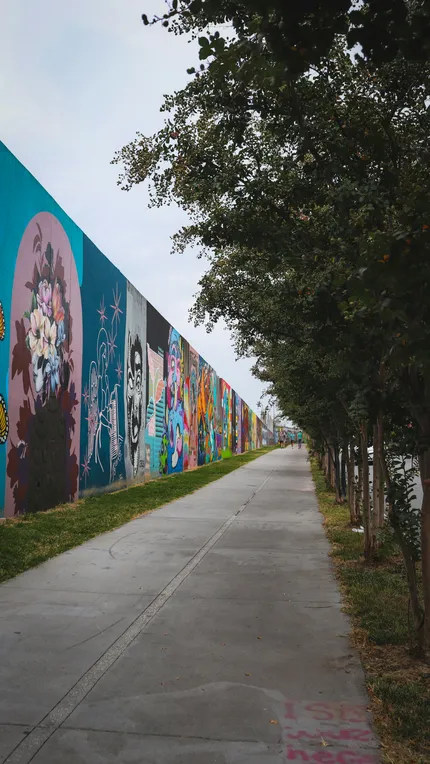
Beltline Eastside Trail
The Beltline Eastside Trail is a 2.25-mile paved path running through some of Atlanta's most vibrant neighborhoods, including Ponce City Market, Inman Park, and Piedmont Park. Popular with walkers, joggers, and cyclists, the trail connects parks, restaurants, shops, and public art installations. It forms part of the larger Atlanta BeltLine project, a planned 22-mile loop transforming former railway corridors into green urban corridors.
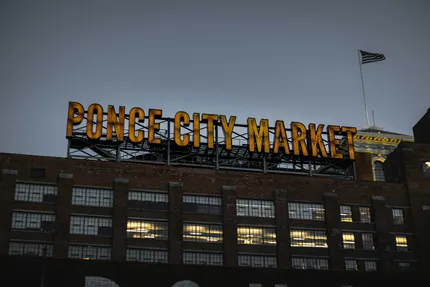
Ponce City Market
Ponce City Market is a large mixed-use development housed in a historic Sears, Roebuck and Co. building in Atlanta's Old Fourth Ward neighborhood. It features a variety of local and national shops, restaurants, and a food hall with diverse dining options. The rooftop offers an amusement area with mini golf and carnival games. The Atlanta BeltLine trail runs directly alongside the property, making it easily accessible on foot or by bike.
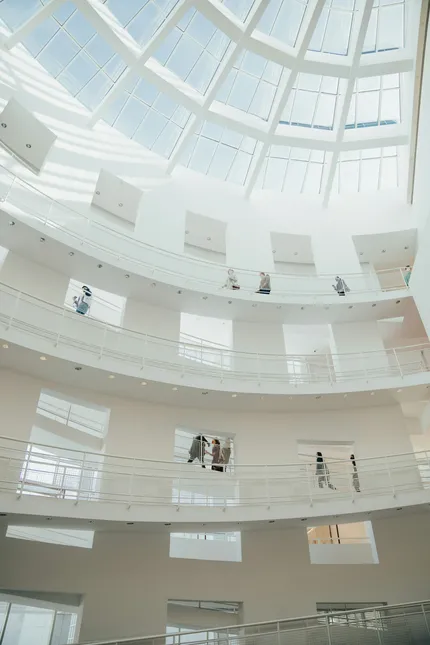
High Museum of Art
The leading art museum in the southeastern United States, the High Museum holds a permanent collection of over 18,000 works spanning folk art, photography, European paintings, and modern pieces. The building itself, designed by Richard Meier, is architecturally striking. Rotating exhibitions regularly bring major international shows to Atlanta's cultural scene.
Who should visit Atlanta
Atlanta is a strong fit for travelers with an interest in American history, particularly the civil rights movement. The Sweet Auburn neighborhood and the Martin Luther King Jr. National Historical Park offer a deeply informative and moving experience that history-focused visitors will find compelling. Music enthusiasts drawn to hip-hop and R&B culture will find Atlanta rewarding, as the city has a living music scene with venues across areas like Little Five Points and East Atlanta Village. Food travelers will do well here, as Atlanta has a serious dining culture rooted in Southern cooking, from classic fried chicken spots to acclaimed contemporary restaurants.
The city also appeals to architecture and urban design buffs curious about large-scale infrastructure projects like the BeltLine. Sports fans are well served, with professional teams in football, basketball, baseball, and soccer all based in the city. Atlanta is less ideal for travelers seeking a compact, walkable city-center experience or those primarily interested in natural landscapes, as the urban layout is sprawling and major natural attractions require significant travel outside the metro area.

Best time to visit Atlanta
The best time to visit Atlanta is during spring, from late March through May, when temperatures are mild, typically in the low to mid 20s Celsius, and the city's trees and gardens are in bloom. Fall, from September to November, is equally pleasant with comfortable temperatures and fewer crowds. Summers are hot and humid, often exceeding 32 degrees Celsius, which can make outdoor exploration less comfortable. Winters are generally mild but can bring occasional cold spells.
Three top reasons for a city trip to Atlanta
- Atlanta is home to the National Center for Civil Rights, including the Martin Luther King Jr. National Historic Site, offering profound insight into American civil rights history.
- The Georgia Aquarium, one of the largest in the world, houses whale sharks and manta rays, making it a unique and spectacular attraction for visitors of all ages.
- Atlanta's vibrant food and entertainment scene, centered around neighborhoods like Ponce City Market and Inman Park, offers excellent Southern cuisine and a lively local culture.
Atlanta is a car-dependent city, and having a vehicle makes getting around significantly easier. The city's road network is extensive but can suffer from heavy traffic, especially during peak hours. Public transit is available through MARTA, which operates bus and rail lines. The rail network has two main lines forming an X shape across the city, connecting the airport, downtown, midtown, and Buckhead. However, many neighborhoods are not well served by rail. Rideshare services like Uber and Lyft are widely available and practical for shorter trips. Cycling infrastructure is limited but growing, with the BeltLine trail offering a popular car-free route connecting several neighborhoods. Walking is feasible in denser areas like Midtown and Little Five Points, but many parts of the city have poor pedestrian infrastructure and long distances between destinations.
Also check out these cities
This content was created with AI assistance and may contain inaccuracies.