
City break inNantes
Nantes, set where the Loire widens toward the Atlantic, blends Breton roots with a forward‑looking creative scene. The city’s core is compact and walkable, threaded by trams and riverside promenades. At its heart stands the Château des Ducs de Bretagne, a moated fortress housing a sharp, modern museum about the city and former duchy. Just across the river, the Île de Nantes has been reborn as a cultural district; its headline attraction, Les Machines de l’Île, sends a gigantic mechanical elephant strolling past shipyard halls. Elegant 19th‑century streets radiate from Place Graslin, while the glazed Passage Pommeraye links boutiques across three levels.
Leafy banks of the Erdre invite boat trips and picnics; the Jardin des Plantes is a botanical pause near the station. Contemporary Nantes doesn’t look away from its past: the poignant Memorial to the Abolition of Slavery lines the Loire quays. Foodwise, expect Atlantic oysters, butter‑rich sauces like beurre blanc, and crisp local Muscadet from nearby vineyards. Markets such as Talensac and waterside bistros make eating well easy. Frequent TGVs place Nantes about two hours from Paris, and the airport connects it with many European cities.
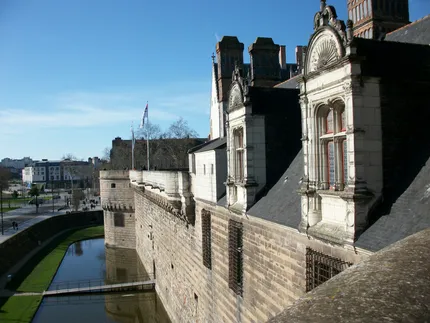
Château des Ducs de Bretagne
Fortified castle with ramparts, moat, and a comprehensive city history museum. Explore multimedia exhibits tracing Brittany’s ducal past, the Atlantic slave trade, shipbuilding, and urban transformations. Walk the walls for panoramic views of Bouffay and the Loire. Courtyard access is free; evening illuminations highlight the white tufa stone and defensive architecture.
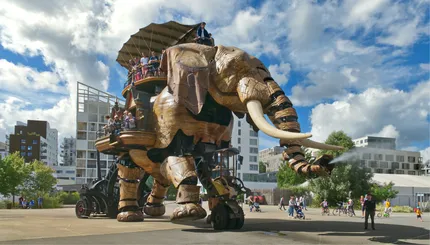
Les Machines de l’Île
Whimsical mechanical creatures animate former shipyards on Île de Nantes. Ride the 12-meter Grand Éléphant, explore the Carrousel des Mondes Marins, and visit the workshop to see prototypes under construction. Inspired by Jules Verne and Leonardo, the project fuses art, engineering, and urban renewal, creating playful public spaces along the riverfront.
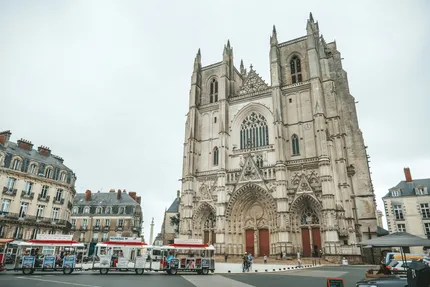
Cathédrale Saint-Pierre-et-Saint-Paul
Gothic cathedral notable for luminous white stone, twin towers, and a vast interior. See the Renaissance tomb of Francis II and Marguerite de Foix, intricate stained glass, and the historic great organ. Ongoing restoration after the 2020 fire is visible; interpretation panels explain craftsmanship, archaeology, and phases of reconstruction across centuries.
Passage Pommeraye
Elegant 19th-century shopping arcade on a steep slope, linking Rue Santeuil and Rue de la Fosse. Cast-iron balconies, sculptures, and a glass roof frame boutique storefronts across three levels. It's a practical shortcut and architectural gem; visit for photos, window-shopping, and shelter in bad weather near Place Graslin and Théâtre Graslin.
Jardin des Plantes
Historic botanical garden known for creative landscaping, themed beds, and contemporary installations. Wander greenhouse collections, a medicinal garden, and ponds with waterfowl. Children enjoy playful topiaries and the Petite Pause café area. Located opposite the station, it's ideal for a restful break, picnics, and seasonal blooms throughout the year. Free entry.
Musée d’Arts de Nantes
Extensive fine-arts museum blending classical palace and contemporary extension. Collections span 13th century to today: European painting, decorative arts, modern works, and installations. Highlights include Delacroix, Kandinsky, and local artists. Thoughtful texts, temporary exhibitions, and late openings enrich visits. The mirrored patio and light-filled galleries make navigation pleasant and coherent.
Le Lieu Unique and LU Tower
Former LU biscuit factory transformed into a cultural center with exhibitions, performance spaces, bar, and hammam. Climb the art-deco tower for views of the canal and castle area. The program favors contemporary, experimental work. It's a good evening stop, with riverside walks and nearby restaurants around the Saint-Félix canal and terraces.
Le Voyage à Nantes
Seasonal and permanent art trail guiding visitors along a green line through the city. Installations, signage, and playful interventions link museums, waterfronts, and overlooked spaces. Summer editions add new commissions and events. It's a flexible way to discover neighborhoods on foot or by bike while encountering contemporary art in context.
Trentemoult
Colorful former fishing village across the Loire in Rezé, reached by Navibus ferry. Narrow lanes, painted façades, and artists’ studios create a relaxed, photogenic setting. Dine at riverside bistros, spot street art, and watch tides and ship traffic. Combine with a walk along Parc des Chantiers and Île de Nantes.
Île de Versailles and Japanese Garden
Man-made island on the Erdre featuring a serene Japanese garden, tea pavilion, and rock-water compositions. Rent electric boats or kayaks nearby to explore the river. Quiet paths and bridges offer views of mansions lining the Erdre. It's a peaceful counterpoint to the industrial Loire quays and city museums. Families appreciate playgrounds and lawns.
Hangar à Bananes and Les Anneaux de Buren
Revitalized warehouse quay on Île de Nantes with bars, galleries, and event spaces. The illuminated Rings by Buren and Bouchain frame the river, aligning with sunset views and photo opportunities. Ideal for evening drinks, it connects to Parc des Chantiers and Machines installations, forming a coherent riverfront circuit for strolling.
Marché de Talensac
Busy covered market showcasing regional produce: Atlantic seafood, Muscadet wines, cheeses, rillettes, and pastries. Arrive early for the best selection and breakfast at a counter. Saturdays are lively; weekdays quieter. It's a practical way to taste local specialties and assemble picnic supplies before exploring nearby streets and the Erdre quays.
Who should visit Nantes
Nantes suits travelers who enjoy compact, culture‑rich cities over blockbuster capitals. Families get standout experiences at Les Machines de l’Île (rides on the elephant or carousel creatures), hands‑on exhibits in the castle museum, and spacious parks like the Jardin des Plantes; flat tram and ferry routes make logistics easy with strollers. History‑minded visitors can dig into Brittany’s ducal story at the château, trace medieval lanes in the Bouffay quarter, and reflect at the riverside Memorial to the Abolition of Slavery. Contemporary art and architecture fans find plenty on the Île de Nantes, from repurposed shipyards to public artworks marked by the green line of Le Voyage à Nantes in summer.
Food‑motivated city breakers can graze Talensac market, sample Muscadet with shellfish in waterside bistros, and try local specialties such as gâteau nantais and beurre blanc. Cyclists and casual riders appreciate car‑lite streets and sections of the Loire à Vélo and Erdre river paths for half‑day outings. Nightlife‑seekers will find intimate bars in Bouffay and Graslin and live music at venues like Stereolux.
Shoppers focused on independent French brands should head to Passage Pommeraye and streets around Place Graslin. With 48–72 hours, you can cover highlights without rushing; add a day for a vineyard tasting in Sèvre‑et‑Maine or a short train trip to Clisson or Pornic. A Nantes City Pass can simplify transport and entry fees.

Best time to visit Nantes
Nantes has a mild oceanic climate, making spring and early autumn ideal. May and June bring long days, blossoming parks, and comfortable highs around 20–23°C without peak crowds. July and August are lively, with the citywide art trail Le Voyage à Nantes, open‑air events, and terrace life; expect more visitors and occasional Atlantic showers. Late August to early September adds the free jazz festival Rendez‑vous de l’Erdre along the river. Winter is generally quiet, cool, and damp; December has festive lights and a small Christmas market, but days are short. For balanced weather, prices, and programming, aim for late spring or September.
Three top reasons for a city trip to Nantes
- Ride the Grand Elephant at Les Machines de l'Ile, roam the inventive Ile de Nantes creative district, and relax at Le Lieu Unique, a cultural hub in the LU factory.
- Trace Nantes history at the Chateau des Ducs de Bretagne and its museum, admire the Gothic cathedral and Passage Pommeraye, then reflect at the Memorial to the Abolition of Slavery.
- Savor Loire-Atlantique flavors: Muscadet from nearby vineyards, seafood with beurre blanc, and oysters at Marche de Talensac. Stroll Jardin des Plantes and cruise the Erdre, called France's most beautiful river.
Central Nantes is compact and largely walkable, with most sights clustered around the Château des Ducs, Bouffay, Graslin, and Île de Nantes. The TAN network (tram lines 1–3, the Busway line 4, Chronobus routes, and regular buses) is the backbone for longer trips. Trams and Busway run frequently from early morning to late evening; tickets are integrated with 1-hour transfers, day passes, and contactless bank cards accepted. Park-and-ride lots at tram termini make leaving a car outside easy. Cycling is practical: protected lanes, riverside paths, and the Loire à Vélo connect neighborhoods; BiclooPlus bike-share stations are widespread. For cross-river links, Navibus river shuttles connect Gare Maritime with Trentemoult and other stops. You do not need a car in the city; traffic-calmed streets and limited parking can slow driving. A car is useful only for excursions to the Atlantic coast (Pornic, La Baule), vineyards (Muscadet), or the Brière marshes. From the airport, TAN buses 38/98 plus tram line 3 reach the center and station.
This content was created with AI assistance and may contain inaccuracies.