
City break inLyon
Lyon, France's third-largest city, sits at the confluence of the Rhône and Saône rivers in southeastern France. It is widely regarded as the gastronomic capital of France, a reputation built on centuries of culinary tradition and the legacy of legendary chef Paul Bocuse. The city's historic center, known as Vieux-Lyon, is a UNESCO World Heritage Site, featuring remarkably preserved Renaissance architecture and a labyrinth of narrow passageways called traboules, originally used by silk workers.
Lyon's two prominent hills, Fourvière and Croix-Rousse, each offer distinct character: Fourvière is crowned by a striking basilica and ancient Roman theaters, while Croix-Rousse is known for its bohemian atmosphere and artisan culture. The Presqu'île, the peninsula between the two rivers, serves as the commercial and cultural heart of the city, lined with grand squares, museums, and brasseries. Lyon also hosts the famous Festival of Lights each December, drawing millions of visitors who come to see spectacular illuminations projected across the city's buildings and public spaces.
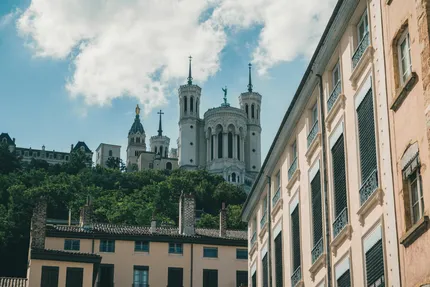
Basilica of Notre-Dame de Fourvière
Perched atop Fourvière Hill, this ornate Roman Catholic basilica was built between 1872 and 1884. It offers panoramic views over Lyon and features elaborate mosaics, marble interiors, and two distinct architectural styles. The basilica is one of Lyon's most recognizable landmarks and holds deep religious significance for the city. A funicular connects the hilltop to the Vieux-Lyon district below.
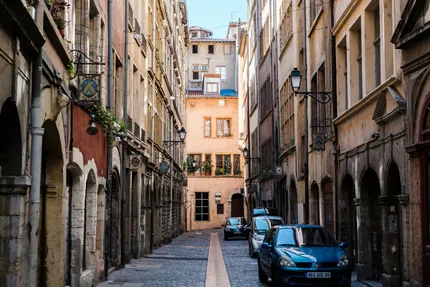
Vieux Lyon
Vieux Lyon is one of the largest Renaissance neighborhoods in Europe, a UNESCO World Heritage Site. Located at the foot of Fourvière Hill, it features narrow cobblestone streets, colorful facades, and hidden passageways called traboules, originally used by silk workers. The district contains three distinct quarters: Saint-Jean, Saint-Georges, and Saint-Paul, each offering medieval architecture, independent boutiques, and traditional Lyonnais bouchon restaurants.
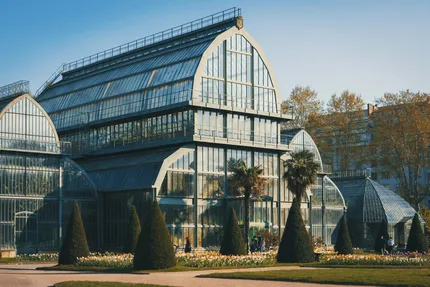
Parc de la Tête d'Or
Parc de la Tête d'Or is one of the largest urban parks in France, covering 117 hectares in northern Lyon. It features a lake where visitors can rent boats, a free zoo, botanical gardens, and rose gardens with thousands of varieties. Popular with locals for jogging, cycling, and picnicking, the park offers a peaceful retreat from the city and is especially beautiful during spring when the roses bloom.
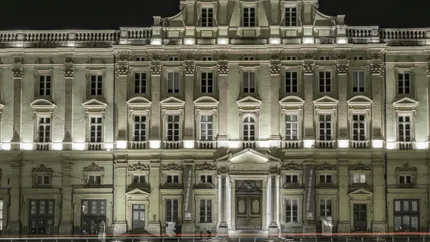
Lyon Museum of Fine Arts
The Lyon Museum of Fine Arts, housed in a 17th-century former Benedictine abbey on Place des Terreaux, is one of France's largest fine arts museums. Its extensive collection spans antiquity to the 20th century, including Egyptian artifacts, sculptures, and paintings by Rubens, Monet, and Picasso. The grand building itself is worth visiting, with a peaceful courtyard garden at its center.
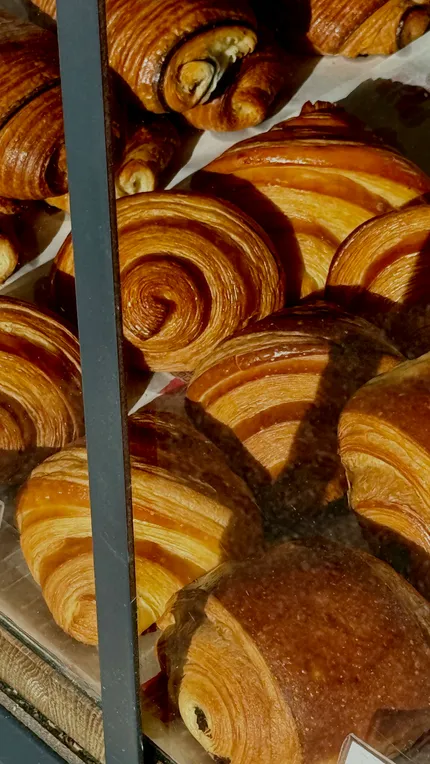
Les Halles de Lyon Paul Bocuse
Les Halles de Lyon Paul Bocuse is a covered food market dedicated to the finest Lyonnaise gastronomy. Named after the legendary chef, it houses around 50 specialist stalls selling charcuterie, cheese, seafood, pastries, and wine. Located near Part-Dieu, the market is a destination for both locals and visitors seeking quality regional produce. Several stalls offer seating where you can eat on the spot.
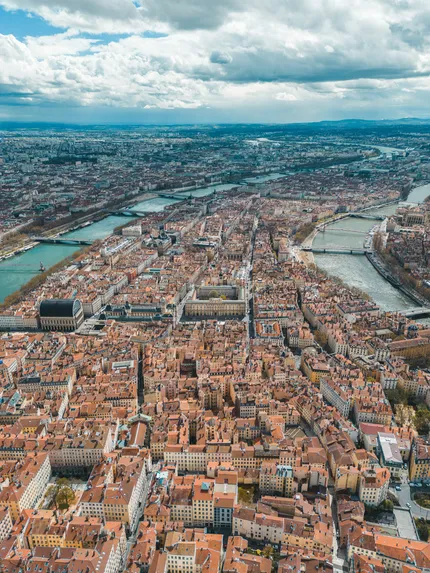
Presqu'île
Presqu'île is the peninsula at the heart of Lyon, wedged between the Rhône and Saône rivers. This vibrant district is the city's commercial and cultural hub, home to Place Bellecour, one of Europe's largest pedestrian squares, and Place des Terreaux with its famous Bartholdi fountain. The area is packed with shops, restaurants, museums, and grand Haussmann-style architecture, making it ideal for leisurely exploration.
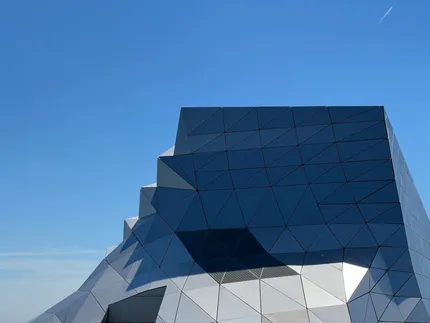
Confluence Museum
The Musée des Confluences sits at the tip of Lyon's Presqu'île, where the Rhône and Saône rivers meet. Housed in a striking stainless steel and glass building completed in 2014, it is a science and anthropology museum exploring the origins of the universe, human societies, and natural history. Its permanent and temporary collections include artifacts, specimens, and interactive exhibits spanning millions of years of history.
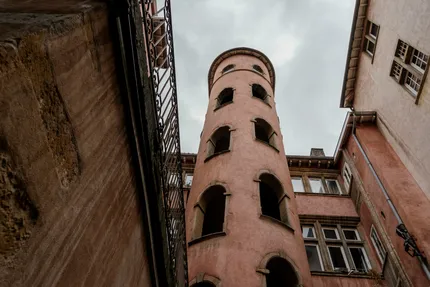
Traboules of Croix-Rousse
The traboules of Croix-Rousse are a network of secret passageways that cut through apartment buildings, connecting streets across the hillside neighborhood. Originally used by silk workers to transport fabric while protected from the rain, they later served as escape routes during World War II. Today visitors can explore these hidden corridors, many of which open during the day, revealing inner courtyards and staircases dating back centuries.
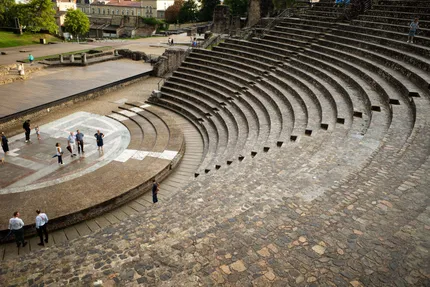
Roman Theatres of Fourvière
Perched on the Fourvière hill, Lyon's ancient Roman theatres date back to the 1st century BC. The Grand Théâtre, one of the oldest in Gaul, could seat around 10,000 spectators. Adjacent to it is the smaller Odéon. Excavated in the early 20th century, both theatres are remarkably well preserved and host the annual Nuits de Fourvière festival each summer.
Who should visit Lyon
Lyon is an excellent destination for food lovers above all others. The city's network of traditional Lyonnaise restaurants called bouchons serves hearty, unpretentious cooking, and the Les Halles de Lyon Paul Bocuse market is a destination in itself for anyone serious about French cuisine. Wine enthusiasts will find Lyon well-positioned for day trips into the Beaujolais, Côtes du Rhône, and Burgundy wine regions. History and architecture enthusiasts will appreciate the Roman ruins on Fourvière hill, including two well-preserved amphitheaters still used for performances today, as well as the Renaissance streetscapes of Vieux-Lyon.
Art and museum visitors are well served by the Musée des Beaux-Arts, one of the largest fine arts museums in France, and the Musée des Confluences, a striking contemporary science and anthropology museum. The city also appeals to travelers who enjoy exploring neighborhoods on foot, as each district has a strongly individual character. Lyon is less suited to travelers seeking beach holidays, nightlife-focused trips, or theme park entertainment. It rewards curious, culturally engaged visitors who take pleasure in urban exploration, regional food, and French history.

Best time to visit Lyon
The best time to visit Lyon is from April to June or September to October. Spring brings mild temperatures and blooming parks without the summer crowds, making it ideal for walking the city's neighborhoods and riverside paths. Early autumn offers similar conditions with the added appeal of harvest season in the surrounding Beaujolais and Rhône Valley wine regions. Summer can be warm and busy, while December, though cold, is magical if you plan your visit around the Festival of Lights.
Three top reasons for a city trip to Lyon
- Lyon's UNESCO-listed old town, Vieux-Lyon, contains outstanding Renaissance architecture and a network of hidden passageways called traboules, originally used by silk workers to transport goods.
- Lyon is considered the gastronomic capital of France, home to traditional bouchon restaurants serving local dishes like quenelles and andouillette, alongside restaurants from celebrated chefs including Paul Bocuse.
- The Fourvière hill offers Roman ruins including two well-preserved ancient theatres still used for performances, plus panoramic views over the city where the Rhône and Saône rivers meet.
Lyon is known for its well-connected public transport system, which includes buses, trams, and an efficient metro network managed by TCL. This makes traveling within the city quite convenient. The city is also highly favorable for cyclists, with numerous bike lanes and the availability of the Vélo'v bike-sharing service, allowing you to rent a bike and explore various neighborhoods easily. In addition, the city center and Old Lyon are characterized by narrow streets and historical architecture, making them perfect for walking. A car is not necessary for getting around Lyon, and is often considered less convenient due to limited parking and traffic restrictions in some areas. Overall, using public transport, cycling, or walking are the best ways to enjoy the rich cultural and historical sites of the city.
This content was created with AI assistance and may contain inaccuracies.