
City break inVancouver
Vancouver is a strikingly beautiful city on Canada's Pacific coast, framed by snow-capped mountains and the ocean. It is one of North America's most livable and diverse cities, blending urban sophistication with extraordinary natural surroundings. The city's neighborhoods each have a distinct character: Gastown offers cobblestone streets and Victorian architecture, Granville Island is a lively hub for food markets and artisan studios, while Kitsilano draws visitors with its beaches and relaxed atmosphere. Vancouver's culinary scene is exceptional, shaped by a strong Asian-Canadian influence that produces some of the finest sushi, dim sum, and fusion cuisine on the continent.
Stanley Park, a massive urban green space at the edge of downtown, provides seawall walks, forest trails, and sweeping views of the harbor. The city also serves as a gateway to world-class outdoor destinations such as Whistler and the Sea-to-Sky corridor. With a well-connected public transit system and a compact, walkable downtown core, Vancouver is an easy and rewarding city to explore.
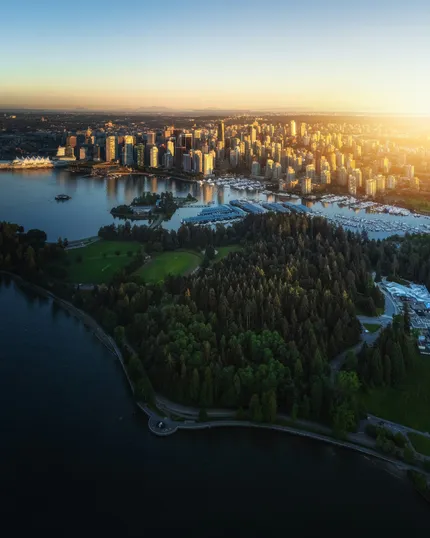
Stanley Park
Stanley Park is a vast urban forest and green space on a peninsula in Vancouver's West End. Covering over 400 hectares, it features the scenic Seawall, beaches, forest trails, and views of the mountains and harbour. Visitors can rent bikes, explore totem poles at Brockton Point, visit the Vancouver Aquarium, and enjoy diverse wildlife including herons, raccoons, and bald eagles.
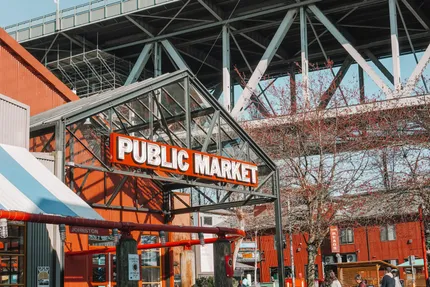
Granville Island Public Market
Granville Island Public Market is a bustling indoor market in Vancouver, located beneath the Granville Bridge. Open daily, it features over 50 vendors selling fresh produce, seafood, baked goods, artisan cheeses, and prepared foods. Local farmers, fishermen, and food producers supply much of the stock. The market also hosts street performers and sits alongside craft studios, galleries, and independent shops, making it a lively cultural destination.
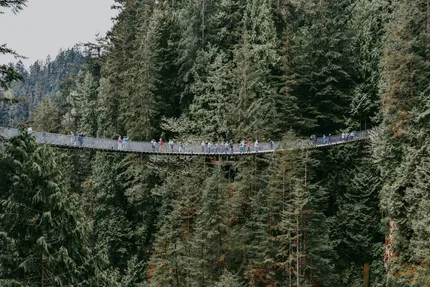
Capilano Suspension Bridge
The Capilano Suspension Bridge spans 137 meters across the Capilano River, hanging 70 meters above it. Located in North Vancouver, the attraction includes treetop walkways, cliff walks, and forested trails alongside the famous bridge. It offers striking views of the surrounding temperate rainforest. The site operates year-round, with special light displays during winter months. Admission fees apply, and the location is accessible by public transit.
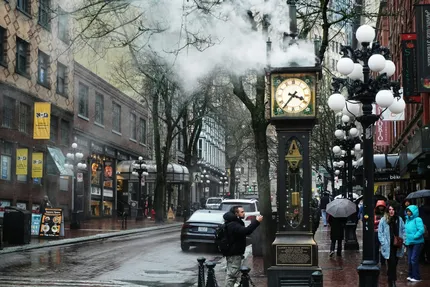
Gastown
Gastown is Vancouver's oldest neighbourhood, recognised by its Victorian-era brick buildings, cobblestone streets, and the famous steam-powered clock on Water Street. The area has been transformed into a lively district filled with independent boutiques, galleries, restaurants, and bars. Located just east of downtown, it serves as a starting point for exploring the city and offers insight into Vancouver's late 19th-century origins as a trading settlement.
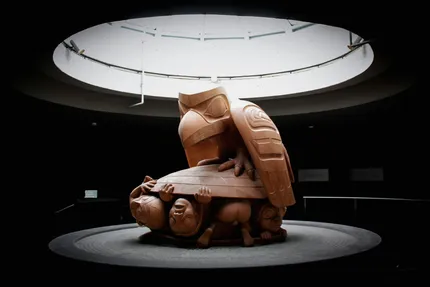
Museum of Anthropology
The Museum of Anthropology at the University of British Columbia houses one of Canada's finest collections of Northwest Coast First Nations art and artifacts. Highlights include towering totem poles, intricate carvings, and Bill Reid's monumental sculpture The Raven and the First Men. The Great Hall offers stunning views of the surrounding mountains and ocean, providing a dramatic backdrop for the remarkable works on display.
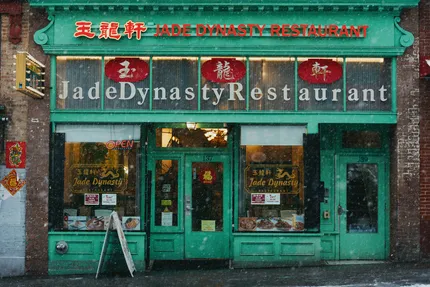
Chinatown
Vancouver's Chinatown is one of the largest in North America and a National Historic Site. Located near downtown, it features traditional architecture, herbal medicine shops, restaurants, and markets. The Dr. Sun Yat-Sen Classical Chinese Garden is a highlight, offering a peaceful retreat within the neighborhood. The area reflects the significant contributions of Chinese immigrants to Vancouver's history and culture.
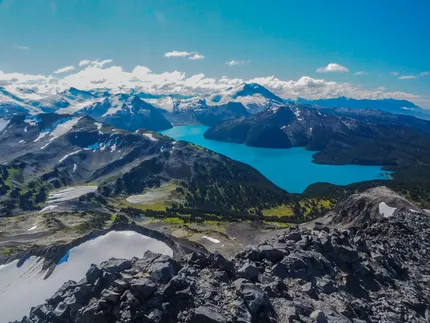
Whistler Day Trip
A day trip from Vancouver to Whistler is a popular excursion, taking roughly two hours along the scenic Sea-to-Sky Highway. Whistler offers world-class skiing and snowboarding in winter, while summer brings hiking, mountain biking, and the Peak 2 Peak Gondola. The village itself has restaurants, shops, and a lively atmosphere, making it an enjoyable destination year-round for outdoor enthusiasts and casual visitors alike.
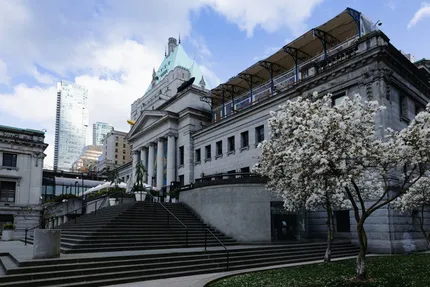
Vancouver Art Gallery
The Vancouver Art Gallery is one of Canada's largest art museums, located in the heart of downtown Vancouver. Housed in a neoclassical former courthouse, it features an impressive collection of works by Emily Carr alongside rotating international exhibitions. The gallery also serves as a cultural gathering space, hosting events and public programs throughout the year. Admission fees apply, with discounts available for students and seniors.
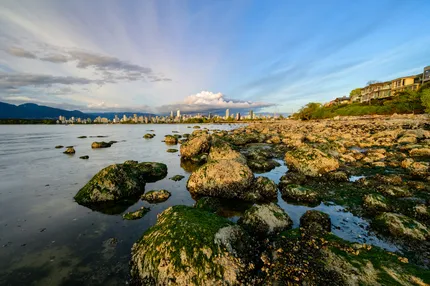
Kitsilano Beach
Kitsilano Beach is one of Vancouver's most popular urban beaches, stretching along the north shore of the Kitsilano neighbourhood with stunning views of the North Shore mountains and English Bay. The beach offers swimming, beach volleyball courts, and a large outdoor heated saltwater pool nearby. The surrounding area has plenty of cafes, restaurants, and shops along West 4th Avenue and Cornwall Avenue.
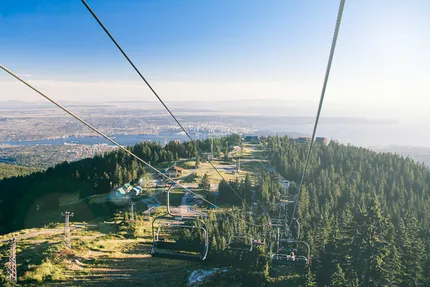
Grouse Mountain
Grouse Mountain is a year-round outdoor destination located just 15 minutes from downtown Vancouver. In winter, it offers skiing, snowboarding, and ice skating. Summer activities include hiking, ziplines, and wildlife encounters with resident grizzly bears and wolves. The Skyride gondola provides stunning views of the city and surrounding landscape. The Grouse Grind trail, a demanding hike up the mountain, is a local favorite.
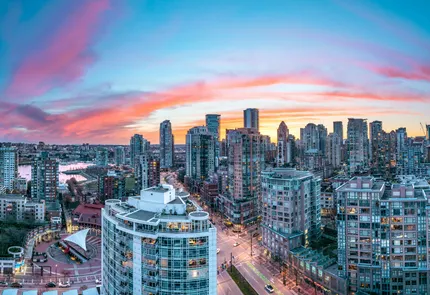
Yaletown
Yaletown is a trendy neighbourhood in downtown Vancouver, built on the former site of a Canadian Pacific Railway yard. Its heritage brick warehouses have been converted into upscale restaurants, boutiques, and bars. The area borders False Creek and offers pleasant waterfront walkways. It has a lively dining and nightlife scene and is well connected by SkyTrain via the Yaletown-Roundhouse Canada Line station.
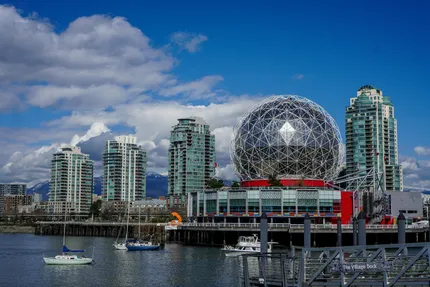
Science World
Science World is a hands-on science museum located in a distinctive geodesic dome on the shore of False Creek. It features interactive exhibits covering topics like nature, physics, and human biology, along with a large-format OMNIMAX theatre. The facility hosts rotating exhibitions and educational programs for all ages. The landmark dome is one of Vancouver's most recognizable structures, easily accessible via SkyTrain or False Creek ferry.
Who should visit Vancouver
Vancouver is an excellent destination for outdoor enthusiasts who want access to nature without sacrificing urban comforts. Hikers and cyclists will find an outstanding network of trails and cycling paths, with routes like the Seawall and the trails of Cypress Mountain easily accessible from the city. In winter months, skiers and snowboarders can reach Grouse Mountain or Whistler within a short drive, making it a rare city where skiing and city exploration can be combined in one trip. Food lovers, particularly those with an interest in Asian cuisine, will find Vancouver exceptionally rewarding. The city has one of the highest concentrations of high-quality Japanese, Chinese, and Korean restaurants in North America, concentrated especially in neighborhoods like Richmond and the West End.
Travelers interested in marine life and coastal scenery will enjoy whale watching tours and kayaking in the surrounding waters. Vancouver is also a strong fit for travelers who appreciate multicultural urban environments and want to experience a city with a genuinely cosmopolitan feel. It suits independent travelers well, as public transit is reliable and the main areas of interest are straightforward to navigate on foot or by bike.

Best time to visit Vancouver
The best time to visit Vancouver is from June to September, when the city enjoys its driest and warmest weather, with temperatures typically ranging from 18 to 25 degrees Celsius. July and August are peak months, ideal for beaches, outdoor festivals, and exploring Stanley Park. Late spring and early September offer pleasant conditions with smaller crowds. Vancouver's winters are mild but rainy and grey, which can dampen outdoor exploration, though the ski season at nearby mountains begins in late November.
Three top reasons for a city trip to Vancouver
- Stanley Park offers 1,000 acres of ancient forest, scenic seawall cycling paths, and views of the North Shore mountains, all minutes from downtown Vancouver.
- Vancouver's diverse neighbourhoods like Granville Island, Gastown, and Chinatown offer world-class food markets, craft breweries, and cultural history unique to the Pacific Northwest.
- The city provides rare access to both ocean and mountain activities, with skiing on Grouse Mountain and whale watching in Howe Sound available year-round.
Vancouver is a very walkable and cyclable city, with an extensive network of dedicated bike lanes and scenic seawall paths. The public transit system, operated by TransLink, is efficient and covers the city and surrounding regions well. It includes the SkyTrain rapid transit network, buses, and the SeaBus ferry connecting downtown Vancouver to North Vancouver. The SkyTrain is particularly useful for getting between the airport, downtown, and suburbs like Burnaby and Surrey. Taxis and rideshare services like Uber and Lyft are also available. A car is not necessary for most visitors staying in the central areas, though it can be helpful for exploring areas like the North Shore mountains or the Fraser Valley. The city's compact downtown core and grid street layout make it easy to navigate on foot.
This content was created with AI assistance and may contain inaccuracies.