
City break inMontreal
Montreal is a vibrant, bilingual metropolis on an island in the St. Lawrence River in Quebec, Canada. It blends French and English influences in a way that gives it a distinct character unlike any other North American city. The historic neighborhood of Old Montreal features cobblestone streets, 17th-century architecture, and the iconic Notre-Dame Basilica, while the Plateau-Mont-Royal district offers colorful row houses, independent cafes, and a thriving arts scene.
The city is home to a remarkable food culture, ranging from classic French bistros and smoked meat delis to innovative restaurants that have earned Montreal a reputation as one of Canada's top dining destinations. Mount Royal Park, designed by Frederick Law Olmsted, provides green space and panoramic views over the city. Montreal also hosts world-class festivals throughout the year, including the internationally renowned Jazz Festival and the Just for Laughs comedy festival, making it a city that always seems to have something happening at street level.
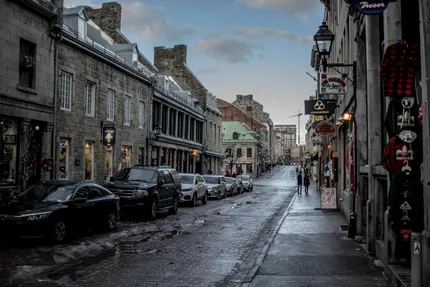
Old Montréal (Vieux-Montréal) & Old Port
Explore Montréal’s historic core with cobblestone streets, 17th–19th century architecture, and lively squares. Walk from Place Jacques-Cartier to the Old Port for river views, seasonal events, and waterfront paths. It’s ideal for a first-time visit, combining museums, cafés, boutiques, and easy access to major landmarks.
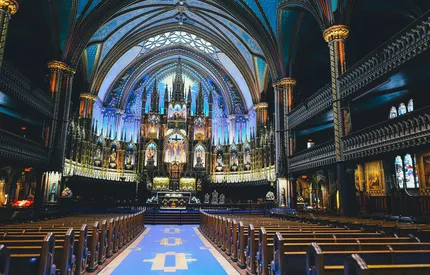
Notre-Dame Basilica of Montréal
Visit one of Canada’s most iconic churches, famous for its richly decorated Gothic Revival interior, deep blue ceiling, and dramatic wood carvings. Located in Old Montréal, it’s easy to pair with nearby sights. Consider an evening AURA light-and-sound experience for a different perspective on the space and its history.
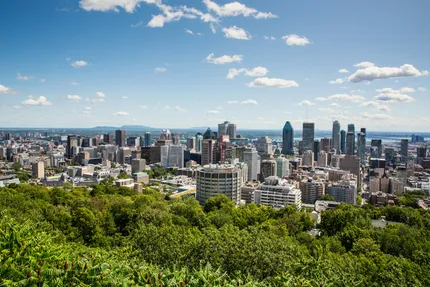
Mount Royal (Parc du Mont-Royal) & Kondiaronk Belvedere
Parc du Mont-Royal is Montreal’s central urban park, designed by Frederick Law Olmsted. Trails and stairways lead to Kondiaronk Belvedere, a lookout with panoramic views of downtown and the St. Lawrence River. It’s popular for walking, cycling, and picnics in warmer months, and for cross-country skiing and snowshoeing in winter.
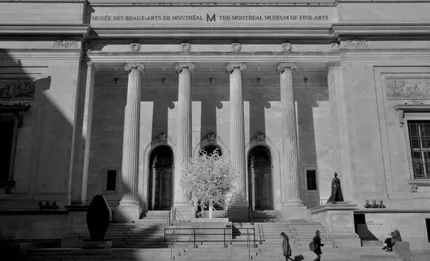
Montréal Museum of Fine Arts (MMFA)
Spend a few hours at one of Canada’s leading art museums, with collections spanning classical to contemporary works and strong Canadian and Québec representation. The museum is spread across multiple pavilions on Sherbrooke Street, making it easy to combine with nearby shopping and cafés in the Golden Square Mile.
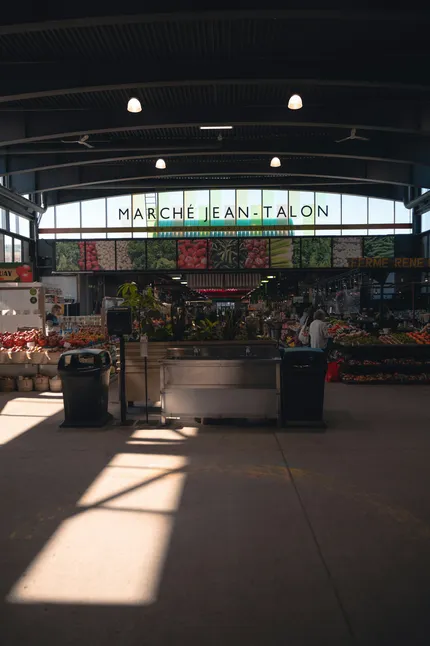
Jean-Talon Market & Little Italy
Browse one of North America’s largest public markets for local produce, Québec cheeses, baked goods, and seasonal specialties. The surrounding Little Italy area adds espresso bars and casual restaurants. Go hungry and sample as you walk; it’s especially enjoyable in warmer months when outdoor stalls are busiest.
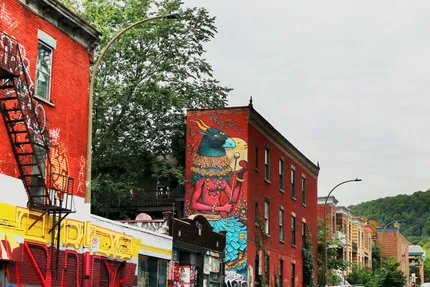
Plateau-Mont-Royal & Mile End (street art and cafés)
Wander neighborhoods known for colorful row houses, murals, independent shops, and a strong café culture. Mile End is also famous for Montréal-style bagels and creative studios. It’s best explored on foot, stopping at small galleries, bookstores, and parks. Evening is great for casual dining and bars.
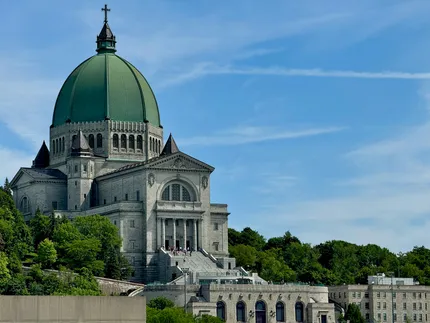
Saint Joseph’s Oratory of Mount Royal
Visit this major pilgrimage site and architectural landmark with a prominent dome and expansive views. Inside, you’ll find a large basilica, quiet chapels, and exhibits related to Brother André. The grounds are peaceful and well kept, making it a calm contrast to downtown. Allow time for the steps and terraces.
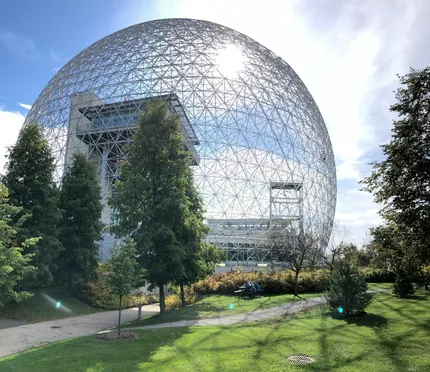
Biodôme, Botanical Garden & Olympic Park
Explore a cluster of family-friendly attractions in the east end. The Biodôme recreates ecosystems with animals and plants, while the Botanical Garden offers themed gardens and seasonal displays. Nearby Olympic Park adds architecture and viewpoints. It’s a convenient half-day plan, especially if you want indoor options in winter.
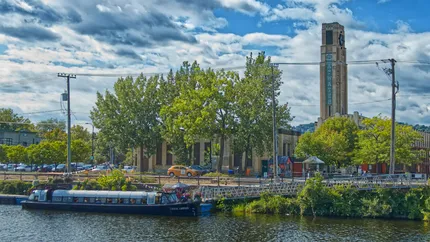
Lachine Canal & Atwater Market (walk or bike)
Follow the canal’s multi-use path for a relaxed urban nature break, passing parks, old industrial buildings, and waterside viewpoints. Start or finish at Atwater Market for snacks and local products. Renting a bike makes it easy to cover more distance. It’s particularly pleasant in spring and summer.
Who should visit Montreal
Montreal is an excellent destination for food lovers. The city's culinary scene is genuinely distinctive, covering French-influenced cuisine, Jewish-style smoked meat, bagels, poutine, and a growing range of creative restaurants. Those who enjoy eating and exploring neighborhood markets will find plenty to keep them busy for several days. The city is also a strong fit for people interested in architecture and urban culture. Old Montreal alone offers a concentrated area of historic buildings and waterfront spaces worth exploring at length, while neighborhoods like Mile End and the Plateau reward slower, walkable exploration. Festival-goers will find Montreal particularly rewarding in summer, as major events like the Montreal Jazz Festival and Osheaga music festival draw large international crowds and transform public spaces.
Art and culture travelers will appreciate the Montreal Museum of Fine Arts, the Musee d'Art Contemporain, and a dense network of independent galleries, especially in the Mile End area. Students and younger travelers tend to be well-served by the city's affordable bar and nightlife scene, which is concentrated in areas like Saint-Laurent Boulevard and the Gay Village. Montreal is less suited for travelers primarily seeking beach or nature-based activities, but those who enjoy urban exploration on foot will find it consistently rewarding.

Best time to visit Montreal
The best time to visit Montreal is from late May to early September, when temperatures are warm and the city's outdoor festival season is in full swing. July and August are the liveliest months, with numerous events taking place across the city. June is a pleasant shoulder month with fewer crowds. Winter is long and cold, though the city handles it well with underground pedestrian networks and a lively holiday atmosphere in December.
Three top reasons for a city trip to Montreal
- Explore Old Montreal’s cobblestone streets, Notre-Dame Basilica’s immersive AURA show, and the Old Port waterfront. Ride La Grande Roue for skyline views, then browse Place Jacques-Cartier’s cafés.
- Experience Montreal’s food culture: bagels from St-Viateur or Fairmount in Mile End, smoked meat at Schwartz’s on Saint-Laurent, and Jean-Talon Market tastings in Little Italy.
- Enjoy signature Montreal neighborhoods and festivals: Plateau’s murals and staircases, Mount Royal’s Kondiaronk Belvedere lookout, and summer events like the Jazz Festival and Just for Laughs downtown.
Montreal is a very walkable and cyclable city, especially in central neighborhoods like Plateau-Mont-Royal, Mile End, and downtown. The city has an extensive bike-sharing system called BIXI, operating from spring to fall, with hundreds of stations across the island. Public transit is well-developed, run by the STM, and includes four metro lines and an extensive bus network that covers most of the island. The metro is clean, reliable, and affordable, making it easy to reach most attractions without a car. A car is generally unnecessary for visitors staying in central areas, though it can be useful for exploring the outskirts or nearby regions like the Laurentians or Eastern Townships. Ride-sharing services like Uber also operate throughout the city, providing a convenient alternative for late-night travel when bus frequency drops.
This content was created with AI assistance and may contain inaccuracies.