
City break inToronto
Toronto, Canada's largest city, sits on the northwestern shore of Lake Ontario and serves as the cultural and financial hub of the country. The city is one of the most multicultural urban centres in the world, with over half its population born outside Canada. This diversity translates directly into an exceptional food scene, vibrant neighbourhoods, and a calendar packed with cultural festivals. Neighbourhoods like Kensington Market, Chinatown, Little Italy, and Distillery District each have a distinct character worth exploring on foot.
The CN Tower remains the city's most iconic landmark and offers sweeping views across the skyline and lake. Toronto's waterfront has been significantly developed in recent years, offering pleasant walks, parks, and ferry access to the Toronto Islands. The city also boasts a strong arts scene, with world-class institutions like the Royal Ontario Museum, the Art Gallery of Ontario, and a thriving theatre district that rivals many major international cities. Getting around is manageable via the TTC subway and streetcar network.
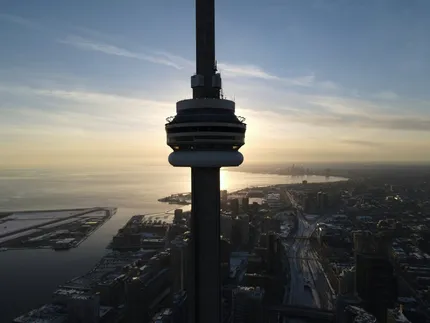
CN Tower
Toronto’s most recognizable landmark offers panoramic views from indoor and outdoor observation decks. Visit around sunset for changing light over Lake Ontario and the skyline. The EdgeWalk lets you walk hands-free on the tower’s exterior ledge (seasonal). The base area connects easily to downtown attractions and transit.
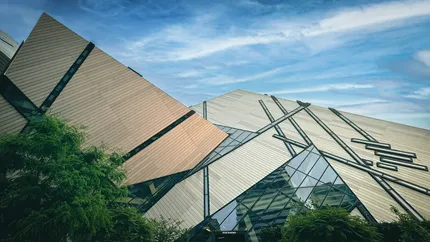
Royal Ontario Museum (ROM)
One of Canada’s top museums, the ROM combines natural history, world cultures, and major special exhibitions. Highlights include dinosaur galleries, Indigenous collections, and rotating international shows. The striking Michael Lee-Chin Crystal contrasts with the historic building. Plan 2–3 hours, and consider timed tickets on busy weekends.
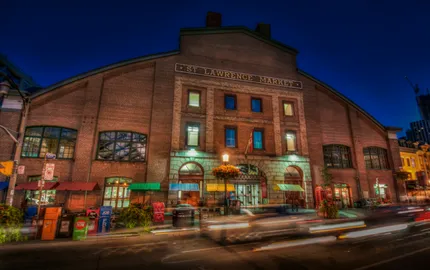
St. Lawrence Market
A classic Toronto experience for local food, produce, and specialty vendors in a historic market hall. Try peameal bacon sandwiches, fresh pastries, and Canadian cheeses, then browse crafts and pantry goods. It’s lively on weekends and quieter midweek. Nearby streets are great for a short walk through Old Town.
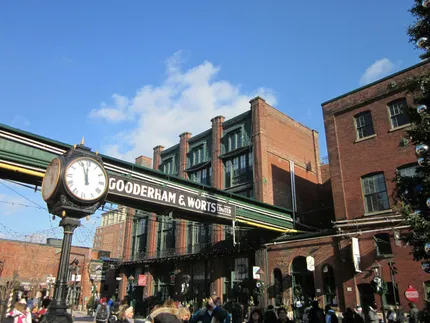
Distillery Historic District
A pedestrian-only area of restored Victorian industrial buildings filled with galleries, boutiques, cafés, and restaurants. The brick lanes and heritage architecture make it ideal for photos and an easy stroll. Seasonal events, including the winter market, add atmosphere. Go in late afternoon, then stay for dinner and drinks.
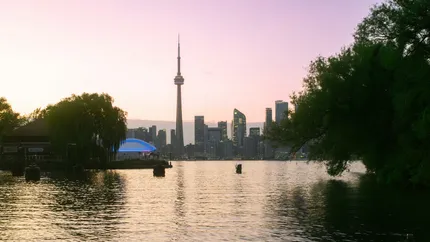
Toronto Islands (Centre Island & Ward’s Island)
Take a short ferry ride for beaches, skyline views, and car-free paths. Rent a bike, kayak, or paddleboard, or simply picnic with views back to downtown. Centre Island has family-friendly attractions, while Ward’s feels quieter and residential. Best in warmer months; check ferry schedules and weather before going.
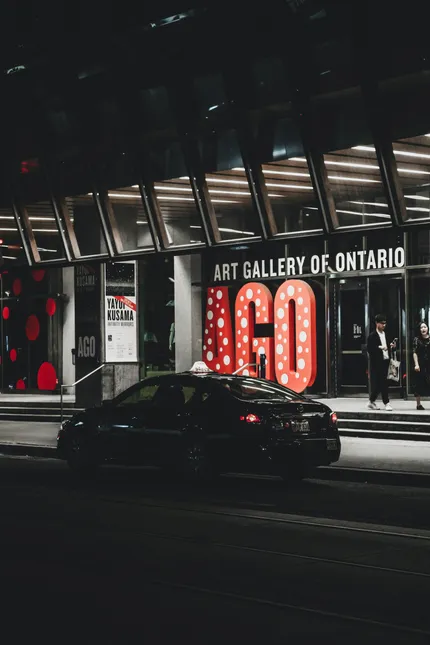
Art Gallery of Ontario (AGO)
A major art museum with strong Canadian collections, European masters, contemporary works, and notable Indigenous art. The Frank Gehry redesign adds dramatic wood and glass interiors. Don’t miss the Group of Seven and rotating exhibitions. It’s close to Chinatown and Kensington Market, making it easy to combine with food stops.
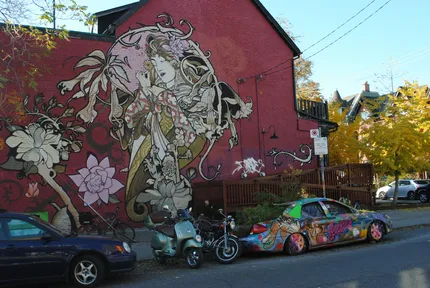
Kensington Market & Chinatown
A compact, eclectic neighborhood known for vintage shops, street art, and global food. Browse independent stores, then sample tacos, Caribbean patties, dumplings, or bubble tea nearby. The area feels most vibrant on weekends; some streets become pedestrian-friendly during events. Come hungry and plan to wander without a strict route.
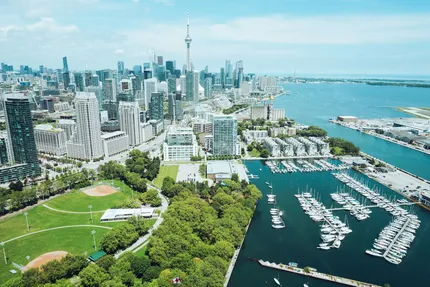
Harbourfront & Waterfront Trail
Walk or cycle along Lake Ontario for marinas, parks, and frequent cultural programming. Harbourfront Centre hosts concerts, festivals, and exhibitions, especially in summer. The Waterfront Trail links scenic stretches with plenty of patios and viewpoints. It’s a relaxing counterbalance to downtown, and easy to reach from Union Station.

Casa Loma
A hilltop castle-style mansion with grand rooms, gardens, and city views. Explore period interiors, secret passages, and exhibits on Toronto’s early 20th-century history. The grounds are pleasant in spring and fall, and the site hosts seasonal events. It’s slightly outside the core, but accessible by transit and worth the detour.
Who should visit Toronto
Toronto is an excellent destination for food-focused travellers. The city's extraordinary ethnic diversity means you can authentically explore cuisines from nearly every corner of the world, from Sichuan hotpot in Scarborough to Caribbean roti in Kensington Market to upscale Canadian dining downtown. Travellers with an interest in contemporary art and architecture will find plenty to engage with, from the striking crystalline extension of the Royal Ontario Museum to the AGO's Frank Gehry-redesigned building. Sports enthusiasts will appreciate the city's professional teams across multiple major leagues, with the Raptors, Maple Leafs, Blue Jays, and Toronto FC all playing here and all offering a lively atmosphere on game nights.
History and heritage travellers can explore Casa Loma, the Distillery District's Victorian industrial architecture, and Fort York. Nature-oriented visitors who still prefer an urban base will enjoy the Toronto Islands, which provide a car-free escape with beaches and skyline views just a short ferry ride from downtown. Toronto suits travellers who enjoy dense, walkable urban neighbourhoods with strong local identities rather than those seeking a compact, easily navigated tourist circuit.

Best time to visit Toronto
The best time to visit Toronto is between late May and early October. Summer months, particularly July and August, bring warm temperatures, outdoor festivals, and full use of the waterfront and islands. June and September offer milder weather with fewer crowds, making them arguably the most comfortable months for sightseeing. Spring can be unpredictable with lingering cold snaps. Winter is harsh, with heavy snowfall and temperatures well below freezing, though the city does have an extensive underground PATH network for navigating downtown in cold weather.
Three top reasons for a city trip to Toronto
- Experience Toronto’s skyline and waterfront: ride up the CN Tower’s LookOut and EdgeWalk, then explore Harbourfront Centre, take a ferry to the Toronto Islands, and bike car-free paths.
- Dive into Toronto’s distinct neighbourhoods and food: browse Kensington Market, Chinatown, and Little Italy; shop Queen Street West; tour St. Lawrence Market; and try peameal bacon sandwiches.
- Enjoy world-class culture and day trips: visit the Royal Ontario Museum and Art Gallery of Ontario, catch a show in the Entertainment District, and take an easy excursion to Niagara Falls.
Toronto is a large city best navigated using a combination of transit options. The Toronto Transit Commission (TTC) operates an extensive subway, streetcar, and bus network that covers most areas visitors and residents need to reach. The subway has four lines connecting key neighborhoods, while streetcars serve downtown corridors effectively. Cycling infrastructure has improved significantly, with dedicated bike lanes across many streets, and bike-share program Bike Share Toronto offers convenient short trips. Walking is practical in dense neighborhoods like downtown, Kensington Market, and the Annex. However, outer suburban areas can be difficult to reach without a car. Regional transit provider GO Transit connects the city to surrounding suburbs. Ride-sharing and taxis are widely available for late-night travel or areas with limited transit. Overall, most tourists can get around comfortably without renting a car, especially when staying in central neighborhoods close to the subway network.

This content was created with AI assistance and may contain inaccuracies.