
City break inTurin
Turin (Torino) blends royal grandeur with industrious creativity at the foot of the Alps, making it an easy, rewarding city break. Arcaded boulevards, elegant piazzas like Piazza San Carlo and Piazza Castello, and Savoy palaces set a refined scene that is walkable and coherent. The city’s museums are exceptional: the Museo Egizio ranks among the world’s leading Egyptian collections; the soaring Mole Antonelliana houses the National Museum of Cinema with a panoramic lift; and the Royal Museums present the legacy of the House of Savoy. Contemporary culture lives at GAM and the Castello di Rivoli. Between sights, Turin is about café culture and flavor: sip a bicerin in historic cafés, sample gianduja chocolate, and explore Europe’s largest open‑air market at Porta Palazzo.
Dinner runs from Piedmontese trattorie to inventive aperitivo in the Quadrilatero Romano. Green spaces thread the Po River, from Parco del Valentino’s riverside paths to the hilltop Basilica of Superga for sweeping views. Efficient trams and a simple metro support a compact, low-stress visit. Automotive heritage surfaces at the Lingotto complex and the National Automobile Museum.
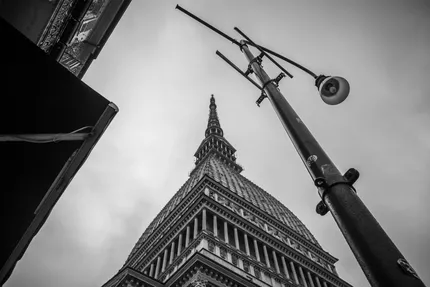
Mole Antonelliana
The Mole Antonelliana, Turin’s landmark tower, was begun in 1863 by Alessandro Antonelli and later became home to Italy’s National Museum of Cinema. Today, its distinctive dome and spire rise to 167.5 meters. A glass elevator carries visitors to a viewing terrace with views over the city and the Alps.
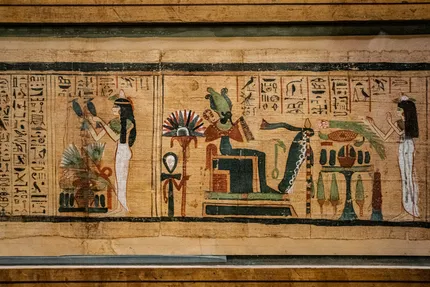
Egyptian Museum
Turin’s Museo Egizio is one of the world’s foremost Egyptian antiquities museums, founded in 1824 and regarded as the oldest devoted to Egyptian culture. Its extensive collection includes statues, sarcophagi, mummies, and papyri, with highlights such as the Gallery of the Kings and the intact tomb assemblage of Kha and Merit.
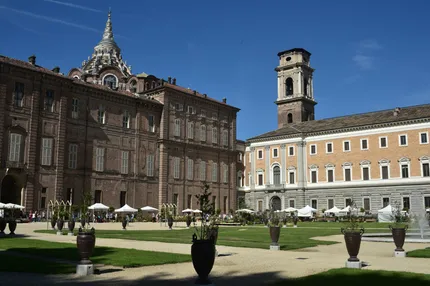
Palazzo Reale
Turin's Palazzo Reale (Royal Palace) was the Savoy dynasty’s seat, a Baroque residence now within the Musei Reali complex and a UNESCO World Heritage site. Visitors can tour opulent state apartments, the Armeria Reale (Royal Armoury), and the Biblioteca Reale, and access the restored Chapel of the Holy Shroud. Formal gardens and temporary exhibitions round out visits.
Piazza Castello
Piazza Castello is Turin’s central square, the hub of the historic core. It is framed by porticoes and major landmarks, including Palazzo Madama, the Royal Palace, the Church of San Lorenzo, and the Teatro Regio. Streets like Via Po and Via Roma radiate from here. Expect fountains, frequent cultural events, and access to the Royal Gardens.
Piazza San Carlo
Piazza San Carlo is Turin's grand 17th-century Baroque square, set along Via Roma and nicknamed the city's salon. Designed by Carlo and Amedeo di Castellamonte, it features arcaded palazzi, historic cafes, and the twin churches of Santa Cristina and San Carlo Borromeo. At its center stands Carlo Marochetti's 1838 equestrian statue of Emanuele Filiberto.
Basilica di Superga
Basilica di Superga stands atop the hill east of Turin, a Baroque church by Filippo Juvarra, commissioned after the 1706 siege. It offers wide views of the city and Alps, houses the Savoy royal tombs, and is reachable by the historic Sassi–Superga rack railway. A nearby memorial honors the 1949 Torino football team air disaster.
Parco del Valentino
Parco del Valentino is Turin’s landmark riverside park along the Po. It combines leafy promenades and cycling paths with cultural sights: the UNESCO-listed Castello del Valentino, the 19th‑century Borgo Medievale, the Orto Botanico di Torino, and the Fountain of the Twelve Months. It’s ideal for walks, picnics, river views, and seasonal events near the city center.
Museo dell'Automobile
Museo Nazionale dell'Automobile (MAUTO) in Turin traces global car history from the late 1800s to today. Its collection features 200+ vehicles from over 80 marques, with strong representation of Fiat, Lancia and Alfa Romeo. Galleries cover design, technology, racing and social impact, reflecting Turin's role as Italy's automotive capital; reopened after a major 2011 renovation.
Lingotto
Lingotto, Turin’s former 1920s FIAT factory, is an architectural icon with a rooftop test track made famous by The Italian Job. Redeveloped by Renzo Piano, it houses shops, hotels, a conference and exhibition center, and the Pinacoteca Agnelli. Visitors can access the roof, including the preserved track and Pista 500 art garden.
Who should visit Turin
Turin suits travelers who value museums, food, and architecture over beach time or nightlife marathons. Museum-focused visitors can build an itinerary around the Museo Egizio, the National Museum of Cinema, the Royal Museums, GAM, and the National Automobile Museum, all within easy reach of the center. Architecture and history enthusiasts will appreciate the baroque squares, porticoed streets, and Savoy residences, plus viewpoints at Monte dei Cappuccini and Superga. Food‑motivated weekenders can browse Porta Palazzo market in the morning, lunch in a classic trattoria, sample gianduja and gelato, and plan an aperitivo crawl through the Quadrilatero Romano; add a short hop to Eataly Lingotto for regional products.
Families find manageable distances, riverfront parks, and engaging exhibits at the cinema and automobile museums. Sports fans can tour Juventus’ Allianz Stadium and Museum or catch a match in season. Photographers and walkers will like the sheltered 18 km of porticoes that make exploring comfortable in sun or rain. The city also works well for budget‑conscious travelers seeking an alternative to pricier Milan, with good-value hotels and a straightforward metro and tram system.
With two to three days you can cover core sights, leave time for cafés, and, if desired, add a half‑day to the nearby wine hills or to the palace of Venaria Reale. Caselle Airport and high-speed rail to Porta Susa make quick arrivals feasible.

Best time to visit Turin
The best months to visit are April–June and September–October, when daytime temperatures usually sit between 15–25°C and skies are often clear enough for Alpine views. Spring brings blooming river parks and outdoor café life without the summer heat. Autumn adds colorful foliage, wine harvest menus, and easy day trips to nearby Langhe hills for truffles and tastings. Summer (July–August) can be hot and humid, and some small businesses close in mid‑August, though evenings remain lively. Winter is cold and sometimes foggy, but museums are uncrowded and events shine, from Luci d’Artista light installations to November’s Artissima and Torino Film Festival.
Three top reasons for a city trip to Turin
- Stroll Turin’s Savoy-era grandeur: Piazza Castello, arcaded boulevards, royal cafés, and UNESCO-listed Royal Residences like Palazzo Reale and Reggia di Venaria Reale, showcasing Baroque brilliance, ceremonial halls, and manicured gardens.
- Immerse in world-class museums: Museo Egizio’s vast pharaonic collections; Mole Antonelliana’s National Cinema Museum with panoramic lift; Museo Nazionale dell’Automobile, GAM, and Castello di Rivoli anchoring Turin’s contemporary art scene.
- Savor Turin’s culinary soul: gianduja chocolate, bicerin, and birthplace of vermouth; vibrant aperitivo culture; Porta Palazzo market bounty; Piedmont dishes like agnolotti, vitello tonnato, truffle specialties, paired with Langhe wines.
Turin is a city that offers a variety of convenient ways to get around, making it easy for visitors to explore. The public transportation system in Turin is well-developed, consisting of buses, trams, and a metro line that efficiently connect different parts of the city. Tickets for public transport are affordable, and the system is generally reliable. Turin is also quite walkable, with many attractions located close to each other in the city center, making it pleasant for pedestrians. For those who prefer cycling, Turin has bike-sharing programs and bike-friendly streets, allowing for a convenient way to see the city. Renting a car is generally not necessary unless you plan to explore rural areas outside the city. Taxis and ride-sharing services are available for more personalized transportation needs, though they can be more expensive than public options. Overall, Turin's mix of transportation options makes it accessible for tourists and locals alike.
This content was created with AI assistance and may contain inaccuracies.