
City break inMilan
Milan is Italy’s most modern big city, where business, design, and fashion shape the pace of daily life. The historic core is compact and easy to explore on foot or by metro, anchored by the Duomo and its rooftop terraces with wide views over the city. Nearby, the Galleria Vittorio Emanuele II links major sights with cafés and flagship stores, while the Brera district adds a calmer rhythm with galleries, small streets, and the Pinacoteca di Brera. Milan’s cultural highlights include Leonardo da Vinci’s “The Last Supper” (advance booking is essential) and the grand La Scala opera house.
For a different angle, the Navigli canals come alive in the evening with aperitivo spots and casual dining. Beyond landmarks, Milan stands out for contemporary architecture in Porta Nuova, strong museums, and a food scene that ranges from classic Lombard dishes to excellent international options.
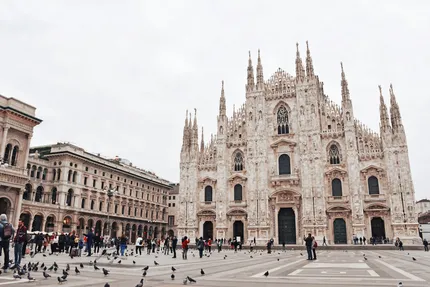
Duomo di Milano
The Duomo di Milano is Milan’s main cathedral, a vast Gothic church built over several centuries. Visitors can explore the interior, including stained glass and monuments, and access the rooftop terraces for close views of spires and statues and panoramic city views. The adjacent Museo del Duomo and archaeological area add context to its construction.
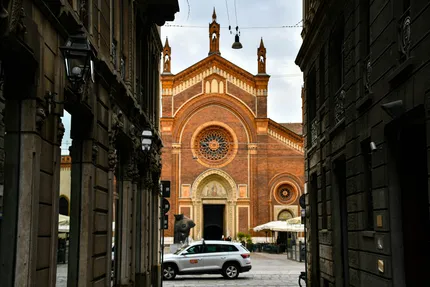
The Last Supper
Leonardo da Vinci’s The Last Supper is a late-15th-century mural in the refectory of Santa Maria delle Grazie in Milan. It is one of the city’s most important artworks and a UNESCO World Heritage site. Visits are strictly timed with limited tickets, so booking in advance is usually necessary. The mural is viewed in a controlled environment.
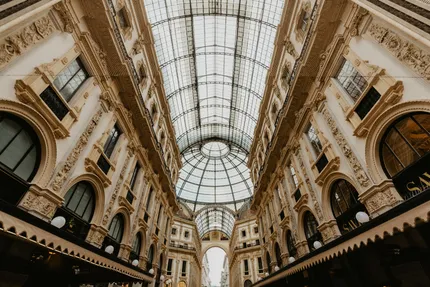
Galleria Vittorio Emanuele II
Galleria Vittorio Emanuele II is a 19th-century shopping arcade linking Piazza del Duomo and Piazza della Scala in central Milan. Designed by Giuseppe Mengoni and opened in 1877, it features a glass-and-iron vaulted roof and mosaic floors. The galleria houses luxury boutiques, historic cafés, and restaurants, and is a popular spot for strolling and architecture viewing.
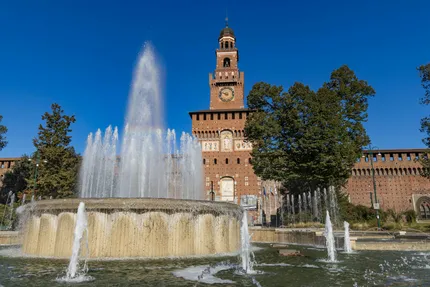
Sforza Castle
Sforza Castle (Castello Sforzesco) is a major Renaissance fortress in central Milan, built in the 15th century by the Sforza family. Today it houses several civic museums and collections, including art, historical artifacts, and musical instruments. Highlights include the courtyards, defensive walls, and access to Parco Sempione behind the castle.
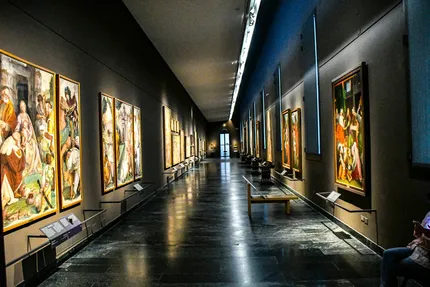
Brera Art Gallery
The Pinacoteca di Brera is Milan’s main art museum, housed in the Palazzo di Brera. It focuses on Italian painting, especially from the Renaissance to the 19th century, with major works by artists such as Raphael, Caravaggio, and Mantegna. The museum is in the Brera district, near the Accademia di Belle Arti.
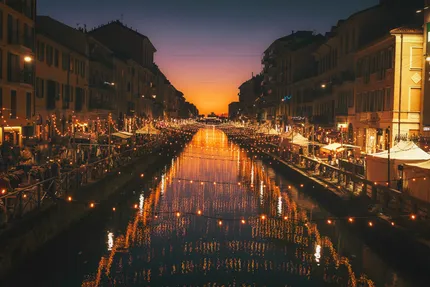
Navigli District
Milan’s Navigli District is known for its historic canals, especially Naviglio Grande and Naviglio Pavese, lined with cafés, bars, and small shops. It’s a popular area for evening aperitivo and nightlife, and hosts markets such as the Navigli Antique Market (typically monthly). Walk the towpaths, browse galleries, and visit nearby Porta Ticinese.
Teatro alla Scala
Teatro alla Scala (La Scala) is Milan’s leading opera house, opened in 1778 and closely associated with Italian opera. It hosts opera, ballet, and classical concerts, with productions by major international artists. Visitors can tour the La Scala Museum, which displays costumes, instruments, and historical documents, and sometimes view the auditorium from museum boxes.
San Siro Stadium
San Siro Stadium (Stadio Giuseppe Meazza) is Milan’s largest football venue and home to AC Milan and Inter. Visitors can join guided tours that typically include the stands, pitch-side areas, and changing rooms, plus the on-site museum with club memorabilia. Matchdays offer a lively atmosphere; check schedules and tour times in advance.
Bosco Verticale
Bosco Verticale (“Vertical Forest”) is a pair of residential towers in Milan’s Porta Nuova district, designed by architect Stefano Boeri and completed in 2014. The façades host thousands of trees and plants on balconies, creating a landmark example of urban greening. Visitors typically view it from surrounding streets and parks, as the buildings are private residences.
Who should visit Milan
Milan is an excellent short-break destination for travelers who want a city trip built around culture, design, and urban neighborhoods rather than a slow, scenic itinerary. It suits architecture and contemporary-city fans who enjoy modern districts like Porta Nuova alongside historic icons such as the Duomo. Art-focused visitors will appreciate high-impact highlights - especially “The Last Supper” and the Brera collections - plus smaller museums that fit well into a weekend. It’s also a strong match for shoppers and style-conscious travelers: from luxury flagships around the Galleria and Via Montenapoleone to concept stores and independent boutiques in Brera and around Corso Como. #Food-and-drink travelers who like structured evenings will enjoy Milan’s aperitivo culture, particularly along the Navigli and in Porta Venezia, where you can combine bars with straightforward, high-quality dining. Business travelers extending a work trip will find the city efficient, well connected, and easy to navigate by metro. #Milan is less ideal if your priority is extensive outdoor nature or beach time; its strengths are concentrated in museums, streetscapes, events, and a polished, fast-moving city atmosphere.

Best time to visit Milan
The best times to visit Milan are spring (April to June) and early autumn (September to October). Temperatures are comfortable for walking between neighborhoods, and you’ll get long daylight hours without the peak summer heat and humidity. July and August can be hot, and many locals leave the city, which may reduce the atmosphere in some areas, though major attractions remain open. Winter is cooler and can be foggy, but it’s a good period for museums, shopping, and performances at La Scala. If you want to experience the city at its most energetic, consider visiting during Design Week in April or Fashion Week in February/March and September, and book early.
Three top reasons for a city trip to Milan
- See the Duomo di Milano up close: climb to the rooftop terraces for spires and Madonnina views, then visit the adjacent Museo del Duomo and Piazza del Duomo’s lively street scene.
- Experience Milan’s art and history: book ahead for Leonardo’s “Last Supper” at Santa Maria delle Grazie, then explore Castello Sforzesco museums and Michelangelo’s Pietà Rondanini.
- Enjoy Milanese style and neighborhoods: shop the Galleria Vittorio Emanuele II and Quadrilatero della Moda, then spend evenings on Navigli canals for aperitivo, galleries, and vintage markets.
Milan boasts an efficient and comprehensive public transportation system that includes trams, buses, and a metro, making it convenient to travel within the city without a car. The city's metro network is extensive, providing access to numerous locations quickly. Milan is also relatively walkable, with many of its attractions located near each other, especially in the city center. For those who prefer cycling, Milan has a growing network of bike lanes and a bike-sharing service called BikeMi, which is popular among locals and tourists alike. Taxis and ride-sharing services are widely available for longer distances or convenience. It's advisable to use public transport or walk in central areas to avoid traffic congestion and limited parking.
This content was created with AI assistance and may contain inaccuracies.