
City break inShanghai
Shanghai is one of the world's most dynamic cities, blending its layered history with relentless modernity. The Bund, a stretch of colonial-era architecture along the Huangpu River, offers a striking contrast to the futuristic skyline of Pudong across the water, where towers like the Shanghai Tower and Oriental Pearl rise dramatically. Beyond this iconic panorama, the city rewards exploration with its winding longtang alleyways, the French Concession's plane-tree-lined streets, and vibrant neighborhoods like Tianzifang, where boutique shops and cafes occupy converted shikumen houses.
Shanghai's food scene is exceptional, from steaming baskets of xiaolongbao soup dumplings to refined Shanghainese cuisine featuring braised pork belly and freshwater hairy crab in season. World-class museums, a thriving contemporary art scene anchored by institutions like the Power Station of Art, and some of Asia's best nightlife complete the picture. Shanghai moves fast, feels endlessly stimulating, and consistently surprises even repeat visitors with new openings and evolving neighborhoods.
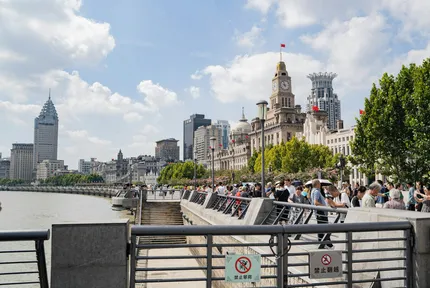
The Bund
The Bund is Shanghai's iconic waterfront promenade stretching along the western bank of the Huangpu River. It features a parade of grand colonial-era buildings representing European architectural styles, built during Shanghai's early 20th-century trading boom. Visitors walk the broad riverside walkway to admire these historic facades and enjoy striking views of the futuristic Pudong skyline across the water, making it one of China's most photographed urban landscapes.
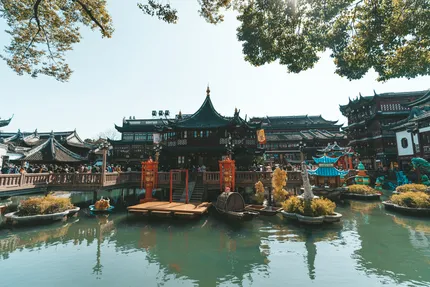
Yu Garden
Yu Garden is a classical Chinese garden located in the heart of Shanghai's Old City. Built during the Ming Dynasty in 1559, it features traditional pavilions, rockeries, ponds, and zigzag bridges spread across six acres. Adjacent to the garden is the bustling Yu Garden Bazaar, a lively marketplace selling local snacks, handicrafts, and souvenirs. Entry to the garden costs around 40 CNY.
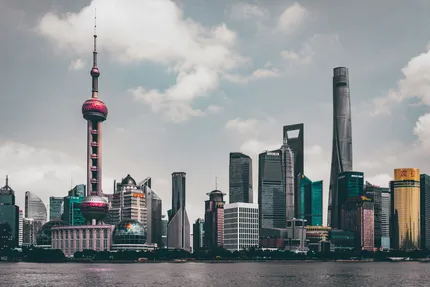
Pudong Skyline and Oriental Pearl Tower
The Pudong district showcases Shanghai's dramatic modern skyline, best viewed from the Bund across the Huangpu River. The Oriental Pearl Tower, with its distinctive pink spheres, was the city's first major skyscraper and remains an iconic landmark. Visitors can ride to observation decks for panoramic city views. The surrounding Lujiazui financial district also features the Shanghai Tower, Jin Mao Tower, and the Shanghai World Financial Center.
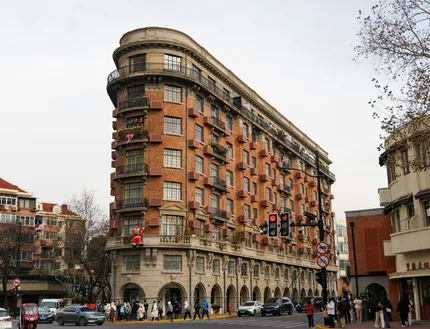
Former French Concession
The Former French Concession is a leafy, atmospheric neighborhood that served as a French-administered district from 1849 to 1943. Today it retains much of its colonial-era charm, with tree-lined streets, Art Deco buildings, and traditional shikumen architecture. The area is now home to boutique shops, cafes, restaurants, and bars, making it one of Shanghai's most pleasant districts for walking and exploring.
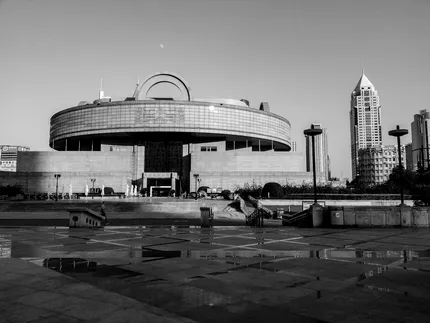
Shanghai Museum
Located in People's Square, this world-class museum houses an extensive collection of Chinese art and artifacts spanning thousands of years. Highlights include ancient bronzes, ceramics, calligraphy, jade, and furniture. The museum is well organized and free to enter, making it an ideal stop for anyone wanting to understand Chinese history and artistic tradition more deeply.
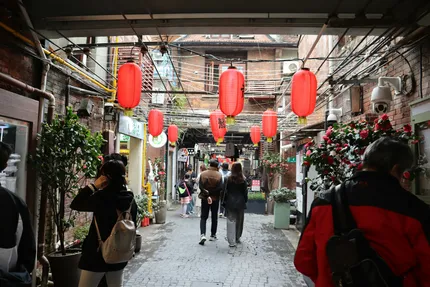
Tianzifang
Tianzifang is a creative arts and shopping enclave in Shanghai's former French Concession, housed in a labyrinth of renovated shikumen (stone gate) lane houses. The area is filled with independent boutiques, art studios, cafes, and galleries. It offers a more intimate atmosphere than other Shanghai attractions, making it a popular spot to browse unique handmade goods, local artwork, and enjoy a coffee while exploring the narrow, winding laneways.
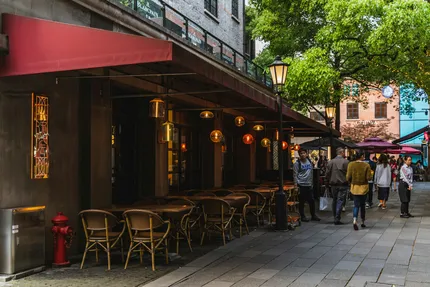
Xintiandi
Xintiandi is a pedestrianised entertainment district in central Shanghai, blending restored shikumen stone-gate architecture with modern restaurants, cafes, bars, and shops. The area was redeveloped in the early 2000s while preserving its 1920s lane-house character. It also houses the Site of the First National Congress of the Chinese Communist Party, making it a place where history and contemporary urban life intersect.
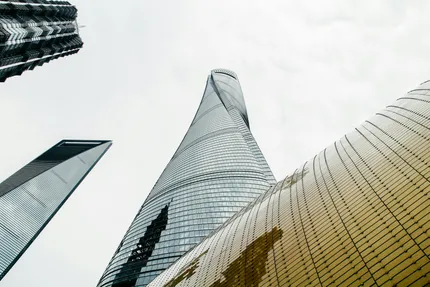
Shanghai Tower Observation Deck
The Shanghai Tower Observation Deck sits on the 118th floor of China's tallest building, offering panoramic views across the city at roughly 546 meters above ground. Visitors can see the Huangpu River, the historic Bund, and the surrounding Pudong skyline. The tower's twisting glass facade and the world's fastest elevators make the ascent itself part of the experience. Clear days offer views extending far beyond the city center.
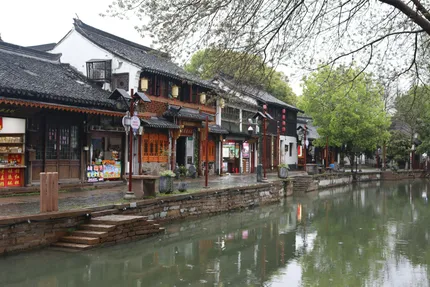
Zhujiajiao Water Town
A well-preserved ancient water town located about an hour from central Shanghai. Stone bridges, canal-side houses, and narrow lanes characterize this historic settlement dating back over 1,700 years. It offers a peaceful contrast to the urban intensity of the city center. Boat rides through the canals are a popular way to experience the town's traditional character.
Who should visit Shanghai
Shanghai is an excellent destination for urban explorers who are drawn to cities that operate at a high intensity and offer strong contrasts within a compact area. Architecture enthusiasts will find no shortage of material here, from Art Deco heritage buildings in the former International Settlement to cutting-edge contemporary towers in Pudong. The French Concession specifically appeals to those who enjoy walkable neighborhoods with good independent restaurants, specialty coffee shops, and design-focused retail. Food-focused travelers will thrive in Shanghai, particularly those interested in regional Chinese cuisine.
The city offers serious depth beyond the famous soup dumplings, including Shanghainese red-braised dishes, fresh seafood, and a sophisticated fine-dining scene that draws internationally recognized chefs. Contemporary art and design enthusiasts will appreciate institutions like the Power Station of Art, the West Bund Museum, and a dense gallery circuit that is among Asia's most active. Business travelers who want to extend a work trip into a cultural experience will also find Shanghai very accommodating, given its efficient metro system, broad range of accommodation, and the ease with which its key districts can be explored over a few days.

Best time to visit Shanghai
The best time to visit Shanghai is spring, from March to May, when temperatures are mild and the city's parks and tree-lined streets are at their most pleasant. Autumn, from September to November, is equally appealing, with clear skies and comfortable warmth. Summer brings intense heat and humidity, along with the risk of typhoons in July and August. Winter is cold and grey but less crowded and more affordable, which suits travelers on a tighter schedule or budget.
Three top reasons for a city trip to Shanghai
- The Bund offers a stunning waterfront promenade with colonial-era architecture facing the futuristic Pudong skyline, including the iconic Oriental Pearl Tower and Shanghai Tower, creating a dramatic contrast unique to this city.
- Shanghai's former French Concession neighborhood features tree-lined streets, art deco buildings, independent boutiques, and excellent restaurants, giving visitors a charming glimpse into the city's cosmopolitan colonial history.
- Yu Garden, a classical Ming dynasty garden in the Old City, offers beautifully preserved pavilions, rockeries, and ponds, surrounded by the bustling Yuyuan Bazaar marketplace selling traditional crafts and street food.
Shanghai has an extensive and efficient public transport network, making it easy to get around without a car. The metro system has over 20 lines covering most parts of the city and is the backbone of daily travel. It is affordable, reliable, and signs are in both Chinese and English. Buses are also widely available but can be slower due to traffic. Taxis and ride-hailing apps like Didi are convenient and reasonably priced. In central areas like the French Concession, cycling is a pleasant option, with many bike-sharing services such as Meituan and Hello Bike available. Walking works well in specific neighborhoods, but the city is vast, so relying solely on foot is not practical. Driving is generally not recommended for visitors due to complex traffic patterns, the requirement for a Chinese driving license, and the ease of alternatives. Overall, the metro is the most efficient way to navigate Shanghai.
This content was created with AI assistance and may contain inaccuracies.