
City break inHong Kong
Hong Kong is a city of extraordinary contrasts, where gleaming skyscrapers rise dramatically from Victoria Harbour and century-old temples sit quietly beside luxury shopping malls. Despite being one of the world's most densely populated places, the city offers remarkable breathing room through its extensive network of country parks, hiking trails, and outlying islands. The iconic Star Ferry crossing between Hong Kong Island and Kowloon remains one of the finest urban experiences anywhere on the planet. The food scene is exceptional, ranging from Michelin-starred Cantonese restaurants to humble dim sum parlours and bustling dai pai dong street stalls.
Getting around is effortless thanks to one of the world's most efficient public transport systems, including the MTR metro, trams, and ferries. Neighbourhoods like Sheung Wan, Sham Shui Po, and Tai Hang each carry a distinct personality worth exploring on foot. Hong Kong rewards curious travellers with layers of history, culture, and urban energy that reveal themselves gradually over the course of a stay.
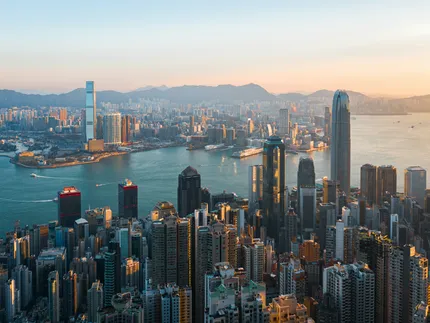
Victoria Peak
Victoria Peak, also known as The Peak, is Hong Kong's most visited attraction, standing 552 meters above sea level. The Peak Tram, operating since 1888, carries visitors up the steep hillside. From the top, panoramic views of Hong Kong's skyline, Victoria Harbour, and surrounding islands are spectacular. Sky Terrace 428 offers the highest viewing platform, while the area also has shops, restaurants, and walking trails.
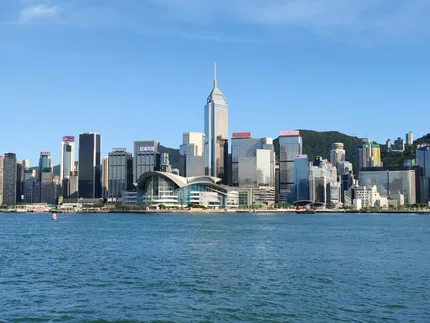
Victoria Harbour
One of the world's great natural harbours, best experienced via the historic Star Ferry crossing between Kowloon and Hong Kong Island. The nightly Symphony of Lights show illuminates the skyline from both shores. The waterfront promenades on both sides offer excellent walking, skyline photography and a sense of the city's maritime character.
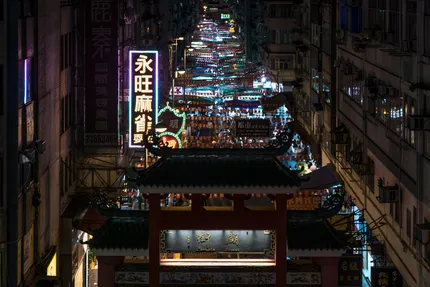
Temple Street Night Market
This bustling Kowloon street market comes alive after dark, offering street food, fortune tellers, cheap goods and authentic local atmosphere. Stalls sell clothing, electronics, watches and souvenirs. Surrounding streets feature traditional dai pai dong food stalls. It captures old Hong Kong street culture and remains a genuine neighbourhood experience rather than a polished tourist attraction.
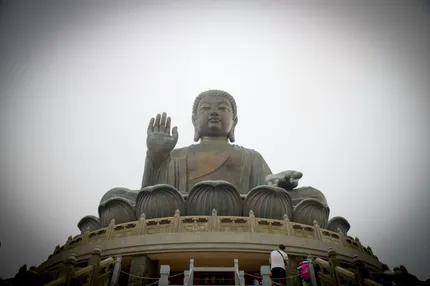
Tian Tan Buddha (Lantau Island)
The Tian Tan Buddha, also known as the Big Buddha, is a 34-metre bronze statue sitting atop Ngong Ping plateau on Lantau Island. Built in 1993, it is one of the largest outdoor seated Buddha statues in the world. Visitors can climb 268 steps to reach the base or take the scenic Ngong Ping 360 cable car. The nearby Po Lin Monastery adds cultural depth to the visit.
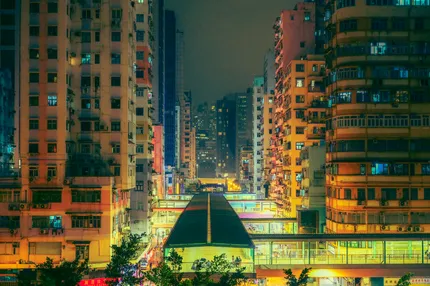
Mongkok Street Markets
Mongkok is one of Hong Kong's densest and most vibrant neighborhoods, home to a series of lively street markets. The Ladies' Market offers clothing and accessories, while the nearby Flower Market and Goldfish Market provide more unique browsing experiences. The Fa Yuen Street market is popular for sportswear and sneakers. These markets offer affordable shopping, local street food, and an authentic glimpse into everyday Hong Kong life.
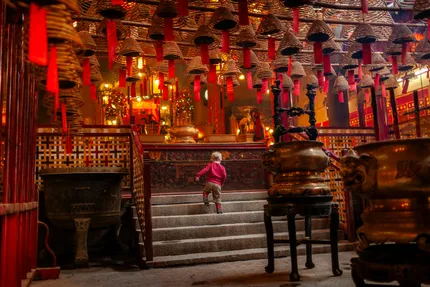
Man Mo Temple
Man Mo Temple is one of Hong Kong's oldest and most famous temples, built in 1847. Located in Sheung Wan on Hong Kong Island, it is dedicated to the Man god of literature and the Mo god of war. The interior is filled with large spiral incense coils hanging from the ceiling, creating a distinctive atmosphere. It remains an active place of worship visited by locals and tourists alike.
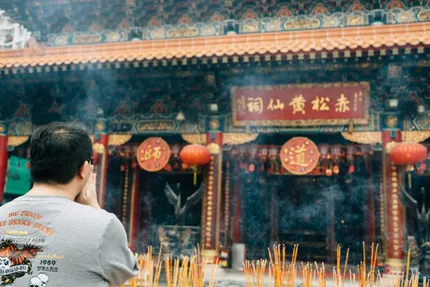
Wong Tai Sin Temple
Wong Tai Sin Temple is a vibrant Taoist temple complex in Kowloon, dedicated to the deity Wong Tai Sin, known for granting wishes. Built in 1921, it blends Taoist, Buddhist, and Confucian elements. Visitors come to pray, shake fortune sticks, and consult fortune tellers in the adjacent arcade. The colorful architecture, with red pillars and ornate rooftops, makes it one of Hong Kong's most visited religious sites.
Hong Kong Museum of History
This well-organised museum in Tsim Sha Tsui traces Hong Kong's story from prehistoric times through to the 1997 handover. The permanent Hong Kong Story exhibition uses life-size recreations, artefacts and photographs to bring the city's past to life. It is one of the best places to understand the cultural and historical context of modern Hong Kong.
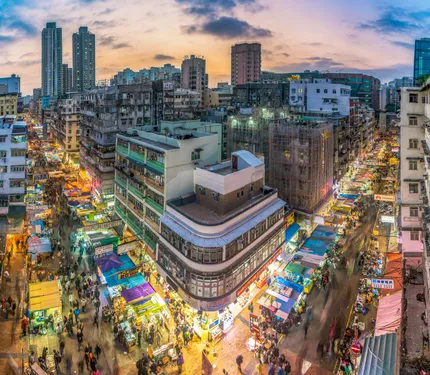
Sham Shui Po
This working-class neighbourhood in Kowloon is a favourite among locals and savvy visitors for its cheap electronics, fabrics, haberdashery and street food. The area has a raw, unpolished energy that reflects older Hong Kong. The Apliu Street flea market is particularly interesting for vintage electronics and second-hand goods. Several excellent noodle shops and cha chaan tengs line the streets.
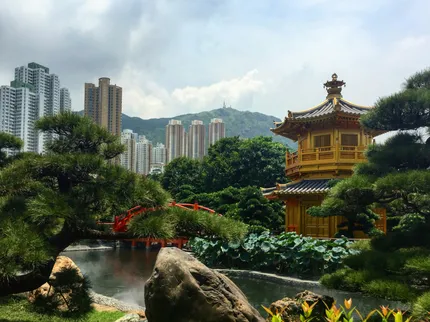
Nan Lian Garden
This classical Tang Dynasty-style garden in Diamond Hill is a serene and beautifully maintained public space. Wooden pavilions, a golden pagoda, carefully raked gravel and manicured trees create a peaceful retreat from the urban environment. Adjacent to the Chi Lin Nunnery, the combination of garden and convent grounds makes for a memorable and calming half-day visit.
Soho and PMQ
The Soho district on Hong Kong Island is packed with restaurants, bars and cafes representing cuisines from around the world. The nearby PMQ complex, housed in a former police married quarters building, hosts independent designers, boutiques and food vendors. The area connects to the Central-Mid-Levels Escalator, the world's longest outdoor covered escalator system, which is worth riding in itself.
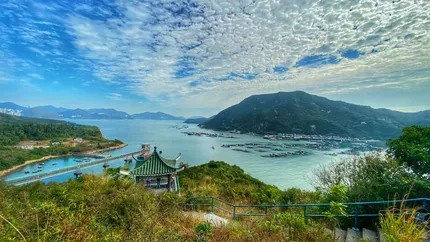
Lamma Island
A short ferry ride from Central, Lamma is one of Hong Kong's most relaxed outlying islands. Free of private cars, it has hiking trails connecting small villages, seafood restaurants along the waterfront and a laid-back community atmosphere. The walk between Yung Shue Wan and Sok Kwu Wan takes about an hour and passes through quiet countryside with coastal views.
Who should visit Hong Kong
Hong Kong is an excellent destination for food lovers, and this point cannot be overstated. The city has one of the highest concentrations of restaurants per capita in the world, and exploring everything from traditional yum cha to roast goose shops to modern Cantonese cuisine is a compelling reason to visit in itself. Urban hikers will find the city surprisingly rewarding, with trails like the Dragon's Back on Hong Kong Island and the MacLehose Trail in the New Territories offering serious walking with stunning scenery. Photography enthusiasts are well served by the dramatic skyline, neon-lit streets of Mong Kok, and the photogenic fishing village of Tai O on Lantau Island.
Culture-focused travellers can explore the heritage streets of Sheung Wan, the Chi Lin Nunnery in Diamond Hill, and the traditional walled villages of the New Territories. Shopping-oriented visitors will find everything from designer flagships in Admiralty to electronics markets in Sham Shui Po and antique dealers along Hollywood Road. Solo travellers generally find Hong Kong very manageable and safe, while those on shorter trips benefit enormously from how compact and well-connected the city is.

Best time to visit Hong Kong
The best time to visit Hong Kong is between October and early December, when the summer humidity and typhoon season have passed and temperatures settle into a comfortable range of 18 to 26 degrees Celsius. The skies are clearer, making harbour views and hiking particularly enjoyable. Spring, from March to April, is also pleasant, though haze can reduce visibility. Summer months from June to September bring intense heat, high humidity, and the risk of typhoons, making outdoor exploration less comfortable.
Three top reasons for a city trip to Hong Kong
- Victoria Harbour offers stunning skyline views, especially at night during the Symphony of Lights show, best seen from the Tsim Sha Tsui waterfront promenade on the Kowloon side.
- Hong Kong's food scene blends Cantonese dim sum, roast goose, and wonton noodles with international cuisine, concentrated in areas like Mong Kok, Sheung Wan, and the Temple Street Night Market.
- The city offers dramatic contrast between dense urban districts and accessible green spaces, including Dragon's Back hiking trail and the outlying islands of Lantau and Lamma reachable by ferry.
Hong Kong has one of the world's most efficient and comprehensive public transport systems. The MTR subway network is fast, reliable, and covers most major destinations across the city. Buses, minibuses, trams, and ferries complement the MTR and fill in gaps in coverage. The iconic Star Ferry connects Hong Kong Island and Kowloon at low cost and offers great harbour views. The city is generally walkable in dense urban areas, though hilly terrain on Hong Kong Island can make some areas challenging on foot. Cycling infrastructure is limited in the urban core but exists in the New Territories. Taxis are affordable by international standards. Owning a car is not necessary and is actually impractical given traffic congestion and high parking costs. The Octopus card works across virtually all public transport modes and makes getting around seamless.
This content was created with AI assistance and may contain inaccuracies.