
City break inBeijing
Beijing, China's capital and political heart, is one of the world's most historically rich cities. With over 3,000 years of history, it served as the imperial capital for multiple dynasties, leaving behind an extraordinary concentration of cultural heritage. The Forbidden City, a vast palace complex at the center of the city, offers a window into imperial China, while Tiananmen Square next to it ranks among the largest public squares on earth. The Temple of Heaven, the Summer Palace, and the numerous hutong alleyways that thread through older neighborhoods all add layers of depth to any visit.
Beijing is also a modern metropolis with a world-class subway system, a dynamic food scene ranging from Peking duck restaurants to street food markets, and a contemporary art district at 798. The city's sheer scale can be overwhelming, but that same scale means there is always something new to discover. A trip to the Great Wall, accessible from several points outside the city, is an experience that few places on earth can rival.
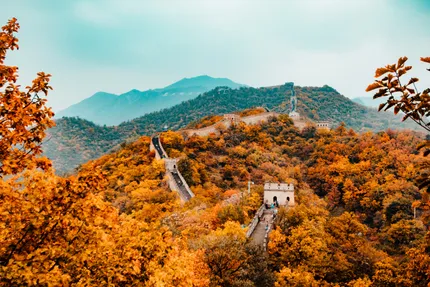
The Great Wall of China
The Great Wall of China is one of the world's most iconic landmarks, stretching thousands of miles across northern China. Near Beijing, popular sections include Mutianyu and Badaling, both offering well-preserved battlements and watchtowers. Visitors can walk along the wall, take cable cars, and enjoy panoramic views of the surrounding mountains. The wall dates back over 2,000 years and reflects China's extraordinary engineering history.
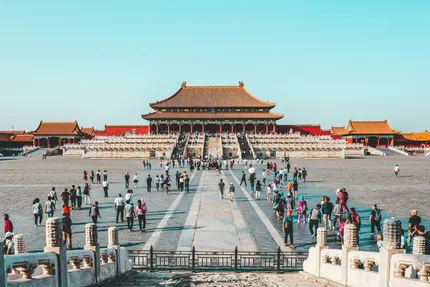
The Forbidden City
The Forbidden City is a vast imperial palace complex in central Beijing, serving as the home of Chinese emperors for nearly 500 years during the Ming and Qing dynasties. Covering 180 acres with 980 buildings, it is one of the world's best-preserved ancient palace complexes. Today it operates as the Palace Museum, housing an extensive collection of imperial artifacts, artwork, and historical treasures.
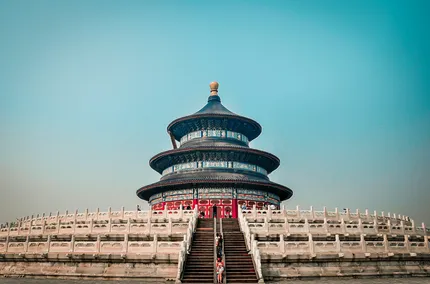
Temple of Heaven
The Temple of Heaven is a magnificent imperial complex in southern Beijing, built in the early 15th century during the Ming Dynasty. Chinese emperors once performed annual ceremonies here to pray for good harvests. The site features the iconic circular Hall of Prayer for Good Harvests, set within a vast park. It is a UNESCO World Heritage Site and remains one of Beijing's most visited landmarks.
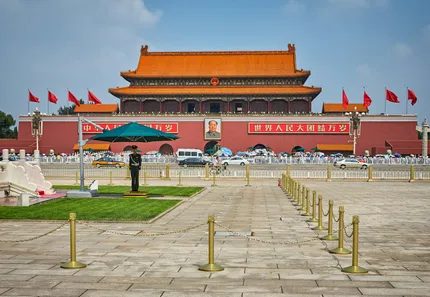
Tiananmen Square
Tiananmen Square is one of the world's largest public squares, covering 440,000 square meters in central Beijing. It is flanked by the Great Hall of the People, the National Museum of China, and the iconic Tiananmen Gate, which leads to the Forbidden City. The square holds deep historical and political significance for China and attracts millions of visitors annually who come to witness the flag-raising ceremony at sunrise.
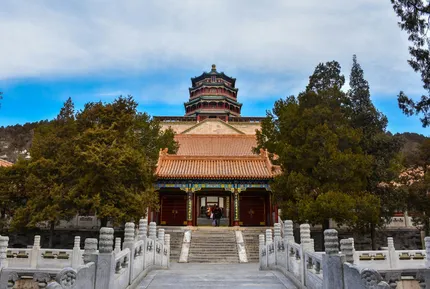
Summer Palace
The Summer Palace is a vast imperial garden and palace complex located northwest of central Beijing. Built in the 18th century, it served as a royal retreat for the Qing dynasty emperors. Dominated by Kunming Lake and Longevity Hill, the site features traditional pavilions, temples, and covered walkways. It is a UNESCO World Heritage Site and one of China's best-preserved imperial gardens.
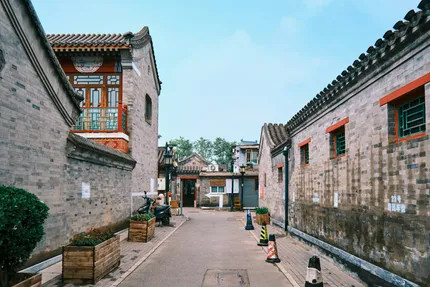
Hutong Neighborhoods
Beijing's historic hutong alleyways offer a glimpse into the city's traditional courtyard lifestyle. Neighborhoods around Nanluoguxiang, Shichahai, and Dongcheng are ideal for exploring on foot or by rickshaw. The narrow lanes are lined with old siheyuan courtyard homes, local shops, and small restaurants. This is one of the best ways to experience everyday Beijing life.
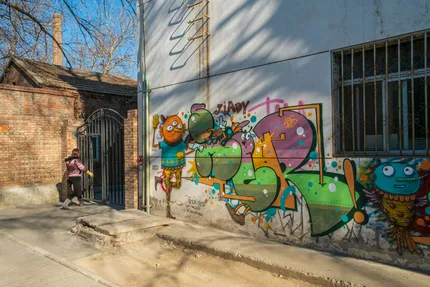
798 Art District
Located in a repurposed Bauhaus-style factory complex in northeast Beijing, the 798 Art District is the city's creative hub. It houses contemporary art galleries, studios, design shops, and cafes. The contrast between the industrial architecture and modern Chinese art makes for a compelling visit. Weekend afternoons are particularly lively with exhibitions and cultural events taking place throughout the district.
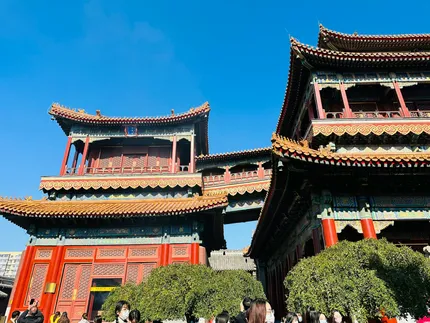
Lama Temple (Yonghe Temple)
This beautifully preserved Tibetan Buddhist temple in central Beijing dates back to 1694. It features five main halls filled with intricate statues and elaborate decorations, including an 18-meter-tall sandalwood Buddha. The temple is an active place of worship and incense smoke fills the air throughout the day. It offers a genuine and atmospheric religious experience within the city.
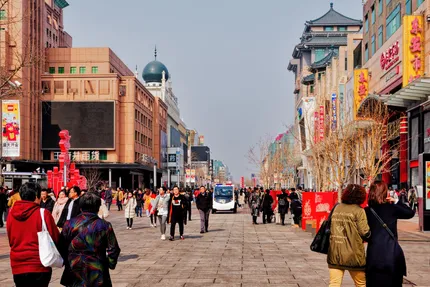
Wangfujing Street
Beijing's most famous commercial street is a lively mix of modern shopping malls, department stores, and street food stalls. The nearby snack street is known for its exotic offerings including scorpions and starfish on skewers. While touristy, it gives a good sense of modern urban Beijing. The area is also home to the Beijing Foreign Language Bookstore and several historic shops.
Who should visit Beijing
Beijing is an excellent destination for travelers with a strong interest in history and culture. The sheer number of UNESCO World Heritage Sites within and around the city, including the Forbidden City, the Temple of Heaven, the Summer Palace, and the Great Wall, makes it one of the most rewarding destinations in the world for those who want to engage seriously with the past. History enthusiasts can easily fill four to six days without running out of significant sites to visit. Travelers interested in Chinese cuisine will also find Beijing highly rewarding. The city has a distinctive culinary identity centered on Peking duck, lamb hotpot, and a wide range of northern Chinese street foods found in markets like Wangfujing and Donghuamen.
Architecture lovers will appreciate the contrast between the precisely planned imperial structures and the dense hutong neighborhoods, where courtyard houses and narrow lanes offer a very different kind of urban experience. Photography travelers will find exceptional material throughout the city, particularly in the hutongs and at the Great Wall at Mutianyu or Jinshanling. Beijing is less suited to travelers looking primarily for beach activities, nightlife, or a relaxed pace, as the city demands considerable walking and logistical planning to navigate effectively.

Best time to visit Beijing
The best time to visit Beijing is during spring, from late April to early June, or autumn, from September to late October. During these months temperatures are mild and comfortable, and the air quality tends to be better than during summer or winter. Summer brings intense heat and high humidity alongside the peak tourist season. Winter is cold and dry, with temperatures frequently dropping below freezing, though it does offer fewer crowds. Autumn is widely considered the finest season, with clear skies and pleasant temperatures making sightseeing far more enjoyable.
Three top reasons for a city trip to Beijing
- The Forbidden City, home to 24 Ming and Qing dynasty emperors, contains 9,000 rooms of imperial architecture and artifacts, making it the world's largest palace complex.
- The Great Wall sections near Beijing, particularly Mutianyu and Badaling, offer dramatic mountain scenery and well-preserved Ming dynasty fortifications within easy reach of the city.
- Beijing's hutong alleyways around Nanluoguxiang and Shichahai preserve centuries-old courtyard homes and neighborhood life, offering direct contrast to the city's modern development.
Beijing has an extensive and affordable public transportation network, making it relatively easy to get around without a car. The subway system covers most major attractions and neighborhoods, with 27 lines and over 450 stations. Buses are cheap but can be confusing for non-Chinese speakers. Taxis and ride-hailing apps like Didi are convenient and reasonably priced. Cycling is popular, and bike-sharing schemes from companies like Meituan and Hello are widely available. The city is large and sprawling, so walking between major sights is rarely practical. Traffic congestion can be severe, making the subway the fastest option during peak hours. A transit card or mobile payment app makes using public transport much easier.
This content was created with AI assistance and may contain inaccuracies.