
City break inSalzburg
Salzburg is a compact Austrian city straddling the Salzach River, best known as the birthplace of Wolfgang Amadeus Mozart and the filming location of The Sound of Music. Its Old Town, a UNESCO World Heritage Site, is one of the best-preserved Baroque city centers in the German-speaking world. The skyline is dominated by the imposing Hohensalzburg Fortress, one of Europe's largest and best-preserved medieval castles, which sits high above the city on a rocky outcrop.
The historic center is dense with ornate churches, grand squares, and elegant palaces, most notably Mirabell Palace and its manicured gardens. The city sits at the northern edge of the Alps, giving it a dramatic natural backdrop. Salzburg is also a renowned cultural hub, home to the prestigious Salzburg Festival, one of the most important classical music and opera events in the world. Despite its relatively small size, the city offers a rich concentration of museums, galleries, and architectural landmarks that reward even a short visit.
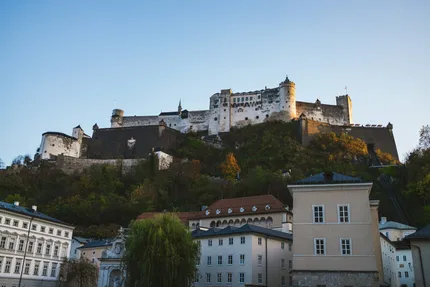
Hohensalzburg Fortress
Hohensalzburg Fortress sits on Festungsberg hill, dominating Salzburg's skyline. Built in 1077, it is one of Europe's largest and best-preserved medieval castles. Visitors can reach it by funicular or on foot. Inside, the fortress houses museums covering its military history, royal state rooms, and medieval instruments of torture. Panoramic views of the city, the Alps, and surrounding region are a highlight.
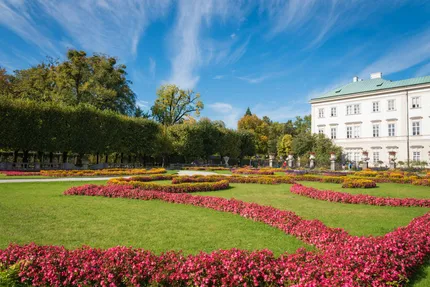
Mirabell Palace and Gardens
Mirabell Palace was built in 1606 and is famous for its baroque gardens, which offer stunning views of the Hohensalzburg Fortress. The manicured grounds feature fountains, sculptures, and flower beds. The gardens gained international recognition as a filming location for The Sound of Music. The palace's Marble Hall is considered one of the finest baroque interiors in the city and is still used for concerts and civil weddings.
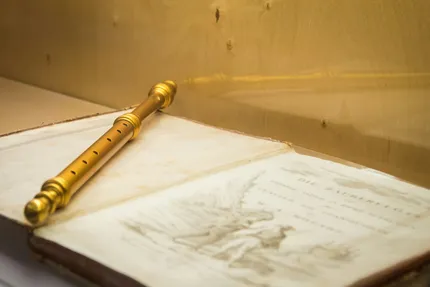
Mozart's Birthplace
Mozart’s Birthplace (Mozarts Geburtshaus) is a museum in Salzburg’s Getreidegasse, located in the house where Wolfgang Amadeus Mozart was born in 1756. Exhibits cover his childhood, family life, and early career, with original documents, portraits, and period instruments. It’s a key stop for understanding Mozart’s Salzburg years and the city’s musical heritage.
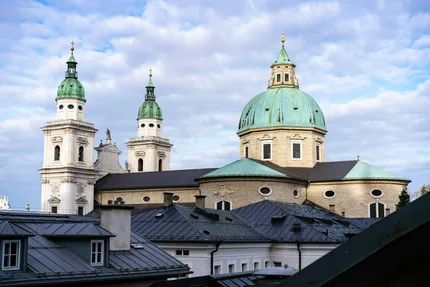
Salzburg Cathedral
Salzburg Cathedral (Dom) is a magnificent baroque cathedral in the heart of the city, built between 1614 and 1628. It features twin towers, a striking facade, and an ornate interior with impressive frescoes and a grand organ. The cathedral holds historical significance as the site of Mozart's baptism. It sits at the center of Salzburg's UNESCO-listed old town, making it a key landmark.
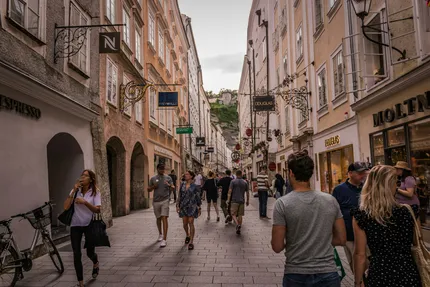
Getreidegasse
Getreidegasse is Salzburg's most famous shopping street, located in the old town. It is lined with narrow, medieval buildings housing shops, restaurants, and cafes, all decorated with ornate wrought-iron guild signs hanging above their entrances. The street is also known as the birthplace of Wolfgang Amadeus Mozart, whose family home at number 9 is now a popular museum visited by thousands each year.
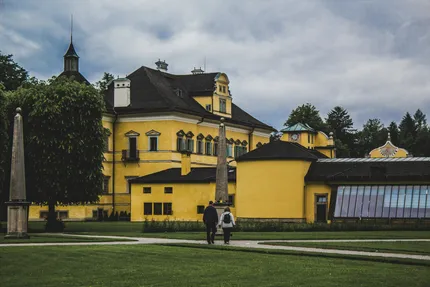
Hellbrunn Palace and Trick Fountains
Hellbrunn Palace, built in the early 17th century for Archbishop Markus Sittikus, is famous for its elaborate trick fountains and water-powered mechanical figures. Designed as a summer retreat, the palace grounds feature hidden jets that surprise unsuspecting visitors. The gardens also contain a stone theater, mythological grottoes, and one of the oldest baroque gardens in Europe. The site is a short drive from Salzburg's city center.
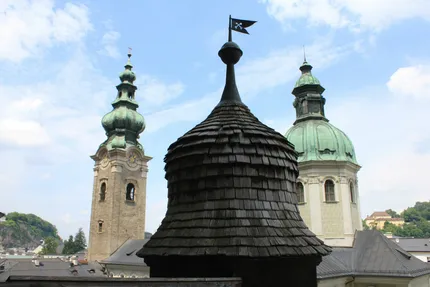
St. Peter's Abbey and Cemetery
St. Peter's Abbey is one of the oldest monasteries in the German-speaking world, founded around 696 AD by St. Rupert. Located at the foot of the Festungsberg, it features a Romanesque and Baroque church with ornate interiors. The adjoining cemetery is one of Salzburg's most atmospheric spots, with elaborate wrought-iron grave markers, catacombs carved into the rock face, and beautifully tended garden plots.
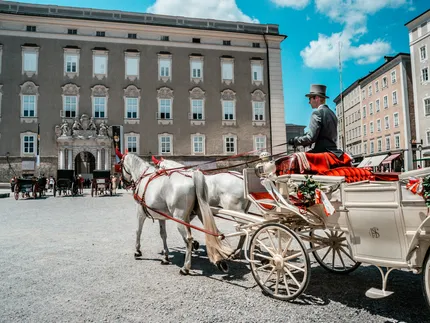
Residenzplatz
Residenzplatz is Salzburg's largest and most impressive baroque square, located in the heart of the old city. Dominated by the grand Residenz palace, home to Salzburg's prince-archbishops for centuries, the square also features the ornate Residenzbrunnen fountain, one of the most impressive baroque fountains north of the Alps. The square is a central hub for events and markets throughout the year.
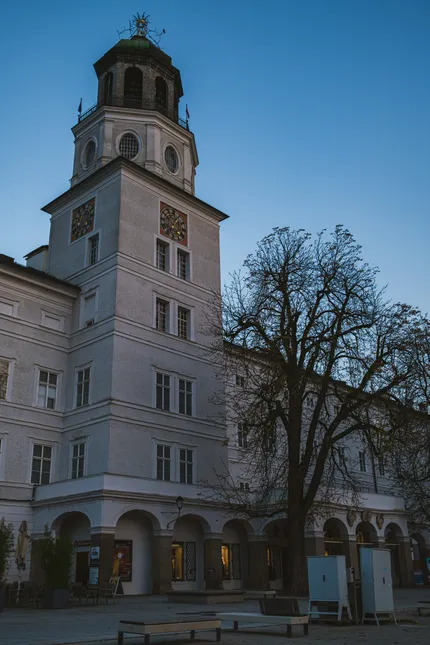
Salzburg Museum
The Salzburg Museum, housed in the New Residence building on Mozartplatz, explores the history, art, and culture of the city and its region. Permanent exhibitions cover Salzburg's identity, archaeology, and artistic heritage, while rotating temporary exhibitions address diverse themes. The museum holds an impressive collection of paintings, decorative arts, and historical artifacts, offering visitors a comprehensive understanding of what has shaped Salzburg over the centuries.
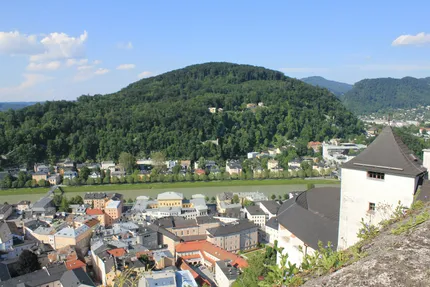
Kapuzinerberg
Kapuzinerberg is a forested hill rising directly from Salzburg's old town on the east bank of the Salzach River. A Capuchin monastery, established in the late 16th century, crowns the summit. Visitors climb wooded paths past Stations of the Cross to reach panoramic viewpoints overlooking the city's baroque skyline and surrounding Alps. The hill also retains sections of old city fortification walls.
Who should visit Salzburg
Salzburg is an excellent destination for classical music enthusiasts. The city breathes musical history at every turn, from Mozart's birthplace and residence to concert halls and churches where live performances occur year-round. For those willing to splurge, attending a performance during the Salzburg Festival is a genuinely exceptional cultural experience. Architecture and history lovers will also feel very much at home here. The Baroque old town, the hilltop fortress, the palace gardens, and the numerous churches offer a concentrated and walkable introduction to Central European heritage without the overwhelming scale of Vienna or Prague.
Fans of The Sound of Music will find dedicated tours and filming locations throughout the city and its surroundings, which is a niche but loyal travel motivation. Hikers and outdoor enthusiasts can use Salzburg as a base for day trips into the nearby Salzkammergut lake district or the surrounding Alpine foothills, making it a solid choice for those who want a mix of urban culture and accessible nature. Salzburg is less suited to travelers seeking nightlife or contemporary art scenes, as the city leans heavily toward its classical and historical identity.

Best time to visit Salzburg
Late spring, from May to June, and early autumn, from September to October, are the best times to visit Salzburg. Temperatures are mild, crowds are manageable, and the city's gardens and surrounding landscapes look their finest. July and August bring the famous Salzburg Festival but also peak tourist numbers and higher prices. Winter, particularly around December, has a strong appeal due to the city's atmospheric Christmas markets and snow-dusted scenery, though temperatures can be cold and some outdoor attractions are less accessible.
Three top reasons for a city trip to Salzburg
- Explore Salzburg’s UNESCO-listed Altstadt: baroque domes, Getreidegasse’s wrought-iron shop signs, Mozart’s Geburtshaus, and Residenzplatz fountains, all framed by the Salzach River and surrounding alpine foothills.
- Visit Hohensalzburg Fortress, one of Europe’s largest intact hilltop castles, for panoramic views over the city; ride the funicular, tour princely chambers, and see medieval defenses above Kapitelplatz.
- Experience Salzburg’s music heritage: Mozart concerts in Mirabell Palace, the Salzburg Festival’s opera and drama, and Sound of Music filming sites like Mirabell Gardens and Leopoldskron Palace nearby.
Salzburg is a compact city, making it ideally suited for walking. Many of its attractions, including the historic Old Town and the Hohensalzburg Fortress, are accessible on foot. For those preferring two wheels, Salzburg is bicyclist-friendly with several dedicated paths. The local public transportation system, operated by Salzburg AG, includes buses and trolleybuses that connect various parts of the city and the surrounding areas, offering a cost-effective way to travel short and medium distances. While having a car can be convenient for exploring the picturesque countryside and nearby attractions like the Salzkammergut lakes or Berchtesgaden, it is not necessary for getting around within the city itself. Parking in the city can often be challenging and expensive. Regional trains also offer a good option for visiting nearby locations and neighboring countries from Salzburg’s main station.
This content was created with AI assistance and may contain inaccuracies.