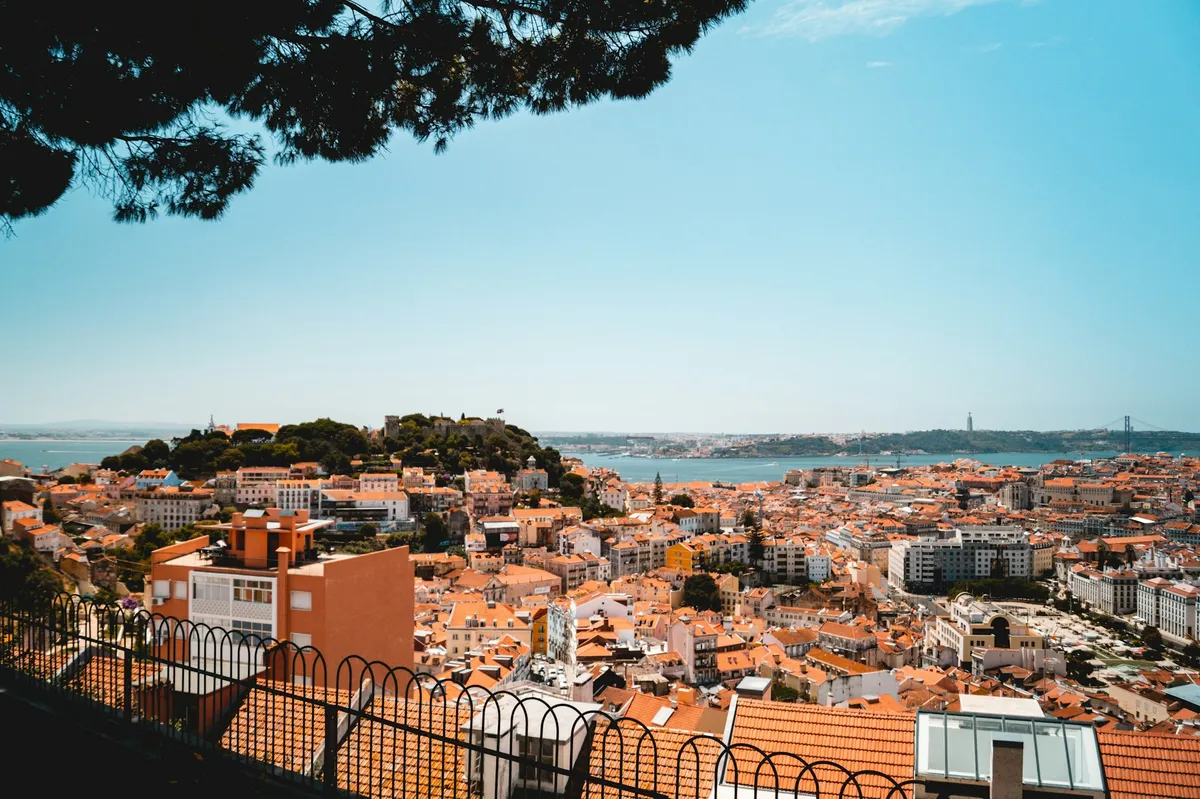
City break inLisbon
Lisbon, the sun-kissed capital of Portugal, is a city where history meets contemporary culture. Perched on the edge of the Atlantic Ocean, this city boasts a captivating blend of traditional neighborhoods, scenic vistas, and vibrant street life. Known for its colorful tiles and charming trams, Lisbon breathes life into its picturesque narrow streets which are lined with pastel-colored buildings. From the ancient Alfama district to the modernity of the Parque das Nações,
Lisbon offers an array of experiences for all types of travelers. Culinary delights such as fresh seafood and iconic pasteis de nata pastries are a must-try here, adding another layer to the city’s allure. Additionally, Lisbon’s climate is mild, making it a year-round destination that is particularly inviting for those looking to combine city exploration with leisurely seaside relaxation.
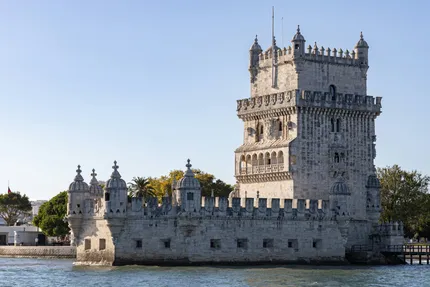
Belém Tower
The Belém Tower is a 16th-century fortified tower standing on the banks of the Tagus River, built during the reign of King Manuel I. It served as a ceremonial gateway to Lisbon and a defensive fortification. A UNESCO World Heritage Site, the tower is a prime example of Manueline architecture, featuring intricate stonework, maritime motifs, and decorative battlements. It remains one of Lisbon's most iconic landmarks.
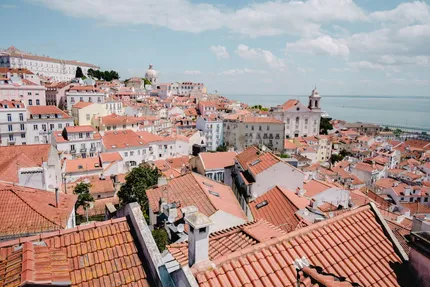
Alfama District
Alfama is Lisbon’s oldest neighborhood, a hillside network of narrow lanes between the Sé Cathedral and São Jorge Castle. Explore Moorish-influenced streets, tiled facades, and small plazas; ride tram 28; and visit viewpoints like Miradouro de Santa Luzia and Portas do Sol. Evenings feature traditional fado in intimate taverns. Steep cobbles require sturdy shoes.
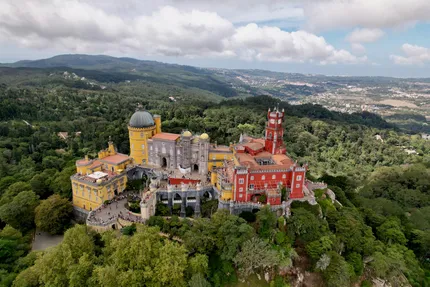
Daytrip to Sintra
A short train ride from Lisbon, Sintra is a fairytale town nestled in forested hills, home to extravagant palaces and moorish castles. Key sights include the colorful Pena Palace, the mysterious Quinta da Regaleira, and the ruins of the Moorish Castle. The town's historic center is a UNESCO World Heritage Site. Wear comfortable shoes as the terrain involves significant uphill walking.
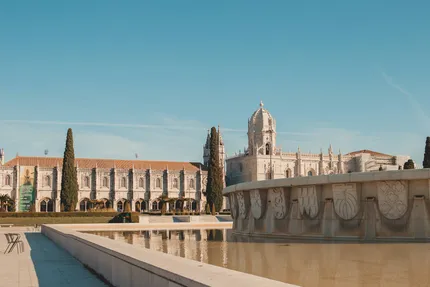
Jerónimos Monastery
The Jerónimos Monastery is a UNESCO World Heritage Site located in the Belém district of Lisbon. Built in the 16th century in the Manueline architectural style, it features elaborate stonework and intricate carvings. The monastery was commissioned by King Manuel I and is closely associated with Vasco da Gama's voyage to India. It houses the tombs of notable figures, including Vasco da Gama and poet Luís de Camões.
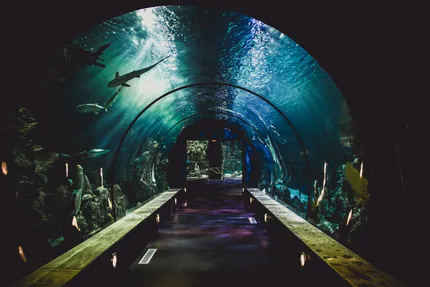
Lisbon Oceanarium
Lisbon Oceanarium (Oceanário de Lisboa) in Parque das Nações is one of Europe’s largest aquariums. Its vast central tank, viewed on two levels, anchors exhibits recreating Atlantic, Antarctic, Pacific and Indian Ocean habitats. Expect sharks, rays, penguins and colorful reef life. Strong conservation and education focus. Easy access via Oriente station; families welcome.

Cabo da Roca
Cabo da Roca is the westernmost point of continental Europe, located about 40 kilometers from Lisbon. The dramatic clifftop site rises 140 meters above the Atlantic Ocean and offers sweeping coastal views. A lighthouse and a stone monument mark the spot, inscribed with a verse by Portuguese poet Luis de Camoes. Visitors can obtain a certificate commemorating their visit to this iconic geographical landmark.
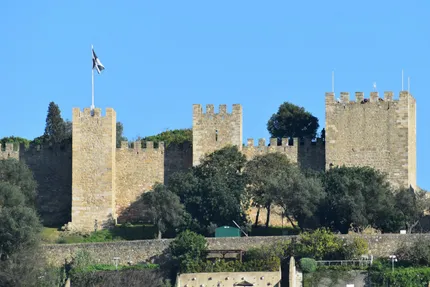
São Jorge Castle
Perched on a hilltop overlooking Lisbon, São Jorge Castle dates back to Moorish times and was later expanded by Portuguese kings. Within its walls you can explore towers, ramparts, and a small archaeological museum revealing layers of history from multiple civilizations. The site offers sweeping panoramic views over the city and the Tagus River, making it one of Lisbon's most visited landmarks.
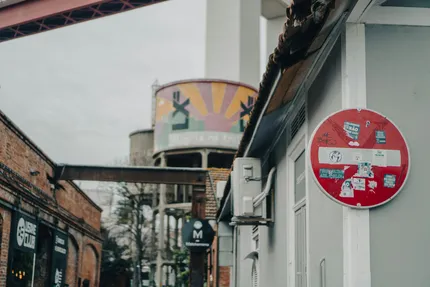
LX Factory
LX Factory is a creative hub in Alcântara, set in a repurposed 19th‑century industrial complex beneath the 25 de Abril Bridge. It hosts design studios, independent shops, street art, galleries, eateries, and bars. Highlights include the Ler Devagar bookstore and a lively Sunday market. Expect regular events, pop-ups, and a casual, urban vibe.
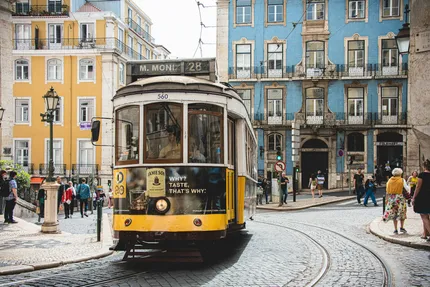
Tram 28
Lisbon’s historic Tram 28 (Eléctrico 28) runs between Martim Moniz and Campo de Ourique (Prazeres), rattling through Graça, Alfama, Sé, Baixa and Chiado in vintage 1930s carriages. It’s a scenic, steep, and crowded ride; expect queues and watch for pickpockets. Go early or late. Use a Viva Viagem or 24‑hour pass for value.
Fado Museum
The Fado Museum in Alfama explores Lisbon's emblematic urban song. Exhibits trace its origins, evolution, and artists, highlighting instruments like the Portuguese guitar, archival recordings, photographs, and posters. Interactive listening stations and audiovisual displays provide context. The museum also supports research, education, and temporary programs, helping visitors understand Fado's role in Lisbon's cultural identity.

Bairro Alto
Bairro Alto is Lisbon’s historic nightlife district: a grid of narrow, cobbled streets packed with bars, casual restaurants, and traditional fado houses. By day it’s quieter, with indie shops and street art. Evenings spill onto the streets. Nearby Miradouro de São Pedro de Alcântara offers views. Reach it via Elevador da Glória; expect crowds.

Gulbenkian Museum
Lisbon’s Gulbenkian Museum, part of the Calouste Gulbenkian Foundation, presents two complementary collections: the Founder’s Collection and the Modern Collection (CAM). Exhibits span ancient Egypt and the Near East, Islamic and Asian art, European decorative arts, and Portuguese modern and contemporary works. Highlights include René Lalique jewelry. The museum sits within landscaped, sculpture-dotted gardens.
Who should visit Lisbon
Lisbon is particularly appealing to travelers who appreciate a mix of culture, history, and casual sophistication. History enthusiasts will revel in Lisbon’s rich tapestry of historical sites, with many monuments and museums offering insights into Portugal's storied past. Foodies will find the city a haven, especially those eager to explore a diverse culinary landscape ranging from local markets to Michelin-starred dining experiences. The coastal location makes Lisbon an ideal choice for those who enjoy a hybrid of urban and beach vacations; visitors can easily spend the day at nearby beautiful beaches before returning to the city's vibrant nightlife.
Artistic souls will also find Lisbon a source of inspiration, with neighborhoods like Alfama and Chiado offering charming aesthetics and local art scenes. Moreover, Lisbon's relatively affordable prices compared to other European capitals make it an attractive option for budget-conscious travelers seeking an enriching yet economical getaway. In summary, Lisbon offers a broad spectrum of experiences, making it a versatile destination suitable for a variety of interests and preferences.

Best time to visit Lisbon
The best time to visit Lisbon is from March to May or September to October. During these months, the weather is pleasantly mild, and the city is less crowded. Travelers can enjoy outdoor activities and explore the city's vibrant culture without the peak summer tourist crowds and inflated prices.
Three top reasons for a city trip to Lisbon
- Explore Alfama’s maze of lanes, ride Tram 28 past Sé Cathedral and Castelo de São Jorge, hear soulful fado in intimate taverns, and watch views over terracotta rooftops and Tagus.
- Savor Lisbon’s cuisine: pastéis de nata at Pastéis de Belém, seafood and piri-piri chicken, bacalhau dishes, petiscos at Time Out Market, sip ginjinha and vinho verde, linger in riverside cafés.
- Marvel at Lisbon’s layered history: Jerónimos Monastery and Belém Tower, ornate azulejos at National Tile Museum, striking MAAT and LX Factory, scenic miradouros, sunny riverfront promenades along Praça do Comércio.
Lisbon is a city that is quite easy to explore on foot, especially in its historic neighborhoods like Alfama and Baixa. The city's public transport system is efficient, with buses, trams, and metro services covering most areas. The iconic tram 28 is a must-experience route, offering a scenic overview of the city's hills and iconic spots. Cycling is less common due to Lisbon's hilly terrain but is becoming more popular with the recent introduction of dedicated bike lanes and e-bike rentals. For areas not reached by public transport, ridesharing services and taxis are widely available. Renting a car is generally unnecessary and may even be inconvenient due to narrow streets and limited parking in central areas.
This content was created with AI assistance and may contain inaccuracies.