3 days in Lisbon
PortugalDay #1
Alfama sunset, fado dinner, city center highlights
15:00
Hotel check-in and freshen up
15:30
Walk Praça do Comércio and Rua Augusta
Begin at Praça do Comércio, Lisbon’s grand Tagus-side square, framed by yellow Pombaline arcades and the equestrian statue of King José I. Pass beneath the Arco da Rua Augusta (you can ascend for views) and continue along pedestrian Rua Augusta, with calçada mosaics, cafés, shops, and buskers, through Baixa toward Rossio.
16:30
Santa Justa Lift terrace viewpoint via Carmo side
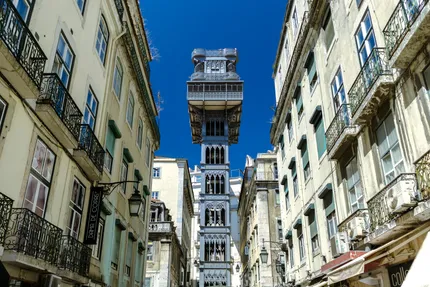
Access the Santa Justa Lift terrace from the Carmo Convent side to skip the elevator queue. Walk across the upper walkway and pay the small viewpoint fee to climb the spiral staircase. Enjoy wide views over Baixa, Rossio, the Tagus, and São Jorge Castle. Best at sunset; arrive early or late to avoid crowds.
17:00
Explore Convento do Carmo ruins
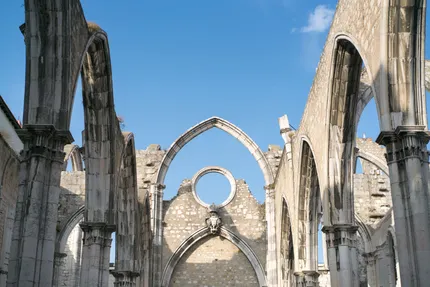
The Convento do Carmo ruins, in Largo do Carmo, are a notable reminder of Lisbon’s 1755 earthquake: a roofless Gothic church with soaring stone arches. Wander the open nave and surviving chapels, then visit the small Carmo Archaeological Museum, which displays artifacts from Roman to medieval periods. Entry is ticketed; access via Santa Justa Lift or Chiado.
18:00
Ride Tram 28E to Alfama
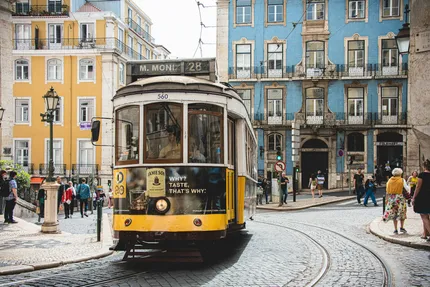
Lisbon’s vintage Tram 28E links Martim Moniz and Campo Ourique, climbing narrow streets past Baixa and Graça into Alfama. Board early to secure a seat and watch for pickpockets. For Alfama, hop off near Sé Cathedral, Largo das Portas do Sol, or Miradouro de Santa Luzia to explore lanes, fado venues, and viewpoints.
18:30
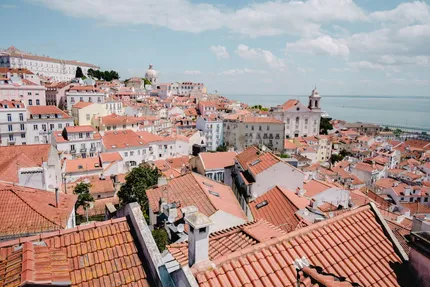
Wander Alfama lanes and miradouros
Explore Lisbon’s oldest quarter through Alfama’s narrow lanes, medieval alleys, and stairways lined with azulejos and small cafés. Climb to miradouros like Santa Luzia and Portas do Sol for broad views over red rooftops, the Tagus, and São Jorge Castle. Expect fado bars, local shops, and daily life; go early to avoid crowds.
19:30
Sunset at Miradouro da Senhora do Monte
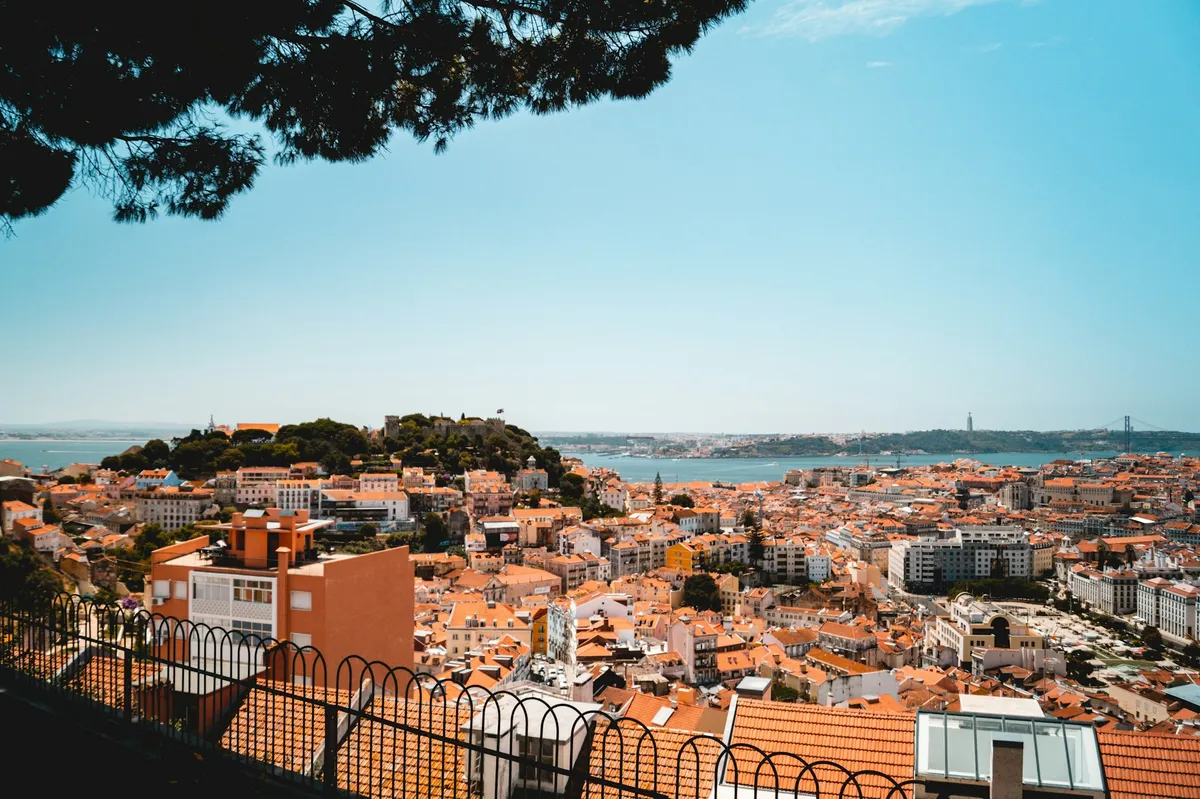
One of Lisbon’s highest viewpoints, Miradouro da Senhora do Monte in Graça offers wide sunset views over Alfama, Castelo de São Jorge, downtown, the Tagus and the 25 de Abril Bridge. It gets busy; arrive early for a good spot. Free access, small chapel on site. Reach it via tram 28 and a short uphill walk.
20:30
Fado dinner in Alfama
22:30
Ginjinha nightcap near Rossio
Ginjinha, Lisbon’s sour cherry liqueur, is a classic nightcap around Rossio Square (Praça Dom Pedro IV and nearby Largo de São Domingos). Order a quick shot at tiny counters like A Ginjinha (Espinheira) or Ginjinha Sem Rival. Choose com elas (with cherries) or sem elas. Sweet, fruity, and inexpensive; expect to drink standing.
Day #2
Belém monuments, LX Factory, viewpoints, vibrant nightlife
08:30
Breakfast and pastéis at Pastéis de Belém
09:30
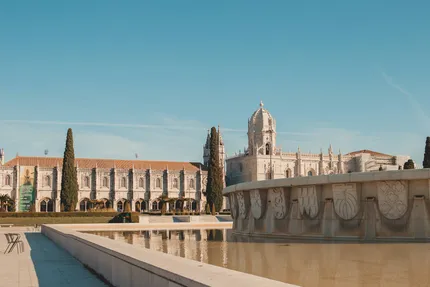
Jerónimos Monastery cloisters visit
Explore the Jerónimos Monastery’s famed cloisters in Belém, a UNESCO site showcasing Portugal’s Manueline style. Stroll lower and upper galleries with intricately carved limestone, ornate arcades, nautical motifs, and a serene central garden. Visits typically include the chapterhouse and refectory with azulejos. Entry is ticketed; timed slots and queues are common—pre-book and check current hours.
11:00
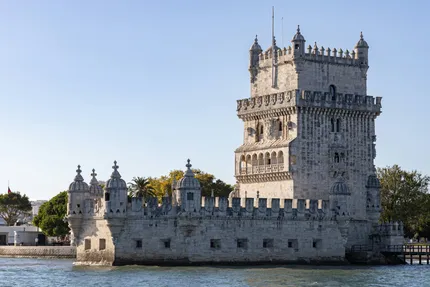
Belém Tower and riverfront walk
Explore the 16th-century Belém Tower, a Manueline riverside fort and UNESCO site guarding the Tagus. Then follow the flat promenade past the Discoveries Monument, MAAT, marinas, and gardens, with wide river views and sunset photo spots. Easy for walking or cycling, with cafés nearby; Jerónimos Monastery and Pastéis de Belém sit a short detour away.
11:45
Padrão dos Descobrimentos viewpoint
Climb to the rooftop viewpoint of the Padrão dos Descobrimentos in Belém for wide views over the Tagus River, 25 de Abril Bridge, Jerónimos Monastery, and Belém Tower. An elevator and short staircase lead to the terrace. From above, the compass rose world map below stands out. Popular at sunset; expect queues in peak times.
12:30
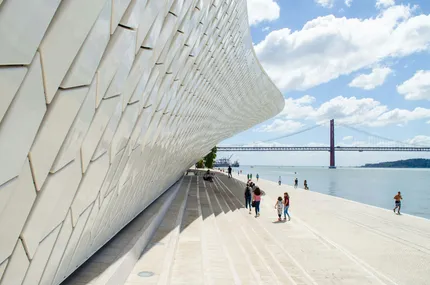
MAAT museum visit and photos
MAAT (Museum of Art, Architecture and Technology) sits on the Tagus waterfront in Belém. The AL_A-designed building features a sweeping, ceramic-tiled facade and a rooftop walkway with views of the river and 25 de Abril Bridge. Expect rotating contemporary art and architecture exhibitions. Photographers favor the facade’s curves, riverside steps, and golden-hour reflections on the tiles.
13:30
Lunch at Time Out Market Lisboa
15:00
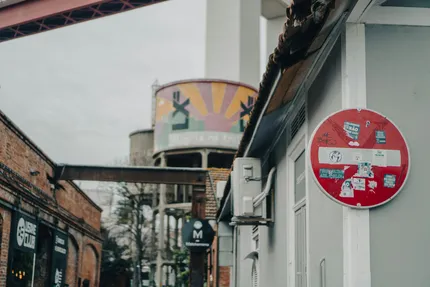
Explore LX Factory and street art
Discover LX Factory, a revitalized 19th‑century industrial complex in Alcântara beneath the 25 de Abril Bridge. Browse design shops, studios, and the Ler Devagar bookstore, and enjoy eateries with river views. Then hunt Lisbon’s street art: murals by Vhils and Bordalo II, legal walls at Calçada da Glória, and large pieces across Marvila and Mouraria.
16:30
Coffee at Ler Devagar bookstore
18:00

Ride Elevador da Glória to Bairro Alto
Ride the Elevador da Glória, Lisbon’s historic funicular linking Praça dos Restauradores to Bairro Alto near the Miradouro de São Pedro de Alcântara. The short, steep ascent saves a tough climb and offers great views over downtown. Operated by Carris, it accepts Viva Viagem/24-hour passes. Expect queues at peak times; services run frequently.
19:00
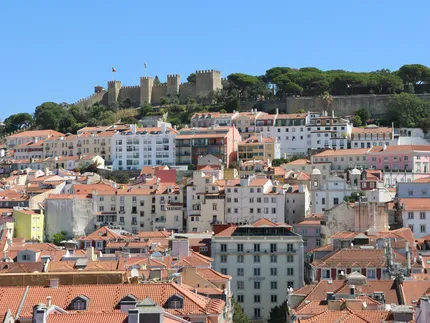
Sunset at Miradouro de São Pedro de Alcântara
Perched in Bairro Alto, Miradouro de São Pedro de Alcântara is a landscaped terrace offering sweeping views over Baixa and Castelo de São Jorge. At sunset, locals and visitors gather by kiosks for drinks. Reach it via the Elevador da Glória from Restauradores. Arrive early for space; watch belongings in crowds.
20:00
Dinner in Bairro Alto or Chiado
22:00
Cocktails and music on Pink Street (Cais do Sodré)
Pink Street (Rua Nova do Carvalho) in Cais do Sodré is Lisbon’s nightlife strip, known for neon-lit pavement, cocktail bars, and clubs like Musicbox and Pensão Amor. Expect DJs, occasional live sets, street seating, and crowds late on weekends. Arrive after 10 pm, watch for lines and cover charges. Metro: Cais do Sodré.
Day #3
Castle morning, cathedral, riverside stroll, depart afternoon
08:30
Breakfast near hotel
09:00
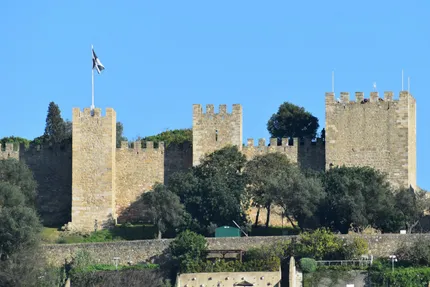
Visit Castelo de São Jorge
Castelo de São Jorge crowns a hilltop above Lisbon’s historic center, a Moorish-built 11th‑century fortress seized in 1147. Explore ramparts, towers, and an archaeological site, view exhibits in the former royal quarters, and catch the Camera Obscura in the Tower of Ulysses. Expect sweeping views over Alfama, Baixa, and the Tagus, gardens with peacocks, and ticketed entry.
10:30
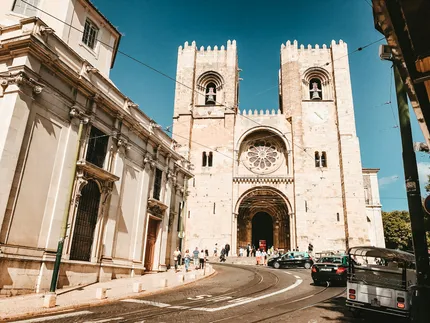
Lisbon Cathedral (Sé) and viewpoints
Lisbon Cathedral (Sé), the city's oldest church, dates to the 12th century with Romanesque roots and later Gothic/Baroque additions. Explore the cloister's archaeological finds and the treasury. Nearby viewpoints - Miradouro de Santa Luzia and Portas do Sol - offer views over Alfama and the Tagus. Tram 28 passes the area on a steep hill.
11:00
Scenic Tram 12E loop from Sé
Tram 12E makes a short, scenic loop from the Sé stop by Lisbon Cathedral, threading Alfama and Mouraria on steep, narrow streets. It shares tracks with the famed 28E but is quicker and less crowded. Board early for a seat, validate your Viva Viagem card, watch for pickpockets, and enjoy views near Portas do Sol.
12:30
Riverside stroll at Ribeira das Naus
Enjoy a flat waterfront promenade between Cais do Sodré and Praça do Comércio, where Lisbon once built its caravels. Ribeira das Naus offers lawns, broad steps to the Tagus, a cycle lane, and sunset views toward the 25 de Abril Bridge. It’s an urban beach vibe, but bathing isn’t allowed. Cafés and transport sit close by.