
City break inGenoa
Genoa (Genova) is Italy’s great seafaring city, a vertical maze of medieval alleys spilling toward a vast working port. Its compact historic center—the largest in Europe—hides frescoed palaces, tiny piazzas, and artisan workshops behind worn stone portals. On Via Garibaldi, the UNESCO-listed Palazzi dei Rolli (Palazzo Rosso, Bianco, and Doria Tursi) showcase Ligurian wealth with art by Van Dyck and Rubens. Down by the Porto Antico, redesigned by Renzo Piano, you’ll find the landmark Aquarium, a panoramic biosphere, and harborside promenades lined with cafes.
Ride the Castelletto lift for sweeping views over slate rooftops and the harbor, then wander to the pastel fishing cove of Boccadasse for gelato by the water. Genoa’s food scene centers on simple, local flavors: warm focaccia for breakfast, chickpea farinata cut from copper pans, and pesto pounded in marble mortars, served with trofie. With frequent trains, ferries, funiculars, and elevators, getting around the city’s hills is easy, and day trips along the Ligurian coast are straightforward. Genoa delivers layered history, gritty character, and genuine everyday life in a manageable, rewarding urban break.
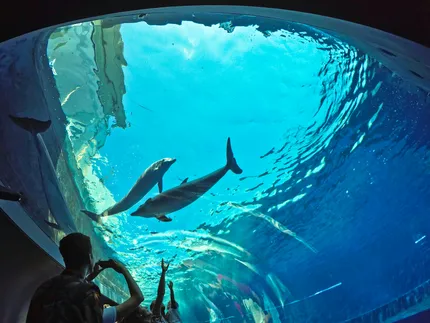
Acquario di Genova
Among Europe’s largest aquariums, this Renzo Piano–designed complex at Porto Antico showcases Mediterranean and tropical habitats, sharks, rays, penguins, manatees, and immersive jellyfish galleries. Expect interactive exhibits and conservation focus. Reserve timed tickets, especially weekends. Plan two to three hours, then stroll the waterfront for cafes, the Biosfera, and harbor views.
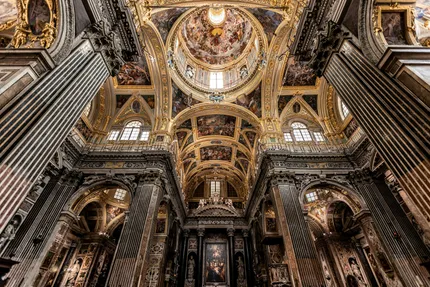
Via Garibaldi & Palazzi dei Rolli
UNESCO-listed Strada Nuova (Via Garibaldi) lines up Renaissance and Baroque palaces once hosting state guests under the Rolli system. Visit the Musei di Strada Nuova—Palazzi Rosso, Bianco, and Tursi—for art by Van Dyck and Rubens, lavish interiors, and city panoramas. Walk nearby courtyards and alleys to appreciate Genoa’s merchant splendor.
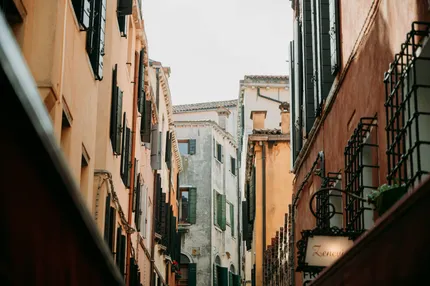
Centro Storico & Caruggi
Explore one of Europe’s largest medieval old towns: a maze of caruggi (alleys), small squares, artisan shops, and street shrines. Highlights include San Lorenzo Cathedral’s striped façade, Palazzo San Giorgio, and lively Piazza De Ferrari. Visit in daylight, mind pickpockets, and sample focaccia, farinata, and pesto in traditional bakeries and trattorias.
Porto Antico & Bigo Panoramic Lift
Renzo Piano’s revamped Old Port offers museums, open plazas, and waterfront promenades. Ride the Bigo panoramic lift for harbor and city views, visit the Biosfera greenhouse, and relax by Eataly’s terraces. Street performers, gelaterie, and boat tours add to the atmosphere. Combine with the Aquarium for a convenient, family-friendly half-day.
Lanterna di Genova
Standing since 1543, the 76-meter Lanterna is Genoa’s emblem and one of the world’s oldest lighthouses. Walk the dedicated pathway to the museum and viewpoint for sweeping port panoramas. Check opening days and wind conditions; access involves stairs. Combine with nearby harbor districts to understand the city’s maritime identity and scale.
Boccadasse
Picturesque Boccadasse is a former fishing village within city limits, with pastel houses, boats on the pebbly beach, and trattorias serving seafood and pesto. Come for sunset, gelato on the shore, and relaxed photos. Reach by bus or coastal promenade from Corso Italia. Avoid peak weekends when the cove gets crowded.
Palazzo Ducale
Once the seat of Genoa’s doges, Palazzo Ducale today hosts major art exhibitions, cultural events, and public spaces around courtyards and arcades. Explore its historic halls, temporary shows, and rooftop views when available. The surrounding Piazza Matteotti and nearby De Ferrari area make an easy pairing with shopping streets and cafes.
Galata Museo del Mare & Submarine
Italy’s largest maritime museum covers Genoa’s seafaring history, emigration, navigation, and shipbuilding with interactive galleries. Highlights include the full-size brigantine and access to the submarine Nazario Sauro moored outside. Good for families and enthusiasts alike. Allocate two hours; combined tickets with other Porto Antico attractions can save time and money.
Spianata Castelletto Viewpoint
Take the Art Nouveau lift from Piazza Portello or walk up to this terrace above the old town for the classic postcard panorama of slate rooftops, towers, harbor cranes, and surrounding hills. Best light is morning or late afternoon. Nearby kiosks, benches, and gelato make it a pleasant pause during sightseeing.
Nervi & Passeggiata Anita Garibaldi
East of Genoa, Nervi’s cliffside promenade offers dramatic sea views, coves, and sunsets, connecting parks and elegant villas. Visit the Museum of Modern Art (GAM) in Villa Saluzzo Serra and stroll the Rose Garden. Trains from Brignole station are frequent; combine with aperitivo on the rocks when seas are calm.
Cimitero Monumentale di Staglieno
One of Europe’s most impressive monumental cemeteries, Staglieno features elaborate 19th-century sculpture, arcades, and family chapels set on a hillside. It offers art, history, and quiet reflection away from crowds. Wear comfortable shoes; distances are larger than expected. Bus connections are straightforward, and guided tours provide context on symbolism and notable burials.
Mercato Orientale & Food Experiences
Browse Mercato Orientale for Ligurian produce, seafood, basil, and specialty stalls, then sample street food like farinata and focaccia di Recco. Many vendors offer tastings; upstairs food courts make casual lunches easy. Consider a pesto-making class or food tour to learn traditions and DOP ingredients. Go early for freshest selection.
Who should visit Genoa
Genova suits travelers who value substance over gloss and want a dense, walkable city with strong maritime heritage. History and architecture enthusiasts can tour the UNESCO-listed Palazzi dei Rolli on Via Garibaldi, climb the Lanterna lighthouse museum, and visit Palazzo Ducale’s exhibitions. Museum-minded visitors will appreciate the Galata Museo del Mare (with the submarine Nazario Sauro), the monumental cemetery of Staglieno for sculpture, and the art collections in Palazzo Rosso and Bianco. Food-focused travelers who like casual, local places can graze on focaccia at bakeries like Panificio Mario, try farinata from wood-fired ovens, sample pesto and street snacks at MOG Mercato Orientale, and eat seafood in the Porto Antico or Boccadasse.
Families find practical highlights concentrated in the harbor area: the Aquarium, the Biosfera, the Città dei Bambini e dei Ragazzi, and open spaces for strollers. Urban explorers who enjoy viewpoints and light hikes can ride the Zecca–Righi funicular, walk the Forts ring paths, or take the Castelletto lift to the Spianata. Sea-and-sun travelers who prefer small coves over resort beaches will like Vernazzola, Sturla, and Nervi’s cliffside promenade.
As a base, Genoa works for day trips by train or boat to Camogli, Santa Margherita Ligure, Portofino (via bus from S. Margherita), and, with an early start, the Cinque Terre. Budget-conscious weekenders and cruise passengers on short shore time also get excellent value and high impact.

Best time to visit Genoa
The best times to visit are April–June and September–October, when temperatures sit comfortably around 18–25°C and humidity is lower. Spring brings longer days for exploring the caruggi and panoramic walks, plus one edition of the Rolli Days, when many noble palaces open free. Early autumn keeps the sea warm for swims at Boccadasse, Sturla, or Nervi, and hosts the Genoa International Boat Show. July–August are hotter, busier, and pricier, though evenings by the port are lively. Winters are mild and museum-friendly, but Atlantic fronts can bring wet spells and occasional storms, which may disrupt coastal hikes and ferries.
Three top reasons for a city trip to Genoa
- Explore Europe’s largest medieval old town, Genoa’s caruggi, Via Garibaldi’s UNESCO-listed Palazzi dei Rolli, sumptuous baroque interiors, civic museums like Palazzo Rosso, Bianco, Tursi, revealing mercantile wealth and Ligurian power.
- Savor quintessential Genoese flavors: pesto alla Genovese with Prà basil, warm focaccia and cheese-filled focaccia di Recco, chickpea farinata, and ultrafresh seafood at Mercato Orientale and trattorie around Porto Antico.
- Experience Genoa’s seafaring soul at Porto Antico, redesigned by Renzo Piano: Aquarium, Galata Museo del Mare, the Bigo lift, and the Lanterna lighthouse, plus sweeping harbor views from Spianata Castelletto.
Genova’s historic center is compact and best explored on foot, but expect cobbled “caruggi” lanes and steep climbs between the waterfront and the hilltop neighborhoods. The city is hilly; AMT runs an integrated network of buses, a single-line metro (Brin–Brignole), suburban rail, funiculars (Zecca–Righi, Sant’Anna), the Principe–Granarolo rack railway, and numerous public elevators (including the Castelletto lift) that flatten vertical distances. Services are frequent along the coast and through central corridors, with timed connections at Brignole and Principe stations; tickets and day passes are interchangeable across modes and available via app or contactless validators. Cycling is improving along the waterfront (Corso Italia, Porto Antico) and new segregated lanes link key districts, but gradients and traffic make bikes less practical inland; e-bikes help, and bike-sharing is available. Driving is not recommended in the ZTL-heavy center, where streets are narrow and parking scarce; use park-and-ride at metro stops if arriving by car. Regional trains are the fastest way to reach Riviera towns and Cinque Terre for day trips.
This content was created with AI assistance and may contain inaccuracies.