
2 days in Buenos Aires
ArgentinaDay #1
Explore historic neighborhoods and iconic landmarks of Buenos Aires
08:00
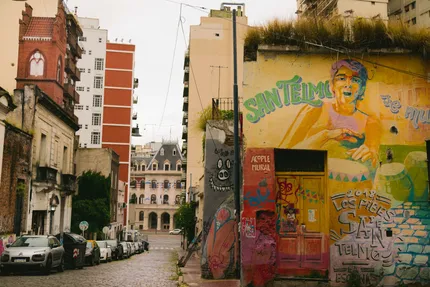
Breakfast at a traditional Argentine café in San Telmo
San Telmo is one of Buenos Aires' oldest neighborhoods, known for its cobblestone streets and historic atmosphere. Traditional Argentine cafés here serve classic breakfasts of medialunas, the local sweet croissants, paired with café con leche. Many of these establishments, some over a century old, are designated as notable bars and cafés by the city government, preserving their original architecture and cultural character.
09:30
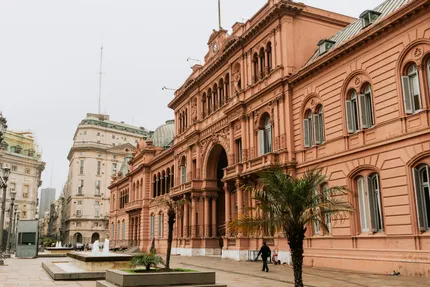
Visit Plaza de Mayo and Casa Rosada
Plaza de Mayo is the historic heart of Buenos Aires, serving as the site of major political events since the city's founding. Flanking the plaza is Casa Rosada, the iconic pink presidential palace, whose distinctive color reportedly comes from a mixture of paint and cow blood. Visitors can tour parts of the palace and its museum, which documents Argentine political history. The plaza remains a gathering point for demonstrations and cultural events.
10:30
Explore the Metropolitan Cathedral
The Metropolitan Cathedral on Plaza de Mayo is Buenos Aires' main Catholic church and one of the oldest buildings in the city. Its neoclassical facade contrasts with a richly decorated interior housing important religious art and the mausoleum of General José de San Martín, Argentina's national hero. The cathedral has served as a site of significant historical and political events throughout Argentine history and remains an active place of worship.
11:30
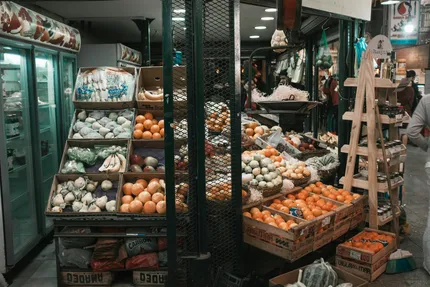
Stroll through the San Telmo Market
San Telmo Market is one of Buenos Aires' oldest and most iconic markets, dating back to 1897. Located in the historic San Telmo neighborhood, it features a stunning iron and glass structure housing antique dealers, food stalls, artisan vendors, and local eateries. Visitors can browse vintage items, taste traditional Argentine foods, and soak up the neighborhood's bohemian atmosphere. Street performers and tango dancers often appear outside on weekends.
13:00
Lunch at a local parrilla restaurant in San Telmo
San Telmo is one of Buenos Aires' oldest neighborhoods and home to some of the city's most traditional parrilla restaurants. These Argentine steakhouses specialize in wood or charcoal-fired grills, serving cuts like asado, vacío, and chorizo. A leisurely lunch here offers an authentic taste of Argentine beef culture, often accompanied by chimichurri, local wine or beer, and the neighborhood's relaxed, cobblestone-street atmosphere.
14:30
Visit Caminito Street Art Walk in La Boca
Caminito is a pedestrian street and open-air museum in the La Boca neighborhood, famous for its vibrantly painted corrugated metal buildings. The colorful facades reflect the neighborhood's working-class immigrant heritage, particularly its Italian roots. Street performers, tango dancers, and local artists line the walkway, making it one of Buenos Aires' most visited cultural landmarks. Surrounding galleries and restaurants add to the lively atmosphere.
15:30
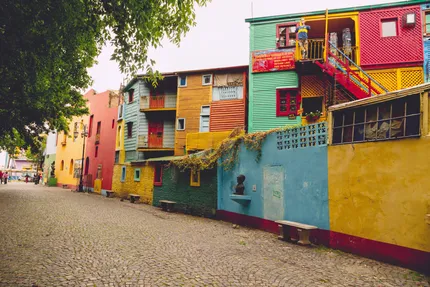
Explore La Boca neighborhood and colorful houses
La Boca is a working-class neighborhood in Buenos Aires known for its vibrantly painted corrugated metal houses, particularly along the pedestrian street Caminito. Once a hub for Italian immigrants and the birthplace of tango, the area reflects a rich cultural heritage. Street performers, tango dancers, and local artists make it a lively destination. The neighborhood is also home to La Bombonera, the famous stadium of Boca Juniors football club.
17:00
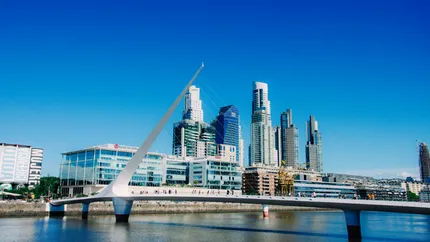
Head to Puerto Madero for a waterfront walk
Puerto Madero is Buenos Aires' revitalized waterfront district, built along the eastern edge of the city centre. Former 19th-century brick warehouses have been converted into restaurants, bars, and offices lining the docks. A walk along the Costanera Sur offers views of the Rio de la Plata and the striking Puente de la Mujer bridge. The adjacent ecological reserve provides a quiet green escape within the urban landscape.
18:30
Sunset drinks at a rooftop bar in Puerto Madero
Puerto Madero, Buenos Aires' sleek waterfront district, offers several rooftop bars with views over the Rio de la Plata and the city skyline. Watching the sunset here while sipping local wine or a classic Argentine cocktail is a relaxed way to start an evening. The area is walkable, lined with converted brick warehouses turned restaurants, and sits close to the Ecological Reserve.
20:30
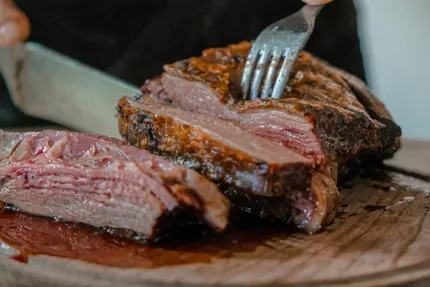
Dinner at a steakhouse in Puerto Madero
Puerto Madero, Buenos Aires's revitalized waterfront district, is home to several high-end steakhouses serving world-class Argentine beef. Dining here means enjoying premium cuts like ribeye or tenderloin, cooked to perfection on traditional grills. The neighborhood offers a sophisticated atmosphere with views of the old docks and modern architecture, making it an ideal setting for experiencing Argentina's renowned beef culture.
22:30
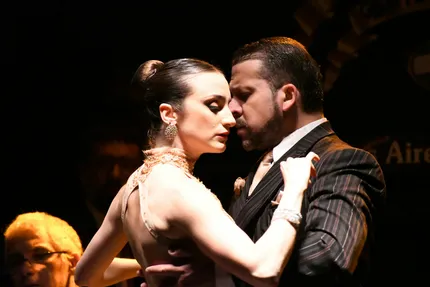
Experience a Tango show in San Telmo
San Telmo is one of Buenos Aires' oldest neighborhoods and the birthplace of tango. Numerous venues host live tango shows, ranging from intimate milongas to larger dinner-theater performances. Visitors can watch skilled dancers perform this passionate, precise dance style accompanied by live bandoneon music. Some venues also offer introductory tango lessons before the main show, providing a hands-on connection to Argentina's most iconic cultural tradition.
Day #2
Discover upscale districts, parks, and vibrant nightlife
08:30
Breakfast at a café in Palermo
Palermo is one of Buenos Aires' most vibrant neighborhoods, filled with tree-lined streets, boutiques, and countless cafés. A typical Argentine breakfast is simple, usually a coffee with medialunas, the local croissant-style pastry. Cafés here range from classic corner spots to trendy brunch venues. Starting your morning in Palermo gives you a feel for the relaxed, social rhythm of everyday porteño life.
09:30
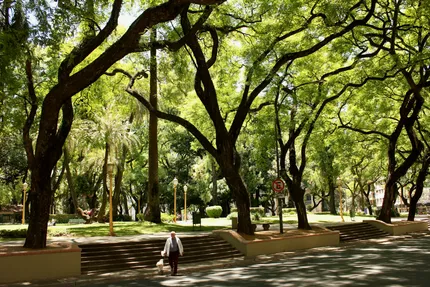
Morning walk through Bosques de Palermo (Palermo Woods)
Bosques de Palermo is a large urban park in the Palermo neighborhood, offering a peaceful escape from the city. A morning walk here takes you past tree-lined paths, artificial lakes, and open green spaces. The park is popular with joggers, cyclists, and dog walkers. Rowboats can be rented on the lakes. Nearby attractions include the Rosedal rose garden and the planetarium, making it a pleasant start to the day.
10:30
Visit the Buenos Aires Ecological Reserve
The Buenos Aires Ecological Reserve is a nature preserve located along the Rio de la Plata waterfront, adjacent to Puerto Madero. Spanning over 350 hectares, it was formed naturally from sediment and debris deposited along the riverbank. The reserve is home to hundreds of bird species, mammals, and diverse plant life, offering walking and cycling trails within close proximity to the city center.
12:00
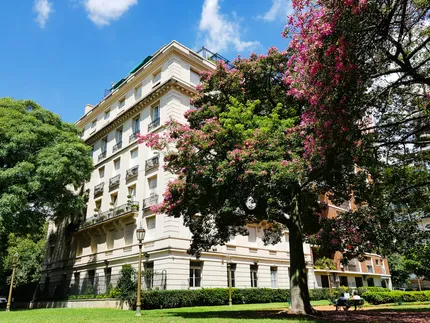
Explore Recoleta neighborhood and its elegant architecture
Recoleta is one of Buenos Aires' most prestigious neighborhoods, known for its Parisian-style architecture, tree-lined boulevards, and refined atmosphere. Strolling through its streets reveals ornate Belle Epoque buildings, elegant plazas, and upscale boutiques. The area centers around the famous Recoleta Cemetery, where Eva Peron is buried, alongside the cultural center and the iconic Alvear Avenue, considered one of Latin America's most distinguished streets.
13:00
Lunch at a restaurant in Recoleta
Recoleta is one of Buenos Aires' most elegant neighborhoods, lined with European-style architecture, upscale boutiques, and excellent restaurants. Dining here offers a range of options from traditional Argentine parrillas serving world-class beef to modern bistros and classic cafes. The area around the Recoleta Cultural Centre and cemetery is particularly popular, with numerous restaurants offering quality local cuisine in a sophisticated, vibrant atmosphere.
14:30
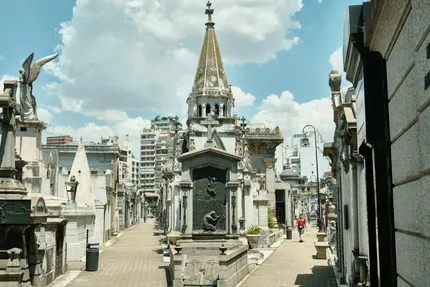
Visit the Recoleta Cemetery and Eva Perón's tomb
Recoleta Cemetery is one of the world's most famous burial grounds, home to elaborate mausoleums housing Argentina's elite. The cemetery dates to 1822 and features stunning Gothic, Art Deco, and Baroque architecture. The most visited tomb belongs to Eva Perón, the beloved former first lady. Navigating the labyrinthine pathways feels like walking through an open-air museum of sculpture and Argentine history.
16:00
Browse boutiques and galleries in Palermo Soho
Palermo Soho is Buenos Aires' creative hub, centered around Plaza Serrano and the surrounding cobblestone streets. The neighborhood is packed with independent fashion boutiques, concept stores, and contemporary art galleries showcasing Argentine designers and artists. It's an ideal place to shop for locally made clothing, leather goods, jewelry, and artwork. The area also has a relaxed cafe culture, making it easy to combine browsing with coffee stops.
17:30
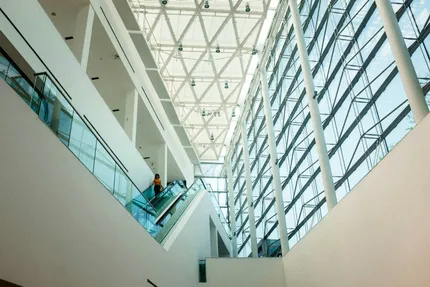
Visit MALBA - Museum of Latin American Art
MALBA (Museo de Arte Latinoamericano de Buenos Aires) is a leading contemporary art museum in the Palermo neighborhood. Its permanent collection features major 20th-century Latin American works, including pieces by Frida Kahlo, Diego Rivera, and Tarsila do Amaral. The museum also hosts rotating exhibitions, film screenings, and cultural events, making it a central hub for art and culture in the city.
19:30
Aperitivo hour at a trendy bar in Palermo Hollywood
Palermo Hollywood is one of Buenos Aires' most fashionable neighborhoods, packed with stylish bars and restaurants. Aperitivo hour, typically running from early evening onward, is a great way to experience local nightlife culture. Bars offer discounted drinks alongside small bites, and the area's outdoor seating and lively street atmosphere make it an ideal spot to socialize and watch the neighborhood come alive before dinner.
21:00
Dinner at a modern Argentine restaurant in Palermo
Palermo is Buenos Aires' trendiest neighborhood and home to some of the city's best contemporary restaurants. Modern Argentine cuisine here builds on traditional flavors, featuring high-quality cuts of beef, seasonal vegetables, and locally sourced ingredients, reimagined with creative techniques. The area offers a lively dining atmosphere with numerous options ranging from upscale parrillas to innovative tasting-menu restaurants, all within walking distance of leafy streets and boutique bars.
23:00
Nightcap and dancing at a milonga or jazz club
Buenos Aires has a thriving late-night scene centered on tango milongas and jazz clubs. Milongas like Salon Canning or La Viruta host social tango dancing into the early hours, with live orchestras on select nights. Jazz fans can head to Thelonious Club in Palermo. Buenos Aires nightlife starts late, so most venues only fill up after midnight, making a nightcap and dancing a natural end to any evening.
Search for hotels:
This content was created with AI assistance and may contain inaccuracies.