
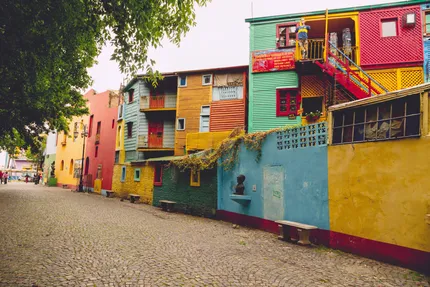
La Boca and Caminito
La Boca is a colorful working-class neighborhood in Buenos Aires, famous for its vibrant painted houses and the birthplace of tango. Caminito is a short pedestrian street at its heart, lined with brightly colored tenement buildings turned into an open-air museum. Street performers, tango dancers, and local artists fill the area, making it one of Buenos Aires's most visited and photographed spots.
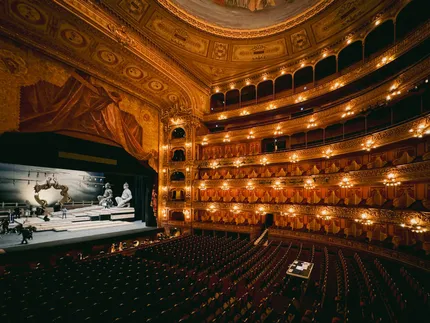
Teatro Colón
The Teatro Colón is one of the world's most prestigious opera houses, located in the heart of Buenos Aires. Inaugurated in 1908, it hosts world-class opera, ballet, and classical music performances. The building's architecture is stunning, blending European styles, and its acoustics are considered among the best globally. Guided tours allow visitors to explore its grand interior, including the ornate main hall and rehearsal rooms.
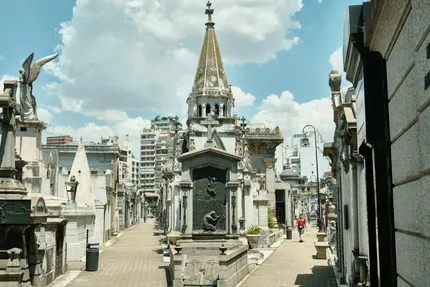
Recoleta Cemetery
Recoleta Cemetery is one of the world's most famous cemeteries, home to elaborate mausoleums and tombs of Argentina's most prominent figures, including Eva Peron. Located in the upscale Recoleta neighborhood, the cemetery functions as an open-air museum of sculpture and architecture. Visitors can wander its labyrinthine pathways, admiring ornate statues, stained glass, and grandiose family vaults dating back to the 19th century.
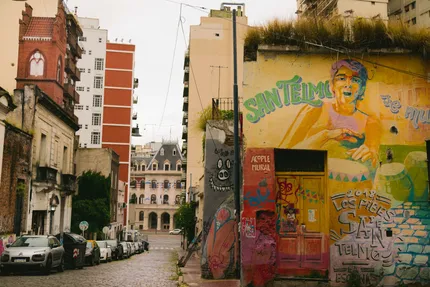
San Telmo Market and Neighborhood
San Telmo is Buenos Aires' oldest neighborhood, known for its colonial architecture, cobblestone streets, and bohemian atmosphere. The Mercado de San Telmo, built in 1897, is a covered market offering fresh produce, antiques, and local food stalls. On Sundays, the surrounding streets host a famous antiques fair along Defensa Street, attracting vendors selling vintage items, crafts, and curiosities alongside street performers and tango dancers.
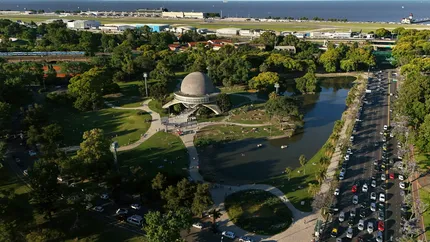
Palermo Parks and MALBA
Palermo is Buenos Aires' largest park district, featuring sprawling green spaces like Bosques de Palermo, rose gardens, and lakes ideal for walking and cycling. Nearby, MALBA (Museo de Arte Latinoamericano de Buenos Aires) houses an outstanding collection of 20th-century Latin American art, including works by Frida Kahlo and Diego Rivera. The museum also runs a strong film program and rotating contemporary exhibitions.
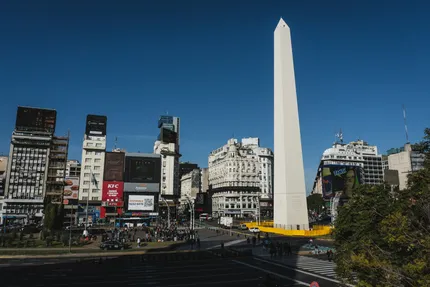
Avenida 9 de Julio and the Obelisk
Avenida 9 de Julio is one of the widest avenues in the world, stretching through the heart of Buenos Aires. At its center stands the Obelisk, a 67-meter tall monument built in 1936 to mark the 400th anniversary of the city's founding. The landmark serves as a focal point for major celebrations, protests, and sporting victories, and is an enduring symbol of Buenos Aires.
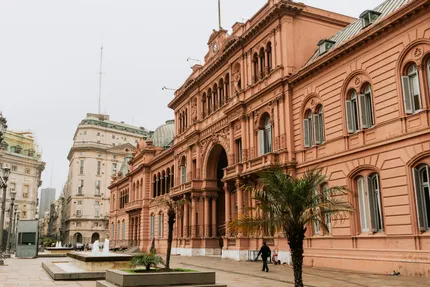
Casa Rosada and Plaza de Mayo
The Casa Rosada, Argentina's iconic pink presidential palace, anchors the historic Plaza de Mayo in central Buenos Aires. The square has been the site of key political events throughout Argentine history. Visitors can tour parts of the palace and its museum, while the surrounding plaza offers views of the Metropolitan Cathedral and the Cabildo, making it a essential stop for understanding Argentine history and culture.
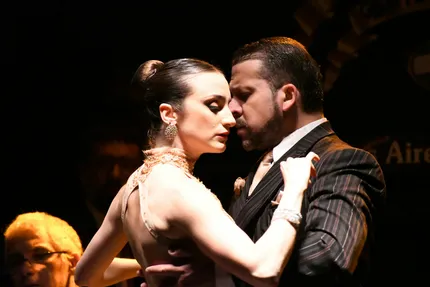
Tango Show or Milonga
Tango is central to Buenos Aires culture, and the city offers countless ways to experience it. A professional tango show, found in neighborhoods like San Telmo and Palermo, features polished choreography and live orchestras. A milonga is a social dance event where locals gather to dance tango themselves. Both offer authentic insight into this passionate art form, which originated in Buenos Aires in the late 19th century.
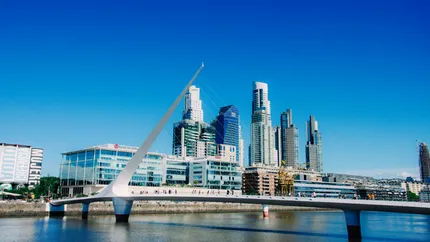
Puerto Madero
Buenos Aires' newest and most modern neighborhood occupies a revitalized waterfront along the old port docks. Wide promenades line the Río de la Plata, and converted brick warehouses now house upscale restaurants and bars. The Puente de la Mujer, a striking rotating pedestrian bridge designed by Santiago Calatrava, is the neighborhood's most photographed landmark.
This content was created with AI assistance and may contain inaccuracies.