
City break inBuenos Aires
Buenos Aires is the sprawling capital of Argentina, a city that blends European architectural grandeur with a distinctly Latin American energy. Built along the wide Río de la Plata, the city is divided into distinct neighborhoods, each with its own character. San Telmo offers cobblestone streets and antique markets, while Palermo is known for its parks, restaurants, and nightlife. Recoleta houses elegant belle époque buildings and the famous cemetery where Eva Perón is buried. La Boca draws visitors with its colorful Caminito street and its deep connection to tango culture.
Buenos Aires has a passionate food and drink scene, with parrillas serving world-class Argentine beef, and a café culture that rivals any European city. The city also has a strong arts scene, with numerous theaters, galleries, and cultural centers. At its core, Buenos Aires is a city that lives at night, with dinner starting late and clubs running until dawn. It is intense, beautiful, and unlike anywhere else in South America.
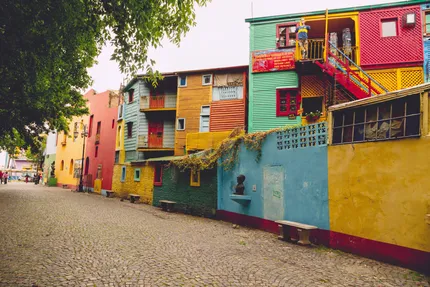
La Boca and Caminito
La Boca is a colorful working-class neighborhood in Buenos Aires, famous for its vibrant painted houses and the birthplace of tango. Caminito is a short pedestrian street at its heart, lined with brightly colored tenement buildings turned into an open-air museum. Street performers, tango dancers, and local artists fill the area, making it one of Buenos Aires's most visited and photographed spots.
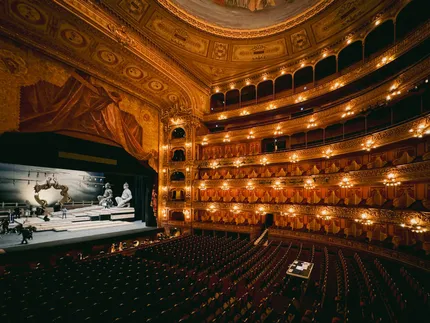
Teatro Colón
The Teatro Colón is one of the world's most prestigious opera houses, located in the heart of Buenos Aires. Inaugurated in 1908, it hosts world-class opera, ballet, and classical music performances. The building's architecture is stunning, blending European styles, and its acoustics are considered among the best globally. Guided tours allow visitors to explore its grand interior, including the ornate main hall and rehearsal rooms.
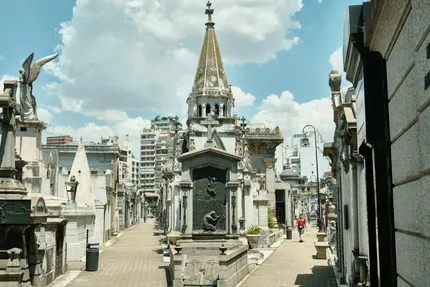
Recoleta Cemetery
Recoleta Cemetery is one of the world's most famous cemeteries, home to elaborate mausoleums and tombs of Argentina's most prominent figures, including Eva Peron. Located in the upscale Recoleta neighborhood, the cemetery functions as an open-air museum of sculpture and architecture. Visitors can wander its labyrinthine pathways, admiring ornate statues, stained glass, and grandiose family vaults dating back to the 19th century.
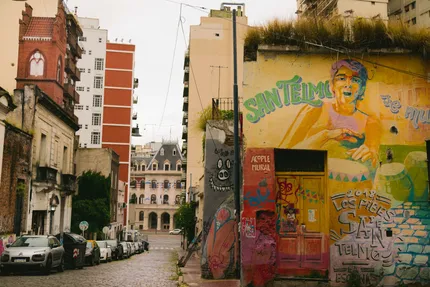
San Telmo Market and Neighborhood
San Telmo is Buenos Aires' oldest neighborhood, known for its colonial architecture, cobblestone streets, and bohemian atmosphere. The Mercado de San Telmo, built in 1897, is a covered market offering fresh produce, antiques, and local food stalls. On Sundays, the surrounding streets host a famous antiques fair along Defensa Street, attracting vendors selling vintage items, crafts, and curiosities alongside street performers and tango dancers.
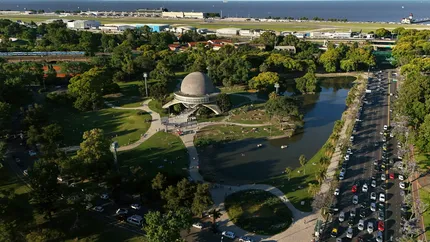
Palermo Parks and MALBA
Palermo is Buenos Aires' largest park district, featuring sprawling green spaces like Bosques de Palermo, rose gardens, and lakes ideal for walking and cycling. Nearby, MALBA (Museo de Arte Latinoamericano de Buenos Aires) houses an outstanding collection of 20th-century Latin American art, including works by Frida Kahlo and Diego Rivera. The museum also runs a strong film program and rotating contemporary exhibitions.
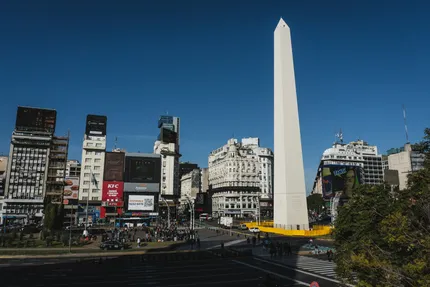
Avenida 9 de Julio and the Obelisk
Avenida 9 de Julio is one of the widest avenues in the world, stretching through the heart of Buenos Aires. At its center stands the Obelisk, a 67-meter tall monument built in 1936 to mark the 400th anniversary of the city's founding. The landmark serves as a focal point for major celebrations, protests, and sporting victories, and is an enduring symbol of Buenos Aires.
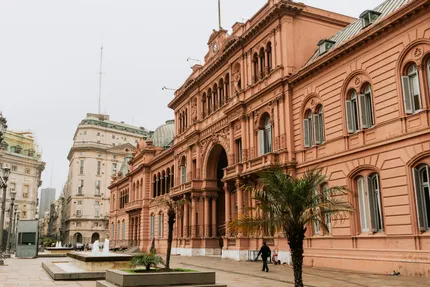
Casa Rosada and Plaza de Mayo
The Casa Rosada, Argentina's iconic pink presidential palace, anchors the historic Plaza de Mayo in central Buenos Aires. The square has been the site of key political events throughout Argentine history. Visitors can tour parts of the palace and its museum, while the surrounding plaza offers views of the Metropolitan Cathedral and the Cabildo, making it a essential stop for understanding Argentine history and culture.
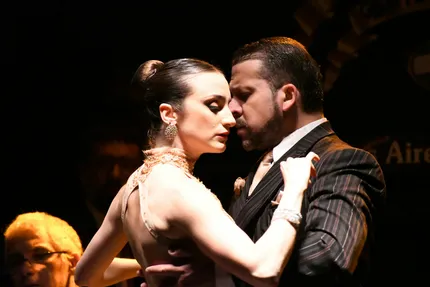
Tango Show or Milonga
Tango is central to Buenos Aires culture, and the city offers countless ways to experience it. A professional tango show, found in neighborhoods like San Telmo and Palermo, features polished choreography and live orchestras. A milonga is a social dance event where locals gather to dance tango themselves. Both offer authentic insight into this passionate art form, which originated in Buenos Aires in the late 19th century.
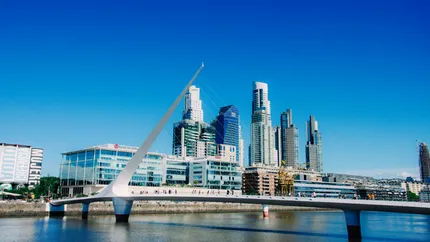
Puerto Madero
Buenos Aires' newest and most modern neighborhood occupies a revitalized waterfront along the old port docks. Wide promenades line the Río de la Plata, and converted brick warehouses now house upscale restaurants and bars. The Puente de la Mujer, a striking rotating pedestrian bridge designed by Santiago Calatrava, is the neighborhood's most photographed landmark.
Who should visit Buenos Aires
Buenos Aires is an excellent destination for food lovers who want to explore a serious and deeply rooted culinary culture. From traditional parrillas grilling prime cuts of beef to upscale restaurants pushing the boundaries of modern Argentine cuisine, the city rewards those with a genuine interest in eating well. Wine enthusiasts will also find plenty of opportunities to explore Malbec and other Argentine varietals at dedicated wine bars and restaurants throughout the city. Tango lovers will find Buenos Aires to be an unmatched destination. Beyond tourist shows, the city has a thriving milonga scene where locals dance in community halls and social clubs, and visitors willing to engage can take classes and attend authentic events.
Nightlife seekers will feel at home in a city where the evening only truly begins after midnight and electronic music clubs run through the weekend. Architecture and history enthusiasts will appreciate the layered urban fabric, from colonial remnants to Italian-influenced boulevards and modernist landmarks. Travelers interested in theater will find Buenos Aires has one of the most active theater scenes in the Spanish-speaking world, centered around Corrientes Avenue. Budget travelers can also do well here, as the city offers substantial value compared to European or North American destinations of similar cultural depth.

Best time to visit Buenos Aires
The best time to visit Buenos Aires is during spring, from September to November, or autumn, from March to May. Temperatures during these months are mild and comfortable, generally ranging between 15 and 25 degrees Celsius, making walking and outdoor exploration pleasant. Summer, from December to February, can be extremely hot and humid, and many locals leave the city during January. Winter, from June to August, is mild but can be grey and rainy, though the city remains fully functional and less crowded with tourists.
Three top reasons for a city trip to Buenos Aires
- Buenos Aires has a thriving tango culture. Visit milongas in San Telmo or Palermo to watch or learn this iconic dance, which originated in the city's working-class neighborhoods.
- The city offers world-class beef at legendary parrillas like Don Julio in Palermo. Argentine grilling traditions and Malbec wines make dining here a genuinely distinctive culinary experience.
- Stunning European-influenced architecture fills neighborhoods like Recoleta, home to the famous cemetery where Eva Peron is buried, blending grand Belle Epoque buildings with vibrant street art and culture.
Buenos Aires is a large city but very manageable using public transport. The Subte (metro) system has six lines covering major areas of the city and is the fastest way to get around. An extensive bus network, known as Colectivos, fills in the gaps the metro does not cover. Both systems use the rechargeable SUBE card, which you can buy and top up at kiosks across the city. Taxis and ride-hailing apps like Cabify and Uber are widely available and relatively affordable. Cycling has become increasingly popular, and the city has a growing network of dedicated bike lanes. Many central neighborhoods like Palermo, Recoleta, and San Telmo are walkable, making it easy to explore on foot. Renting a car is generally not recommended within the city due to heavy traffic and limited parking, but may be useful for day trips to the surrounding Pampas region.
This content was created with AI assistance and may contain inaccuracies.