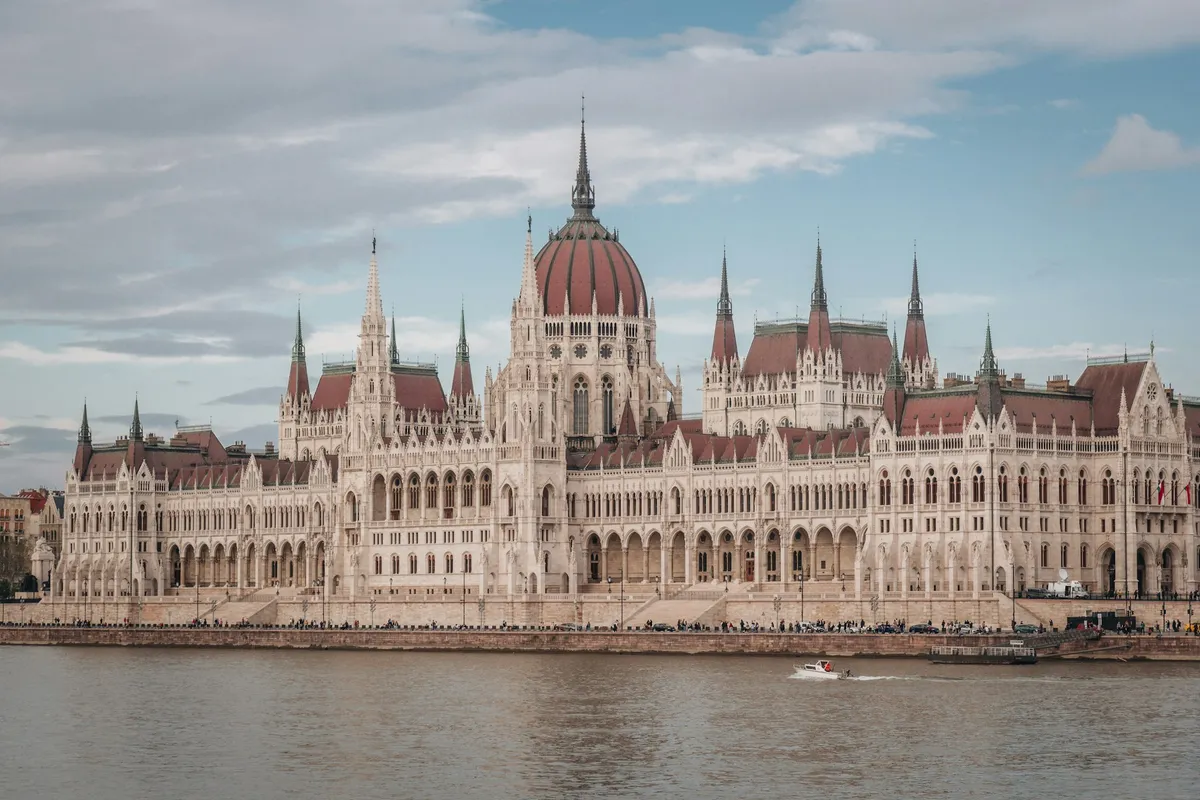
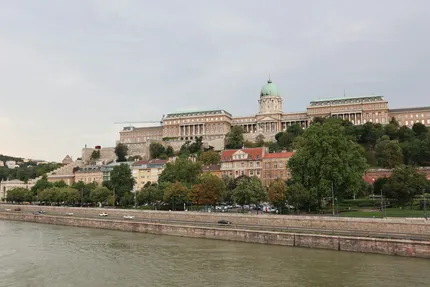
Buda Castle
Buda Castle crowns Castle Hill above the Danube, a UNESCO-listed Baroque palace complex with 13th‑century origins. It houses the Hungarian National Gallery, Budapest History Museum, and the National Széchényi Library. Explore courtyards and Matthias Fountain, enjoy panoramic city views, and reach the hill by funicular or on foot; museum interiors require tickets, courtyards are free.
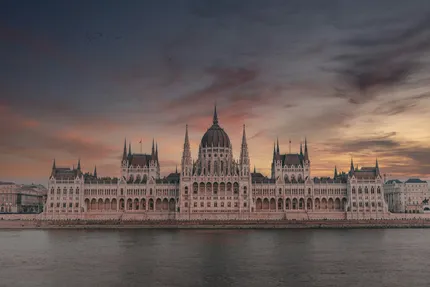
Parliament Building
The Hungarian Parliament Building (Országház) is a Neo-Gothic landmark on the Danube in Pest. Guided tours (multiple languages) lead through the Grand Staircase and Dome Hall, where the Holy Crown of Hungary is displayed. The exterior’s spires and central dome are best viewed from the river or opposite bank, especially when illuminated at night.
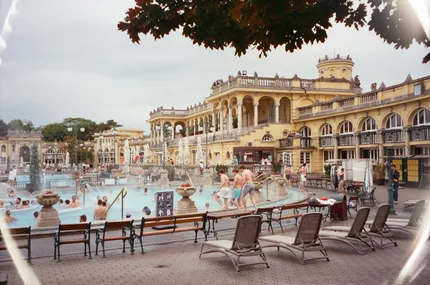
Széchenyi Thermal Bath
Széchenyi Thermal Bath is a sprawling neo-Baroque spa in Budapest’s City Park, supplied by natural hot springs. Open year-round, it features large outdoor pools and numerous indoor thermal baths, plus saunas and treatments. It's popular with locals and visitors; poolside chess is a hallmark. Tickets typically include locker or cabin access.
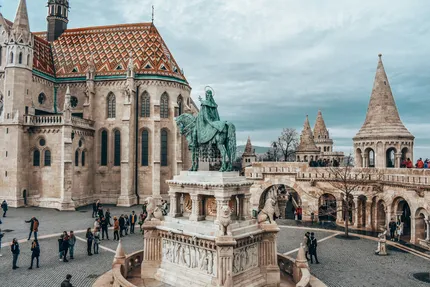
Fisherman's Bastion
Fisherman’s Bastion is a Neo-Romanesque terrace in Budapest’s Buda Castle District, built 1895-1902 by Frigyes Schulek for Hungary’s millennial celebrations. Its seven towers symbolize the seven Magyar tribes. Expect panoramic views over the Danube and Parliament. Lower terraces are free; some upper sections require a small fee. Adjacent: Matthias Church.
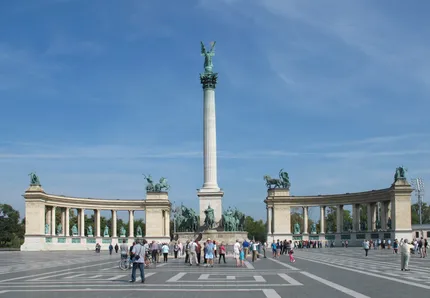
Andrássy Avenue
Andrássy Avenue (Andrássy út) is Budapest's 19th-century grand boulevard, a UNESCO-listed axis linking the city center to Heroes' Square and City Park. Lined with Neo-Renaissance palaces, embassies, cafes and luxury shops, it houses the Hungarian State Opera and the House of Terror museum. The historic Millennium Underground (M1) runs beneath its tree-lined sidewalks.
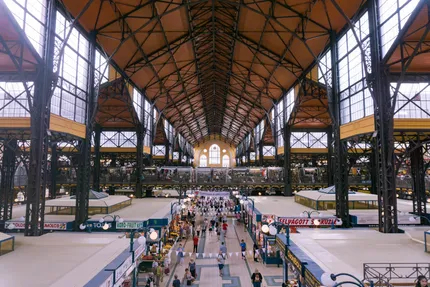
Great Market Hall
Budapest’s Great Market Hall (Nagyvásárcsarnok), opened in 1897 and designed by Samu Pecz, is the city’s largest indoor market, notable for its Zsolnay-tiled roof and steel structure. Stalls sell fresh produce, paprika, meats, cheeses and Tokaji; the upper level offers lángos and souvenirs. Located at Fővám tér by Liberty Bridge.
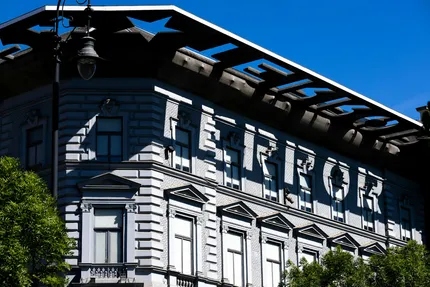
House of Terror
Budapest's House of Terror (Andrássy út 60) is a museum on Hungary's fascist and communist dictatorships. Set in the former headquarters of the Arrow Cross and later the communist secret police, it presents multimedia exhibits, personal testimonies, and preserved basement cells. The museum commemorates victims of repression, forced labor, and executions, offering a stark view of 20th-century rule.
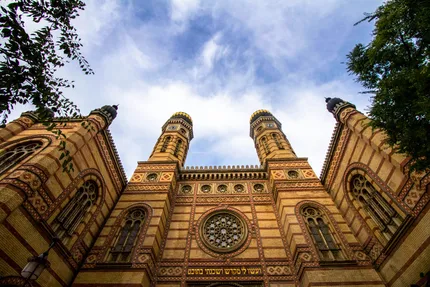
Dohány Street Synagogue
Dohány Street Synagogue, Europe’s largest, anchors Budapest’s historic Jewish Quarter. Built 1854–1859 in Moorish Revival style, the complex includes the Hungarian Jewish Museum, Heroes’ Temple, a Holocaust Memorial (Tree of Life), and a cemetery. Guided tours explain community history and wartime tragedy. Expect security checks and modest dress; occasional concerts showcase the synagogue’s acoustics.
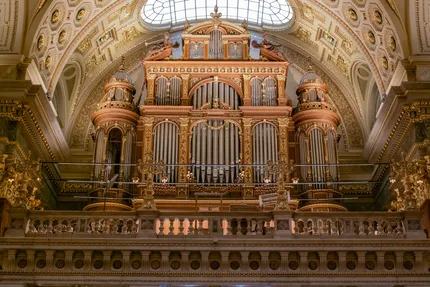
St. Stephen's Basilica
St. Stephen’s Basilica is Budapest’s neoclassical basilica, completed in 1905 and named for Hungary’s first king. Its twin towers and 96-meter dome match Parliament’s height. Inside are ornate chapels and the Holy Right relic. Visitors can take an elevator or stairs to the dome terrace for panoramic city views; frequent organ concerts.
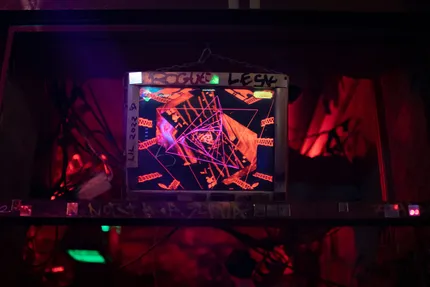
Ruin Bars
Budapest’s ruin bars occupy abandoned pre-war buildings in the Jewish Quarter (District VII), mixing thrift furnishings, street art, and courtyard spaces. Szimpla Kert spearheaded the scene. Expect affordable drinks, DJs, live music, and weekend crowds; bar-hopping is easy on foot. Many host markets and cultural events. Casual dress; hours vary; arrive early for space.
This content was created with AI assistance and may contain inaccuracies.