City break inBudapest
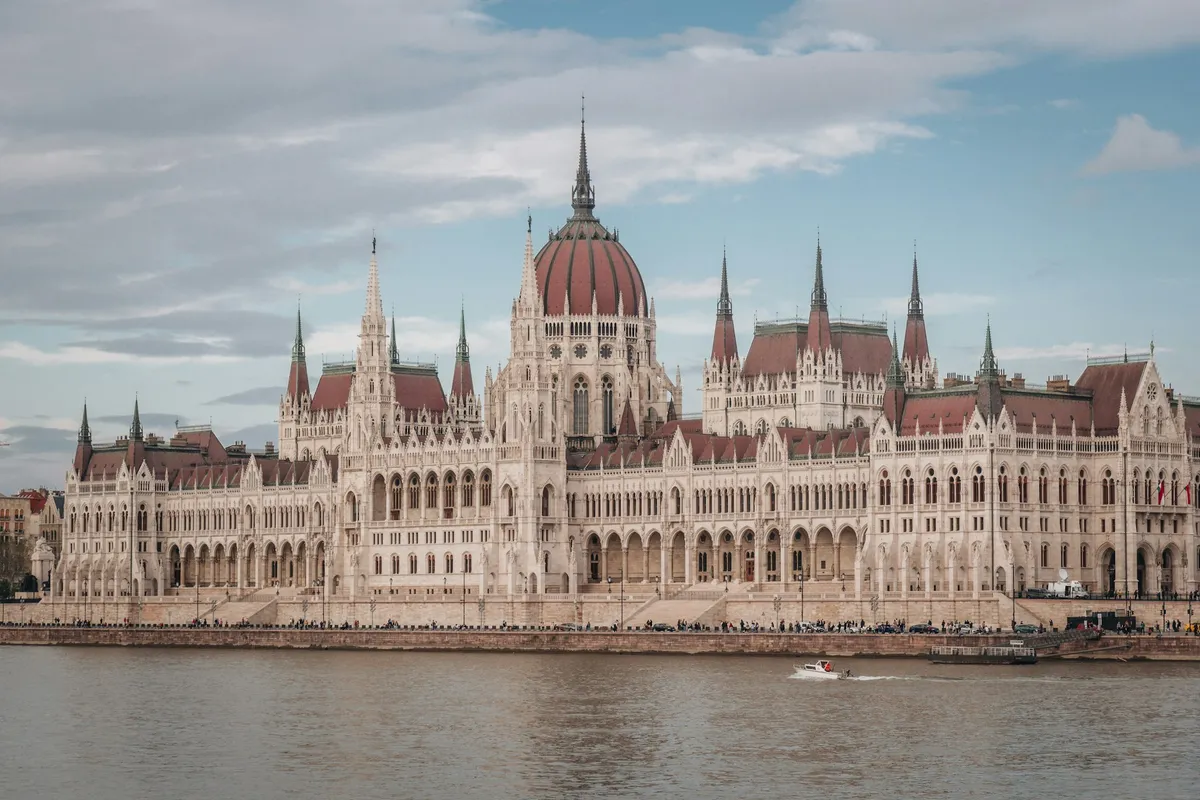
Budapest is a city of two halves—hilly, old-world Buda and lively, flat Pest—split by the Danube and stitched together by elegant bridges. Its riverfront, a UNESCO World Heritage Site, frames standout sights: the neo-Gothic Parliament, the Chain Bridge, Buda Castle, Matthias Church, and the photogenic terraces of Fisherman’s Bastion. In Pest, grand Andrássy Avenue leads to the Opera House, Heroes’ Square, and the green expanse of City Park with the Széchenyi Thermal Bath. Soaking in steaming outdoor pools is a signature Budapest experience, matched by the art nouveau Gellért Baths and numerous neighborhood spas.
Food halls and coffeehouses fuel days of exploring: sample lángos and paprika-laced stews at the Central Market Hall, sip specialty coffee, and finish in a 'ruin bar' hidden in the courtyards of the Jewish Quarter. Cruises at dusk show the skyline at its best, while Margaret Island offers leafy respite and bike paths. Compact and affordable, the city is easy to navigate on foot, tram, and Europe’s oldest continental metro, making short stays efficient without feeling rushed.
Buda Castle
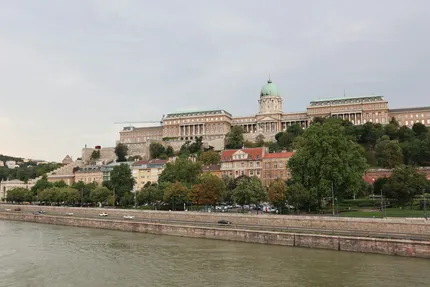
Buda Castle crowns Castle Hill above the Danube, a UNESCO-listed Baroque palace complex with 13th‑century origins. It houses the Hungarian National Gallery, Budapest History Museum, and the National Széchényi Library. Explore courtyards and Matthias Fountain, enjoy panoramic city views, and reach the hill by funicular or on foot; museum interiors require tickets, courtyards are free.
Parliament Building
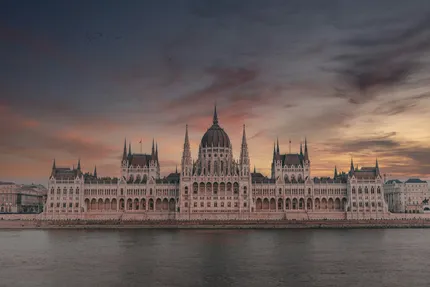
The Hungarian Parliament Building (Országház) is a Neo-Gothic landmark on the Danube in Pest. Guided tours (multiple languages) lead through the Grand Staircase and Dome Hall, where the Holy Crown of Hungary is displayed. The exterior’s spires and central dome are best viewed from the river or opposite bank, especially when illuminated at night.
Széchenyi Thermal Bath
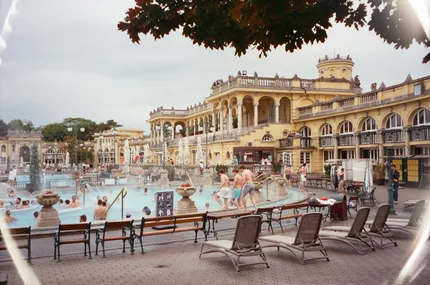
Széchenyi Thermal Bath is a sprawling neo-Baroque spa in Budapest’s City Park, supplied by natural hot springs. Open year-round, it features large outdoor pools and numerous indoor thermal baths, plus saunas and treatments. It's popular with locals and visitors; poolside chess is a hallmark. Tickets typically include locker or cabin access.
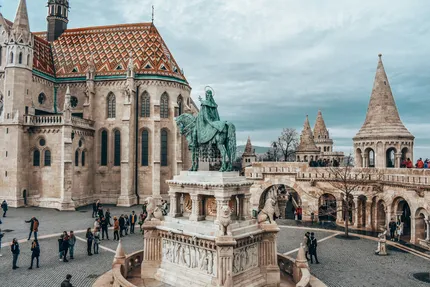
Fisherman's Bastion
Fisherman’s Bastion is a Neo-Romanesque terrace in Budapest’s Buda Castle District, built 1895-1902 by Frigyes Schulek for Hungary’s millennial celebrations. Its seven towers symbolize the seven Magyar tribes. Expect panoramic views over the Danube and Parliament. Lower terraces are free; some upper sections require a small fee. Adjacent: Matthias Church.
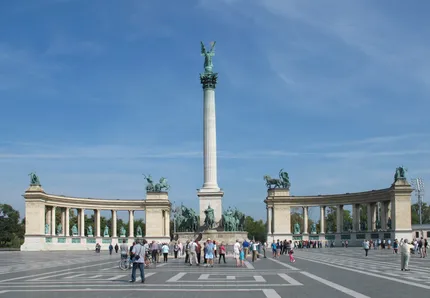
Andrássy Avenue
Andrássy Avenue (Andrássy út) is Budapest's 19th-century grand boulevard, a UNESCO-listed axis linking the city center to Heroes' Square and City Park. Lined with Neo-Renaissance palaces, embassies, cafes and luxury shops, it houses the Hungarian State Opera and the House of Terror museum. The historic Millennium Underground (M1) runs beneath its tree-lined sidewalks.
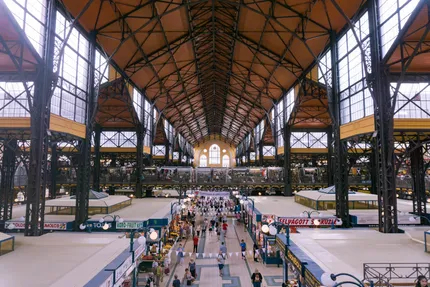
Great Market Hall
Budapest’s Great Market Hall (Nagyvásárcsarnok), opened in 1897 and designed by Samu Pecz, is the city’s largest indoor market, notable for its Zsolnay-tiled roof and steel structure. Stalls sell fresh produce, paprika, meats, cheeses and Tokaji; the upper level offers lángos and souvenirs. Located at Fővám tér by Liberty Bridge.
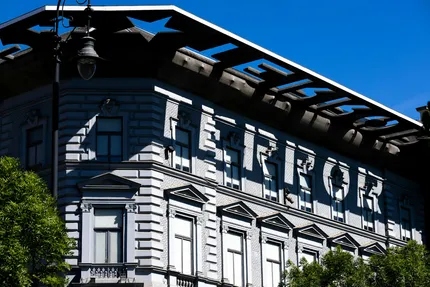
House of Terror
Budapest's House of Terror (Andrássy út 60) is a museum on Hungary's fascist and communist dictatorships. Set in the former headquarters of the Arrow Cross and later the communist secret police, it presents multimedia exhibits, personal testimonies, and preserved basement cells. The museum commemorates victims of repression, forced labor, and executions, offering a stark view of 20th-century rule.
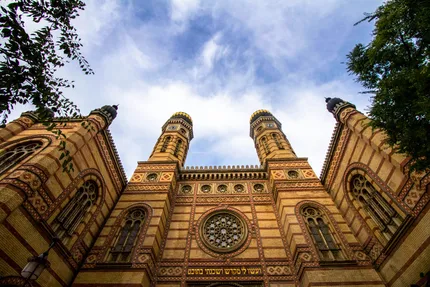
Dohány Street Synagogue
Dohány Street Synagogue, Europe’s largest, anchors Budapest’s historic Jewish Quarter. Built 1854–1859 in Moorish Revival style, the complex includes the Hungarian Jewish Museum, Heroes’ Temple, a Holocaust Memorial (Tree of Life), and a cemetery. Guided tours explain community history and wartime tragedy. Expect security checks and modest dress; occasional concerts showcase the synagogue’s acoustics.
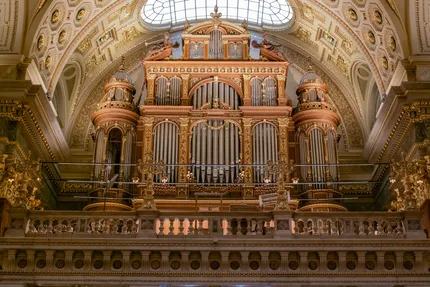
St. Stephen's Basilica
St. Stephen’s Basilica is Budapest’s neoclassical basilica, completed in 1905 and named for Hungary’s first king. Its twin towers and 96-meter dome match Parliament’s height. Inside are ornate chapels and the Holy Right relic. Visitors can take an elevator or stairs to the dome terrace for panoramic city views; frequent organ concerts.

Ruin Bars
Budapest’s ruin bars occupy abandoned pre-war buildings in the Jewish Quarter (District VII), mixing thrift furnishings, street art, and courtyard spaces. Szimpla Kert spearheaded the scene. Expect affordable drinks, DJs, live music, and weekend crowds; bar-hopping is easy on foot. Many host markets and cultural events. Casual dress; hours vary; arrive early for space.
Who should visit Budapest
Budapest suits travelers with clear interests rather than box‑ticking. Spa and wellness fans can spend hours rotating between thermal pools, saunas, and cold plunges at Széchenyi or Gellért, or try smaller neighborhood baths like Rudas with Danube views. Architecture and history enthusiasts will find dense rewards in the Castle District, the Parliament tour, the Great Synagogue complex, the Hungarian National Gallery, the Museum of Fine Arts, the House of Terror, and the Hospital in the Rock. Nightlife‑minded visitors should base themselves near the Jewish Quarter for ruin bars, craft beer pubs, and inventive cocktail spots, plus live music venues. Food‑focused travelers can graze at the Central Market Hall, book a market‑to‑table cooking class, and explore wine bars pouring Tokaj and Bikavér.
Budget‑conscious weekenders benefit from low transit costs and good‑value midrange hotels. Active types can climb to Gellért Hill viewpoints, jog the flat 5.3 km loop on Margaret Island, or take a tram and short hike to Normafa for city panoramas. Families with school‑age children have plenty to do: the zoo in City Park, the Children’s Railway in the Buda Hills, pedal carts and pools at Palatinus Strand on Margaret Island (in season), and easy river cruises. Couples get atmospheric evenings—cobbled lanes in Buda, illuminated bridges, and late‑night soaks. If these profiles fit, Budapest makes a compact, rewarding short break.

Best time to visit Budapest
April to June and September to October offer the best balance of mild weather, lighter crowds, and fair prices. Expect comfortable highs around 18–25°C, blooming parks in spring, and golden light over the Danube in early autumn. Summer (July–August) is hot, often above 30°C; festivals and river life are vibrant, but queues at baths grow and some venues feel crowded. Winter is cold and crisp, with short days, but thermal pools steam invitingly and Christmas markets brighten central squares from mid‑November into December. Pack layers and good walking shoes; reserve popular baths and restaurants on weekends.
Three top reasons for a city trip to Budapest
- Soak in Budapest’s famed thermal baths fed by natural hot springs: Széchenyi’s neo-baroque outdoor pools, Gellért’s Art Nouveau grandeur, Rudas’s Ottoman domes, steam rooms, saunas, nighttime spa parties, year-round relaxation.
- Marvel at Budapest’s skyline along the Danube: the Neo-Gothic Parliament, Chain Bridge, Buda Castle, Fisherman’s Bastion, Matthias Church, panoramic funicular rides, evening river cruises, UNESCO riverbanks glowing spectacularly after dark.
- Taste Budapest’s flavors: goulash, lángos, chimney cake, Dobos torte, Tokaji wines, pálinka; explore Central Market Hall; bar-hop atmospheric ruin pubs like Szimpla Kert; vibrant Jewish Quarter nightlife meets street art.
Budapest is a highly walkable city, with many of its key attractions located around the city center and along the Danube River. Its public transportation network is extensive, including trams, buses, and a metro system, making it convenient to explore all corners of the city. Cycling is increasingly popular, and bike-sharing systems are widely available. The city's terrain and infrastructure are quite accommodating for cyclists. For those planning to explore the surrounding areas or stay in the city for an extended period, renting a car might be practical, but it's generally not necessary for city exploration due to the robust public transport options. Taxis and ride-sharing services are also readily available for more direct travel. Consider purchasing a Budapest Card for unlimited travel on public transportation and discounts at various attractions.
This content was created with AI assistance and may contain inaccuracies.