
City break inBologna
Bologna, a vibrant and historic city in northern Italy, boasts a unique blend of rich history, forward-thinking culture, and delectable cuisine. Known for its medieval towers and extensive porticos, Bologna invites travelers to explore its well-preserved historic center, which showcases stunning architecture from the city's prosperous past. Home to the oldest university in the Western world, the University of Bologna, the city pulses with youthful energy and creativity, seen in its buzzing arts scene and lively nightlife.
Food lovers will delight in Bologna's status as the gastronomic heart of Italy, with local specialties like tagliatelle al ragù, tortellini, and mortadella available at the numerous trattorias and markets. An underrated gem, Bologna offers a genuine Italian experience away from the heavy tourist crowds, making it a perfect destination for travelers seeking an authentic cultural immersion.
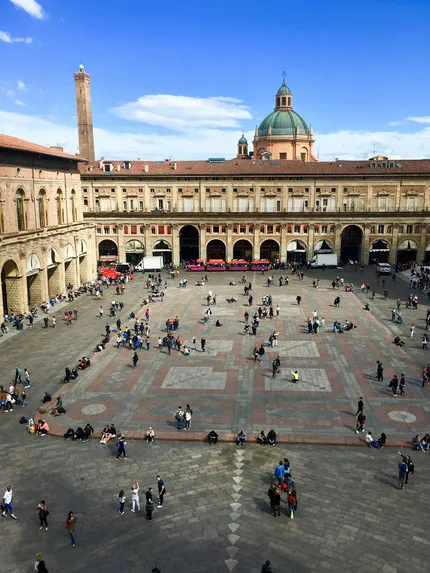
Piazza Maggiore
Piazza Maggiore is the heart of Bologna, flanked by medieval buildings and the magnificent Basilica of San Petronio. This bustling square serves as a vibrant gathering spot for locals and tourists alike. It showcases historical landmarks such as the Palazzo d'Accursio and features cultural events and lively cafés, offering visitors a glimpse into the city's rich heritage and dynamic social life.
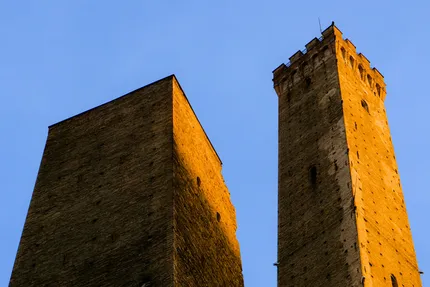
Two Towers (Due Torri)
The Two Towers of Bologna, known as Asinelli and Garisenda, are iconic medieval structures that dominate the city's skyline. Asinelli, the taller of the two, offers a panoramic view from its summit, accessible via a 498-step climb. The towers, built in the 12th century, serve as historical symbols of Bologna's medieval past and architectural ingenuity.
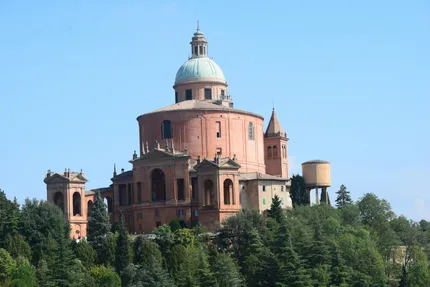
Sanctuary of the Madonna di San Luca
The Sanctuary of the Madonna di San Luca is an iconic 18th-century basilica perched atop Monte della Guardia in Bologna. Characterized by its striking Baroque architecture, it serves as a religious and cultural symbol for the city. Visitors can reach the sanctuary via a scenic walk under the world's longest portico, offering panoramic views of Bologna's cityscape and the surrounding countryside.
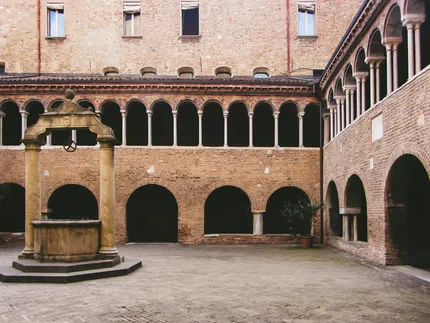
Basilica di Santo Stefano
Basilica di Santo Stefano, often known as the Seven Churches, is a complex of religious buildings in Bologna, Italy. Its origins date back to Roman times, giving it great historical significance. Visitors can explore its diverse architectural styles, including Romanesque and Gothic influences. The site includes courtyards, cloisters, and the Church of San Giovanni, offering a peaceful retreat in the city.
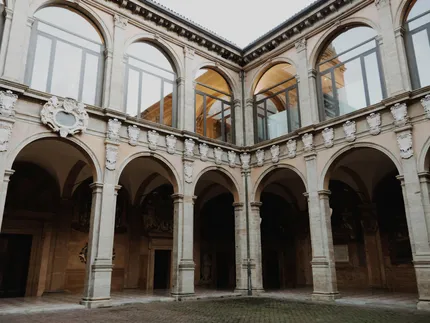
Archiginnasio of Bologna
The Archiginnasio of Bologna, a 16th-century former university building, now houses the Municipal Library and the captivating Anatomical Theatre, adorned with carved wooden statues of physicians. Visitors can explore its historical significance, including a collection of thousands of ancient manuscripts and books. Its beautiful frescoed courtyard and striking architecture reflect Bologna's rich academic history, making it a must-see landmark.
Museo di Palazzo Poggi
Museo di Palazzo Poggi, situated in Bologna, Italy, is home to a range of scientific and artistic collections from the University of Bologna. Housed in a 16th-century palace, the museum features exhibits on natural history, physics, anatomy, and art, showcasing Enlightenment-era scientific advancements. It's an insightful destination for those keen on understanding the historical intersections of science and culture.
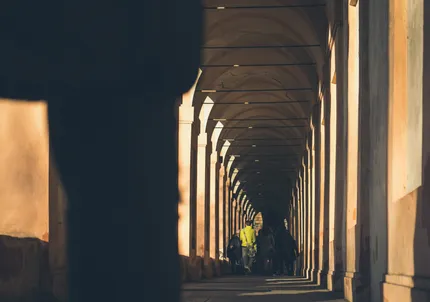
Bologna's Porticoes
Bologna's Porticoes, stretching over 38 kilometers, are a unique architectural feature and UNESCO World Heritage Site. These covered walkways shield pedestrians from the elements, connecting the city's historical and cultural landmarks. Dating from the 12th century, the porticoes are not only practical but also a testament to Bologna’s medieval expansion, offering a distinctive backdrop to explore shops, cafes, and churches.
Gelato Museum Carpigiani
The Gelato Museum Carpigiani in Bologna offers an immersive experience into the history and art of gelato making. Visitors can explore exhibits featuring vintage gelato-making equipment, learn about the evolution of gelato from its ancient origins to modern flavors, and attend workshops to craft authentic gelato. It's an educational journey ideal for food enthusiasts and families alike.
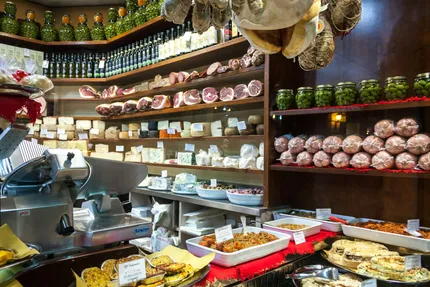
Mercato di Mezzo
Mercato di Mezzo, located in Bologna's historic Quadrilatero district, is a vibrant food market offering a mix of traditional and contemporary Italian cuisine. Visitors can explore various stalls providing fresh produce, artisanal cheeses, cured meats, and local wines. It's a culinary hub ideal for tasting regional specialties like tortellini and mortadella, making it a must-visit for food enthusiasts.
Who should visit Bologna
Bologna is an ideal destination for food enthusiasts, history buffs, and culture seekers. Its culinary pedigree makes it a paradise for those who wish to indulge in traditional Italian cuisine. History lovers will appreciate the preserved historic center and the opportunity to stroll through its ancient streets and admire landmarks like the Two Towers and Basilica of San Petronio. Art and architecture enthusiasts will find plenty to marvel at in the city's museums and galleries, as well as its stunning Renaissance buildings.
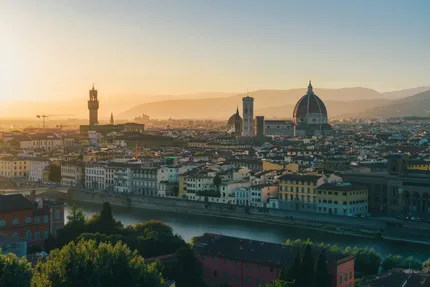
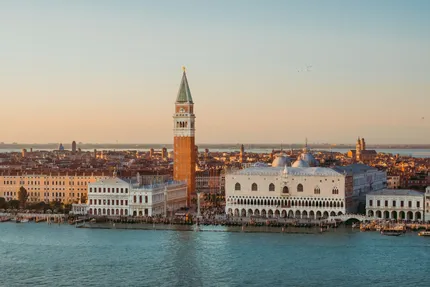
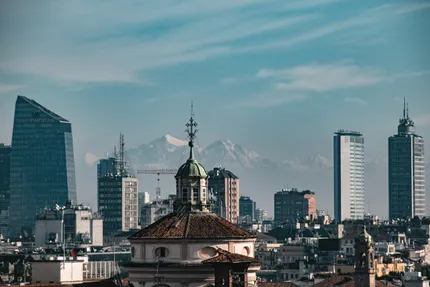
Meanwhile, Bologna's vibrant student population ensures a lively atmosphere, appealing to younger travelers interested in engaging with a dynamic local scene. Bologna offers a relaxed ambiance perfect for a short cultural escape. Its central location also makes it a great base for exploring nearby Italian cities such as Florence, Venice, and Milan.

Best time to visit Bologna
The best time to visit Bologna is during the spring (April to June) and fall (September to October) months when the weather is pleasant and the city hosts various cultural events. The moderate climate during these periods allows for comfortable exploration of the city's outdoor attractions.
Three top reasons for a city trip to Bologna
- Bologna's historic center boasts stunning medieval architecture, like the Two Towers and Piazza Maggiore, transporting visitors to Italy’s rich past with picturesque streets perfect for wandering.
- Renowned for its culinary heritage, Bologna is the birthplace of mortadella and tagliatelle al ragù, offering authentic dishes that make it Italy's gastronomic capital.
- The city’s vibrant cultural scene includes world-class museums and galleries, such as MAMbo, fostering a lively arts atmosphere that's deeply engaging and culturally enriching for visitors.
Bologna is a delightfully walkable city, with its medieval historic center easily navigable on foot thanks to the famous 'porticos,' which provide covered walkways throughout much of the city. Cycling is also a popular option and several rental options, including bike-sharing services, are available. Public transport in Bologna is efficient, with buses and a robust tram network offering comprehensive coverage of the city and surrounding areas. For travelers looking to explore the Emilia-Romagna region or visit nearby cities such as Modena or Ferrara, train services are frequent and reliable. While a car is not necessary for getting around the city itself, it may be useful for those planning to explore rural areas or the Apennine mountains.
This content was created with AI assistance and may contain inaccuracies.