
City break inTokyo
Tokyo is one of the world's most dynamic cities, a place where ultramodern architecture and centuries-old temples exist side by side. As Japan's capital and largest city, it is home to over 13 million people within the city proper, making it one of the most densely populated urban areas on earth. Tokyo is divided into distinct neighborhoods, each with its own character: Shinjuku offers neon-lit nightlife and towering skyscrapers, Asakusa preserves the atmosphere of old Edo, and Harajuku is the epicenter of eccentric street fashion.
The city is also a culinary paradise, boasting more Michelin-starred restaurants than any other city in the world, from high-end omakase sushi counters to humble ramen shops. Public transport is famously efficient and punctual, making it easy to navigate the sprawling metropolis. Tokyo also serves as a gateway to day trips to Nikko, Kamakura, and Mount Fuji. The city rewards repeat visits, as each neighborhood reveals new layers the more time you spend exploring.
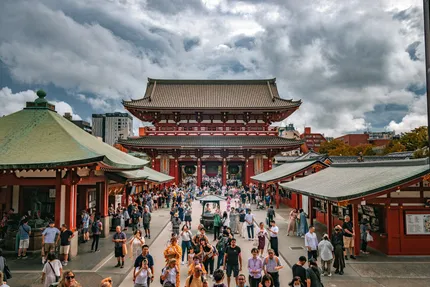
Senso-ji Temple
Senso-ji is Tokyo's oldest and most visited temple, located in the Asakusa district. Founded in 628 AD, it is dedicated to the Buddhist goddess Kannon. Visitors pass through the iconic Kaminarimon gate, with its giant red lantern, before walking along Nakamise shopping street to the main hall. The temple grounds are lively year-round and particularly atmospheric during festivals.
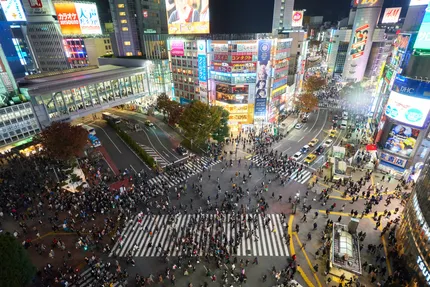
Shibuya Crossing
Shibuya Crossing is one of the world's busiest pedestrian intersections, located in front of Shibuya Station's Hachiko exit. When traffic lights turn red, hundreds of people cross simultaneously from all directions in a choreographed flow. The crossing is surrounded by giant video screens and neon signs, making it especially impressive at night. Nearby cafes and viewing spots offer a great vantage point to watch the spectacle.
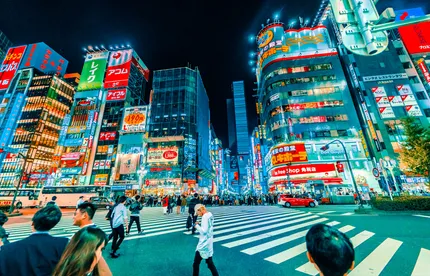
Shinjuku
Shinjuku is one of Tokyo's busiest districts, functioning as a major commercial, entertainment, and transportation hub. The area is home to one of the world's busiest railway stations, high-rise office buildings, and the sprawling Kabukicho entertainment district. Visitors can explore department stores, izakayas, the vibrant Golden Gai bar alley, and Omoide Yokocho, a narrow lane of small atmospheric restaurants serving yakitori and ramen.
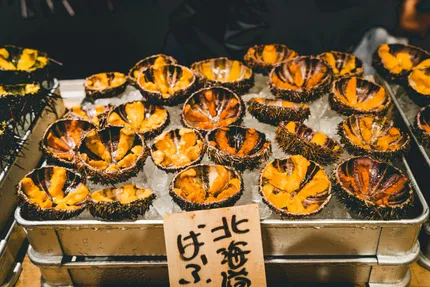
Tsukiji Outer Market
The Tsukiji Outer Market remains a bustling food destination even after the inner wholesale market relocated to Toyosu in 2018. Visitors can browse dozens of stalls and small shops selling fresh seafood, pickles, dried goods, cookware, and knives. It is an ideal spot for an early morning breakfast of sushi or tamagoyaki. The lively atmosphere and street food offerings make it a popular stop for both locals and tourists.
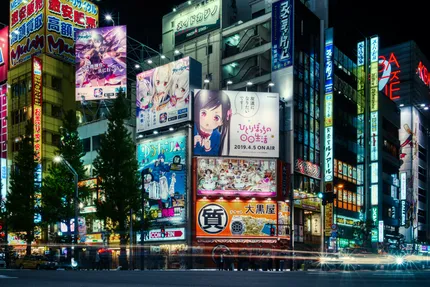
Akihabara
Akihabara is Tokyo's famous electronics and pop culture district, known for its dense concentration of shops selling electronics, anime merchandise, manga, and video games. The area draws tech enthusiasts and anime fans from around the world. Multi-floor electronics stores like Yodobashi Camera sit alongside niche hobby shops and arcades. Maid cafes, where staff dress in costume, are a distinctive local attraction worth experiencing.
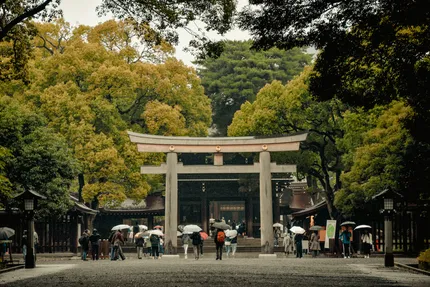
Meiji Shrine
The Meiji Shrine is a Shinto shrine in the heart of Tokyo, dedicated to Emperor Meiji and Empress Shoken. Set within a forested area of over 70 hectares in Harajuku, it offers a peaceful retreat from the city. Visitors walk along wide gravel paths through towering trees to reach the main hall. The shrine is particularly popular during New Year celebrations, drawing millions of visitors.
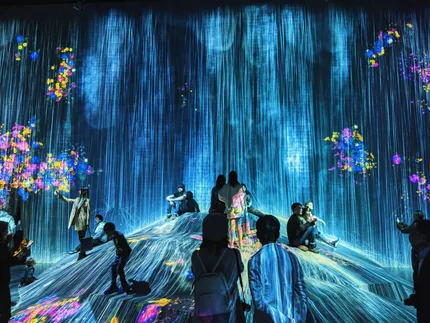
teamLab Borderless or Planets
teamLab operates two immersive digital art museums in Tokyo. Borderless in Azabudai Hills features interconnected rooms where artworks move freely between spaces, creating an ever-changing environment. Planets in Toyosu offers a more focused journey through large-scale installations, including rooms filled with water and mirrors. Both venues use cutting-edge projection technology to create interactive, visually stunning experiences that respond to visitor movement.
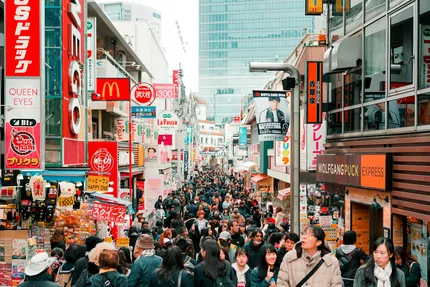
Harajuku and Takeshita Street
Harajuku is Tokyo's fashion-forward district, famous for its vibrant youth culture and street style. Takeshita Street is its pedestrian centerpiece, a narrow, bustling lane lined with quirky boutiques, crepe stands, costume shops, and accessories stores. It is where bold fashion subcultures thrive, from Gothic Lolita to kawaii aesthetics. The area also sits near the elegant Meiji Shrine, offering a striking contrast between tradition and contemporary pop culture.
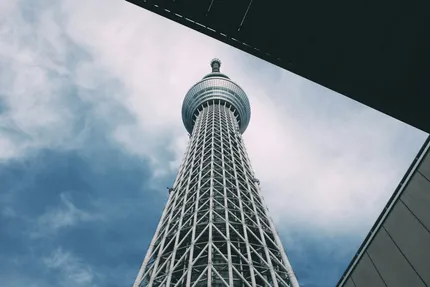
Tokyo Skytree
Tokyo Skytree is a broadcasting and observation tower standing 634 meters tall, making it the tallest structure in Japan and one of the tallest in the world. Located in the Sumida district, it features two observation decks at 350 and 450 meters, offering panoramic views of Tokyo and, on clear days, Mount Fuji. The base complex includes shops, restaurants, and an aquarium.
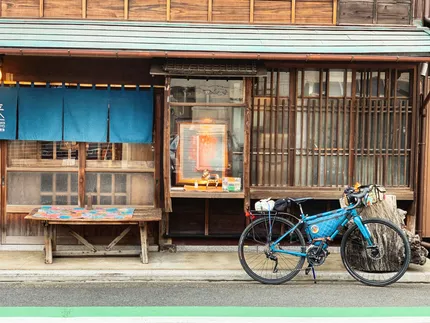
Yanaka
Yanaka is one of Tokyo's best-preserved historic neighborhoods, having survived both the 1923 earthquake and World War II bombing. The area features traditional wooden machiya townhouses, independent shops, and a relaxed atmosphere rarely found in modern Tokyo. Yanaka Ginza, a nostalgic shopping street, is the neighborhood's social hub. The large cemetery nearby doubles as a peaceful walking spot, particularly popular during cherry blossom season.
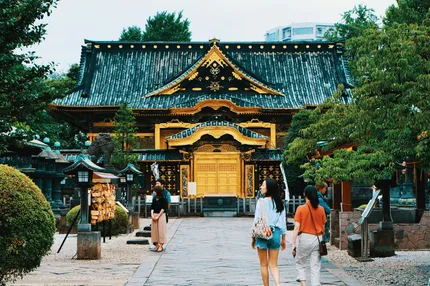
Ueno Park and Museums
Ueno Park is one of Tokyo's largest public parks and a major cultural hub. It houses several world-class institutions including the Tokyo National Museum, the National Museum of Nature and Science, and the National Museum of Western Art. The park is also famous for cherry blossoms in spring, drawing huge crowds. The zoo within the grounds is Japan's oldest, home to giant pandas.
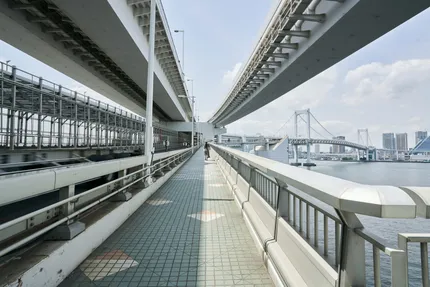
Odaiba
Odaiba is a futuristic artificial island in Tokyo Bay, accessible via the scenic Rainbow Bridge or the driverless Yurikamome monorail. It combines shopping malls, entertainment centers, museums, and waterfront parks. Key attractions include TeamLab Borderless, the Toyota Mega Web, Miraikan science museum, and a life-size Gundam statue. The island offers striking views of the Rainbow Bridge and Tokyo skyline, especially at night.
Who should visit Tokyo
Tokyo is an excellent destination for food enthusiasts who want to explore one of the world's most sophisticated culinary cultures. Whether the interest lies in high-end kaiseki dining, conveyor-belt sushi, izakaya hopping in Shinjuku, or tracking down the perfect bowl of ramen in a back-alley shop, the city delivers at every price point. Architecture and design lovers will find plenty to admire, from the teamLab digital art installations to the buildings of Tadao Ando and Kengo Kuma. Anime and pop culture fans are well served by the electronics shops of Akihabara and the character stores scattered across the city. Shoppers will appreciate the range, from luxury department stores in Ginza to vintage clothing markets in Shimokitazawa.
Travelers with an interest in history and religion can visit Senso-ji temple in Asakusa, the Meiji Shrine, and the Imperial Palace grounds. Tokyo also suits urban explorers who enjoy simply wandering dense, layered city streets with no fixed agenda. It is less suited to travelers seeking beaches, wide open nature, or a slow-paced relaxed holiday atmosphere.

Best time to visit Tokyo
The best time to visit Tokyo is spring, from late March to early April, when the famous cherry blossoms are in full bloom. Autumn, from October to November, is equally appealing, with mild temperatures and vivid foliage. Both seasons offer comfortable weather for walking and sightseeing. Summer is hot, humid, and rainy, though it brings vibrant festivals. Winter is cold but dry, and December illuminations make the city particularly atmospheric. Avoid Golden Week in early May, as crowds and hotel prices peak significantly.
Three top reasons for a city trip to Tokyo
- Tokyo offers an unmatched food scene, from Michelin-starred ramen shops in Shinjuku to fresh sushi at Tsukiji Outer Market, with more Michelin stars than any other city worldwide.
- The city blends ultramodern architecture and ancient temples seamlessly. Senso-ji in Asakusa sits minutes from the futuristic teamLab digital art museums and the towering Tokyo Skytree.
- Tokyo's distinct neighborhoods each offer a unique identity. Harajuku showcases eccentric street fashion, Akihabara centers on electronics and anime culture, and Shimokitazawa hosts indie music and vintage shops.
Tokyo has one of the world's best public transportation systems. The extensive metro and train network covers virtually every part of the city, making a car unnecessary and often impractical given traffic and parking costs. The JR Yamanote Line loops around central Tokyo, connecting major hubs like Shinjuku, Shibuya, Akihabara, and Tokyo Station. IC cards such as Sumo or Pasmo work across almost all trains, subways, and buses, simplifying travel considerably. Taxis are widely available but expensive. Cycling is possible in some neighborhoods, though busy roads and limited bike parking can be challenging. Walking is highly recommended within individual districts, as neighborhoods like Shimokitazawa, Yanaka, and Harajuku are best explored on foot. The sheer scale of Tokyo means you will rely heavily on trains to move between districts, but once you arrive in an area, exploring by foot is usually the most rewarding approach.
This content was created with AI assistance and may contain inaccuracies.