
3 days in Tokyo
JapanDay #1
Explore classic Tokyo: Asakusa, Akihabara, and Shibuya
08:00
Breakfast at a traditional Japanese café in Asakusa
Asakusa is one of Tokyo's most traditional districts, and its cafes offer an authentic morning experience. A traditional Japanese breakfast typically includes rice, miso soup, grilled fish, pickled vegetables, and tamagoyaki (rolled omelette). Many cafes here have been operating for generations, serving these meals in settings with low wooden tables and tatami floors, offering a glimpse into old Tokyo before the crowds arrive.
09:00
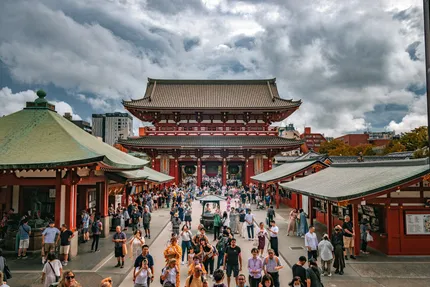
Visit Senso-ji Temple and Nakamise Shopping Street
Senso-ji is Tokyo's oldest and most visited Buddhist temple, located in the Asakusa district. The iconic Kaminarimon gate, with its giant red lantern, marks the entrance to Nakamise Shopping Street, a lively 250-meter corridor lined with stalls selling traditional snacks, souvenirs, and crafts. The temple grounds are open around the clock, making it accessible at any time of day.
11:00
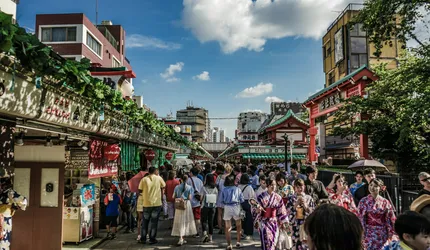
Explore Asakusa cultural district and Sumida River
Asakusa is one of Tokyo's oldest districts, home to the iconic Senso-ji Temple, Tokyo's oldest Buddhist temple, reached through the striking Kaminarimon gate. The surrounding Nakamise shopping street sells traditional crafts and snacks. The nearby Sumida River offers pleasant riverside walks and boat cruises, with views of the Tokyo Skytree. The area preserves much of old Tokyo's shitamachi low-city atmosphere and traditional character.
12:30
Lunch at a local ramen restaurant in Asakusa
Asakusa is home to numerous ramen restaurants serving regional styles. A typical lunch might feature tonkotsu, shoyu, or miso-based broths with fresh noodles, chashu pork, soft-boiled eggs, and nori. The neighborhood's casual eateries are popular with both locals and visitors. Lunch service usually runs from around 11am to 2pm, with many spots offering affordable set meals that include rice or gyoza.
14:00
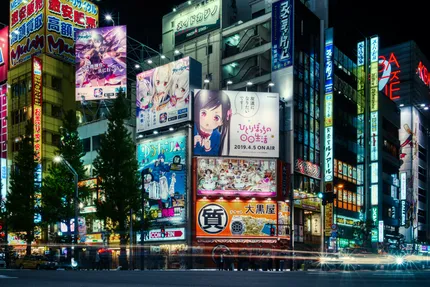
Head to Akihabara – explore electronics and anime shops
Akihabara is Tokyo's famous district dedicated to electronics, manga, anime, and gaming culture. Multistory shops sell everything from cutting-edge gadgets and computer components to vintage consoles and figurines. The area is packed with specialized retailers, arcades, and maid cafes. Whether you are a tech enthusiast or anime fan, the sheer density and variety of stores makes Akihabara one of Tokyo's most distinctive and entertaining neighborhoods to explore.
16:00
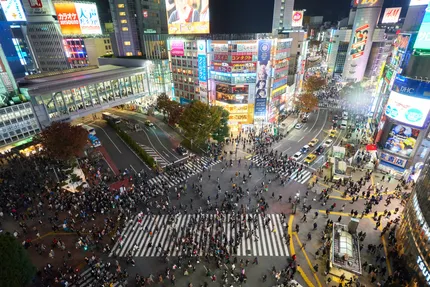
Travel to Shibuya – see the famous Shibuya Crossing
Shibuya Crossing is one of the busiest pedestrian intersections in the world, located outside Shibuya Station's Hachiko exit. When traffic lights turn red, vehicles stop in all directions and hundreds of people cross simultaneously from every angle. The surrounding area is a major commercial and entertainment hub filled with shops, restaurants, and neon signs. The crossing is best viewed from elevated spots in nearby buildings or cafes.
17:00
Shopping at Shibuya 109 and surrounding stores
Shibuya 109 is a iconic fashion complex at the heart of Shibuya, popular for trendy Japanese youth fashion. The cylindrical building houses dozens of boutiques across multiple floors, catering to teens and young adults. The surrounding streets, including Center-gai, offer countless shops, restaurants, and entertainment options. The area is best explored on weekends when Tokyo's vibrant street fashion scene is on full display.
19:00
Dinner at an izakaya in Shibuya
Izakayas are Japanese gastropubs where guests eat and drink in a relaxed setting. Shibuya has dozens of options ranging from casual chain spots to intimate local joints. Expect skewered yakitori, edamame, grilled fish, and small shared plates alongside cold beer, sake, or shochu. Most izakayas operate from early evening until late night. Look for spots on the backstreets near Shibuya station for a more authentic experience.
21:00
Evening drinks at a rooftop bar in Shibuya
Shibuya has several rooftop bars offering views over one of Tokyo's most energetic districts. Spots like the rooftop at Shibuya Stream or various hotel bars provide a relaxed setting to watch the city light up at dusk. The famous Shibuya Crossing is visible from some vantage points. Drinks typically include Japanese whisky, craft beer, and cocktails. Expect a lively atmosphere, especially on weekends.
Day #2
Tranquil temples, gardens, and vibrant Harajuku culture
08:00
Breakfast at a local bakery in Harajuku
Harajuku is home to several charming bakeries, particularly along and near Omotesando Avenue. Starting your morning here means fresh-baked pastries, Japanese milk bread, and quality coffee in a relaxed setting before the area gets busy. Many bakeries blend French techniques with Japanese precision, producing exceptional croissants and seasonal treats. It is a quieter, more local side of a district better known for its fashion and street culture.
09:00
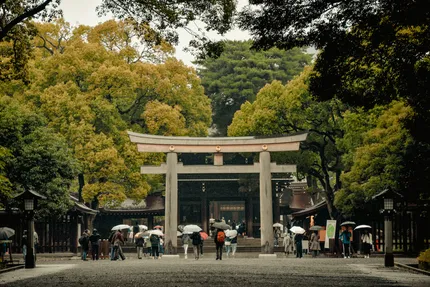
Visit Meiji Shrine and surrounding forest
Meiji Shrine is a Shinto shrine in central Tokyo dedicated to Emperor Meiji and Empress Shoken. Set within a forested area of roughly 70 hectares, it offers a calm contrast to the busy city surrounding it. Visitors walk along wide gravel paths lined with tall trees to reach the main shrine buildings. The grounds are free to enter and accessible year-round, with the inner treasure museum requiring a small fee.
10:30
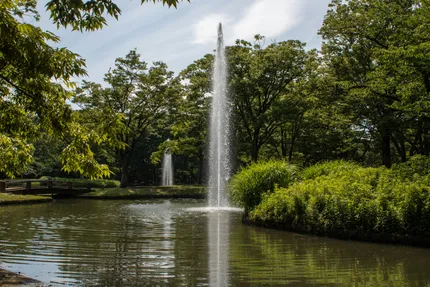
Stroll through Yoyogi Park
Yoyogi Park is one of Tokyo's largest and most popular green spaces, located near Harajuku and Shibuya. Open daily and free to enter, it offers wide open lawns, wooded paths, and a relaxed atmosphere ideal for picnics, cycling, and people-watching. Weekends draw musicians, performers, and sports enthusiasts. The park is especially popular during cherry blossom season in late March and early April.
12:00
Explore Takeshita Street – quirky fashion and crepes
Takeshita Street in Harajuku is Tokyo's epicenter of youth fashion and pop culture. This narrow pedestrian lane is packed with boutiques selling avant-garde clothing, vintage finds, and cosplay accessories. It's also famous for its elaborate crepes, stuffed with fruit, cream, and various sweet fillings. The street gets extremely busy on weekends, attracting both locals and tourists eager to experience its vibrant, eccentric atmosphere.
13:00
Lunch at a trendy café in Omotesando
14:30
Window shopping along Omotesando Hills
Omotesando Hills is a luxury shopping complex in one of Tokyo's most fashionable districts. Designed by architect Tadao Ando, the building features a striking spiral atrium with boutiques from top international and Japanese designers. Even without spending, strolling the tree-lined Omotesando boulevard and browsing the elegant storefronts is a rewarding experience, offering a glimpse into Tokyo's high-end fashion culture and contemporary architecture.
16:00
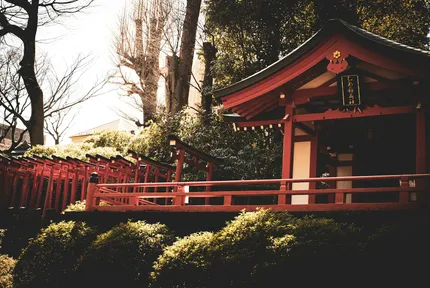
Visit Nezu Shrine and its famous torii gates
Nezu Shrine is one of Tokyo's oldest shrines, dating back over 1,900 years. Located in the Bunkyo district, it is renowned for its tunnel of vermillion torii gates, similar to Kyoto's Fushimi Inari but far less crowded. The shrine sits within a forested hillside garden, particularly beautiful during azalea season in April and May, when thousands of flowers bloom across the grounds.
17:30
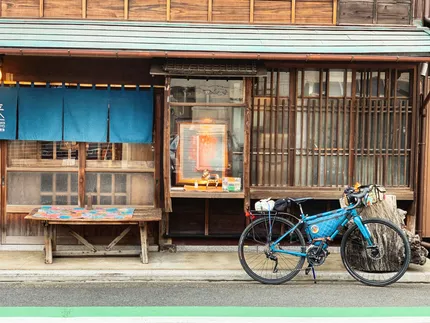
Explore the Yanaka old town neighborhood
Yanaka is one of Tokyo's best-preserved historic neighborhoods, having survived both the 1923 earthquake and World War II bombing. The area retains a traditional shitamachi (old town) atmosphere with narrow streets, wooden houses, independent shops, and over 70 Buddhist temples. The famous Yanaka Cemetery is a peaceful spot popular for cherry blossom viewing. The Yanaka Ginza shopping street offers local snacks and crafts.
19:30
Dinner at a sushi restaurant in Ueno
Ueno has a solid selection of sushi restaurants ranging from casual conveyor belt spots to more traditional sit-down establishments. The neighborhood sits near Ameyoko market, where fresh seafood is sold daily, making it a practical area for quality sushi. Many restaurants offer omakase menus alongside a la carte options. It is a straightforward, unpretentious dining area compared to higher-end sushi districts like Ginza.
21:00
Evening walk around Ueno Park
Ueno Park is one of Tokyo's largest public parks and a pleasant place for an evening stroll. The tree-lined paths pass by Shinobazu Pond, several shrines, and major museums. In spring, the park is famous for cherry blossoms. In the evening, the atmosphere is calm, with vendors, street performers, and locals relaxing. The park is easily accessible from Ueno Station.
Day #3
Teamlab, Odaiba, and dazzling Tokyo skyline views
08:00
Breakfast at a hotel or café in Shinjuku
Shinjuku offers a wide range of breakfast options, from traditional Japanese morning sets featuring rice, miso soup, and grilled fish to Western-style meals at hotel restaurants and local cafes. Many kissaten, Tokyo's classic coffee shops, serve a popular morning set of toast, a boiled egg, and coffee at a reasonable price. Convenience stores nearby also offer quality grab-and-go options.
09:00
Visit the Tokyo Metropolitan Government Building observation deck
The Tokyo Metropolitan Government Building in Shinjuku offers free observation decks on the 45th floor of both towers, sitting at 202 meters high. Open during daytime and select evenings, the decks provide panoramic views of the city skyline, and on clear days, Mount Fuji is visible to the west. It remains one of Tokyo's best free viewpoints.
10:30
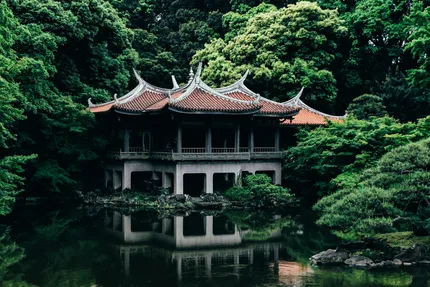
Explore Shinjuku Gyoen National Garden
Shinjuku Gyoen is one of Tokyo's largest and most celebrated parks, covering 58 hectares in the heart of the city. Originally an imperial garden, it opened to the public in 1949. The park blends French formal, English landscape, and Japanese traditional garden styles. It is particularly popular during cherry blossom season in spring and features large greenhouses with tropical plants. Alcohol is prohibited inside.
12:00
Lunch at a noodle shop in Shinjuku
13:30
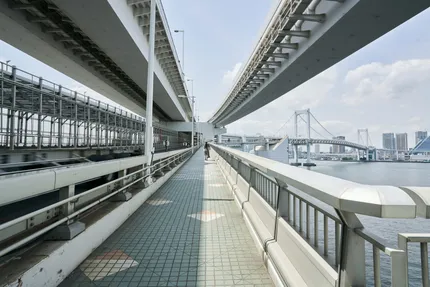
Travel to Odaiba via the Yurikamome Line
The Yurikamome Line is an automated monorail connecting Shimbashi to Toyosu, passing through Odaiba, a man-made island in Tokyo Bay. The elevated track offers panoramic views of Rainbow Bridge and the city skyline. Odaiba itself is a popular leisure destination with shopping malls, teamLab digital art installations, a replica Statue of Liberty, and waterfront parks with views of the bay.
14:00
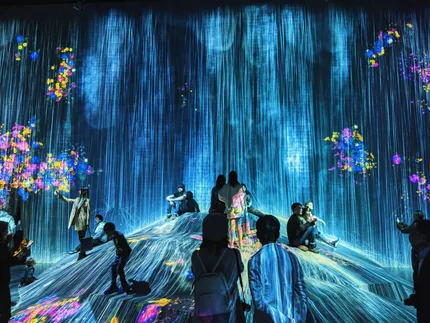
Visit teamLab Borderless digital art museum
teamLab Borderless is an immersive digital art museum in Tokyo, now located in Azabudai Hills after relocating in 2024. Created by the art collective teamLab, it features interconnected rooms where digital artworks flow between spaces without boundaries. Lights, projections, and sounds respond to visitors' movements, creating a constantly changing environment. The museum has no fixed map, encouraging exploration across its many rooms and installations.
16:30
Explore DiverCity Tokyo Plaza and Odaiba waterfront
DiverCity Tokyo Plaza is a large shopping and entertainment complex on the man-made island of Odaiba. It is famous for displaying a life-sized Gundam statue at its entrance. The surrounding Odaiba waterfront offers scenic views of Tokyo Bay and the Rainbow Bridge. Visitors can shop, dine, and explore nearby attractions including teamLab and the Fuji TV building, making it a popular leisure destination.
18:00
Watch the sunset over Tokyo Bay from Odaiba Beach
Odaiba Beach is an artificial shoreline on Tokyo Bay offering unobstructed views of the city skyline and Rainbow Bridge. At sunset, the scene transforms as the sky shifts color behind the bridge and waterfront towers. The beach is accessible via the Yurikamome monorail and sits within a larger entertainment district, making it easy to combine with nearby attractions like teamLab Borderless or DiverCity Tokyo Plaza.
19:30
Dinner at a restaurant in Odaiba with Rainbow Bridge views
Odaiba is a futuristic island district in Tokyo Bay offering striking views of the Rainbow Bridge, a suspension bridge illuminated at night. Several waterfront restaurants here serve Japanese and international cuisine while overlooking the bridge and the city skyline. Dining in the evening provides the best experience, as the bridge and surrounding bay area light up after dark, creating a memorable backdrop for a meal.
21:00
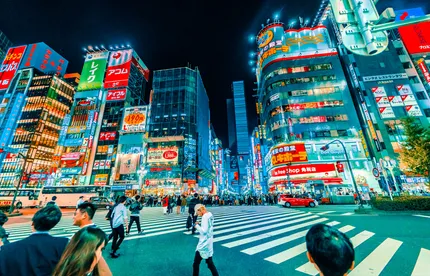
Return to the city and explore Shinjuku's neon-lit streets
Shinjuku is one of Tokyo's most vibrant districts, known for its dazzling neon signs and bustling nightlife. Kabukicho, Japan's largest entertainment district, sits at its heart, packed with restaurants, bars, and arcades. The narrow alleyways of Omoide Yokocho offer yakitori stalls and an old-school atmosphere. By night, the area transforms into a luminous spectacle that captures the energy and sensory intensity Tokyo is famous for.