
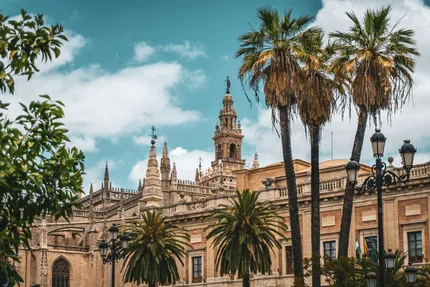
Seville Cathedral and La Giralda
The Seville Cathedral is the largest Gothic cathedral in the world and a UNESCO World Heritage Site. Built in the 15th century, it houses the tomb of Christopher Columbus. Attached to the cathedral is La Giralda, a 98-meter bell tower originally built as a minaret during Moorish rule. Visitors can climb its ramp to enjoy panoramic views over Seville's historic center.
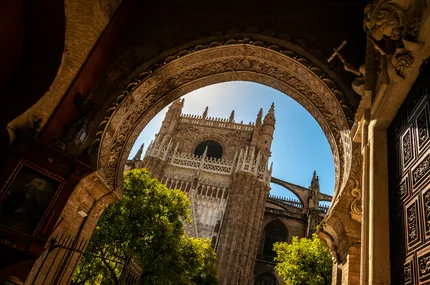
Real Alcázar of Seville
The Real Alcázar is a stunning royal palace complex in the heart of Seville, and one of the oldest royal palaces still in use in Europe. Originally a Moorish fort, it was later developed into an elaborate palace featuring ornate Mudejar architecture, lush gardens, and intricately decorated halls. It served as a royal residence for Spanish monarchs and remains a UNESCO World Heritage Site.
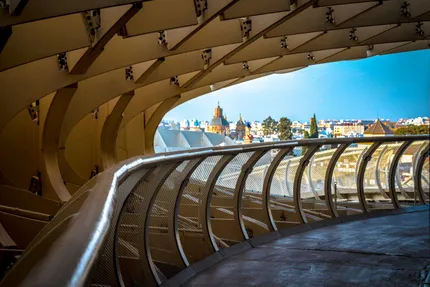
Metropol Parasol
The Metropol Parasol, locally known as Las Setas (the mushrooms), is a striking wooden structure in Plaza de la Encarnacion completed in 2011. Designed by German architect Jurgen Mayer, it claims to be the world's largest wooden structure. Visitors can walk along its undulating rooftop walkway for panoramic views of Seville. The base houses a market, restaurants, and a museum with Roman archaeological remains.
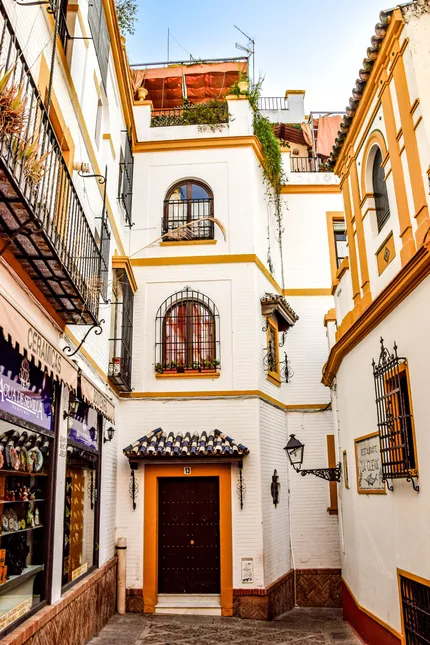
Barrio Santa Cruz
Barrio Santa Cruz is Seville's former Jewish quarter, a labyrinth of narrow whitewashed alleys, flower-filled patios, and small plazas. Located beside the Alcazar walls, the neighborhood is one of the city's most picturesque areas. Key landmarks include the Plaza de Doña Elvira and the Plaza de los Venerables. It's ideal for leisurely wandering, with plenty of tapas bars and restaurants tucked along its winding streets.
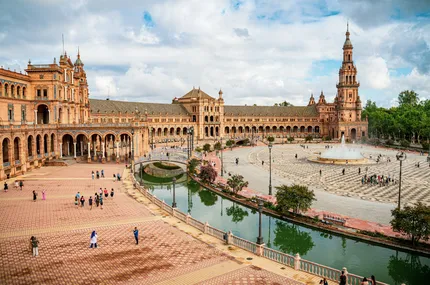
Plaza de España
Plaza de España is one of Seville's most iconic landmarks, built for the 1929 Ibero-American Exposition. The vast semicircular complex features a main building, two towers, and a decorative canal with small bridges. Its tiled alcoves represent each Spanish province with maps and historical scenes. Visitors can hire rowboats on the canal and enjoy views of the ornate Renaissance Revival and Moorish architecture.
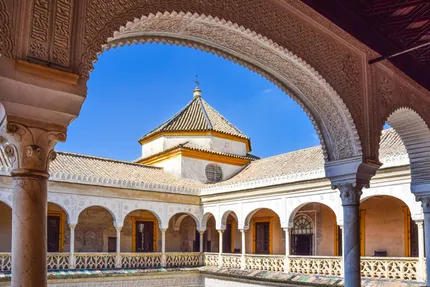
Casa de Pilatos
Casa de Pilatos is a stunning 16th-century palace blending Mudéjar, Gothic, and Renaissance styles. Serving as the residence of the Dukes of Medinaceli, it features beautifully decorated courtyards, ornate tilework, carved stucco, and impressive art collections. Named after a mistaken association with Pontius Pilate, it remains one of Seville's finest examples of Andalusian aristocratic architecture and is still partially inhabited by the ducal family today.
Seville Museum of Fine Arts
The Seville Museum of Fine Arts, housed in a former 17th-century convent, is considered one of Spain's most important art museums. Its collection spans medieval to modern works, with a strong focus on Spanish Baroque painting. Highlights include major works by Murillo, Zurbaran, and Valdez Leal. The building itself, with its elegant courtyards and ornate chapel, is as impressive as the art within.
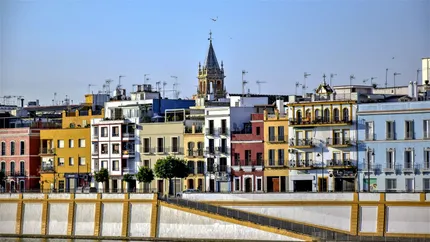
Triana District
Triana is a historic neighbourhood on the west bank of the Guadalquivir River, traditionally home to flamenco artists, bullfighters, and ceramics makers. Its colourful tiled facades, independent shops, and lively tapas bars give it a distinct character from the rest of Seville. The Mercado de Triana is a good starting point, and the riverside walkway offers pleasant views back toward the city centre.
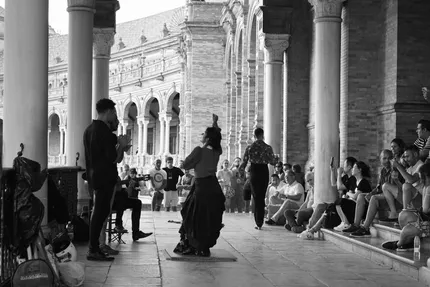
Flamenco Show
Seville is considered the birthplace of flamenco, making it one of the best places in the world to experience this passionate art form. Tablaos throughout the city offer nightly performances featuring skilled dancers, guitarists, and singers. For a more authentic experience, seek out smaller, intimate venues in the Triana neighborhood or Santa Cruz district, where performances feel raw and genuinely rooted in Andalusian culture.
This content was created with AI assistance and may contain inaccuracies.