
3 days in Seoul
South KoreaDay #1
Explore historic palaces, markets, and vibrant Insadong
08:00
Breakfast at a traditional Korean restaurant in Gwanghwamun
Start your day in Gwanghwamun with a traditional Korean breakfast at one of the area's classic restaurants. Expect dishes like kongnamul gukbap (soybean sprout rice soup), kimchi, and various banchan side dishes. This historic district near Gyeongbokgung Palace offers an authentic setting to experience everyday Korean morning dining culture, popular with local office workers and residents rather than tourist-focused establishments.
09:30
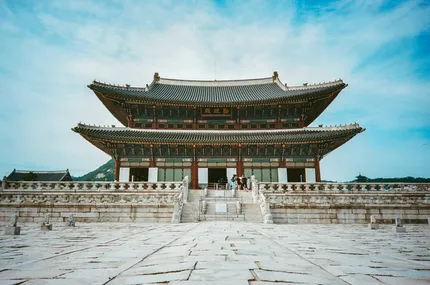
Visit Gyeongbokgung Palace and watch the Royal Guard Changing Ceremony
Gyeongbokgung Palace, built in 1395, was the main royal palace of the Joseon Dynasty. Visitors can explore its grand halls, pavilions, and the National Folk Museum within the grounds. The Royal Guard Changing Ceremony, held multiple times daily at the main gate, recreates traditional court rituals with elaborately costumed guards. The ceremony is free to watch and offers a vivid glimpse into Korea's imperial past.
11:00
Explore the National Folk Museum of Korea inside the palace grounds
Located within Gyeongbokgung Palace, the National Folk Museum of Korea documents the everyday lives of Korean people from the Joseon Dynasty to the modern era. Its three permanent exhibition halls cover Korean history, the traditional annual life cycle, and the stages of a Korean person's life. Outdoor exhibits include reconstructed traditional buildings and artifacts. Admission is free when entering through the palace grounds.
12:30
Lunch at Tosokchon Samgyetang – famous for Korean ginseng chicken soup
Tosokchon Samgyetang is one of Seoul's most celebrated restaurants, specializing in samgyetang, a traditional Korean soup made with a whole young chicken stuffed with glutinous rice, garlic, jujube, and ginseng. Located near Gyeongbokgung Palace in Jongno-gu, the restaurant has served this nourishing dish for decades. Expect queues, especially at lunch, but the rich, slow-simmered broth makes the wait worthwhile.
14:00
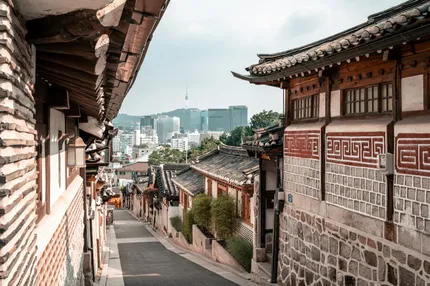
Stroll through Bukchon Hanok Village and admire traditional hanok houses
Bukchon Hanok Village is a historic neighborhood nestled between Gyeongbokgung Palace and Changdeokgung Palace. The area contains hundreds of traditional Korean hanok houses, many dating back to the Joseon Dynasty. Narrow alleyways wind between preserved tile-roofed homes, offering excellent views over Seoul. Many buildings now serve as guesthouses, tea rooms, and cultural centers. Early morning visits are recommended to avoid crowds and respect residents.
15:30
Walk around Insadong alley for souvenirs, tea, and local crafts
Insadong is a charming neighborhood in central Seoul known for its traditional Korean culture and arts. The winding alleyways are lined with tea houses, antique shops, galleries, and craft stores selling handmade goods, ceramics, and calligraphy supplies. It is an ideal place to pick up authentic souvenirs, sample traditional teas, and browse local artwork. The main street and smaller side alleys offer a pleasant contrast to Seoul's modern districts.
17:30
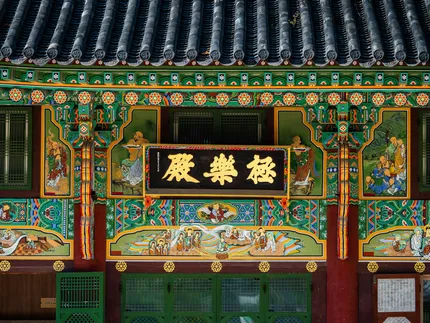
Visit Jogyesa Temple, the center of Korean Buddhism
Jogyesa Temple, located in central Seoul, is the headquarters of the Jogye Order of Korean Buddhism. Built in 1395 and rebuilt in 1910, the temple complex features a main hall adorned with colorful lanterns and intricate artwork. Surrounded by ancient pine and zelkova trees, it offers a tranquil escape from the city. Visitors can observe Buddhist rituals and ceremonies throughout the day, providing genuine insight into Korean spiritual life.
19:00
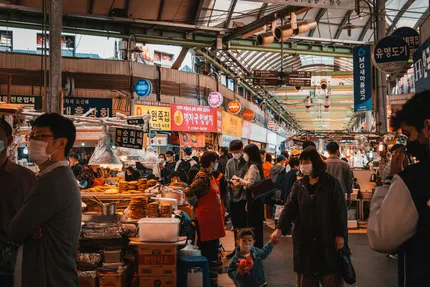
Dinner at Gwangjang Market – try bindaetteok and tteokbokki
Gwangjang Market is one of Seoul's oldest traditional markets and a street food paradise. The covered alleys are lined with stalls serving Korean classics. Bindaetteok are savory mung bean pancakes, crispy on the outside and hearty inside, best paired with makgeolli rice wine. Tteokbokki features chewy rice cakes in a spicy, slightly sweet sauce. The lively atmosphere makes it a memorable dining experience.
21:00
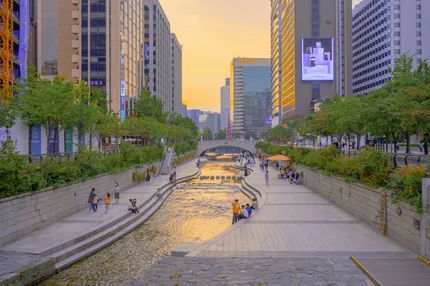
Evening walk along Cheonggyecheon Stream
Cheonggyecheon Stream is an 11-kilometer urban waterway restored in 2005 after decades as a covered highway. An evening walk along its pedestrian paths offers a calm contrast to Seoul's busy streets. Lanterns and city lights reflect on the water, creating a pleasant atmosphere. Access points are found throughout the city center, with the stream running from Gwanghwamun toward the eastern districts.
Day #2
Modern Seoul: Myeongdong, Namsan Tower, and Gangnam
08:00
Breakfast at a café in Myeongdong
Myeongdong is one of Seoul's busiest commercial districts, and its cafes offer a solid start to the day. Expect Korean breakfast staples alongside Western options like toast, eggs, and coffee. Many cafes open early to serve the morning crowd. The area is walkable and well connected by metro, making it a convenient base before exploring nearby attractions like Namsan or Gyeongbokgung Palace.
09:30
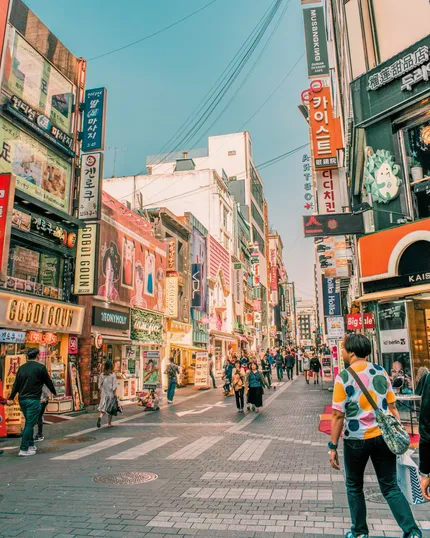
Shopping and skincare haul in Myeongdong street market
Myeongdong is Seoul's most popular shopping district, known for its dense concentration of skincare and cosmetics stores. Major Korean beauty brands like Innisfree, Etude House, and The Face Shop line the streets alongside international retailers. Street food vendors operate throughout the market, making it easy to snack while browsing. The area is busiest in the evenings when the outdoor stalls set up, offering beauty products, clothing, and accessories at negotiable prices.
11:30
Take the cable car up to N Seoul Tower on Namsan Mountain
Namsan Cable Car runs from Myeong-dong up to Namsan Mountain, where N Seoul Tower sits at 480 meters above sea level. The tower offers panoramic views across Seoul from its observation decks. The surrounding mountain park has walking trails and is popular year-round. Couples traditionally attach padlocks to fences near the tower as a romantic gesture. The tower also houses restaurants and a digital observatory.
12:30
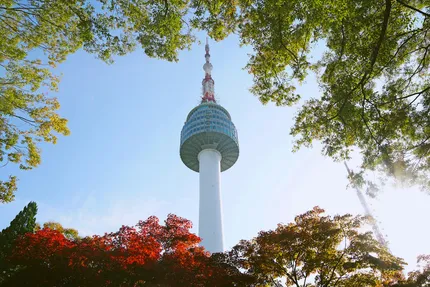
Lunch at N Seoul Tower restaurant with panoramic city views
N Seoul Tower sits atop Namsan Mountain and houses several restaurants offering sweeping 360-degree views of the city. The tower is accessible by cable car or hiking trail. Dining here provides a memorable midday break with panoramic views stretching across Seoul's sprawling urban landscape and surrounding mountains. Reservations are recommended, particularly for window seats, as the venue is popular with both tourists and locals.
14:00
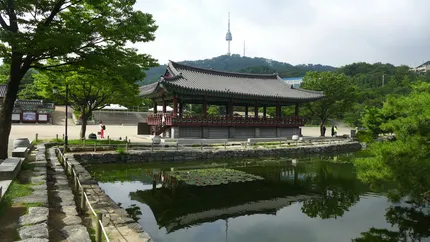
Visit Namsangol Hanok Village at the base of Namsan
Namsangol Hanok Village sits at the northern foot of Namsan Mountain and preserves five restored traditional Korean houses relocated from across Seoul. The village offers a glimpse into Joseon-era architecture and daily life, with period furnishings, a pavilion, and a traditional garden. Cultural performances and craft demonstrations take place regularly, making it a accessible introduction to Korean heritage in the heart of the city.
15:30
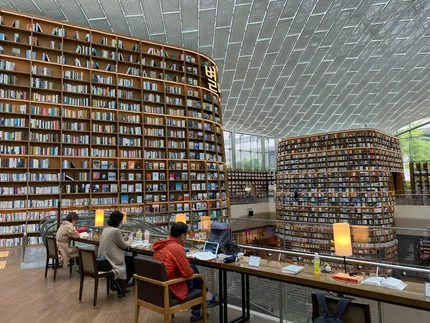
Head to Gangnam – explore COEX Mall and the Starfield Library
Gangnam is Seoul's upscale southern district, home to COEX Mall, one of Asia's largest underground shopping complexes. Inside, the Starfield Library is a striking public space featuring towering bookshelves filled with thousands of books, offering free access to visitors. Beyond shopping and reading, COEX hosts an aquarium, cinemas, and exhibition halls. The surrounding Gangnam district reflects Seoul's modern, affluent side with designer boutiques and restaurants.
17:30
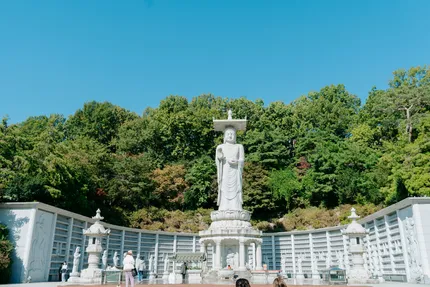
Visit Bongeunsa Temple, a serene Buddhist temple in Gangnam
Bongeunsa is a Buddhist temple founded in 794 CE, located in the heart of Gangnam, Seoul. It offers a striking contrast to the surrounding modern skyline. Visitors can explore traditional wooden halls, a large bronze Buddha statue, and peaceful gardens. The temple also runs templestay programs for those wishing to experience Buddhist practices and meditation. It is freely accessible throughout the day.
19:00
Dinner at a Korean BBQ restaurant in Gangnam
Gangnam is home to numerous Korean BBQ restaurants where you grill marinated meats like bulgogi and galbi directly at your table. The experience is social and interactive, with servers often assisting with grilling. Meals come with banchan, a spread of small side dishes including kimchi, pickled vegetables, and seasoned greens. Gangnam venues tend to be polished and well-staffed, offering a comfortable introduction to this iconic dining tradition.
21:00
Evening drinks and nightlife in Apgujeong Rodeo Street
Apgujeong Rodeo Street is one of Seoul's most upscale nightlife districts, lined with cocktail bars, wine lounges, and trendy clubs. The area draws a well-heeled crowd and is known for its stylish venues and celebrity sightings. Many bars offer outdoor seating, making it a pleasant spot for evening drinks. The street comes alive after dark, with options ranging from relaxed lounges to livelier late-night spots.
Day #3
Hongdae culture, Han River picnic, and farewell dinner
08:00
Breakfast at a trendy café in Yeonnam-dong
Yeonnam-dong is a charming neighborhood in Seoul known for its relaxed, artsy atmosphere and thriving café culture. The area is lined with independent coffee shops and brunch spots, many housed in converted residential buildings. Popular options include places serving specialty coffee alongside Korean-inspired brunch dishes or Western-style breakfast menus. The neighborhood is walkable and best explored on foot, making it an ideal morning starting point.
09:30
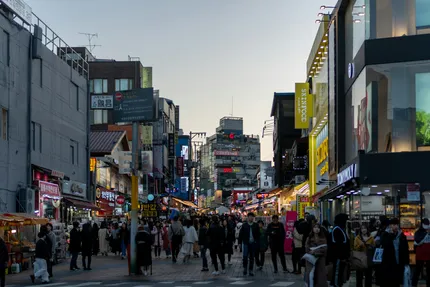
Explore Hongdae street art, indie shops, and murals
Hongdae is Seoul's creative hub, centered around Hongik University. The neighborhood is known for its vibrant street art, colorful murals, and independent boutiques selling handmade goods, vintage clothing, and local designer pieces. The area has a strong indie music and arts culture, with small galleries and live performance spaces scattered throughout. Weekends bring street performers and outdoor markets, making it a lively destination any time of day.
11:00
Visit the LINE Friends flagship store and pop culture shops in Hongdae
Hongdae is Seoul's hub for youth culture and creative energy. The LINE Friends flagship store here showcases beloved characters like Brown and Cony through interactive displays, merchandise, and photo opportunities. The surrounding streets are packed with pop culture shops selling K-pop merchandise, character goods, and quirky accessories. The neighborhood also hosts indie boutiques and street performances, making it a lively destination for fans of Korean pop culture.
12:30
Lunch at a local Korean noodle restaurant in Mapo-gu
Mapo-gu is a vibrant district in Seoul known for its food scene and local dining culture. The area has numerous traditional Korean noodle restaurants serving dishes like kalguksu (knife-cut noodles), naengmyeon (cold buckwheat noodles), and jjajangmyeon (black bean sauce noodles). These casual, affordable spots are popular with locals and offer an authentic taste of everyday Korean cuisine away from the more tourist-heavy neighborhoods.
14:00
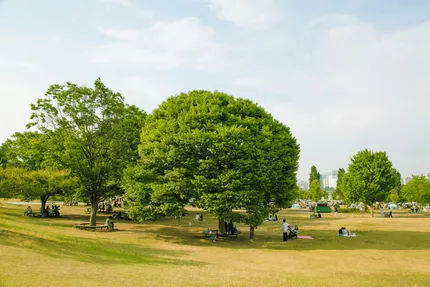
Rent a bike and enjoy a Han River picnic at Yeouido Hangang Park
Yeouido Hangang Park is one of Seoul's most popular riverside spots, stretching along the Han River. Visitors can rent bikes and cycle along well-maintained paths while taking in views of the water and city skyline. The park is a favorite picnic destination, with locals gathering on the grass with convenience store snacks and drinks. Cherry blossoms in spring make it especially scenic.
16:00
Visit the Yeouido Cherry Blossom road or park gardens
Yeouido Spring Flower Festival transforms Yeouido's riverside park into a stunning corridor of cherry blossoms each April. Thousands of cherry trees line the walking paths along Yunjunno Road and the Han River park, creating canopies of pink and white blooms. The festival draws large crowds and features food stalls and cultural performances. Visiting on weekdays or early morning helps avoid the heaviest congestion during peak bloom.
17:30
Head to Ihwa Mural Village in Naksan Park for sunset views
Ihwa Mural Village sits on the slopes of Naksan Park in central Seoul. The neighbourhood is known for its outdoor murals painted across alleyways and walls, created during a public art project in the mid-2000s. Visiting at sunset offers views across the city skyline. The area is walkable and compact, with small cafes and independent shops tucked between traditional low-rise homes.
19:30
Farewell dinner at a top Korean fine dining restaurant in Jongno
End your Seoul journey with a refined dining experience in Jongno, one of the city's oldest and most historic districts. Top fine dining restaurants here showcase modern Korean cuisine, using seasonal ingredients and traditional techniques elevated to an art form. Expect beautifully presented dishes, carefully curated tasting menus, and exceptional service that reflect the depth and sophistication of contemporary Korean culinary culture.
21:30
Last stroll through the lively streets of Dongdaemun Design Plaza (DDP)
The Dongdaemun Design Plaza is a landmark cultural complex designed by architect Zaha Hadid, featuring a striking futuristic exterior of curved steel and aluminum panels. The DDP hosts design exhibitions, fashion shows, and cultural events throughout the year. The surrounding area is a bustling district with shopping malls, street food stalls, and markets open late into the night, making it a vibrant spot to explore.
Search for hotels:
This content was created with AI assistance and may contain inaccuracies.