
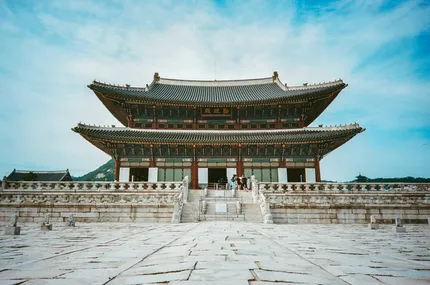
Gyeongbokgung Palace
The largest of Seoul's Five Grand Palaces, built in 1395 during the Joseon Dynasty. Visitors can explore grand throne halls, serene palace gardens, and the National Folk Museum on its grounds. The changing of the royal guard ceremony is a popular attraction. Wearing traditional hanbok grants free entry and makes for memorable photos against the historic backdrop.
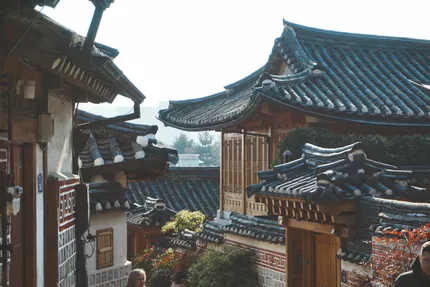
Bukchon Hanok Village
A well-preserved neighborhood of traditional Korean hanok houses dating back to the Joseon era, situated between Gyeongbokgung and Changdeokgung palaces. Narrow alleyways wind past wooden gates and tiled rooftops, offering a glimpse of old Seoul. Many homes function as guesthouses, tea houses, and craft workshops. Early morning visits are recommended to avoid crowds and enjoy the quiet atmosphere.
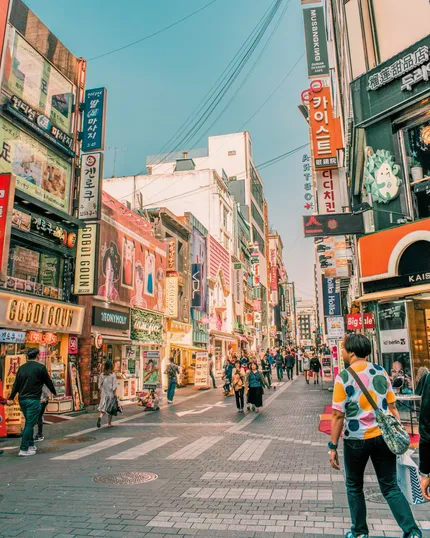
Myeongdong
Seoul's most iconic shopping and street food district, drawing millions of visitors each year. Packed with cosmetics shops, fashion boutiques, and international brands, it is the heartbeat of Korean consumer culture. The outdoor street food stalls serving tteokbokki, hotteok, and skewered snacks are a highlight. By night the area buzzes with neon lights, street performers, and constant activity.
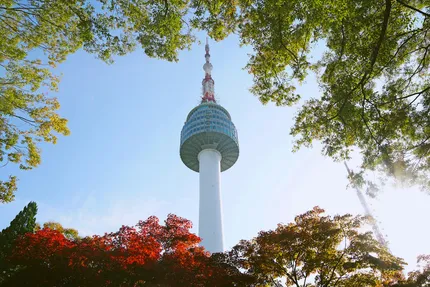
N Seoul Tower
Perched atop Namsan Mountain, this landmark tower offers sweeping panoramic views over the entire city. Accessible by cable car or hiking trail, it is popular day and night. The observation deck and revolving restaurant provide different perspectives of Seoul's vast urban landscape. Couples traditionally attach padlocks to fences near the tower as a symbol of lasting affection.
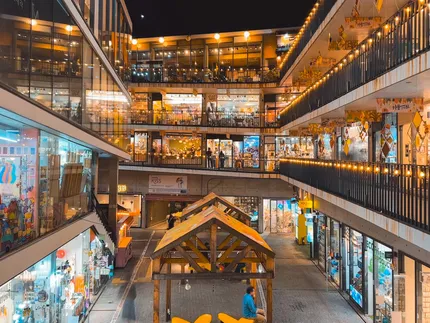
Insadong
A cultural district known for its art galleries, antique shops, traditional teahouses, and craft stores. It is one of the best places in Seoul to find Korean pottery, calligraphy, and folk art. The pedestrian street fills with vendors on weekends. Ssamziegil, a courtyard shopping complex within Insadong, blends contemporary design with artisan goods and independent food stalls.
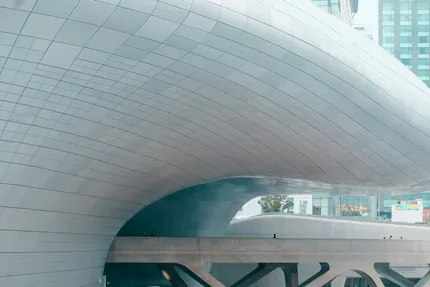
Dongdaemun Design Plaza
A futuristic landmark designed by architect Zaha Hadid, featuring a striking curved aluminum exterior. It functions as a cultural hub hosting design exhibitions, fashion shows, and creative events. The surrounding Dongdaemun market area is famous for its 24-hour wholesale and retail fashion trade. The nearby Cheonggyecheon Stream provides a pleasant green corridor ideal for a relaxed walk.
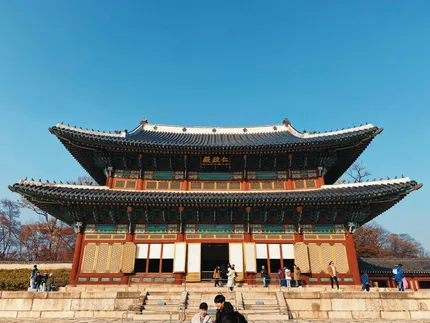
Changdeokgung Palace and Secret Garden
A UNESCO World Heritage Site and one of Seoul's most beautiful royal palaces. The rear garden, known as Huwon or the Secret Garden, covers roughly 78 acres of forested landscape with pavilions, lotus ponds, and ancient trees. Guided tours are required to enter the garden, and visitor numbers are limited, preserving its tranquil character throughout the year.
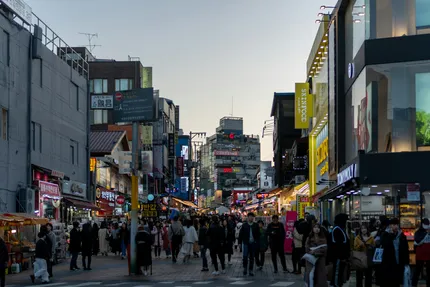
Hongdae
The neighborhood surrounding Hongik University is Seoul's creative and nightlife hub, especially popular with younger visitors. Street performers and indie musicians regularly entertain crowds along the main strips. The area is filled with independent cafes, vintage clothing stores, record shops, and live music venues. Weekends bring flea markets showcasing handmade goods, artwork, and upcycled fashion from local designers.
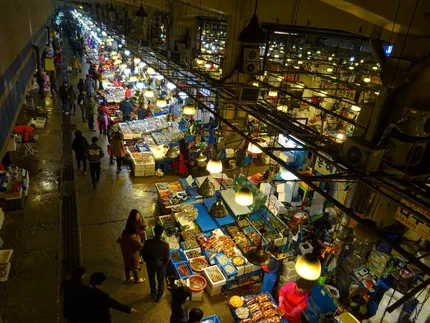
Noryangjin Fish Market
One of Seoul's largest and most active wholesale fish markets, open around the clock. Visitors can browse stalls packed with live seafood including crab, abalone, eel, and octopus. After selecting fresh catches directly from vendors, nearby restaurants will prepare the seafood to order for a small service fee. The market provides an authentic and lively window into Korean food culture.
This content was created with AI assistance and may contain inaccuracies.