
City break inSeoul
Seoul is one of Asia's most dynamic cities, blending a millennia-old history with cutting-edge modernity. South Korea's capital is home to over 10 million people and offers an extraordinary density of experiences within a relatively compact urban area. Ancient palaces like Gyeongbokgung sit in the shadow of glass skyscrapers, while traditional hanok villages in Bukchon share neighborhood space with trendy boutiques and world-class restaurants. The city's street food scene is legendary, from tteokbokki stalls in Gwangjang Market to the endless alleyways of Myeongdong. Seoul's subway system is exceptionally efficient, making virtually every corner of the city accessible.
The Han River bisects the metropolis, offering parks and cycling paths that locals use constantly. Districts like Hongdae, Itaewon, and Gangnam each have distinct personalities, ensuring that different interests are catered to throughout the city. Add to this a thriving beauty and fashion industry, a globally recognized music culture, and a remarkably safe urban environment, and Seoul becomes a destination that is genuinely difficult to leave.
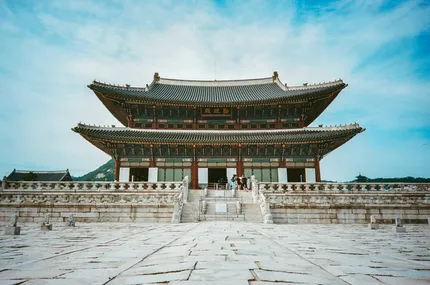
Gyeongbokgung Palace
The largest of Seoul's Five Grand Palaces, built in 1395 during the Joseon Dynasty. Visitors can explore grand throne halls, serene palace gardens, and the National Folk Museum on its grounds. The changing of the royal guard ceremony is a popular attraction. Wearing traditional hanbok grants free entry and makes for memorable photos against the historic backdrop.
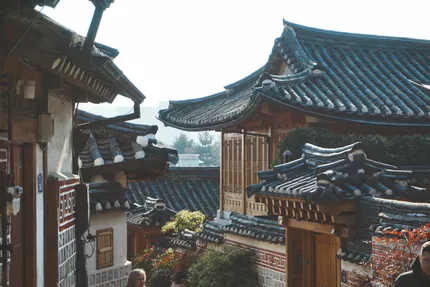
Bukchon Hanok Village
A well-preserved neighborhood of traditional Korean hanok houses dating back to the Joseon era, situated between Gyeongbokgung and Changdeokgung palaces. Narrow alleyways wind past wooden gates and tiled rooftops, offering a glimpse of old Seoul. Many homes function as guesthouses, tea houses, and craft workshops. Early morning visits are recommended to avoid crowds and enjoy the quiet atmosphere.
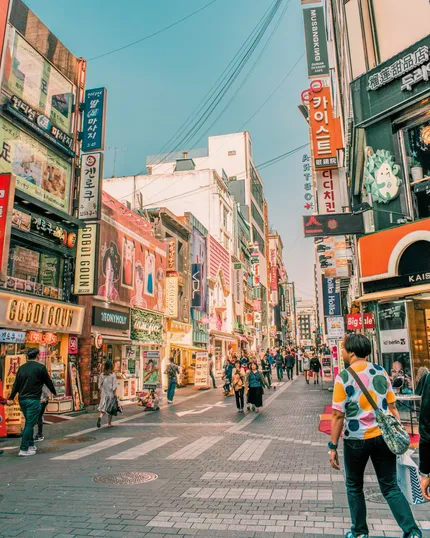
Myeongdong
Seoul's most iconic shopping and street food district, drawing millions of visitors each year. Packed with cosmetics shops, fashion boutiques, and international brands, it is the heartbeat of Korean consumer culture. The outdoor street food stalls serving tteokbokki, hotteok, and skewered snacks are a highlight. By night the area buzzes with neon lights, street performers, and constant activity.
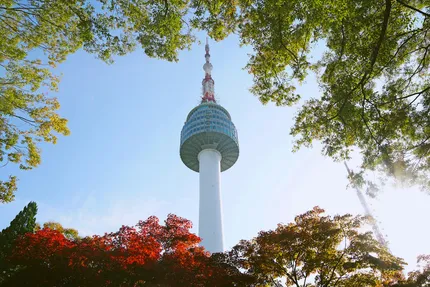
N Seoul Tower
Perched atop Namsan Mountain, this landmark tower offers sweeping panoramic views over the entire city. Accessible by cable car or hiking trail, it is popular day and night. The observation deck and revolving restaurant provide different perspectives of Seoul's vast urban landscape. Couples traditionally attach padlocks to fences near the tower as a symbol of lasting affection.
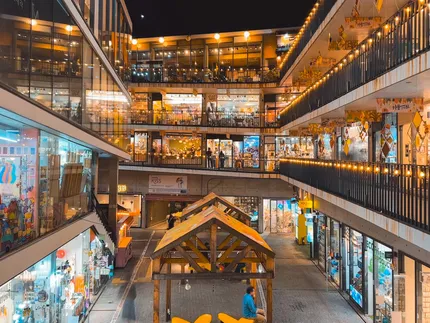
Insadong
A cultural district known for its art galleries, antique shops, traditional teahouses, and craft stores. It is one of the best places in Seoul to find Korean pottery, calligraphy, and folk art. The pedestrian street fills with vendors on weekends. Ssamziegil, a courtyard shopping complex within Insadong, blends contemporary design with artisan goods and independent food stalls.
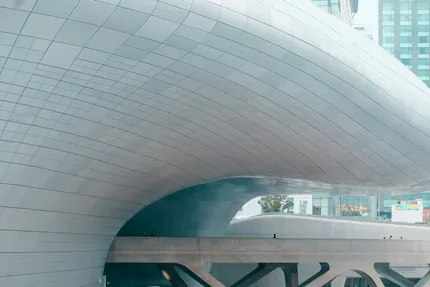
Dongdaemun Design Plaza
A futuristic landmark designed by architect Zaha Hadid, featuring a striking curved aluminum exterior. It functions as a cultural hub hosting design exhibitions, fashion shows, and creative events. The surrounding Dongdaemun market area is famous for its 24-hour wholesale and retail fashion trade. The nearby Cheonggyecheon Stream provides a pleasant green corridor ideal for a relaxed walk.
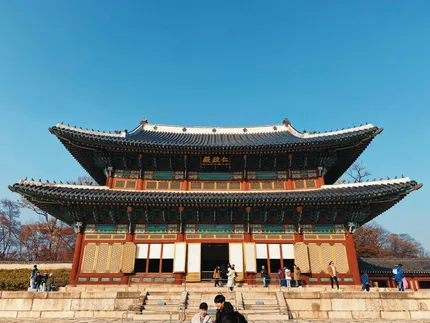
Changdeokgung Palace and Secret Garden
A UNESCO World Heritage Site and one of Seoul's most beautiful royal palaces. The rear garden, known as Huwon or the Secret Garden, covers roughly 78 acres of forested landscape with pavilions, lotus ponds, and ancient trees. Guided tours are required to enter the garden, and visitor numbers are limited, preserving its tranquil character throughout the year.
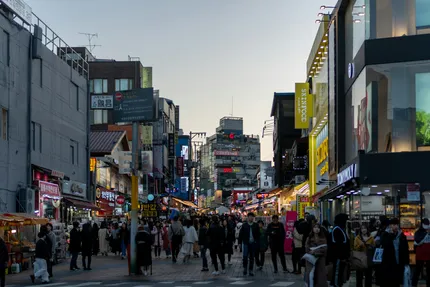
Hongdae
The neighborhood surrounding Hongik University is Seoul's creative and nightlife hub, especially popular with younger visitors. Street performers and indie musicians regularly entertain crowds along the main strips. The area is filled with independent cafes, vintage clothing stores, record shops, and live music venues. Weekends bring flea markets showcasing handmade goods, artwork, and upcycled fashion from local designers.
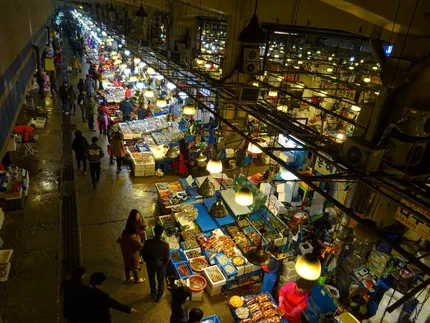
Noryangjin Fish Market
One of Seoul's largest and most active wholesale fish markets, open around the clock. Visitors can browse stalls packed with live seafood including crab, abalone, eel, and octopus. After selecting fresh catches directly from vendors, nearby restaurants will prepare the seafood to order for a small service fee. The market provides an authentic and lively window into Korean food culture.
Who should visit Seoul
Seoul is an outstanding destination for food enthusiasts. The city offers an unmatched range of Korean cuisine, from refined royal court dishes to deeply satisfying street food, and the neighborhoods of Mapo-gu, Insadong, and Dongdaemun are particularly rich hunting grounds. K-pop fans and followers of Korean pop culture will find Seoul an almost pilgrimage-worthy destination, with dedicated fan shops, entertainment company headquarters, and regular idol-related events concentrated especially in the Gangnam and Mapo districts. Fashion and beauty travelers will appreciate Seoul's role as a regional trend-setter, with areas like Myeongdong, Sinchon, and Apgujeong offering dense concentrations of cosmetics shops, skincare clinics, and independent clothing labels.
History and architecture enthusiasts will find meaningful depth in the Five Grand Palaces, the fortress walls of Bugaksan, and the carefully preserved streets of Bukchon. Hikers may be pleasantly surprised that Seoul is ringed by accessible mountain parks, including Bukhansan National Park, which sits directly within the city limits and offers serious trail options. Budget travelers also fare well here, as accommodation, transport, and food can all be managed at a low cost without sacrificing quality or experience.

Best time to visit Seoul
Spring, from late March to early May, is arguably the finest time to visit Seoul. Cherry blossoms transform parks and riverside paths into photogenic landscapes, and temperatures are mild and comfortable. Autumn, from September to November, offers similarly pleasant weather with colorful foliage across the city's many mountain trails and palace grounds. Summer brings heat and significant humidity alongside a monsoon season in July and August, which can disrupt outdoor plans. Winter is cold but clear, and the city takes on a festive atmosphere around the holiday season.
Three top reasons for a city trip to Seoul
- Gyeongbokgung Palace offers a stunning glimpse into Joseon Dynasty architecture. Visitors can watch the ceremonial changing of the royal guard daily and rent traditional hanbok to wear on site.
- Seoul's street food scene in markets like Gwangjang and Myeongdong is world class. Try bindaetteok, tteokbokki, and hotteok while exploring dense, vibrant alleyways packed with vendors and locals.
- The city blends ultramodern districts like Gangnam and Dongdaemun with ancient temples and palaces. Efficient subway access makes moving between neighborhoods fast, affordable, and remarkably easy for foreign visitors.
Seoul has one of the world's best public transportation systems. The metro network is extensive, clean, affordable, and easy to navigate with English signage throughout. It covers virtually every major district and attraction in the city. Buses complement the metro well, reaching areas the subway does not. The T-money card works across both systems and can be topped up at any convenience store or station. Taxis are plentiful and relatively inexpensive compared to Western cities. Kakao Taxi is a reliable app-based option. Walking is pleasant in many neighborhoods like Insadong, Hongdae, and Myeongdong, though the city's sheer size means you will rely heavily on transit. Cycling infrastructure is improving, with rental bikes available along the Han River paths. Driving is generally not recommended for visitors due to heavy traffic congestion and the complexity of navigating the city's roads.
This content was created with AI assistance and may contain inaccuracies.