
2 days in Seoul
South KoreaDay #1
Explore historic palaces, markets, and vibrant Insadong
08:00
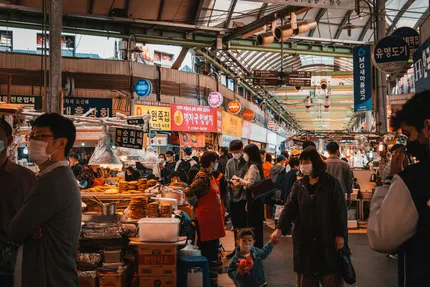
Breakfast at Gwangjang Market – try bindaetteok and gimbap
Gwangjang Market is one of Seoul's oldest traditional markets and a must-visit for food lovers. In the morning, the food stalls come alive with vendors serving bindaetteok, crispy mung bean pancakes fried on the spot, and freshly made gimbap, rice rolls filled with vegetables and egg. Eating here among locals offers an authentic glimpse into everyday Korean food culture without the tourist markup.
09:30
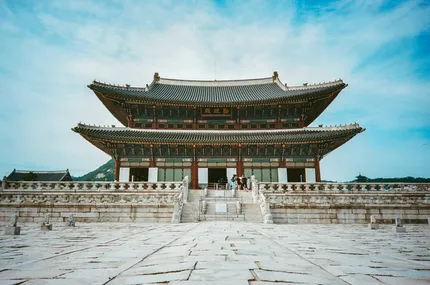
Visit Gyeongbokgung Palace and watch the Royal Guard Changing Ceremony
Gyeongbokgung Palace, built in 1395, was the main royal palace of the Joseon Dynasty. The Royal Guard Changing Ceremony, held at the main gate, recreates the elaborate ceremonial changing of palace guards with historically accurate costumes, music, and formations. Performances take place multiple times daily except Tuesdays. Visitors can also explore the vast palace grounds, including Gyeonghoeru Pavilion and the National Folk Museum located within the complex.
11:00
Explore the National Folk Museum of Korea inside the palace grounds
Located within the grounds of Gyeongbokgung Palace, the National Folk Museum of Korea documents the daily lives and traditions of the Korean people from ancient times to the modern era. Exhibits include traditional clothing, farming tools, household items, and cultural artifacts. Outdoor displays feature reconstructed folk village scenes. Admission is often included with the palace entry fee, making it a convenient and rewarding addition to any palace visit.
12:30
Lunch at a nearby traditional Korean restaurant – try bibimbap
Seoul offers countless traditional Korean restaurants serving bibimbap, a beloved rice dish topped with seasoned vegetables, gochujang paste, and often a fried egg or beef. Many restaurants in areas like Insadong or Jongno specialize in this classic meal. It is nutritious, flavorful, and affordable, giving visitors an authentic taste of everyday Korean cuisine. Dolsot bibimbap, served in a hot stone bowl, is a popular variation worth trying.
14:00
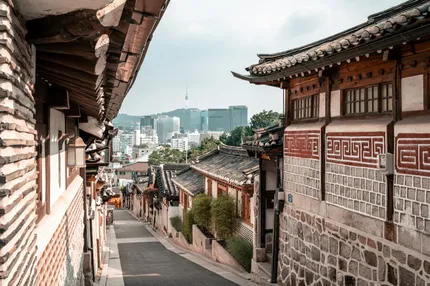
Stroll through Bukchon Hanok Village and admire traditional hanok houses
Bukchon Hanok Village is a historic neighborhood situated between Gyeongbokgung Palace and Changdeokgung Palace. It contains hundreds of traditional Korean hanok houses dating back to the Joseon Dynasty. Walking its narrow alleyways offers views of curved tiled rooftops and wooden architecture against a modern city backdrop. Many hanoks function as guesthouses, cultural centers, and tea houses, giving visitors an authentic glimpse into traditional Korean residential life.
15:30
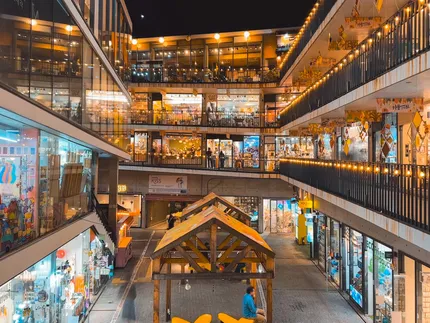
Walk and shop along Insadong Street for souvenirs and local crafts
Insadong is one of Seoul's most iconic cultural streets, lined with traditional tea houses, art galleries, craft shops, and souvenir vendors. It's an ideal place to browse handmade ceramics, hanji paper goods, calligraphy, and Korean folk art. The pedestrian-friendly street also features quirky side alleys like Ssamziegil, an open-air shopping courtyard. Weekend visits are particularly lively, as the road closes to traffic and street performers appear.
17:00
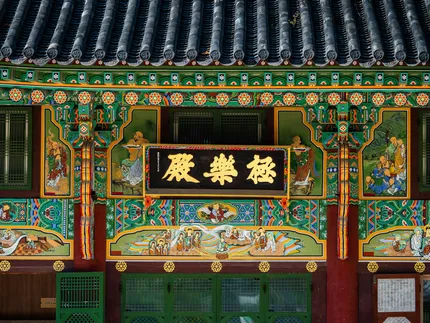
Visit Jogyesa Temple, the center of Korean Buddhism in Seoul
Jogyesa Temple is the head temple of the Jogye Order of Korean Buddhism, located in central Seoul. Founded in 1395, it serves as the administrative center of Korean Buddhism. The temple complex features the main hall, Daeungjeon, adorned with intricate decorations, alongside ancient trees and lanterns. It hosts major Buddhist festivals, including the colorful Lotus Lantern Festival celebrating Buddha's birthday.
18:30
Dinner in Insadong – try samgyeopsal (grilled pork belly)
Insadong is a cultural neighborhood known for its traditional restaurants and street food. Samgyeopsal, grilled pork belly, is a Korean staple cooked at the table on a charcoal or gas grill. Diners wrap the meat in lettuce leaves with garlic, sliced chilies, and fermented soybean paste. The meal is typically accompanied by an array of small side dishes called banchan and pairs well with soju or Korean beer.
20:00
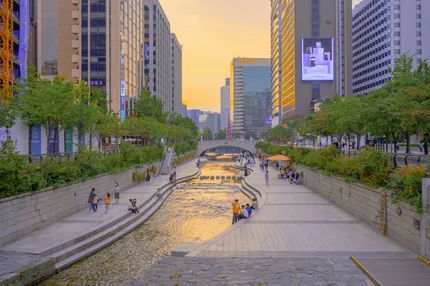
Evening stroll along Cheonggyecheon Stream
Cheonggyecheon Stream is an 11km urban waterway running through central Seoul, restored in 2005 after decades as a covered highway. In the evening, the stream is beautifully lit with lanterns and lights reflecting off the water. Walking paths line both sides, offering a peaceful escape from the busy city streets above. The area is especially atmospheric during the Lantern Festival held each autumn.
21:30
Explore Dongdaemun Design Plaza (DDP) lit up at night
The Dongdaemun Design Plaza is a landmark architectural complex designed by Zaha Hadid, featuring sweeping curved steel and aluminum surfaces. At night, the building transforms into a striking spectacle with LED lighting illuminating its futuristic facade. The surrounding plaza hosts rotating design exhibitions, pop-up markets, and cultural events. It sits near the historic Dongdaemun Gate, offering an interesting contrast between Seoul's past and contemporary urban identity.
Day #2
Discover Myeongdong, Namsan Tower, and trendy Hongdae
08:00
Breakfast at a local café in Myeongdong – try egg toast street food
Myeongdong is one of Seoul's busiest commercial districts and a great place to start the day with local street food. Egg toast is a popular Korean breakfast staple, made with fluffy scrambled eggs, vegetables, and sometimes ham, all layered between soft toasted bread. Street vendors set up early, making it a convenient and affordable option before exploring the neighborhood's shops and attractions.
09:30
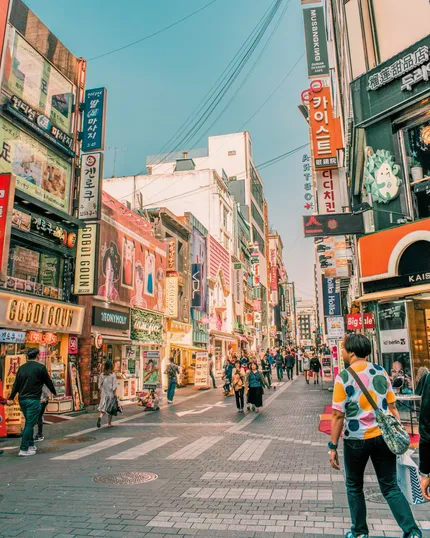
Shopping and skincare store hopping in Myeongdong
Myeongdong is Seoul's premier shopping district, packed with cosmetics stores, street food stalls, and fashion boutiques. It is especially famous for Korean skincare and beauty brands like Innisfree, Etude House, and The Face Shop, many of which have flagship stores here. Street vendors line the main pedestrian strip selling snacks alongside the shops. The area is busy most evenings and is easily accessible by subway.
11:00
Take the cable car up to N Seoul Tower on Namsan Mountain
Namsan Cable Car carries passengers up Namsan Mountain to N Seoul Tower, one of Seoul's most recognizable landmarks. The tower stands 236 meters tall and offers panoramic views across the city. The cable car ride itself takes just a few minutes and departs from Myeong-dong. The observation deck and surrounding area are popular day and night, with couples traditionally attaching padlocks to railings near the tower.
12:00
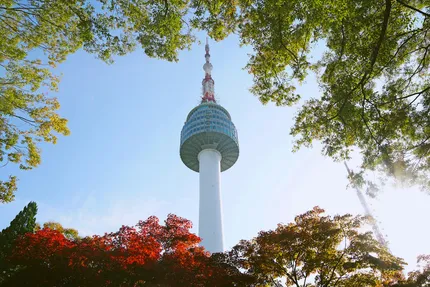
Enjoy panoramic views of Seoul from N Seoul Tower observation deck
N Seoul Tower sits atop Namsan Mountain and offers sweeping 360-degree views across Seoul. Visitors can reach it by cable car or on foot via hiking trails. The observation deck sits at roughly 480 meters above sea level. Inside, floors feature restaurants, a digital observatory, and interactive exhibits. The tower is also popular for its love lock fence, where couples attach padlocks as a romantic tradition.
13:00
Lunch at Namsan area restaurant – try Korean fried chicken
The Namsan area offers a great setting for a casual lunch, with various restaurants serving Korean fried chicken, a beloved local staple. Korean fried chicken is double-fried for an exceptionally crispy coating and comes in flavors ranging from soy garlic to spicy yangnyeom sauce. It pairs perfectly with cold beer or Korean rice wine, making it a satisfying midday meal near the iconic tower.
14:30
Visit Itaewon for multicultural shops and unique boutiques
Itaewon is Seoul's most international neighborhood, known for its diverse mix of cultures, cuisines, and shops. The area is packed with unique boutiques, vintage clothing stores, antique dealers, and specialty retailers catering to both expats and locals. Lined with restaurants serving global cuisine, it offers a distinct atmosphere unlike other Seoul districts. Browsing its streets reveals independent designers and one-of-a-kind finds rarely seen elsewhere in the city.
16:00
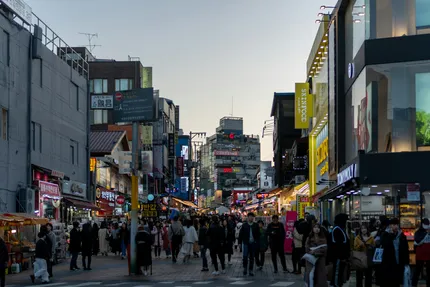
Head to Hongdae and explore its street art and indie culture
Hongdae is a vibrant neighborhood surrounding Hongik University, known for its thriving indie music scene, street performances, and colorful murals. The area is packed with independent boutiques, vintage shops, clubs, and galleries. Street artists and musicians regularly perform in the outdoor spaces, making it one of Seoul's most creative and youthful districts. It is best explored on foot during the afternoon and into the evening.
17:30
Watch live street performances in Hongdae park area
Hongdae's park area in Seoul is a hub for live street performances, particularly on weekends. Young artists, musicians, and dancers gather here to showcase their talents, ranging from K-pop cover dances to indie music and busking acts. The area attracts large crowds and has a vibrant, youthful energy. Most performances happen in the late afternoon and evening near the main park and surrounding streets.
19:00
Dinner in Hongdae – try Korean BBQ or hotpot
Hongdae is a lively university district known for its vibrant food scene. The area is packed with Korean BBQ restaurants where you grill marinated meats at your table, and hotpot spots offering bubbling broths filled with vegetables, meat, and noodles. The neighborhood's energetic atmosphere, affordable prices, and wide variety of options make it an ideal place to experience casual Korean dining culture.
20:30
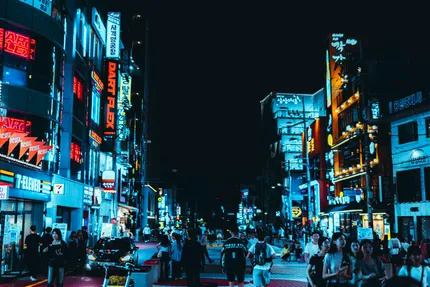
Experience Hongdae nightlife – visit bars and live music venues
Hongdae is Seoul's most energetic nightlife district, centered around Hongik University. The area is packed with indie music clubs, craft beer bars, and live performance venues operating late into the night. Street performers frequently entertain crowds along the main strip. Popular spots include FF, Freebird, and Club Ta. The neighborhood attracts a young, creative crowd and offers a more alternative atmosphere compared to Gangnam or Itaewon.
22:00
Late night dessert – try bingsu (shaved ice) or Korean waffles
Seoul's dessert scene thrives late into the night, with cafes in neighborhoods like Hongdae, Insadong, and Gangnam staying open past midnight. Bingsu, a finely shaved milk ice dessert topped with red bean, fruit, or matcha, is a Korean classic. Korean waffles, often served with cream and syrup, are popular street and cafe snacks. Both are affordable, widely available, and perfect for ending an evening out.
Search for hotels:
This content was created with AI assistance and may contain inaccuracies.