Activities and Sights
See all (55)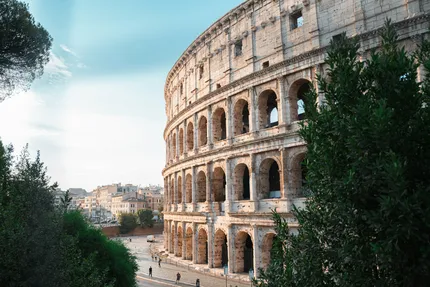
Colosseum
Rome's Colosseum is a 1st-century AD amphitheater begun by Vespasian and opened under Titus. It hosted gladiatorial contests and spectacles for tens of thousands. Built of travertine and concrete, it anchors a UNESCO-listed historic core. Visits typically use timed-entry tickets, often combined with the Roman Forum and Palatine Hill; guided underground/arena access is available.
Vatican Museums
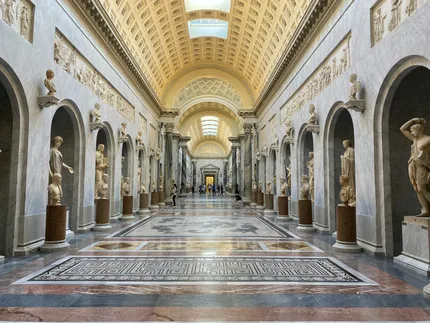
The Vatican Museums in Vatican City, Rome, house extensive papal art collections, from Egyptian and Classical antiquities to Renaissance works. Highlights include the Raphael Rooms and Michelangelo’s Sistine Chapel ceiling. Expect crowds; reserve timed-entry tickets. Dress modestly (shoulders/knees covered). Closed most Sundays; the last Sunday of the month is free but very busy.
St. Peter's Basilica
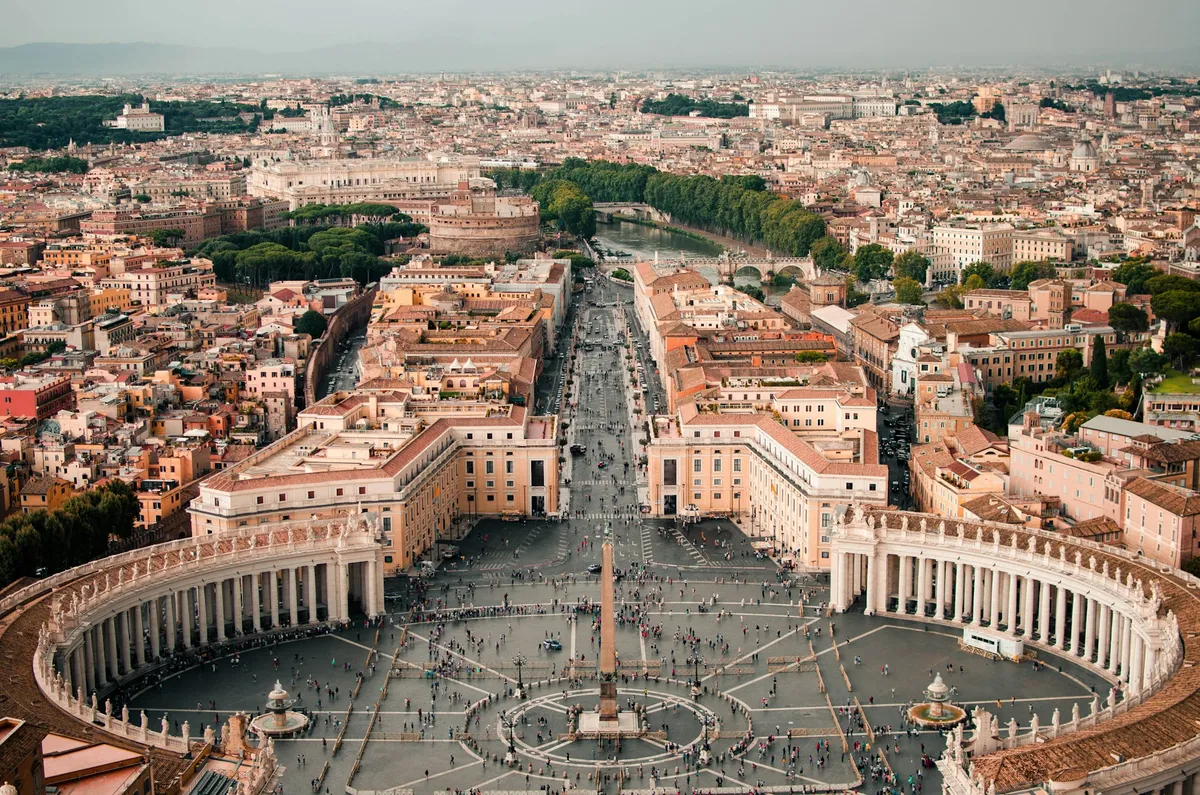
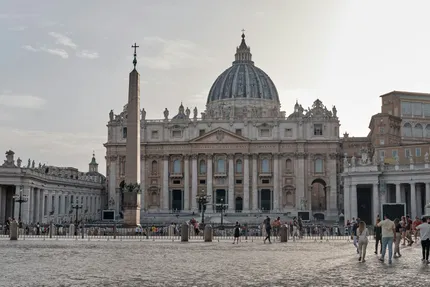
St. Peter's Basilica, in Vatican City, is Rome’s foremost church. See Michelangelo’s Pietà, Bernini’s Baldachin, and the vast nave beneath Michelangelo’s dome. Climb the dome (ticketed) for sweeping city views. Entry is free but security lines can be long; modest dress is required. Papal grottoes and St. Peter’s tomb are accessible.
Neighborhoods
See all (4)Prati
Prati is Rome's refined residential quarter, boasting elegant boulevards, excellent local delis and the iconic Castel Sant'Angelo. A perfect base for exploring the city away from the tourist crowds.
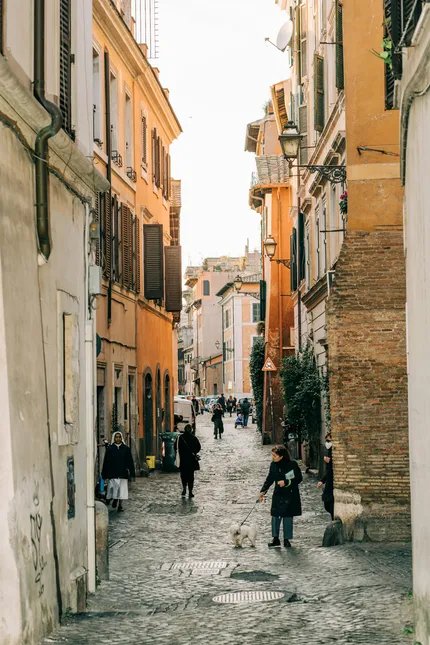
Trastevere
Trastevere enchants with cobblestone lanes, medieval buildings and lively piazzas. This beloved neighborhood captures the true soul of Rome and is perfect for leisurely wandering at any hour.

Pigneto
Pigneto is Rome's bohemian heart, buzzing with street art, creative bars and a vibrant local scene. This alternative neighborhood offers a refreshingly authentic side of the city.
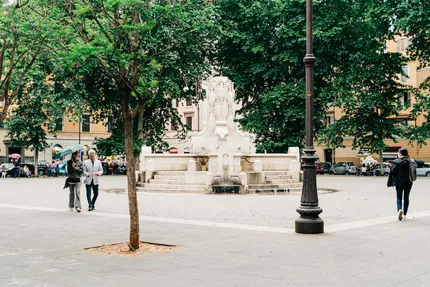
Testaccio
Testaccio blends ancient history with vibrant everyday Roman life. From its famous food market to the mysterious Monte Testaccio, this neighborhood is a genuine feast for the senses.
Daytrips
See all (4)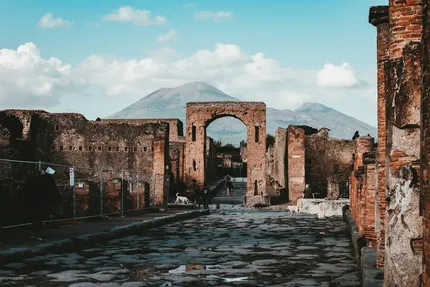
Pompeii and Naples
Step back in time at the perfectly preserved ruins of Pompeii and combine it with the vibrant energy of Naples, all reachable from Rome in under two hours by high-speed train.
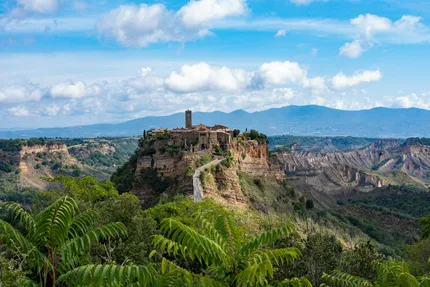
Civita di Bagnoregio
Perched on an eroding volcanic plateau and connected to the world by a single footbridge, the tiny medieval village of Civita di Bagnoregio is one of Italy's most extraordinary and unforgettable hidden gems.
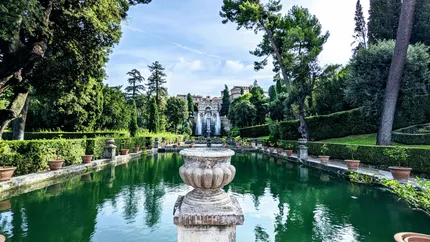
Tivoli
Just 30 kilometers from Rome, Tivoli offers two UNESCO World Heritage Sites including the stunning Villa d'Este gardens and the ancient ruins of Hadrian's Villa, making it an unmissable day trip.
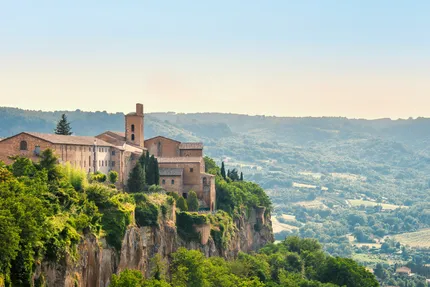
Orvieto
Rising dramatically above the Umbrian countryside on a volcanic plateau, Orvieto captivates with its stunning Gothic cathedral, medieval streets, and famous white wine, all just over an hour from Rome by train.
This content was created with AI assistance and may contain inaccuracies.