
City break inRiga
Riga, Latvia’s capital, is a compact Baltic city where medieval streets meet bold 20th‑century design. The Old Town (Vecrīga) is easy to explore on foot, with cobbled lanes, guild halls, and landmark churches clustered around lively squares. Just beyond, Riga is one of Europe’s strongest Art Nouveau destinations: Alberta iela and nearby blocks showcase ornate façades, sculpted masks, and elegant stairwells that reward slow wandering. The city’s food scene is anchored by the Central Market, set in vast former zeppelin hangars, where locals shop for smoked fish, rye bread, pickles, and seasonal berries.
Along the Daugava River, promenades and viewpoints give a sense of Riga’s trading past and modern skyline. Museums and concert venues add depth without requiring long transfers, and cafés, craft beer bars, and contemporary Latvian restaurants make evenings feel varied. Riga works well as a standalone weekend break or as a base for short day trips.
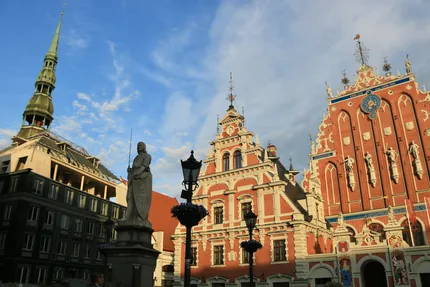
Old Town Riga
Old Town Riga (Vecrīga) is the city’s historic center and a UNESCO World Heritage Site, known for medieval street patterns, Gothic churches, and Art Nouveau-era landmarks nearby. Key sights include Riga Cathedral, St. Peter’s Church, the House of the Black Heads, and the Swedish Gate. It’s walkable, with museums, cafés, and riverfront views.
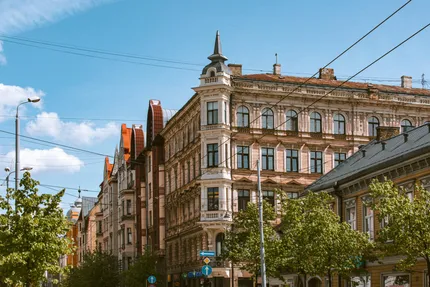
Art Nouveau District
Riga’s Art Nouveau district is concentrated around Alberta iela and nearby streets in the city center, where many early 20th‑century buildings feature ornate façades, sculpted figures, and decorative motifs. You can explore on foot and compare different architects’ styles. The Riga Art Nouveau Museum, set in a period apartment, provides context on the era’s design and daily life.
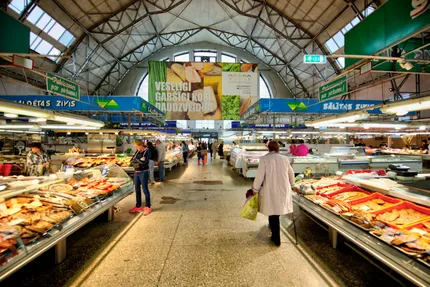
Riga Central Market
Riga Central Market is one of Europe’s largest markets, housed in former Zeppelin hangars near the Daugava River. It’s known for extensive food halls selling Latvian produce, smoked fish, meats, cheeses, bread, and seasonal berries and mushrooms. Visit in the morning for the widest selection, and bring cash for smaller vendors.
St. Peter's Church
St. Peter’s Church (Svētā Pētera baznīca) is a landmark Gothic church in Riga’s Old Town, first mentioned in the 13th century and rebuilt after major fires and wartime damage. Visitors can enter the church interior and take an elevator to the tower viewing platform for panoramic views over the Daugava River and the historic center.
Latvian National Opera
The Latvian National Opera in Riga is the country’s main opera and ballet venue, located near the city center by the canal. It stages classical and contemporary productions and hosts international artists. The building dates to the 19th century and is known for its elegant interior. Tickets can be booked online; guided tours are sometimes available.
Riga Castle
Riga Castle (Rīgas pils) is a major landmark on the Daugava River and the official residence of Latvia’s president. Originally built in 1330 for the Livonian Order, it has been rebuilt and expanded over centuries. Parts of the complex house museums, including the National History Museum of Latvia (temporarily relocated at times).
Bastejkalna Park
Bastejkalna Park (Bastejkalns) is a landscaped park in central Riga along the City Canal, between the Old Town and the Art Nouveau district. It features walking paths, bridges, flowerbeds, and a canal-side setting popular for short strolls. The park sits near major sights such as the Freedom Monument and the Latvian National Opera.
Latvian Ethnographic Open-Air Museum
The Latvian Ethnographic Open-Air Museum, on the shore of Lake Jugla about 30 minutes from central Riga, is one of Europe’s oldest open-air museums. It displays relocated historic farmsteads, windmills, and workshops from Latvia’s regions, with costumed interpreters and craft demonstrations on some days. Seasonal fairs and traditional food are common highlights.
House of the Blackheads
The House of the Blackheads is a landmark on Riga’s Town Hall Square, originally built in the 14th century for the Brotherhood of Blackheads, a guild of unmarried merchants. The ornate façade is a popular photo spot. Inside, exhibitions and reconstructed halls present Riga’s merchant history and ceremonial spaces. The building was rebuilt after WWII destruction.
Who should visit Riga
Riga is a strong fit for travelers who want a walkable, architecture-led city break with clear highlights packed into a few days. Art Nouveau enthusiasts and design-focused visitors will find concentrated streetscapes, guided façade walks, and interiors that make the city feel distinctive even compared with other European capitals. History-minded travelers who prefer a manageable scale will appreciate how the medieval Old Town, riverfront, and 19th‑century boulevards connect without complicated logistics, plus museums that cover Latvia’s 20th‑century story in a focused way.
Food-first weekenders are well served by the Central Market, Latvian comfort dishes, and a growing scene of modern Baltic restaurants and cocktail bars, all within short taxi or tram rides. Riga also suits budget-conscious city trippers: accommodation and dining can be good value while still offering high quality.
It’s less ideal if you need constant big-ticket attractions or theme-park style entertainment; the appeal is in streets, buildings, markets, and a relaxed pace. For a short vacation, plan on two to four days, prioritize Old Town plus the Art Nouveau district, and leave time for unhurried café stops.

Best time to visit Riga
The best time to visit Riga is late spring through early autumn, roughly May to September, when days are long and walking between neighborhoods is comfortable. June and July bring the warmest weather and the most outdoor dining, festivals, and riverfront activity, but also the highest prices and busiest Old Town streets. May and September are often ideal for a city trip: you still get mild temperatures and good light for architecture, with fewer crowds. Winter can be appealing for travelers who enjoy a quieter atmosphere, seasonal markets, and cozy cafés, though daylight is limited and temperatures can be well below freezing.
Three top reasons for a city trip to Riga
- Riga’s UNESCO-listed Old Town packs medieval lanes, St. Peter’s Church tower views, the House of the Blackheads, and lively squares like Dome Square, all walkable along the Daugava.
- Riga is one of Europe’s Art Nouveau capitals: explore Alberta iela’s ornate façades, the Art Nouveau Museum at 12 Alberta iela, and the Central District’s Jugendstil stairwells.
- Riga’s food and market scene shines at Riga Central Market in former Zeppelin hangars: Latvian rye bread, smoked fish, pickles, and craft beer, plus nearby Āgenskalns Market.
Riga is a relatively walkable city, especially in its compact and beautiful Old Town, where many attractions, shops, and restaurants are located. For those preferring cycling, Riga has been improving its cycling infrastructure with dedicated lanes, especially during warmer months. The public transportation system in Riga is efficient and affordable. It includes buses, trams, and trolleybuses that reach most parts of the city, with frequent services running daily. Tickets can be purchased via smartphone apps or at kiosks, providing a convenient way to explore the city without the need for a car. While driving is possible, it is not typically necessary within the city center due to limited parking spaces and occasional traffic congestion. Overall, relying on public transport or walking is advisable for a comfortable experience in Riga.
This content was created with AI assistance and may contain inaccuracies.