
3 days in Riga
LatviaDay #1
Old Town highlights and riverside evening
08:30
Breakfast at a cozy Old Town café (Vecrīga)
Start your day in Riga’s Old Town (Vecrīga) at a small café set among medieval streets and Art Nouveau details. Many spots serve Latvian-style breakfasts alongside familiar options, with good coffee and pastries. It’s a convenient base before visiting nearby landmarks like Dome Cathedral, Town Hall Square, and the Daugava riverfront.
09:30
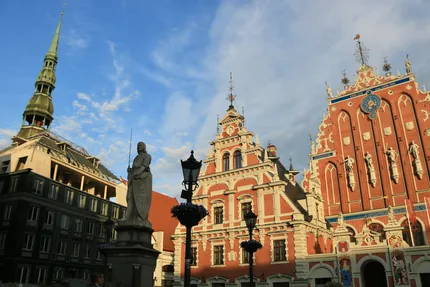
Walk Riga Old Town: Town Hall Square and House of the Black Heads
Riga’s Old Town centers on Town Hall Square (Rātslaukums), a key historic meeting place near the Daugava River. The main landmark is the House of the Black Heads, a richly decorated guild building originally used by the Brotherhood of Black Heads, a merchants’ association. Today it’s a popular photo stop and often hosts exhibitions and events.
10:30
Visit St. Peter’s Church and go up the tower for views
St. Peter’s Church (Svētā Pētera baznīca) is a major Gothic landmark in Riga’s Old Town, known for its tall spire and historic interior. Visitors can take an elevator to the tower viewing platform for panoramic views over the Daugava River, the medieval rooftops, and the city center. Check opening hours, as they vary by season and services.
11:45
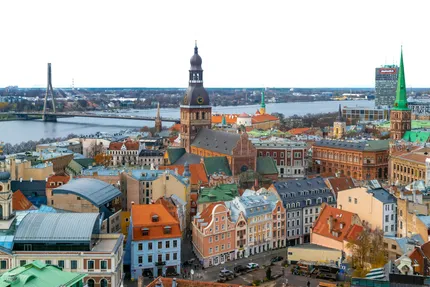
See Riga Cathedral and stroll Cathedral Square
Riga Cathedral (Rīgas Doms) is a major medieval landmark in the Old Town, known for its mix of Romanesque, Gothic, and Baroque elements and its large pipe organ, often used for concerts. Cathedral Square (Doma laukums) is the open plaza beside it, lined with cafés and historic buildings, and hosts seasonal markets and events.
13:00
Lunch: Latvian comfort food near Dome Square
Near Dome Square (Doma laukums) in Riga’s Old Town, you can find restaurants serving Latvian comfort food such as grey peas with bacon, potato pancakes, pork dishes, and rye bread-based starters. Many places offer set lunch menus on weekdays. It’s a convenient stop between visiting Riga Cathedral and nearby museums and streets.
14:15
Explore the Swedish Gate, Three Brothers, and Old Town lanes
In Riga’s Old Town (Vecrīga), walk past the Swedish Gate, a preserved 17th-century city gate built into a row of houses. Nearby, see the Three Brothers—three adjoining medieval dwellings that illustrate changing architectural styles over centuries and house the Latvian Museum of Architecture. Explore the narrow cobbled lanes and small squares around them.
15:30
Coffee break and pastries at a local bakery
16:15
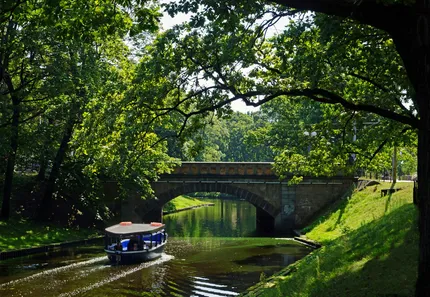
Walk the Freedom Monument and Bastion Hill park area
Riga’s Freedom Monument stands near the edge of the Old Town and is a key national memorial. A short walk away, Bastion Hill (Bastejkalns) is a landscaped park with canals, bridges, and paths linking to the City Canal and nearby parks. The area is easy to explore on foot and connects to central sights and museums.
17:30
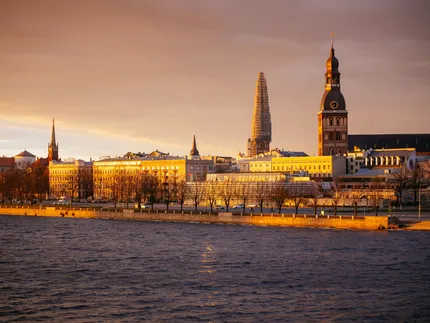
Stroll along the Daugava river promenade at sunset
Riga’s Daugava river promenade offers wide views of the Old Town skyline and key landmarks such as the spires of Vecrīga and the National Library across the water. At sunset, the light reflects off the river and bridges, making it a popular time for a relaxed walk. Access points are near the Old Town and Stone Bridge.
19:00
Dinner in Old Town (try grey peas, rye bread, local fish)
Riga’s Old Town has many restaurants serving Latvian dishes. Grey peas (pelēkie zirņi), often cooked with bacon and onions, are a traditional staple. Rye bread (rupjmaize) is commonly served with meals and can be found in many forms. For local fish, look for Baltic herring or smoked fish dishes, depending on season and availability.
21:00
Evening drinks: Riga Black Balsam cocktail bar
Day #2
Art Nouveau, markets, and modern Riga
08:30
Breakfast near Centrs (coffee + Latvian pastries)
09:30
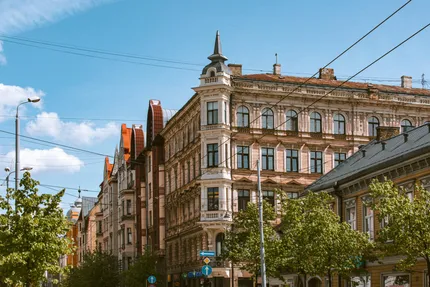
Art Nouveau walking route on Alberta iela and Elizabetes iela
Riga’s Art Nouveau architecture is concentrated in the city centre, with Alberta iela and nearby Elizabetes iela among the best streets for a self-guided walk. You’ll see richly decorated façades, sculpted masks, floral motifs, and distinctive doorways from the early 1900s. Many buildings are residential; view details from the street and note varied styles.
10:45
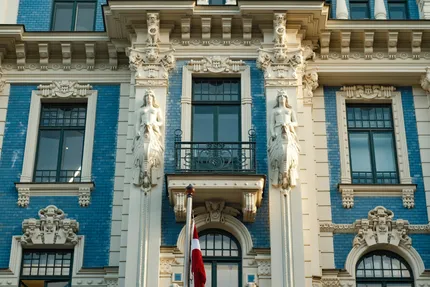
Visit the Riga Art Nouveau Museum
The Riga Art Nouveau Museum is housed in a 1903 building designed by architect Konstantīns Pēkšēns, with an interior by Eižens Laube. It focuses on Riga’s Art Nouveau heritage and includes a reconstructed early-20th-century apartment, period furnishings, and decorative details. Exhibits explain the style’s features and its role in the city’s architecture.
12:00
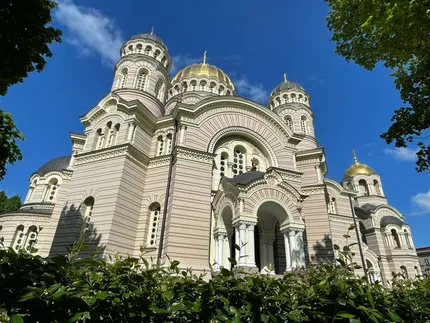
Walk through Esplanāde Park and see the Nativity of Christ Cathedral
Esplanāde Park is a central green space in Riga, offering lawns, paths, and seasonal flowerbeds near several major cultural buildings. A short walk away is the Nativity of Christ Cathedral, the largest Orthodox church in Latvia, known for its golden domes and 19th-century architecture. Visitors can view the exterior and, when open, step inside.
13:00
Lunch at Riga Central Market (local stalls and food hall)
Riga Central Market is a major food market set in former Zeppelin hangars near the Old Town. For lunch, you can browse local stalls selling smoked fish, meats, cheeses, pickles, bread, and seasonal produce, then eat at on-site cafés and food hall counters. It’s a practical place to sample Latvian flavors and everyday local shopping.
14:30
Explore the Central Market pavilions and nearby Spīķeri quarter
Riga Central Market is a major food market set in five large pavilions, known for produce, meat, fish, dairy, and baked goods. It’s a practical place to sample local snacks and see everyday shopping. Nearby, the Spīķeri quarter is a renovated warehouse area by the Daugava with cafés, small shops, and cultural venues.
16:00
Visit the Latvian National Museum of Art
The Latvian National Museum of Art in Riga is the country’s main fine arts museum, presenting Latvian art from the 18th century to the present alongside selected international works. The historic building on Krišjāņa Valdemāra iela was renovated and reopened in 2016. Expect permanent galleries, temporary exhibitions, and a rooftop terrace with city views.
17:30
Relax in Vērmanes Garden with a snack or ice cream
Vērmanes Garden (Vērmanes dārzs) is a central Riga park near the Old Town, known for shaded paths, flowerbeds, fountains, and benches. It’s an easy place to take a break and enjoy a snack or ice cream from nearby kiosks and cafés. In warmer months, the park often hosts small events at its pavilion.
19:00
Dinner in the modern center (seasonal Baltic cuisine)
Riga’s modern center (Centrs) has many restaurants serving seasonal Baltic cuisine, often using local fish, game, forest mushrooms, berries, and rye-based breads. Menus change with the harvest and may feature contemporary Nordic-Baltic techniques. Popular dining areas include Alberta iela and nearby streets, with options from casual bistros to tasting menus. Reservations are recommended on weekends.
21:00
Optional: Latvian National Opera performance or live jazz bar
In Riga, the Latvian National Opera offers opera and ballet performances in a historic venue near the Old Town; schedules and tickets vary by season and production. For live jazz, several bars and clubs host regular sets by local and visiting musicians, typically in the evenings. Check current listings and book ahead for popular nights.
Day #3
Day trip to Jurmala and farewell Riga
08:00
Early breakfast and coffee
09:00
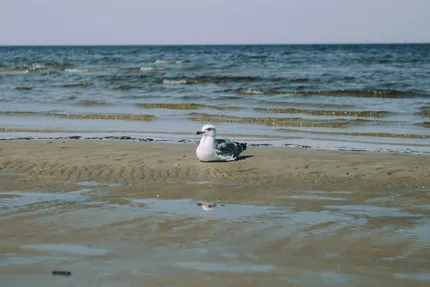
Train to Jūrmala (Majori/Dzintari) for a seaside day trip
From Riga, take an electric train from Riga Central Station to Jūrmala for a seaside day trip. Majori and Dzintari stations are among the most convenient stops for the beach and Jomas iela, the main pedestrian street with cafés and shops. The ride typically takes about 30–40 minutes. Buy tickets at the station or onboard.
10:00
Walk Jomas iela and browse local shops and cafés
Jomas iela is a pedestrian-friendly main street in Jūrmala, a seaside resort city near Riga. Lined with small shops, souvenir stands, and cafés, it’s a convenient place to browse local products, stop for coffee or ice cream, and people-watch. The street is close to the Dzintari and Majori train stations and the beach.
11:00
Beach time: Baltic Sea stroll and relaxation
For beach time near Riga, head to the Baltic Sea coast at Jūrmala, the closest and most popular seaside area. It’s known for a long sandy beach, shallow water, and easy strolls along the shoreline and wooden boardwalks. Access is straightforward by train from Riga to stations like Majori or Dzintari.
12:30
Lunch in Jūrmala (seafood or Latvian classics)
14:00
Visit Dzintari Forest Park lookout tower and trails
Dzintari Forest Park is in Jūrmala, not Riga. From Riga, it’s an easy day trip by train to Dzintari station. The park offers paved walking and cycling paths through pine forest, playgrounds, and a free lookout tower with panoramic views over the treetops and nearby coastline. Trails are generally flat and family-friendly.
15:30
Coffee break and dessert in Jūrmala
16:30
Return to Riga by train
18:00
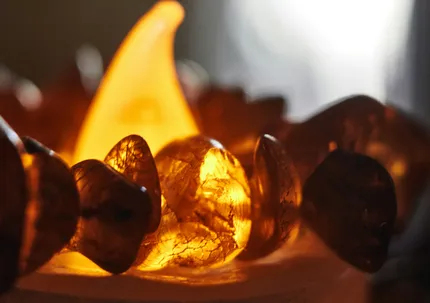
Souvenir stop: local design shops and amber stores in the center
Riga’s center has many souvenir options, from Latvian design boutiques to amber jewelry shops. Look for locally made textiles, ceramics, and contemporary accessories in small concept stores, and compare amber pieces for clarity, setting quality, and pricing. Many shops are clustered around the Old Town and nearby central streets, making it easy to browse on foot.
19:30
Farewell dinner in Riga (book a well-rated Latvian restaurant)
21:30
Evening walk: Old Town night views and final photos
Riga’s Old Town (Vecrīga) is compact and well suited to an evening walk, when streets and landmarks are lit up. Stroll around Town Hall Square, the House of the Black Heads, St. Peter’s Church area, and the riverfront near the Daugava for night views. Popular final photo spots include narrow cobbled lanes and illuminated façades.