
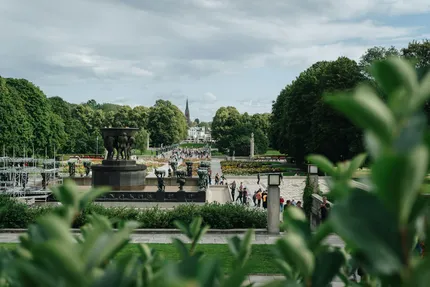
Vigeland Park
Vigeland Park, located within Frogner Park, is the world's largest sculpture park made by a single artist. Gustav Vigeland created over 200 bronze, granite, and cast iron sculptures installed across the grounds. The iconic Monolith, a towering column of intertwined human figures, is the centerpiece. The park is open year-round and free to visit, making it one of Oslo's most popular attractions.
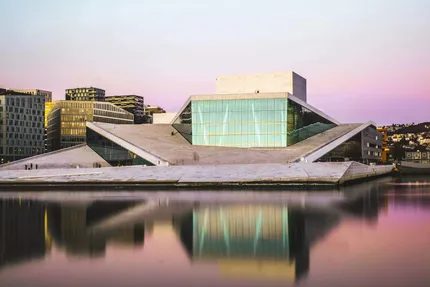
Oslo Opera House
The Oslo Opera House, opened in 2008, is the home of the Norwegian National Opera and Ballet. Designed by architectural firm Snøhetta, the building is renowned for its striking white marble and granite exterior that slopes down into the Oslofjord. Visitors can walk on the roof for panoramic views of the city and fjord. It is one of Oslo's most iconic modern landmarks.
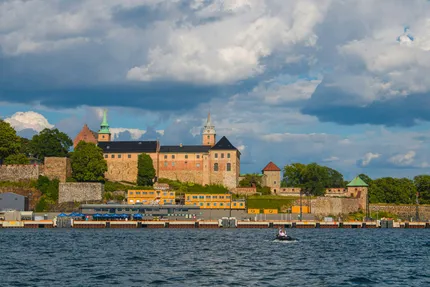
Akershus Fortress
Akershus Fortress is a medieval castle built around 1300 by King Haakon V to protect Oslo. Perched on a peninsula overlooking the Oslofjord, it served as a military stronghold and later a prison. Today visitors can explore the grounds, the Renaissance-era castle interior, and the Norwegian Resistance Museum located within its walls. Guided tours are available seasonally.

Viking Ship Museum
Oslo’s Viking Ship Museum (Vikingskipshuset) on Bygdøy displays three well-preserved Viking Age ships—Oseberg, Gokstad, and Tune—along with sledges, carts, tools, and burial goods. The museum is part of the University of Oslo’s Museum of Cultural History. Check current status before visiting, as the collection is being moved to the new Museum of the Viking Age.
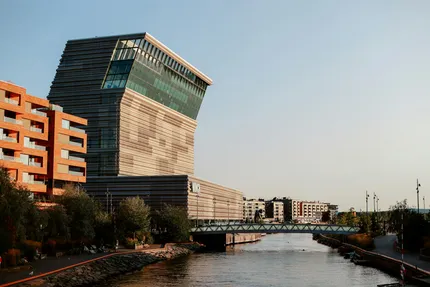
Munch Museum
The Munch Museum (MUNCH) in Oslo is dedicated to Edvard Munch and houses a large collection of his paintings, prints, drawings, and personal archives. Located in Bjørvika near the Opera House, the modern waterfront building features rotating exhibitions, a permanent Munch presentation, and public programs. Tickets are timed; allow 1–2 hours.
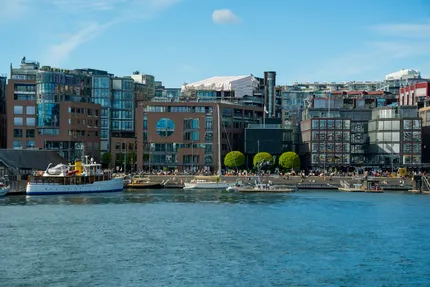
Aker Brygge
Aker Brygge is a waterfront district in central Oslo, built on the site of a former shipyard. It features a mix of restaurants, bars, shops, and residential buildings along the Oslofjord. The area is lively year-round, with outdoor seating in summer and views across to Akershus Fortress. It serves as a hub for ferries to nearby islands and is a popular gathering spot for locals and visitors.
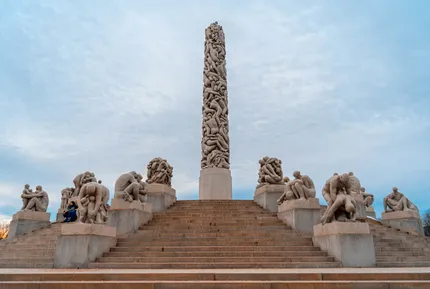
Frogner Park
Frogner Park is Oslo’s largest public park and home to the Vigeland Sculpture Park, featuring over 200 sculptures by Gustav Vigeland. Visitors can walk through landscaped lawns and tree-lined paths, see landmarks like the Monolith and the Wheel of Life, and enjoy seasonal flower displays. The park is free to enter and easily reached by tram or bus.

Holmenkollen Ski Jump
The Holmenkollen Ski Jump is one of Oslo's most iconic landmarks, perched on a hill overlooking the city. It has hosted ski jumping competitions since 1892 and remains a world-class venue. Visitors can take an elevator to the top for panoramic views of Oslo and the fjord. The adjacent Ski Museum traces the history of skiing back thousands of years.
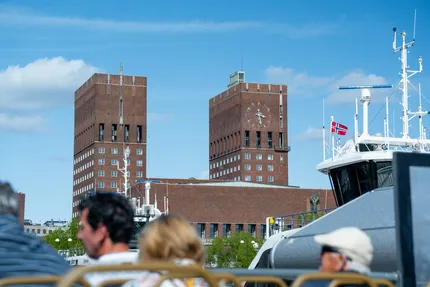
Oslo City Hall
Oslo City Hall, or Rådhuset, is a prominent red-brick building completed in 1950, situated on the waterfront of the Oslofjord. It serves as the seat of Oslo's municipal government and is best known internationally as the venue where the Nobel Peace Prize is awarded each December. Visitors can explore the main hall, admiring impressive murals and artworks depicting Norwegian history, culture, and working life. Entrance is free.
This content was created with AI assistance and may contain inaccuracies.