
City break inOslo
Oslo, the capital of Norway, sits at the head of the Oslofjord and is one of the fastest-growing cities in Europe. Despite being a capital city, it retains a manageable scale that makes it easy to explore on foot or by public transport. The city blends striking modern architecture with a rich Viking history, and its compact centre contains an impressive concentration of world-class museums. The waterfront area of Aker Brygge and the newer Tjuvholmen district offer excellent dining, galleries, and a lively atmosphere along the fjord.
The Munch Museum and the National Museum house some of Norway's most significant cultural treasures. Beyond the urban core, Oslo is uniquely positioned with forests, hiking trails, and ski slopes within the city limits, a fact locals are enormously proud of. The Holmenkollen ski jump is both a sporting venue and a landmark offering panoramic views over the city and fjord. Oslo is an expensive destination by most standards, but its quality of life, clean environment, and cultural offerings make it a rewarding one.
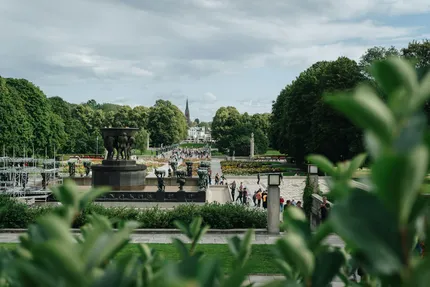
Vigeland Park
Vigeland Park, located within Frogner Park, is the world's largest sculpture park made by a single artist. Gustav Vigeland created over 200 bronze, granite, and cast iron sculptures installed across the grounds. The iconic Monolith, a towering column of intertwined human figures, is the centerpiece. The park is open year-round and free to visit, making it one of Oslo's most popular attractions.
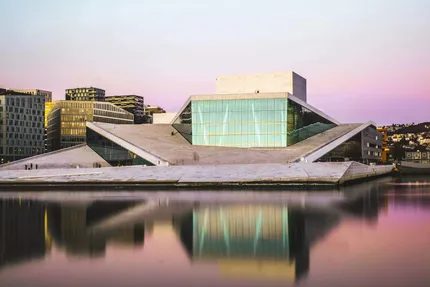
Oslo Opera House
The Oslo Opera House, opened in 2008, is the home of the Norwegian National Opera and Ballet. Designed by architectural firm Snøhetta, the building is renowned for its striking white marble and granite exterior that slopes down into the Oslofjord. Visitors can walk on the roof for panoramic views of the city and fjord. It is one of Oslo's most iconic modern landmarks.
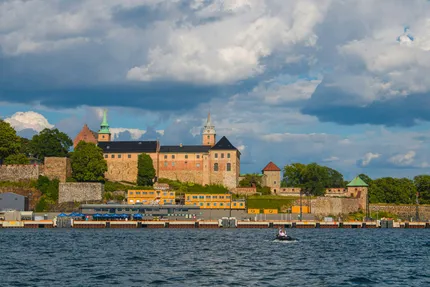
Akershus Fortress
Akershus Fortress is a medieval castle built around 1300 by King Haakon V to protect Oslo. Perched on a peninsula overlooking the Oslofjord, it served as a military stronghold and later a prison. Today visitors can explore the grounds, the Renaissance-era castle interior, and the Norwegian Resistance Museum located within its walls. Guided tours are available seasonally.

Viking Ship Museum
Oslo’s Viking Ship Museum (Vikingskipshuset) on Bygdøy displays three well-preserved Viking Age ships—Oseberg, Gokstad, and Tune—along with sledges, carts, tools, and burial goods. The museum is part of the University of Oslo’s Museum of Cultural History. Check current status before visiting, as the collection is being moved to the new Museum of the Viking Age.
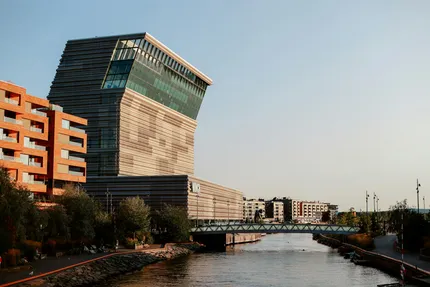
Munch Museum
The Munch Museum (MUNCH) in Oslo is dedicated to Edvard Munch and houses a large collection of his paintings, prints, drawings, and personal archives. Located in Bjørvika near the Opera House, the modern waterfront building features rotating exhibitions, a permanent Munch presentation, and public programs. Tickets are timed; allow 1–2 hours.
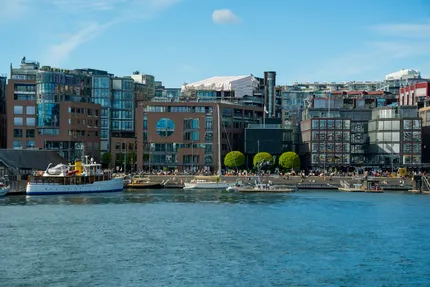
Aker Brygge
Aker Brygge is a waterfront district in central Oslo, built on the site of a former shipyard. It features a mix of restaurants, bars, shops, and residential buildings along the Oslofjord. The area is lively year-round, with outdoor seating in summer and views across to Akershus Fortress. It serves as a hub for ferries to nearby islands and is a popular gathering spot for locals and visitors.
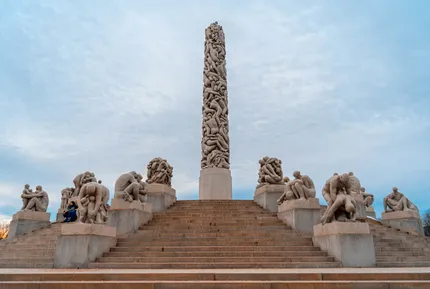
Frogner Park
Frogner Park is Oslo’s largest public park and home to the Vigeland Sculpture Park, featuring over 200 sculptures by Gustav Vigeland. Visitors can walk through landscaped lawns and tree-lined paths, see landmarks like the Monolith and the Wheel of Life, and enjoy seasonal flower displays. The park is free to enter and easily reached by tram or bus.

Holmenkollen Ski Jump
The Holmenkollen Ski Jump is one of Oslo's most iconic landmarks, perched on a hill overlooking the city. It has hosted ski jumping competitions since 1892 and remains a world-class venue. Visitors can take an elevator to the top for panoramic views of Oslo and the fjord. The adjacent Ski Museum traces the history of skiing back thousands of years.
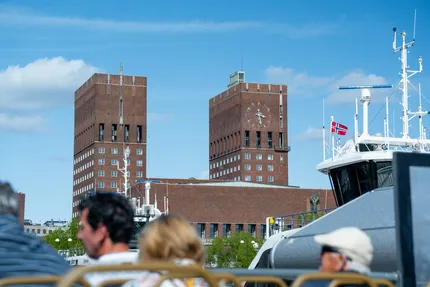
Oslo City Hall
Oslo City Hall, or Rådhuset, is a prominent red-brick building completed in 1950, situated on the waterfront of the Oslofjord. It serves as the seat of Oslo's municipal government and is best known internationally as the venue where the Nobel Peace Prize is awarded each December. Visitors can explore the main hall, admiring impressive murals and artworks depicting Norwegian history, culture, and working life. Entrance is free.
Who should visit Oslo
Oslo is a strong fit for travellers with a genuine interest in art and cultural history. The concentration of top-tier museums, including the National Museum with Edvard Munch's The Scream, the Viking Ship Museum, and the Norwegian Folk Museum, makes it ideal for museum enthusiasts who can easily fill several days without running out of meaningful content. Outdoor enthusiasts will find Oslo particularly rewarding, as the city offers direct access to Nordmarka forest for hiking in summer and cross-country skiing in winter, as well as downhill skiing at Holmenkollen. The fjord is accessible for kayaking and leisure boat trips during warmer months.
Architecture and design lovers will appreciate the contrast between the historic Akershus Fortress and bold modern projects like the Oslo Opera House, which visitors are encouraged to walk across on its sloped roof. Foodies with a budget to match will find a growing Nordic cuisine scene worth exploring, particularly around Mathallen food hall and the Grünerløkka neighbourhood. Families are also well catered for, given the city's safety, cleanliness, and child-friendly museums. Solo travellers and couples looking for a sophisticated but nature-connected city break will find Oslo delivers that balance more effectively than most European capitals.

Best time to visit Oslo
The best time to visit Oslo is between May and September, when temperatures are mild, daylight hours are long, and outdoor attractions are fully accessible. June and July bring the most warmth and the longest days, with the city buzzing with festivals and outdoor events. Spring, particularly May, is especially pleasant with blooming parks and Constitution Day celebrations on the 17th. Autumn offers crisp air and quieter streets. Winter visits suit those interested in skiing and experiencing a snow-covered city, though darkness and cold are significant factors to consider.
Three top reasons for a city trip to Oslo
- Explore Oslo’s waterfront revival: stroll Aker Brygge and Tjuvholmen, visit the Astrup Fearnley Museum, then walk the Opera House roof for fjord views and sunset photos.
- Experience Oslo’s signature museums on Bygdøy: see the Viking Ship Museum’s legacy, the Fram polar ship, and Kon-Tiki; combine with a ferry ride across Oslofjord.
- Enjoy nature within the city: hike or ski in Nordmarka via the T-bane, visit Holmenkollen Ski Museum and jump, then unwind in Vigeland Sculpture Park.
Oslo is known for its excellent public transportation system, which includes buses, trams, and metro lines that operate with high frequency and cover most areas of the city. The Oslo Pass offers unlimited travel on public transport in the city. Cycling is also a popular way to get around, with an extensive network of bike lanes and dedicated paths. There are city bikes available for short-term rental. Oslo's city center is compact and walkable, with most attractions within a reasonable distance on foot. While having a car can be convenient for exploring the surrounding regions and fjords, it is not necessary for navigating the city itself. Traffic can be heavy, and parking fees and congestion charges make driving in the city less appealing for visitors. Overall, public transport and cycling are the most efficient ways to explore Oslo.
This content was created with AI assistance and may contain inaccuracies.